Epilogue: Ten Days
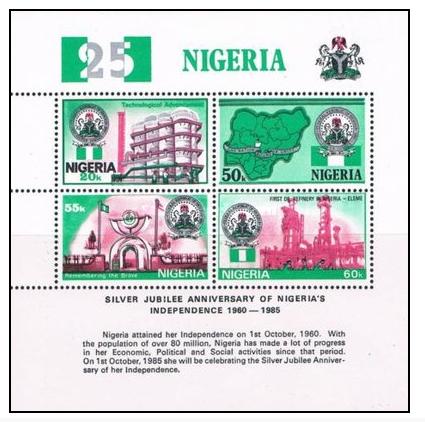
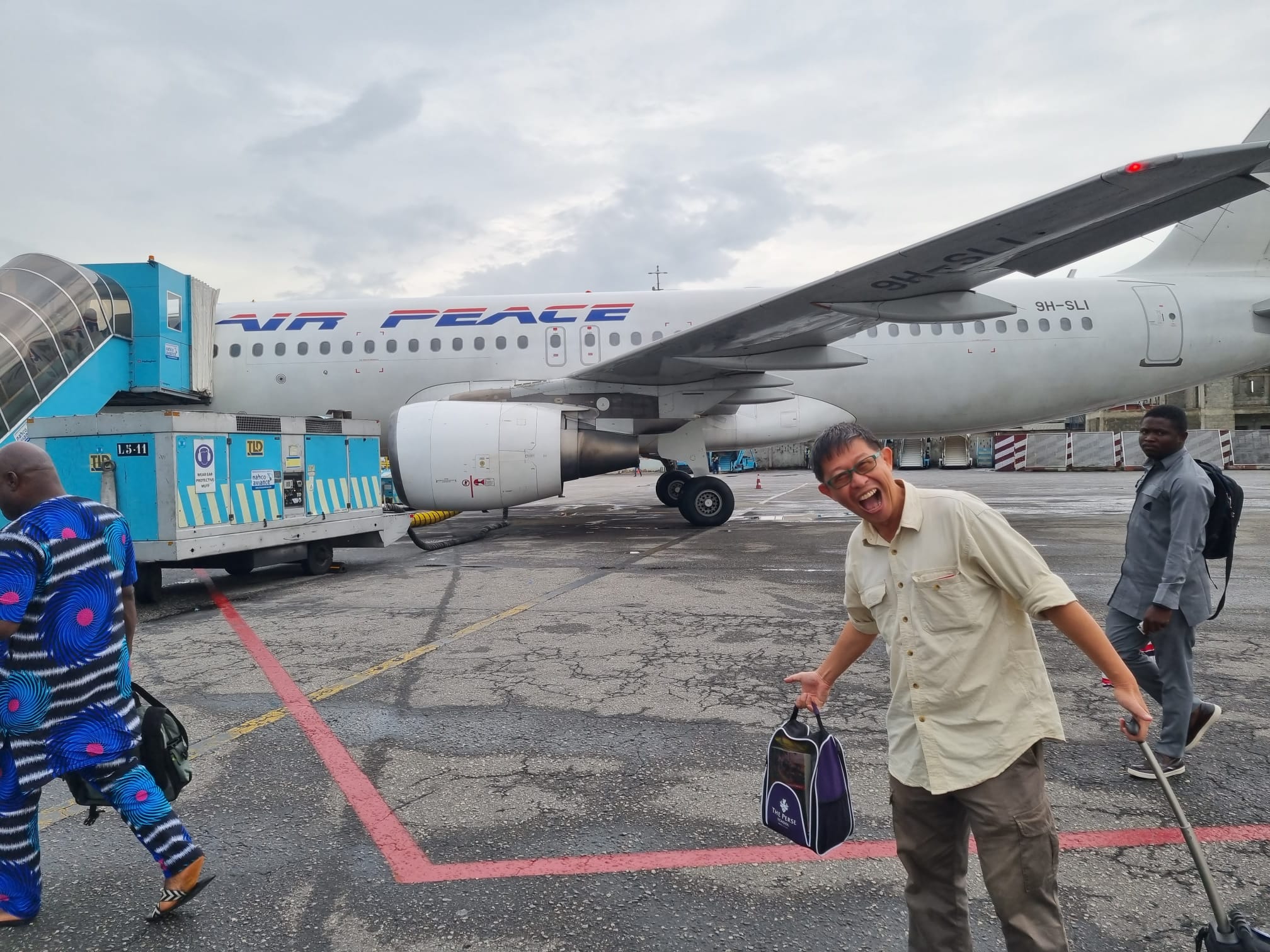
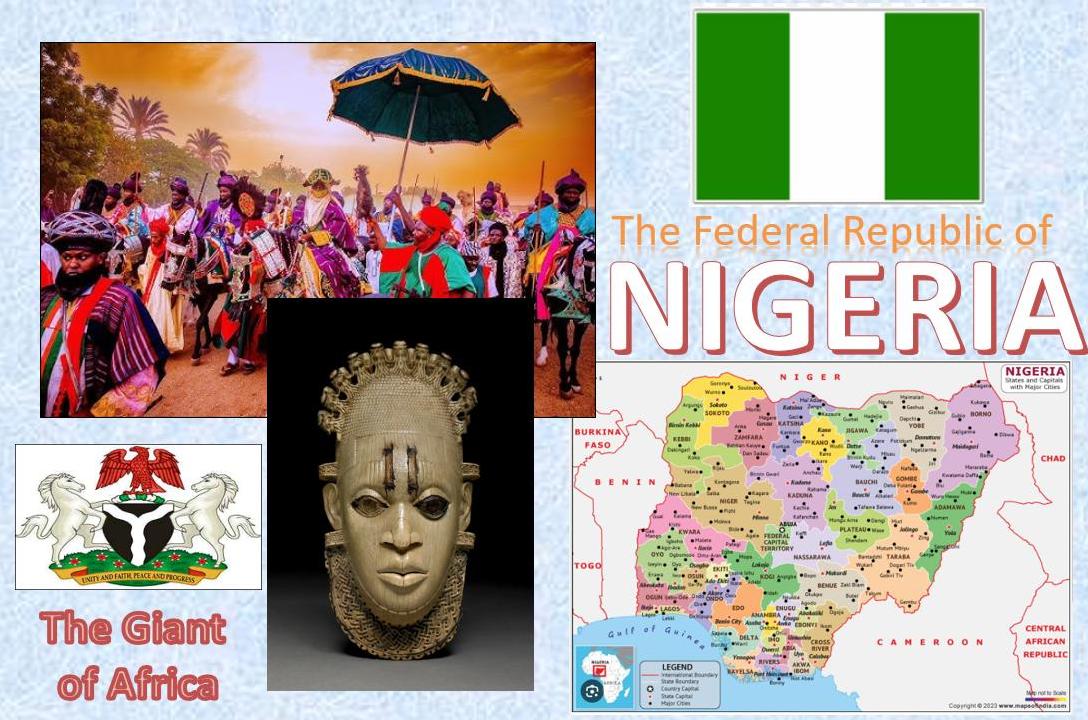
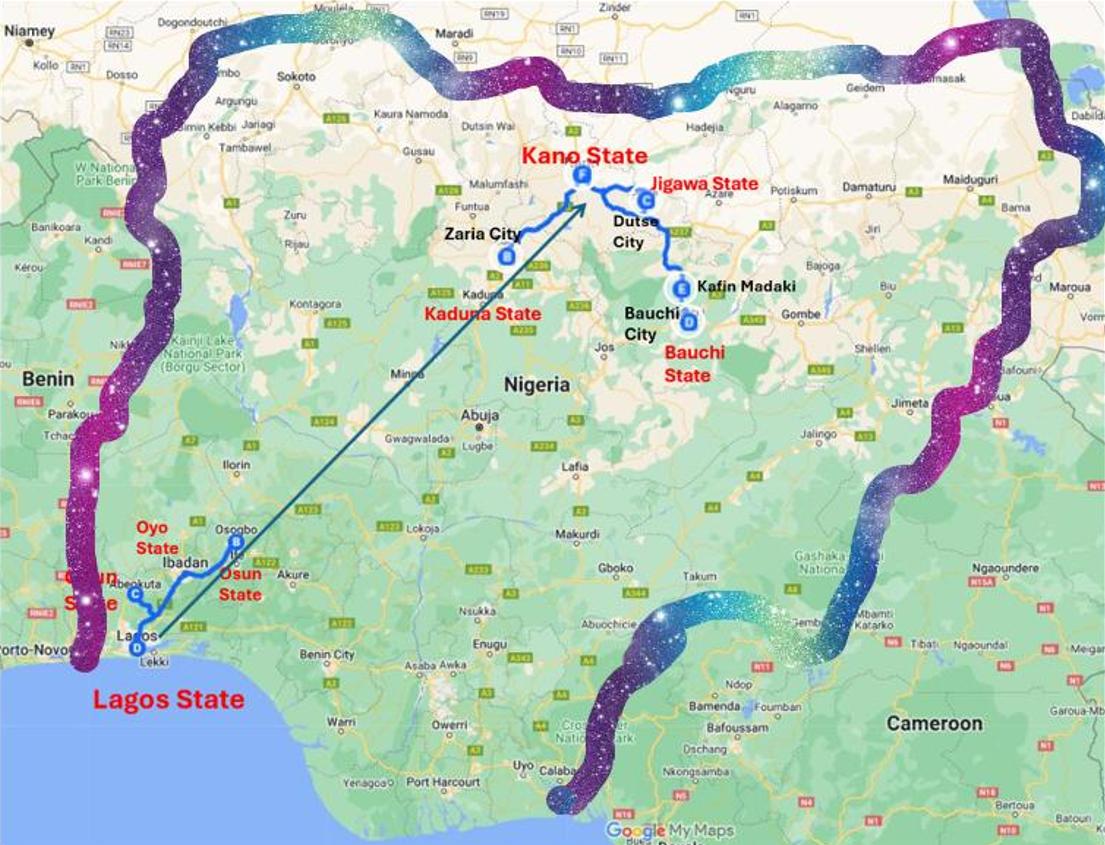
On the tenth day, back in Kano before the flight home, I wrote a note trying to take stock. Nigeria is a country that resists summary with an almost deliberate ferocity. It is too large, too various, too self-contradictory to be reduced to a thesis. The northern emirates and the Yoruba sacred groves belong, in some respects, to entirely different civilisational traditions — one organised around trans-Saharan Islam and equestrian kingship, the other around the forest, the river, and a pantheon of several hundred deities. That they exist within the same national borders is a consequence of British colonial cartography rather than any deep cultural logic, a fact that Nigerians are well aware of and manage, with varying degrees of success, every day.
What the trip had given us, more than anything, was access. Leonardo Paoluzzi's network — and in particular his connection to Prince Zahraddeen Sanusi of Dutse, whose family's hospitality shaped the entire northern leg of the journey — had opened doors that no amount of independent travel would have found. We had knelt on carpeted floors before emirs. We had watched Wodaabe men perform the Guérewol for an audience arranged at short notice because the original venue in Borno State had become inaccessible to foreigners. We had eaten in the homes of princes and been danced for by cultural troupes whose performances were, apparently, entirely sincere. Nigeria, under the right conditions, is a country of extraordinary generosity toward visitors. The conditions are not easy to arrange. But they are worth the effort.
Much of Nigeria's rich heritage is neither publicised nor adequately protected. In the north, the ancient Kano city walls — described by Frederick Lugard himself in 1903 as the most impressive monument he had seen in Africa — are in a state of atrocious disrepair, sections illegally demolished, the remainder maintained with minimal resources and less political will. A UNESCO Tentative World Heritage Site, it seems likely to remain tentative for a long time. Nigeria is a country with many more immediate priorities than heritage conservation, and it is difficult, standing before those crumbling walls, to argue with the logic of that assessment.
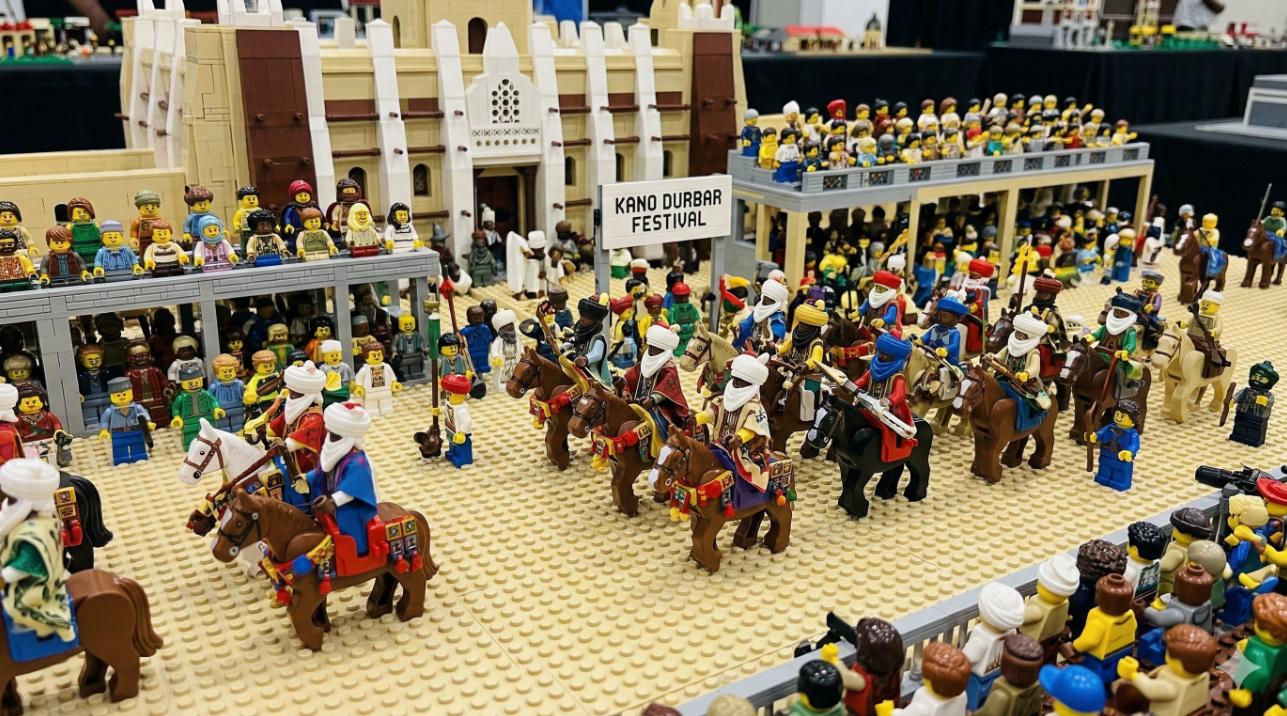
And yet. The Osun-Osogbo Sacred Grove is a World Heritage Site, and it is magnificent. The Durbar in Kano is one of the great surviving equestrian spectacles in the world. The Emir's palace at Gidan Rumfa, built in the late fifteenth century, is still the residence of a living ruler who received foreign visitors last week. The bronzes of Ile-Ife and Benin are in museums in London and Berlin, which is a different kind of heritage problem. Nigeria contains within its borders an embarrassment of civilisational history, most of it inadequately served by the institutions charged with its care.
One in every five Africans is Nigerian. The energy is real, the ambition is real, the noise is real. The traffic is, if anything, worse than described. The pepper in the food is not a mistake. The visa took two weeks and a letter that made my goosebumps stand. I would go back.