Coda:
The Pure Land
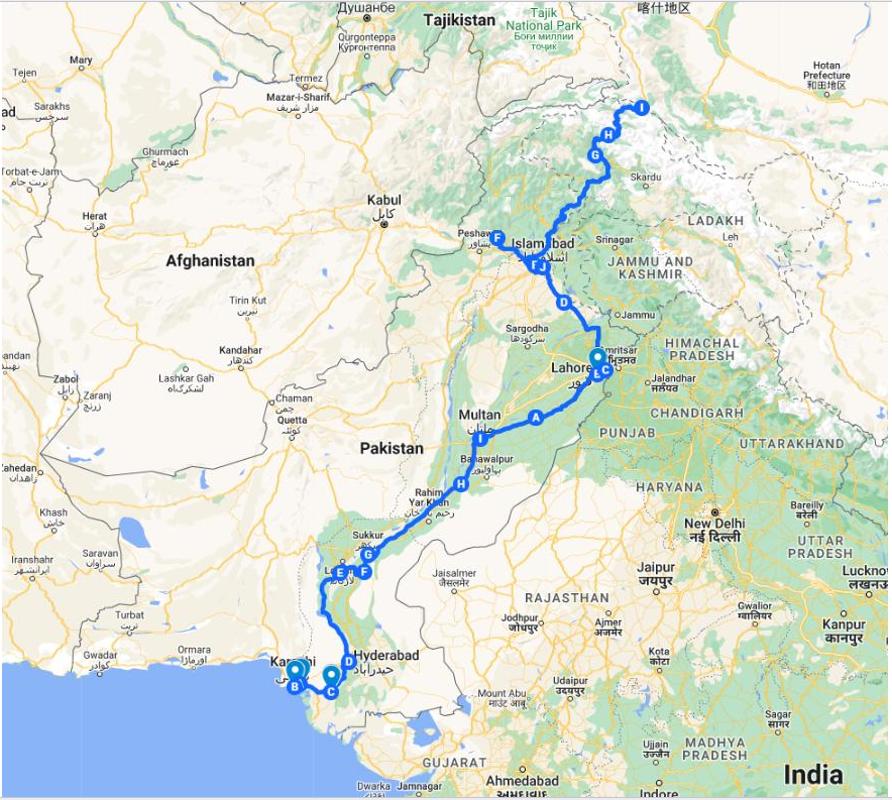

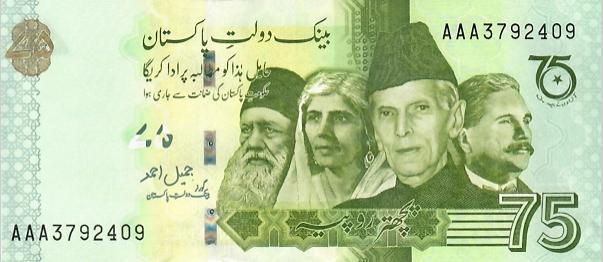
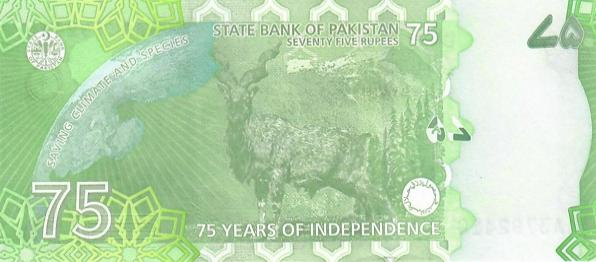
On the morning of my departure, I packed my bag in the hotel room in Islamabad as the call to Fajr prayer moved across the city in the pre-dawn dark, each muezzin's voice finding the others at slightly different intervals, so that the azaan arrived in waves, overlapping, recursive, filling the air with a sound that is, when you have been listening to it for two weeks in a dozen cities, something very close to the voice of a country talking to itself.
Pakistan has six UNESCO World Heritage Sites, all of which we visited. It has twenty-six more on the tentative list, many of which we also visited. It has mountains that are among the highest on earth, rivers that are among the oldest in human memory, a cuisine that is the most underrated in South Asia, and a people who, in sixteen days, refused to let me pay for a single camel ride.
It has a nuclear weapon, two hostile neighbours, a military that has governed it for half its existence as an independent nation, an economy that has been to the IMF more times than most countries have been to the dentist, and a political culture of such spectacular dysfunction that it has managed, in the seventy-six years since independence, to have three heads of government assassinated or executed and several more imprisoned or exiled.
It has the Dancing Girl of Mohenjo-daro: four thousand five hundred years old, her hip cocked with an attitude that says she knows exactly who she is and is not particularly interested in your opinion. She is in New Delhi now, technically. But she belongs, in every sense that matters, to the soil of this particular plain, this particular river, this particular chapter in the long improbable story of human civilisation.
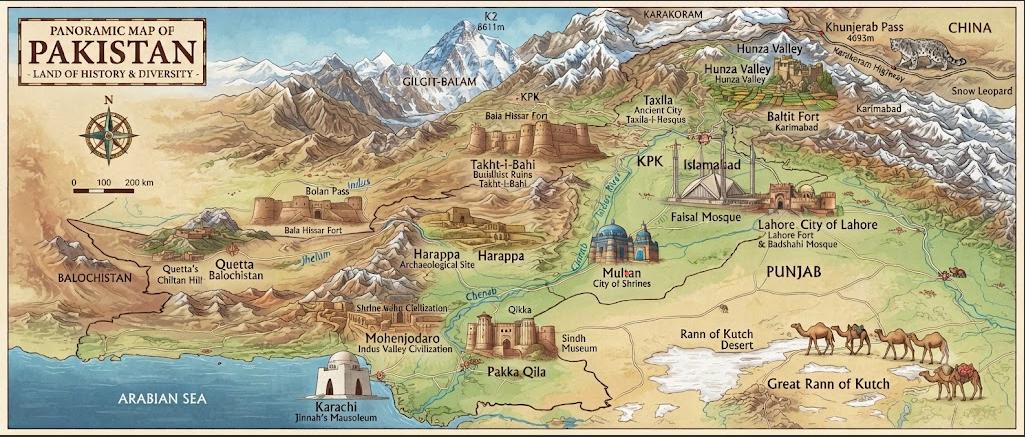

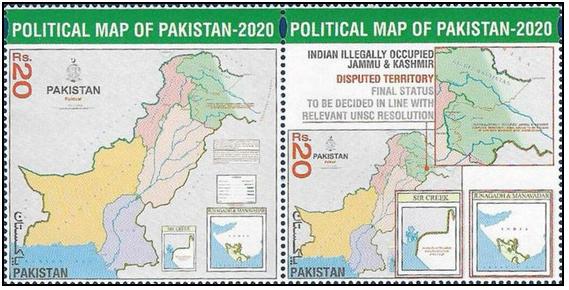
The name means the Land of the Pure. Whether it has achieved that aspiration is a question its people spend considerable energy arguing about. But it is, undeniably, a land of the ancient and the living and the layered — a land where the strata of human history press so close to the surface that you cannot drive a kilometre without passing something that has outlasted empires.
Jamal's parting words at the airport were these: 'Come back. We have not shown you everything. We have Peshawar, Quetta, the Kalash Valleys, Skardu. We have much more.' He said it the way you tell someone the truth because you want them to return, not because you want them to know it.
I intend to come back.
All six UNESCO World Heritage Sites visited:
- Archaeological Ruins at Mohenjo-daro (1980)
- Buddhist Ruins of Takht-i-Bahi and Sahr-i-Bahlol (1980)
- Fort and Shalamar Gardens in Lahore (1981)
- Historical Monuments at Makli, Thatta (1981)
- Rohtas Fort (1997)
- Taxila (1980)
Eleven UNESCO Tentative Sites visited:
- Badshahi Mosque, Lahore
- Wazir Khan's Mosque, Lahore
- Shah Jahan Mosque, Thatta
- Chaukhandi Tombs, Karachi
- Archaeological Site of Harappa
- Baltit Fort
- Tomb of Bibi Jawindi, Baha'al-Halim and Ustead and the Tomb and Mosque of Jalaluddin Bukhari
- Tomb of Shah Rukn-e-Alam
- Port of Banbhore
- Central Karakorum National Park
- Kot Diji Fort
A Note on Process
The travelogue on this site are based on my own journeys, photographs, Facebook posts, and field notes. I work with Claude (Anthropic's AI assistant) as a drafting and editorial partner — giving it my raw material and working iteratively to shape it into finished prose. The AI helps me draft quickly, maintain a consistent voice across long narratives, and edit at the document level. The website's HTML and coding are built with the assistance of Gemini (Google). Audio versions of the essays are produced using NotebookLM (Google). Every observation, opinion, and conclusion in the written work is mine. The AI tools are the instruments; I am the author.