Chapter One: Welcome to the Giant of Africa
No trip to Nigeria begins at the airport. It begins, weeks or months earlier, at the embassy. In Singapore, the Nigerian High Commission occupies a modest office that gives no outward sign of the bureaucratic theatre it performs within. I had been warned. Nigeria's reputation for making itself difficult to visit — a country that seems almost constitutionally ambivalent about foreign tourists — preceded every piece of advice I received from seasoned Africa travellers.
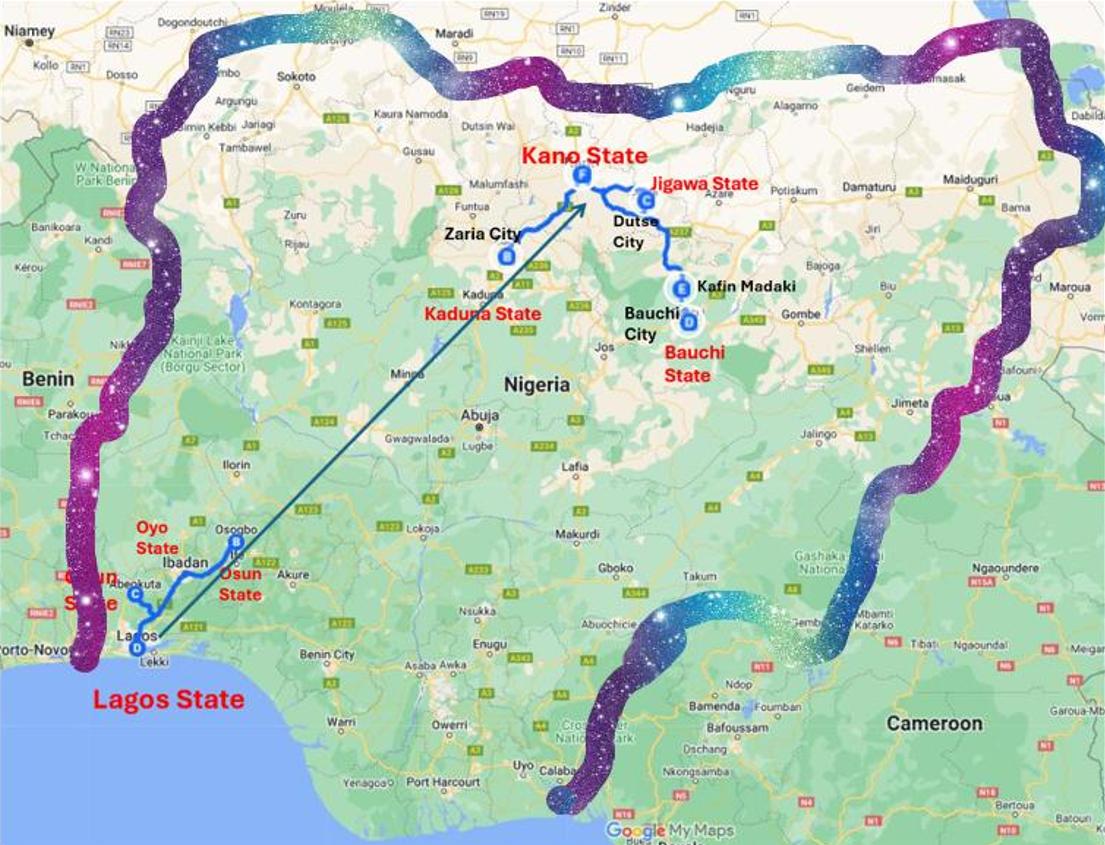
Red and I had arranged the southern leg — a week through Lagos and the Yoruba southwest — through Last Places, a Spanish agency specialising in destinations of anthropological interest. For the northern leg, Last Places operated as part of a three-way joint venture: ground logistics run by Leonardo Paoluzzi of Kanaga Tours, Bamako, and northern access provided by a member of the Royal Family of the Emirate of Dutse. Ling and some ten others — Europeans and Thais — would join us only at Kano, where the full group was to converge. The itinerary was ambitious: a week in the Yoruba southwest, followed by a swing through Hausaland in the Muslim north. To get there, we first had to convince a consular officer in Singapore that we were worth admitting.
We submitted our application in early September: completed forms, air tickets, hotel reservations, bank statements, a letter of invitation from the Lagos and Kano tour operators, copies of their passports, certificates of incorporation, and statements from the Nigerian Corporate Affairs Commission confirming they had filed their annual returns. We had been thorough to the point of pedantry. The embassy's response was to ask for more.

The interview, when it came, did not inspire confidence. The consular officer addressed his questions to his own computer screen, angled diagonally away from my companion. The questions themselves — name, nationality, purpose of visit — were the sort that had already been answered, in writing, on the form in front of him. What they actually wanted, it emerged, was the corporate bank statements of our tour operators. The operators, reasonably, declined to supply them. The embassy responded: no visa.
We wrote a letter of appeal. It was the kind of letter one writes with a straight face and a slightly sick feeling: praise for Nigerian culture, pledges to promote the country among Singaporeans, expressions of hope for deepening bilateral friendship. The sort of language that makes the goosebumps rise for all the wrong reasons. After a period of radio silence that lasted nearly two weeks and brought us within a fortnight of departure, the consul relented. The visas were issued.
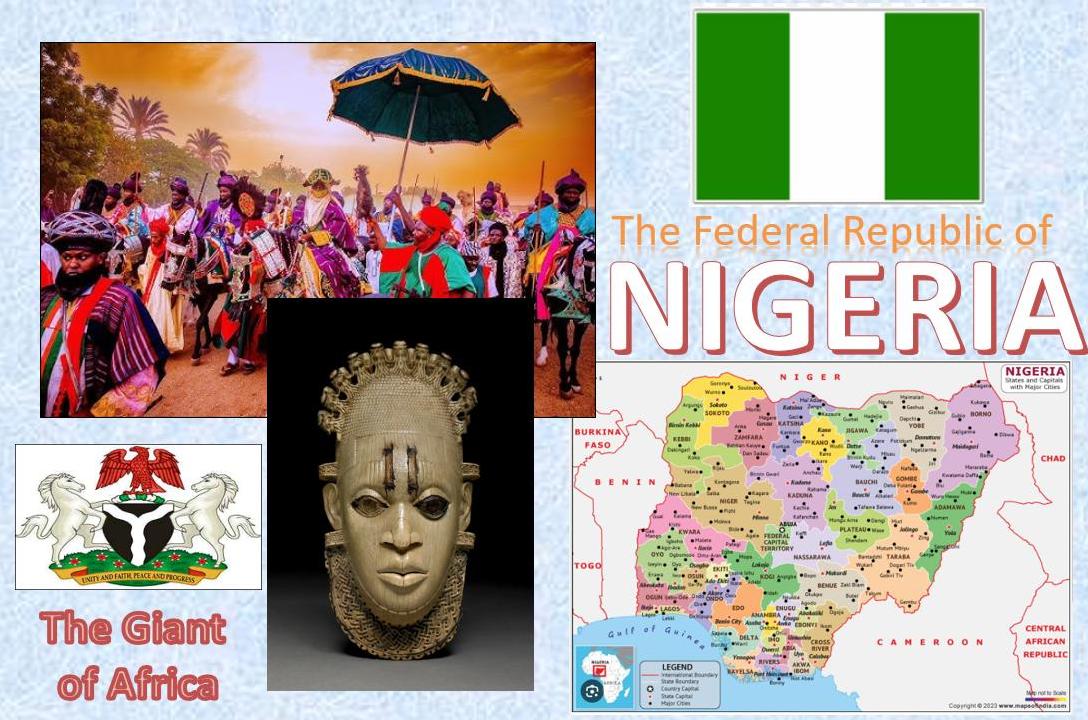
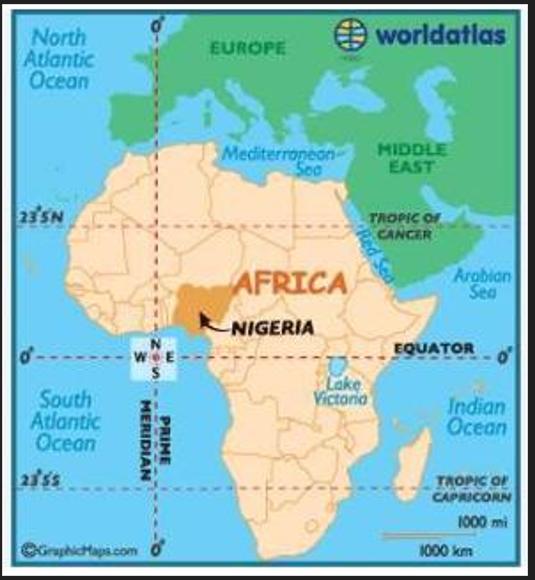
Nigeria is often called the Giant of Africa — a title that refers to its population of some 220 million, making it the continent's most populous nation, and to the sheer scale of its cultural and economic weight. One in every five Africans is Nigerian. But Nigeria is also a country that has spent decades squandering its considerable advantages: oil wealth siphoned by successive governments, infrastructure left to decay, institutions hollowed out by corruption. The visa experience was, in miniature, a portrait of the country we were about to enter: enormous potential, enthusiastically obstructed.