

Home Nigeria

Nigeria Travelogue

Chapter 10: Bauchi: The Pearl and Its Margins

Bauchi Scene Bauchi Architecture
Bauchi Life Bauchi Portrait
Tourism Pearl
Pearl of Tourism landscape

The Pearl of Tourism

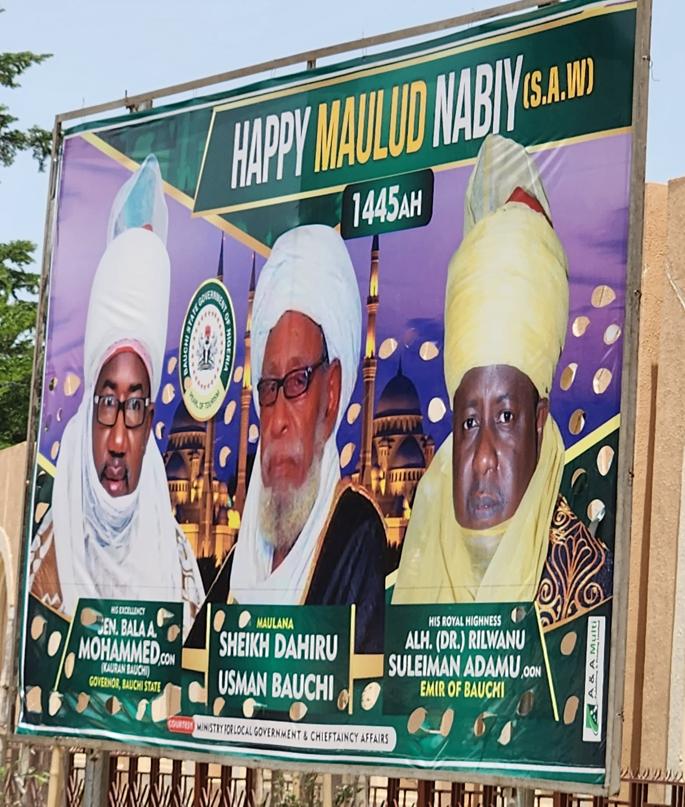
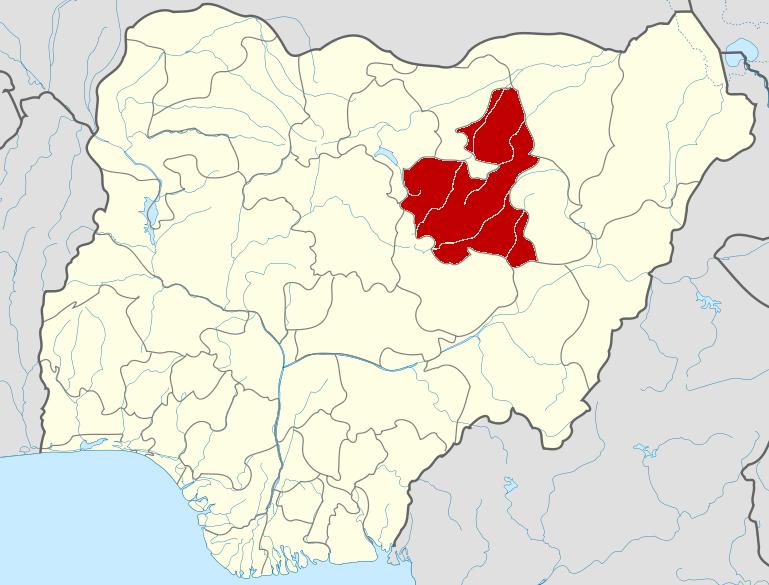
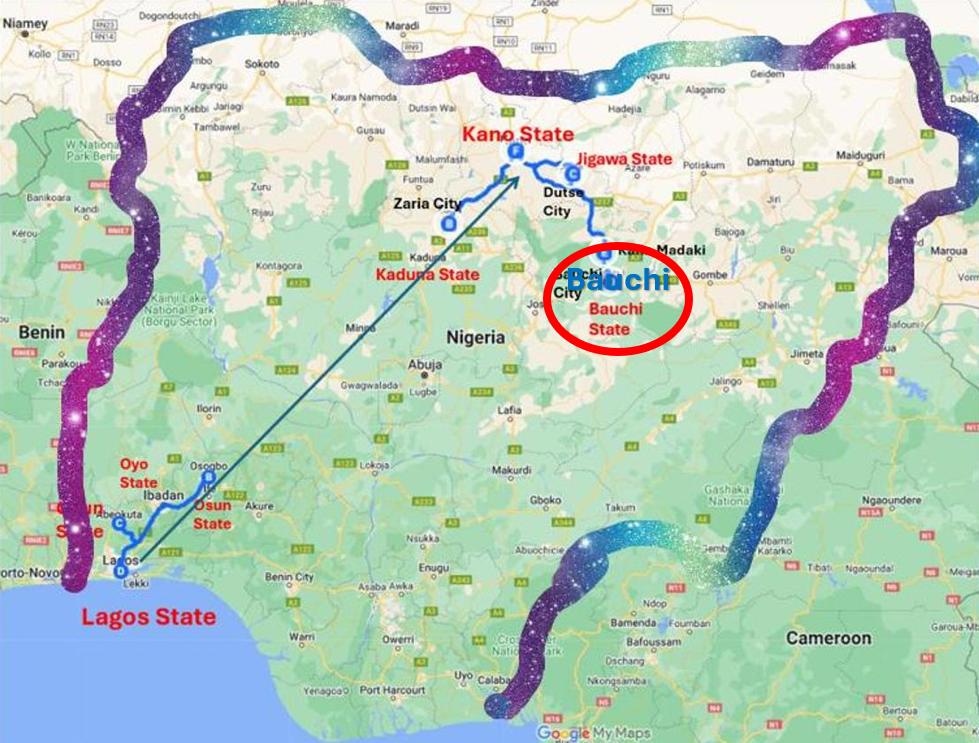
Bauchi State calls itself the Pearl of Tourism, a designation that hovers between aspiration and accurate description in approximately equal measure. The state sits at the northeastern edge of the Jos Plateau, its landscape ranging from the semi-arid Sahelian savanna of the north to the greener, better-watered uplands of the south. The city of Bauchi — capital of the emirate, capital of the state — was founded by Yakubu dan Dadi in 1809, one of the commanders of Usman dan Fodio’s jihad and, in a distinction the history books note with some care, the only non-Fulani flag-bearer of the Sokoto Caliphate. Yakubu was Hausa, a student of the Shehu before the jihad began, and it was he who conquered the Bauchi High Plains and built its walls — ten and a half kilometres of earthwork encircling a new city named, by a promise made to a hunter, after a man called Baushe who had advised where to build it. The emirate remained under the Caliphate until 1902, when a British expedition occupied it without a shot fired.
Bauchi Memorial
Bauchi Tomb Site
Tafawa Balewa complex
Tafawa Balewa entrance
Bauchi Historical Archive
Prime Minister Memorial Plaque Bauchi Interior Museum
Tafawa Balewa Grave Arch Tafawa Balewa Tombstone
Historic pillars
Tomb Architecture Detail
Tomb ceiling

Nigeria's First Prime Minister

Abubakar Tafawa Balewa, Nigeria’s first and only prime minister, is buried in Bauchi. Born in December 1912 of Gerawa (Gere) stock from the villages outside the city — his father a minor court retainer who worked in the household of the Madaki of Bauchi — he rose from schoolteacher to headmaster to the Legislative Assembly of the Northern Region, and thence to the federal stage. Known as the “Golden Voice of Africa,” he was a conservative Anglophile and skilled federalist who became Nigeria’s first Prime Minister at independence in October 1960, presiding over a fractious coalition of regions that never fully trusted one another. He was instrumental in founding the Organisation of African Unity and helped negotiate the Congo Crisis. His reward, on the night of 15 January 1966, was to be abducted from his official residence in Lagos by officers of a largely Igbo-led coup, led by Majors Nzeogwu and Ifeajuna. His body was found six days later in a ditch beside the Lagos-Abeokuta road. The exact circumstances of his death have never been established. News of his assassination sent riots across the north and set in motion the counter-coup of July 1966, the breakdown of trust between Nigeria’s regions, and ultimately the civil war of 1967–1970. He was brought home and buried in Bauchi, in the soil he had spent his political life trying to hold together with the rest of the country. The city carries its history with the slightly distracted air of a place that has accumulated too much of it to keep track.
Gidan Madakin Bauchi

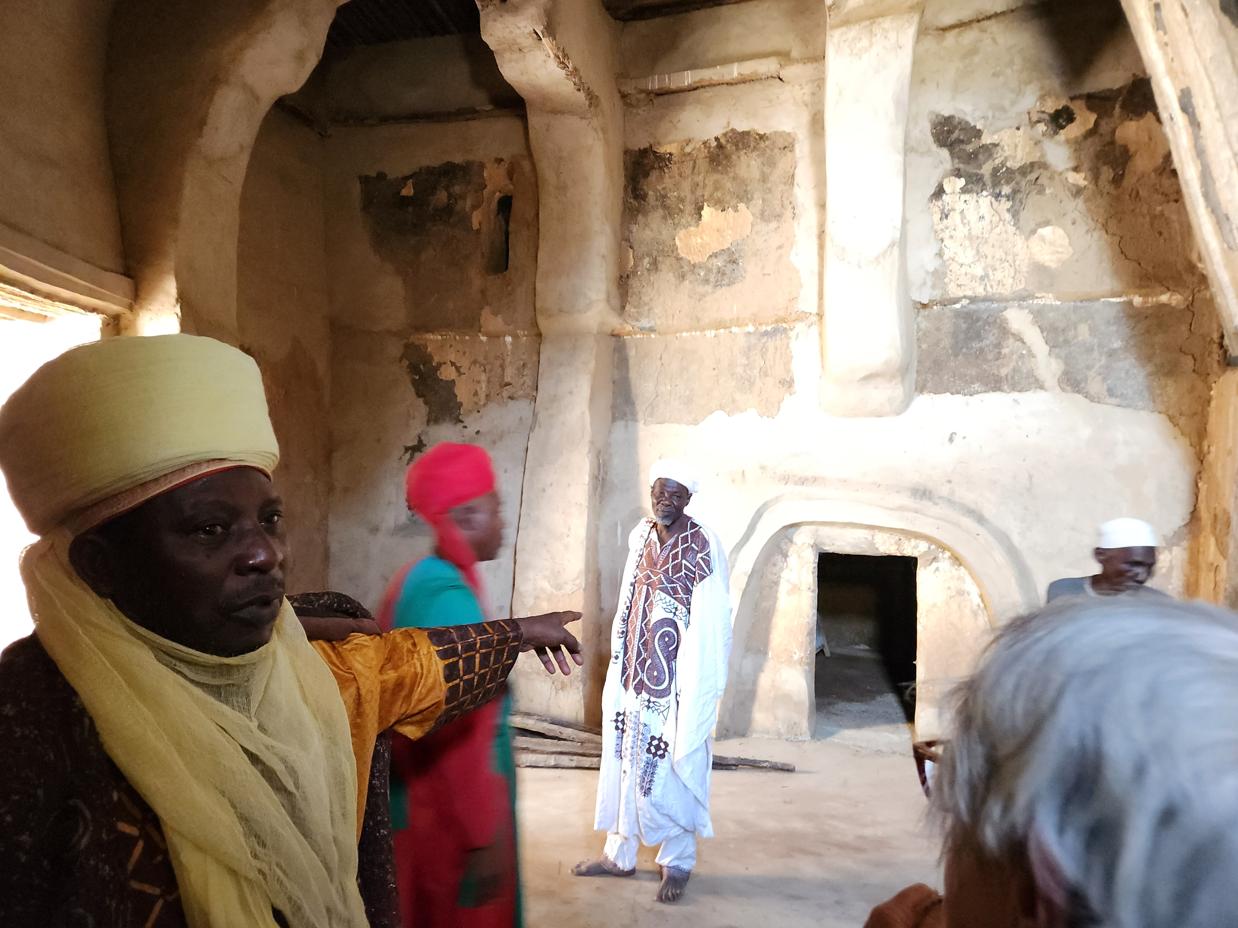
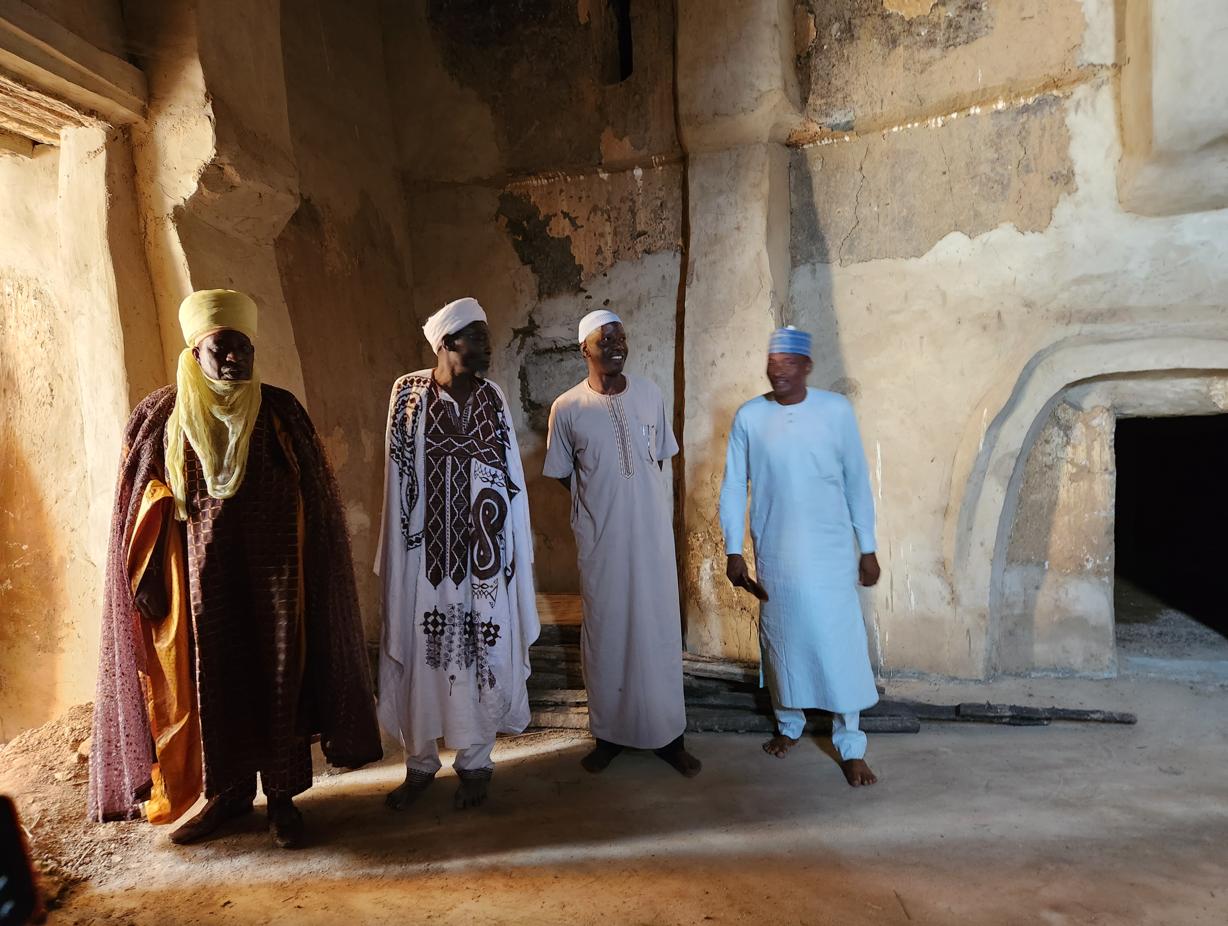
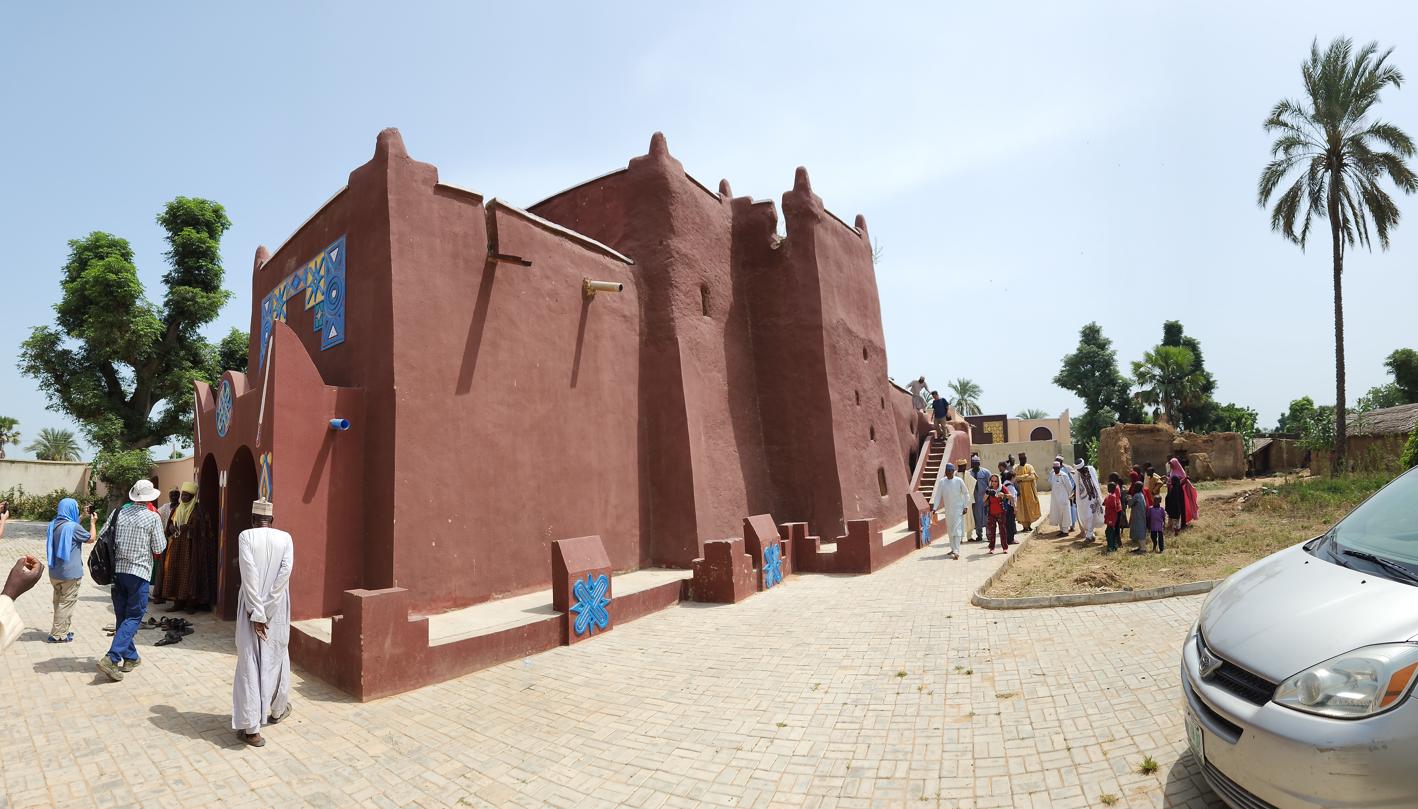
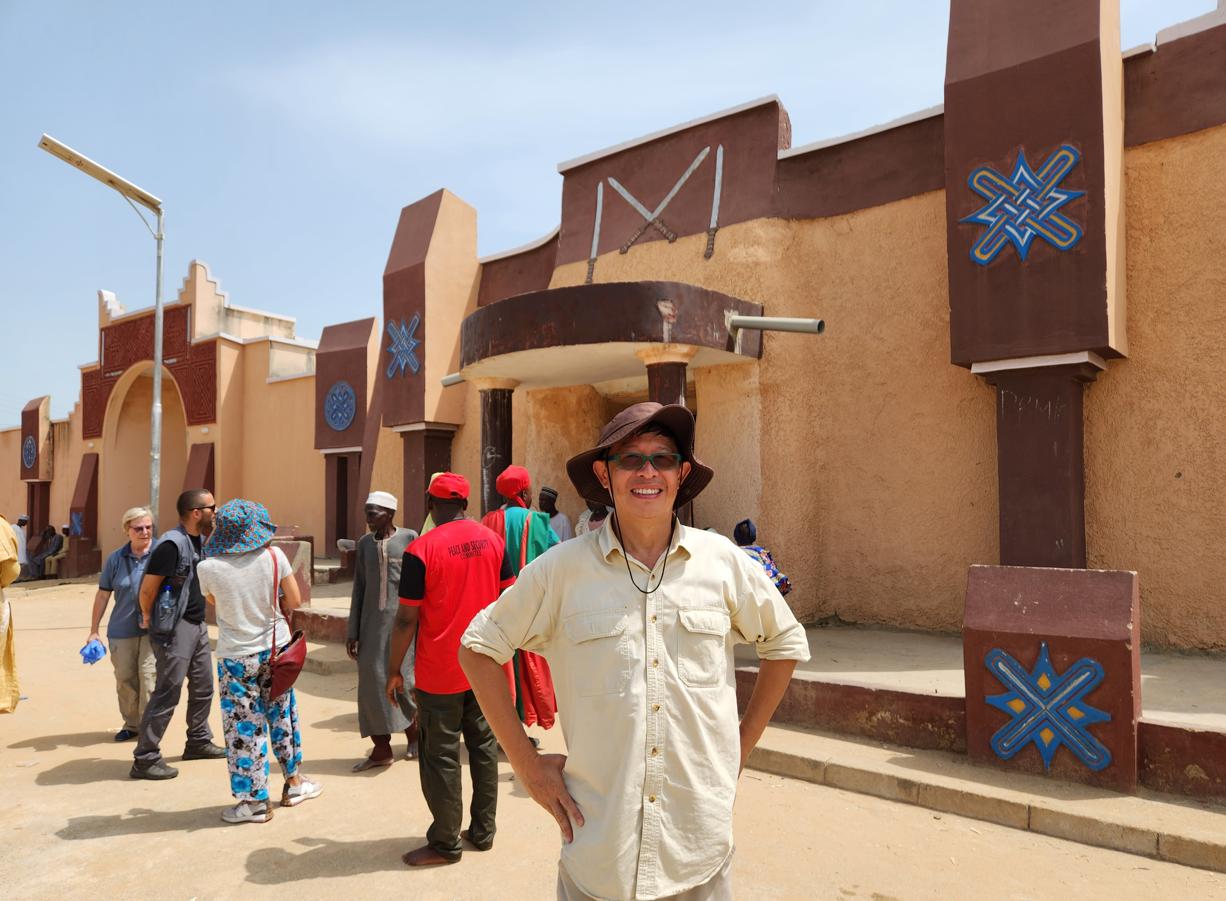
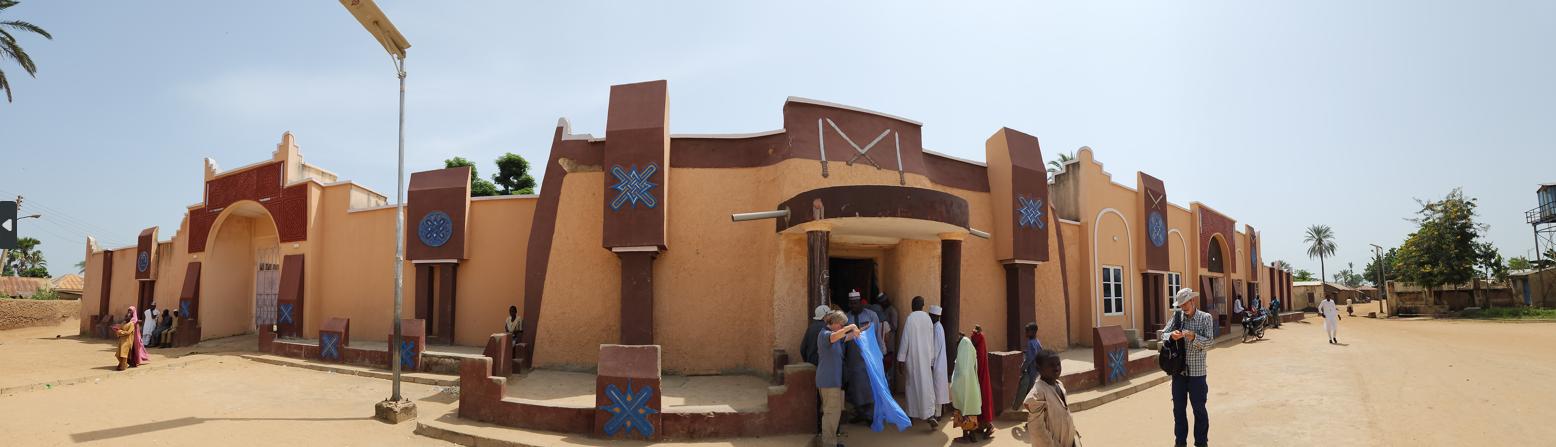
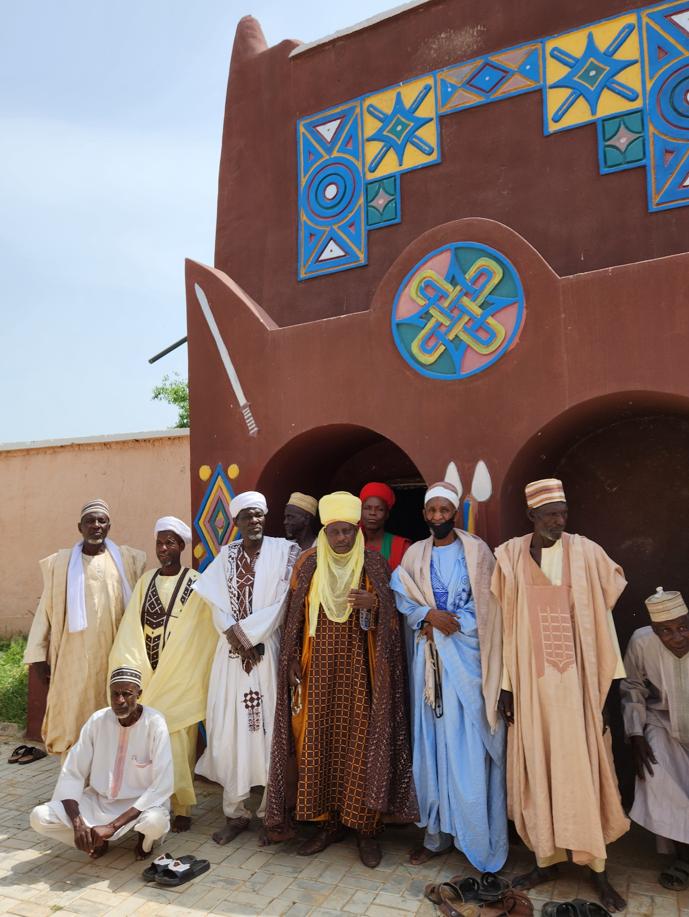
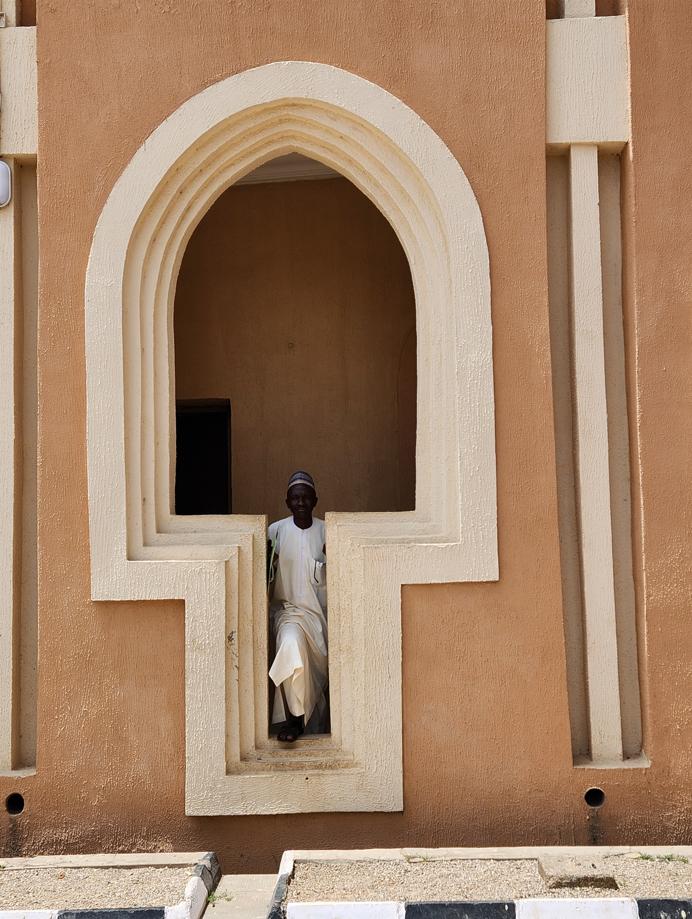
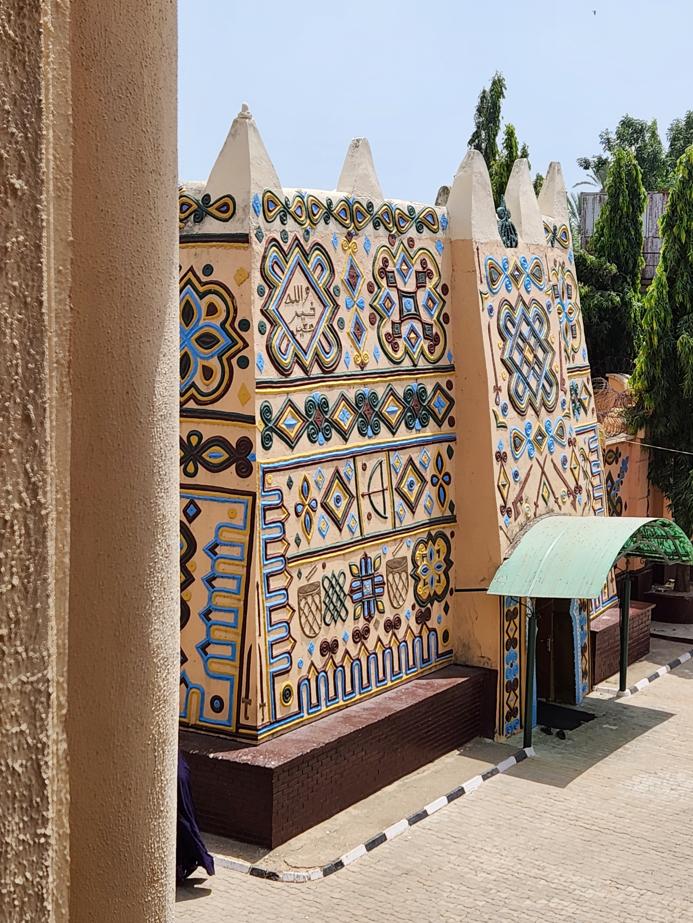
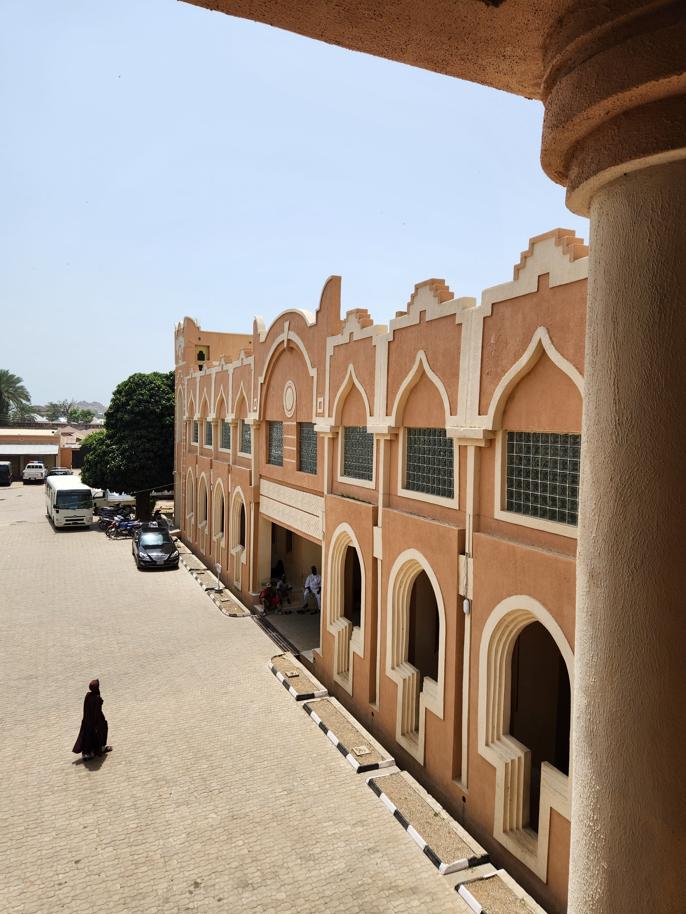
About forty-five kilometres north of Bauchi city, in the village of Kafin Madaki, stands the Gidan Madakin Bauchi — the house of the Madaki, the head of the royal army. The Madaki is not a separate traditional ruler in his own right but a senior hereditary title within the Bauchi Emirate’s court hierarchy: the emir’s chief military commander and, historically, one of the principal kingmakers empowered to select a new emir when the throne falls vacant. In the Hausa-Fulani court system, such titled positions — Madaki, Waziri, Galadima, Makama — are conferred by the emir on trusted members of the nobility, carrying defined duties, lands, and courtly obligations. The Madaki is entirely subordinate to the emir but occupies a status well above the common subject. The building was raised between 1850 and 1860, during the reign of Ibrahim dan Yakubu, and its architect was Mallam Mikhaila, known by his honorific Babban Gwani: the Great Expert, or the Master Builder, of Zaria. The monument plaque by the entrance states it plainly: Built in 1860 by the Master-Builder, Babban Gwani of Zaria. Protected under Section 14 of the Antiquities Ordinance, 1953.

Gidan Madakin Palace Exterior Palace mud architecture Interior structural arches
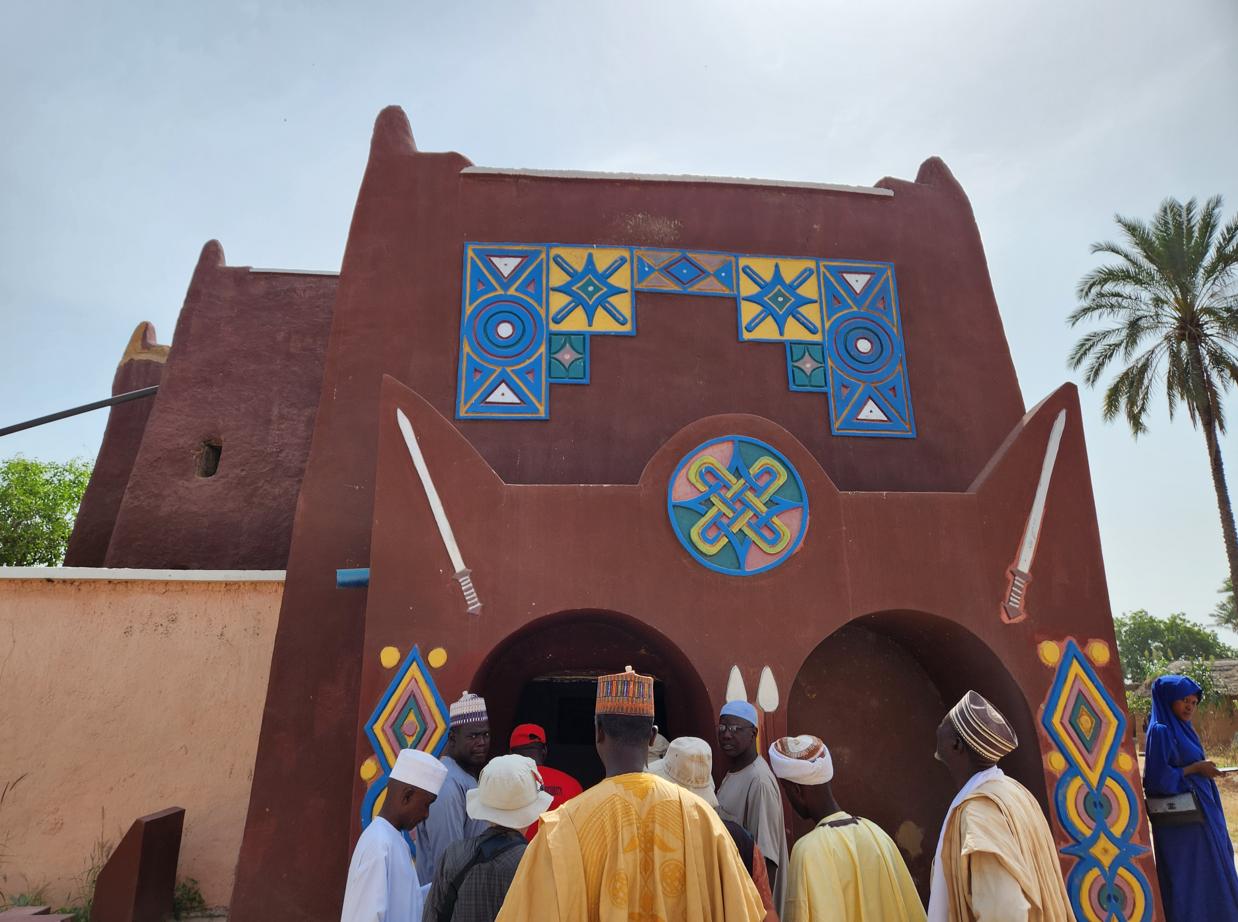
Antiquities monument plaque Intricate painted motifs Palace reception area
Madaki of Bauchi in Orange Robes Audience Chamber Throne

The Legendary Sarkin Maigini

Mallam Mikhaila was the Sarkin Maigini — the chief builder — of his era, appointed by the Shehu himself, the title hereditary in the direct male line. His reputation rested on a method that was part technical mastery and part legend: he preferred to build at night, completing substantial portions of a structure before dawn, working by a kind of improvisational instinct that made no use of drawn plans. A hundred labourers, most of them enslaved, would spend the daylight hours collecting mud and preparing thatched clay; the master arrived after dark and shaped it. The nocturnal schedule may have been practical, the cooler air making the mud easier to work. It may equally have been spiritual: building as devotion, the night as the appropriate register for an act of creation. His growing fame, the histories note, also brought about his death. The Emir of Birnin Gwari, having commissioned him to build a mosque of unsurpassable magnificence, had him executed afterward to guarantee that nothing comparable would ever be built elsewhere. It is the kind of story that attaches itself to exceptional craftsmen across many cultures and many centuries.

Terracotta Walls & Curved Earthwork

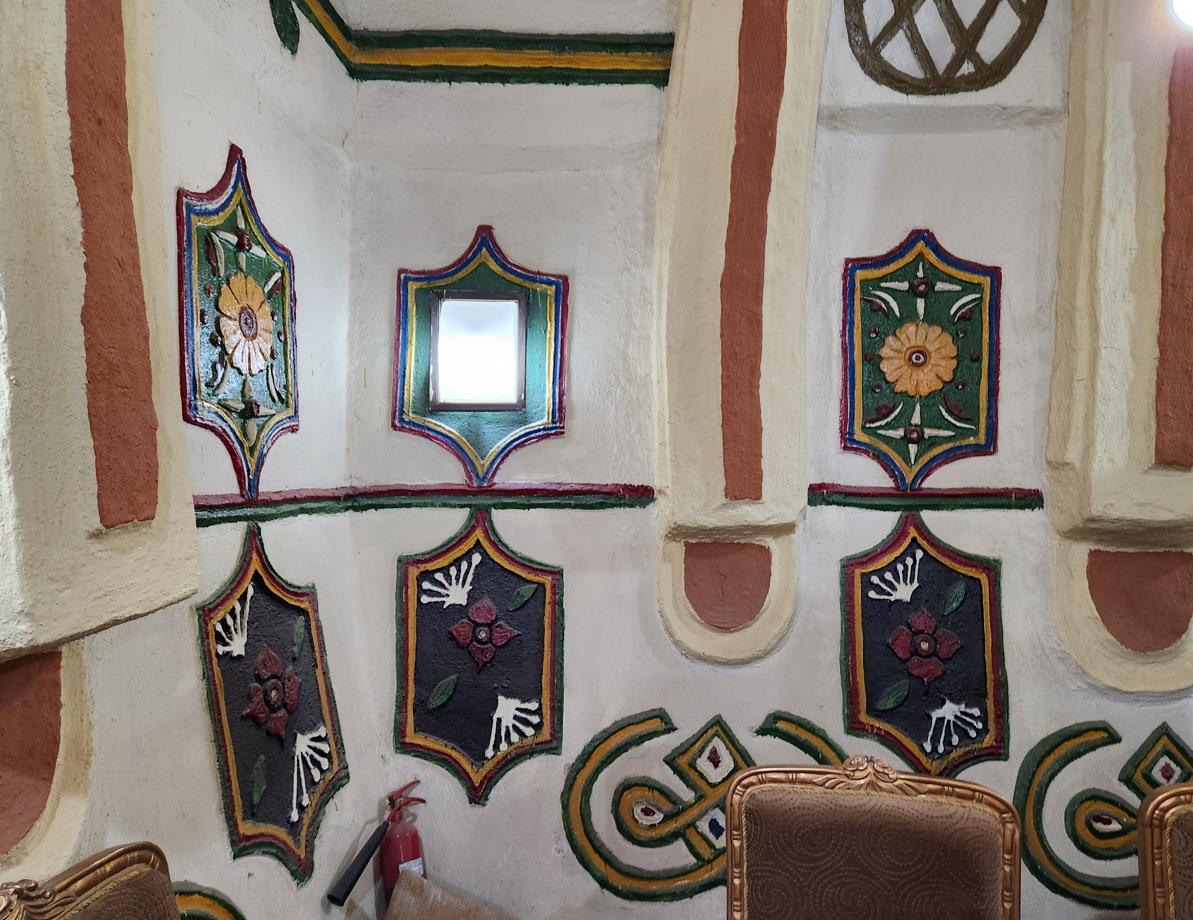
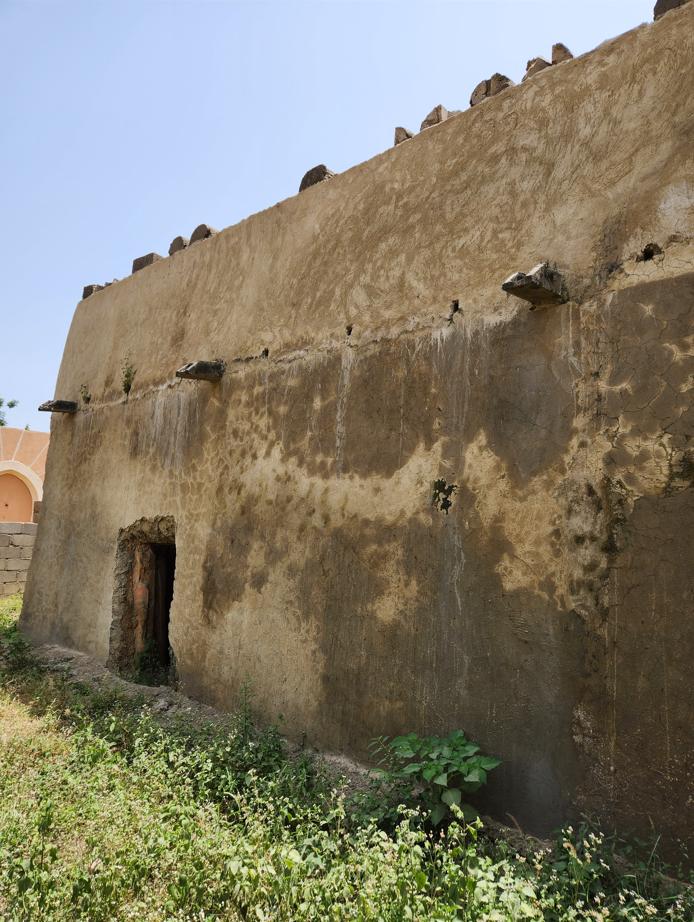
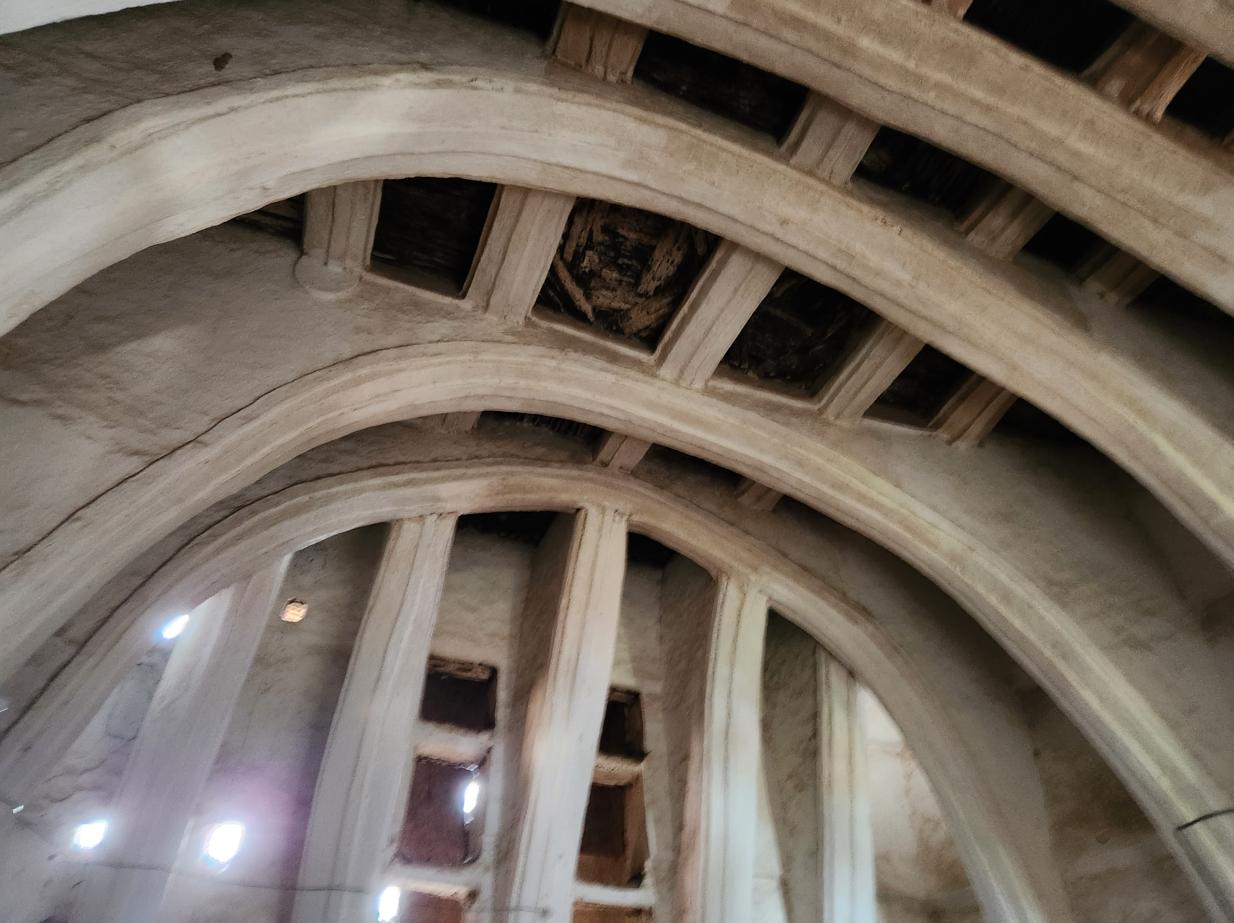
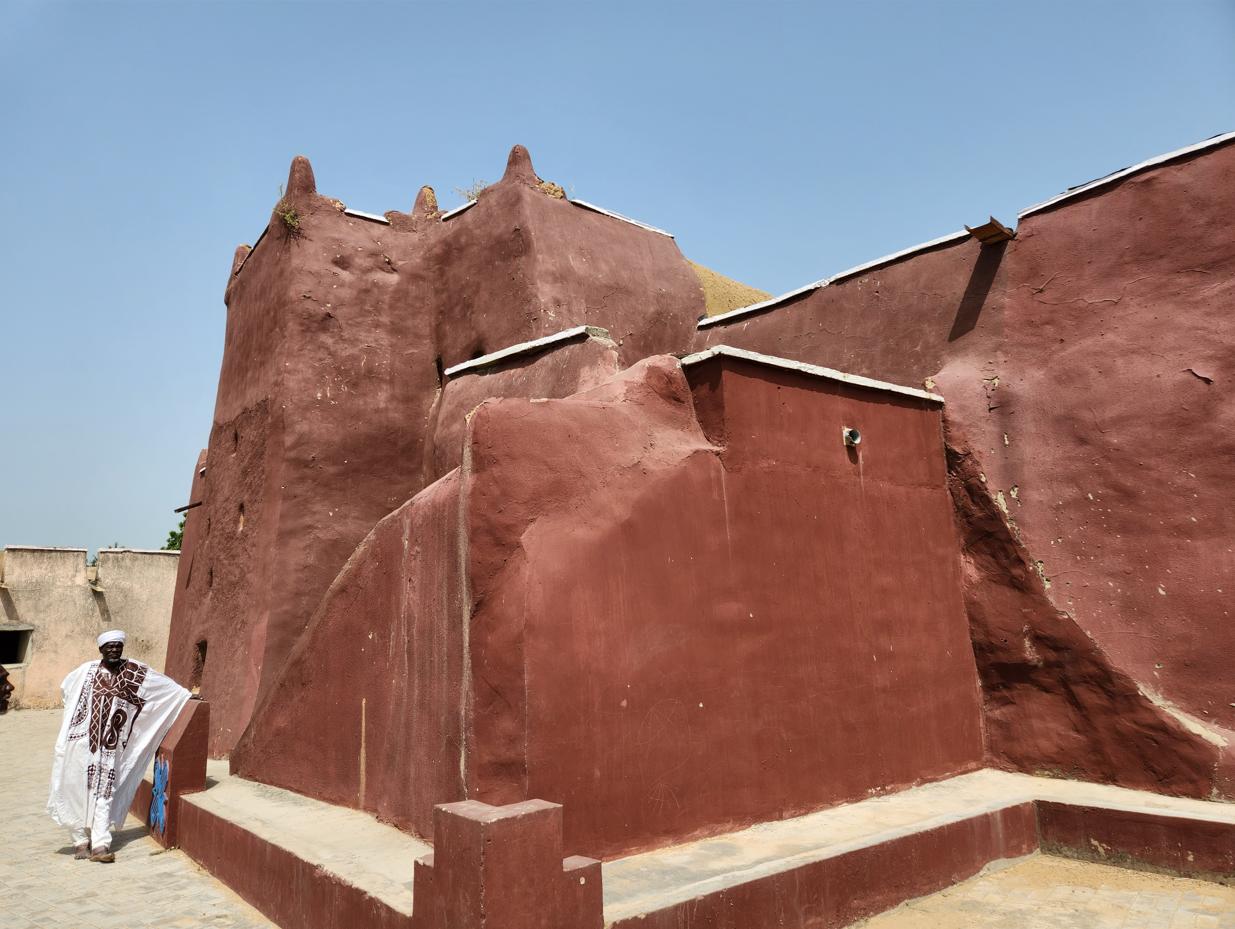
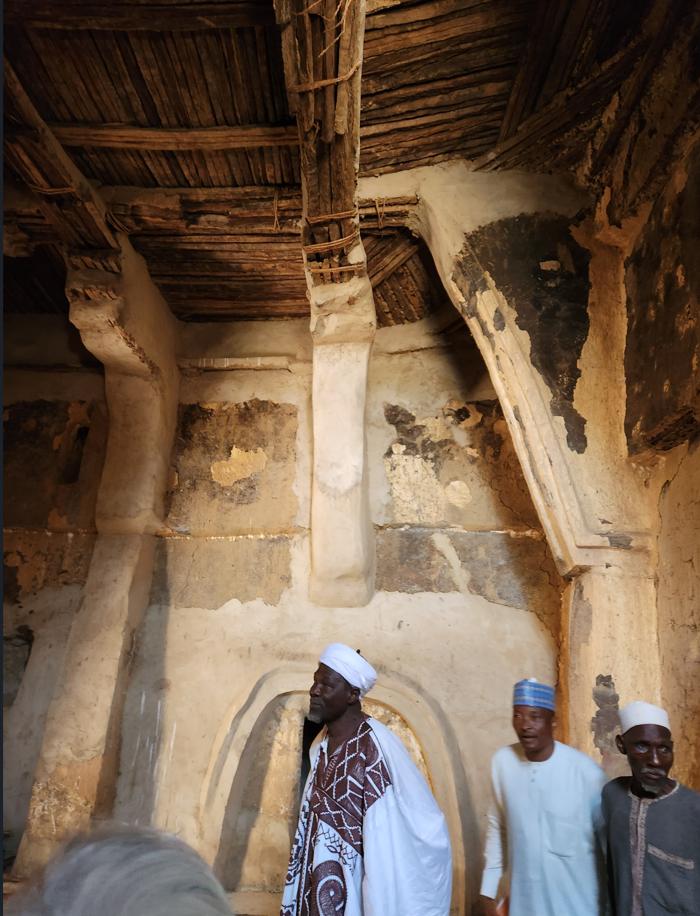
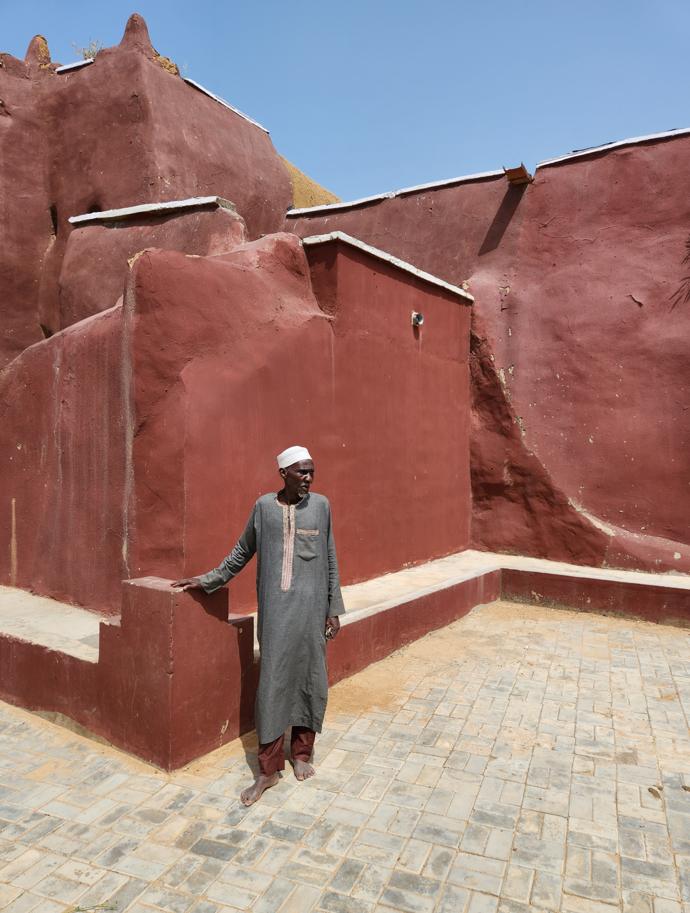
The exterior of the Gidan gives little away. Its walls are the deep terracotta-red of Sahelian mud-brick, massive and rounded at the corners in the way that load-bearing earthwork inevitably rounds when it has been standing for a century and a half, the surface repaired and re-plastered enough times to have lost any sharp edge the original construction may have had. One enters low, through a doorway scaled to discourage mounted assault rather than to welcome guests, the leather-covered door — rare for buildings of the period, the guides point out — swinging heavy on its hinges. Inside, the air changes. The barrel-vaulted reception chamber is cool in the way that thick mud-brick walls are cool: not the mechanical coolness of conditioned air but something older, a temperature that the building has been maintaining since before anyone present was born. The vaults spring from thick column-piers, their surfaces plastered smooth and painted with geometric bands in ochre and white. High up, narrow apertures admit light in angled shafts. The overall effect is of a space that has been thinking about itself for a long time and arrived at its current form with considerable deliberation.
Ornate Gidan Hallway
Interior structural arc
Ornate ceiling painting detail
Emir portrait inside Gidan

The Formal Audience Chamber

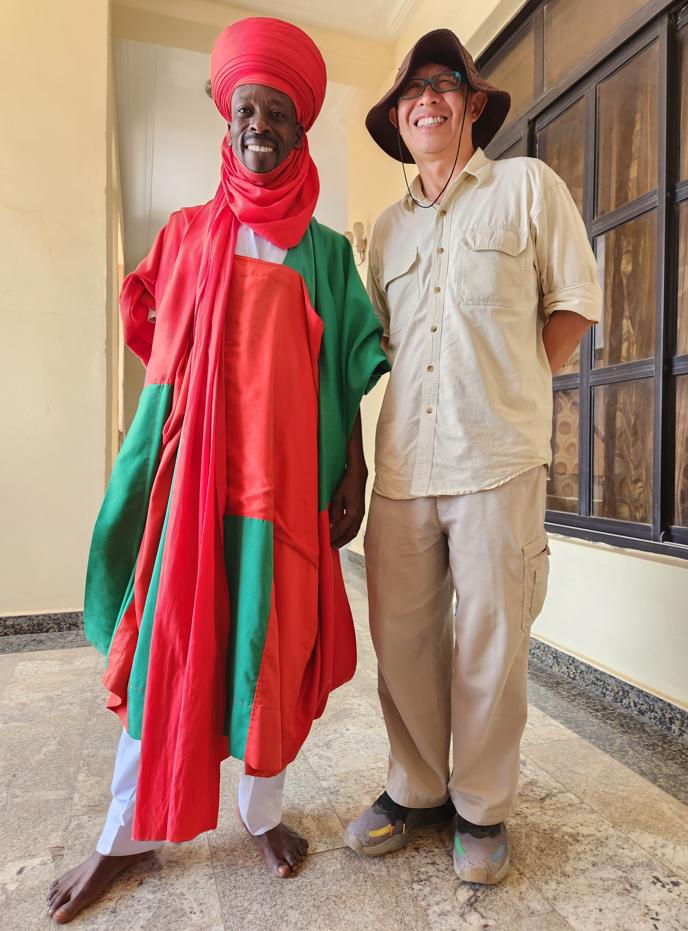
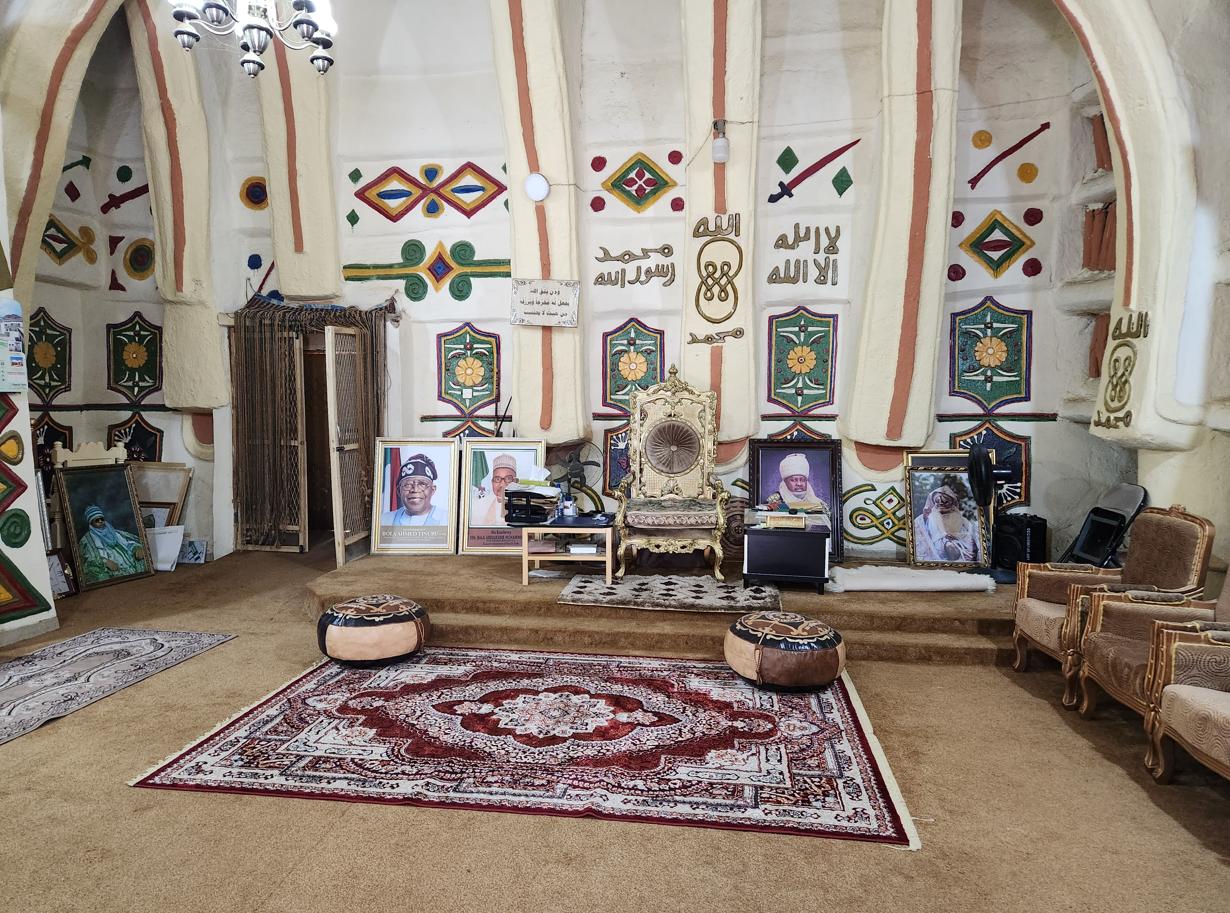
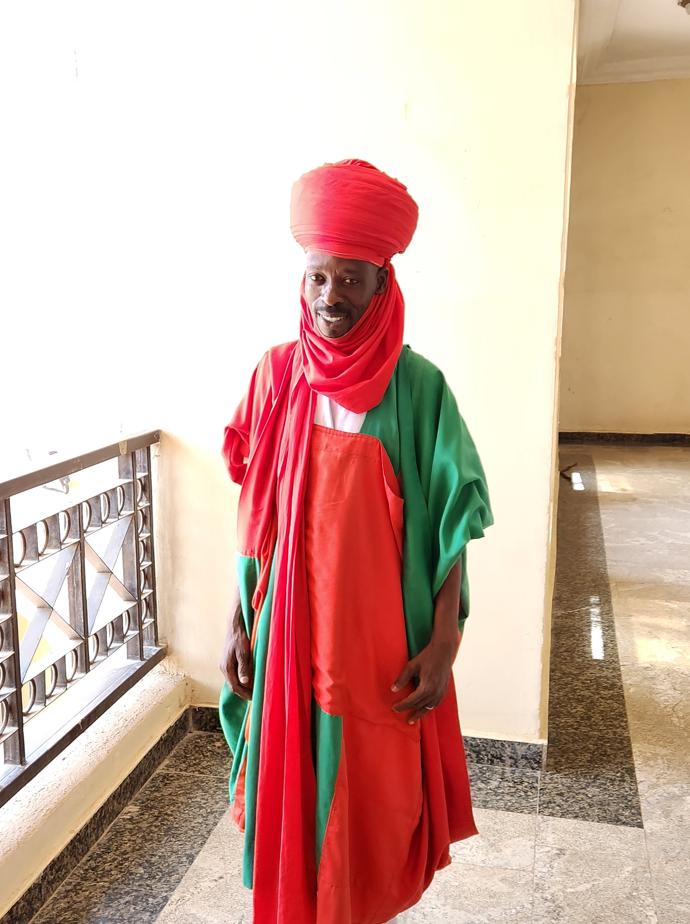
The audience chamber beyond is the building’s formal heart. A gold throne chair sits on a low platform beneath a chandelier, framed by framed photographs of the current Nigerian president and the Emir of Bauchi on either side — the constitutional order stated in portraiture, as it is in every such room in the north. Quranic inscriptions in gold Arabic calligraphy run across the wall above: the shahada, the profession of faith, rendered in a hand large enough to be read from the far end of the room. The geometric wall paintings that fill the remaining surfaces — diamonds, chevrons, interlocking forms in red, blue, and white on the cream plaster — are in the Hausa tradition but applied to a space that also contains a chandelier and fitted carpet, the centennial and the contemporary sharing a wall without apparent tension. The Madaki of Bauchi received us here, a dignified figure in magnificent orange robes, and delivered a welcoming address of considerable formal elegance before conducting us through the building himself.

Zul villagers
Zul ritual mirrors
Zul drum beaters
Dancing rhythm
Village elders assembled
Traditional horn player

To the Foothills of Toro

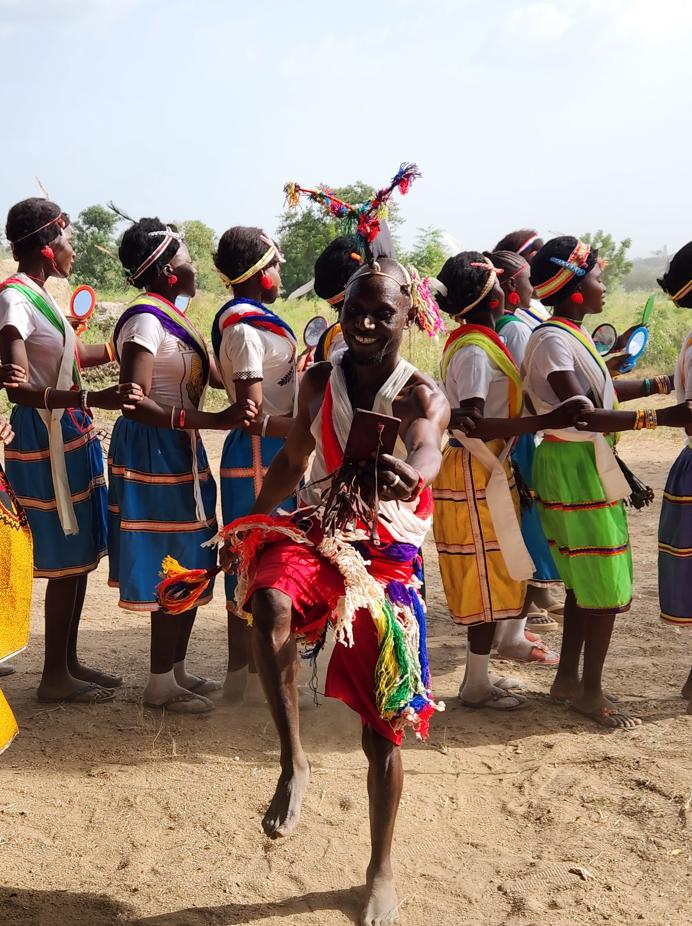
That afternoon, on Leonardo’s instigation and with the Bauchi Emir’s representatives having arranged it with characteristic efficiency, we drove west of the city toward the rocky foothills between Toro and Zaranda to visit the Zul — a small farming people numbering around four thousand, a subgroup of the Gezawa, whose existence sits almost entirely outside the frame of reference that northern Nigeria presents to the outside world.

The Zul Farmers

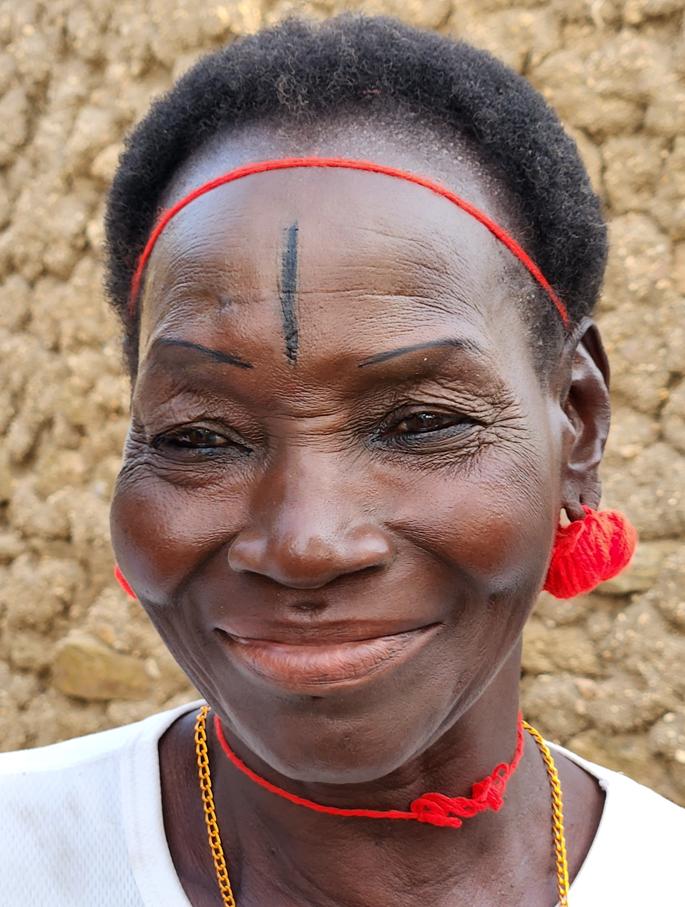
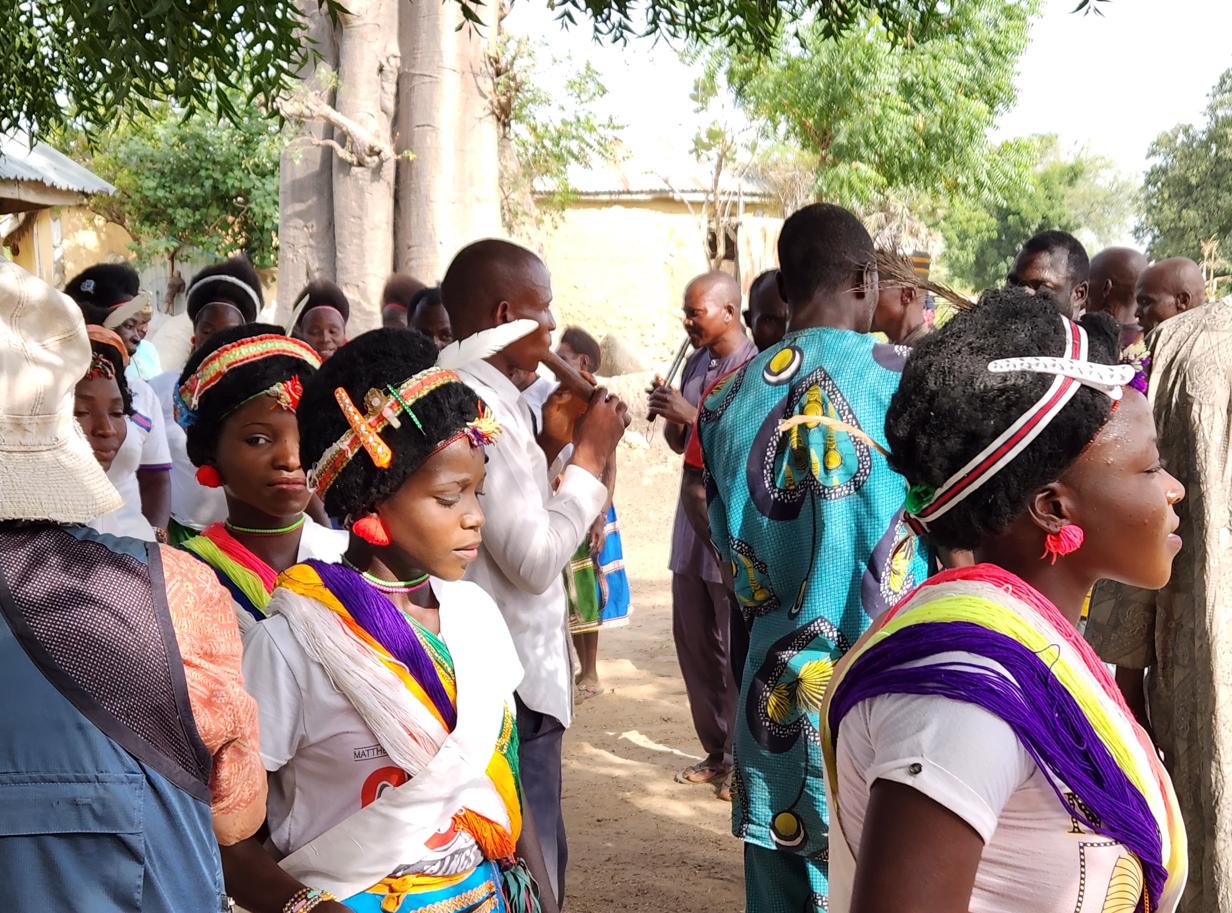
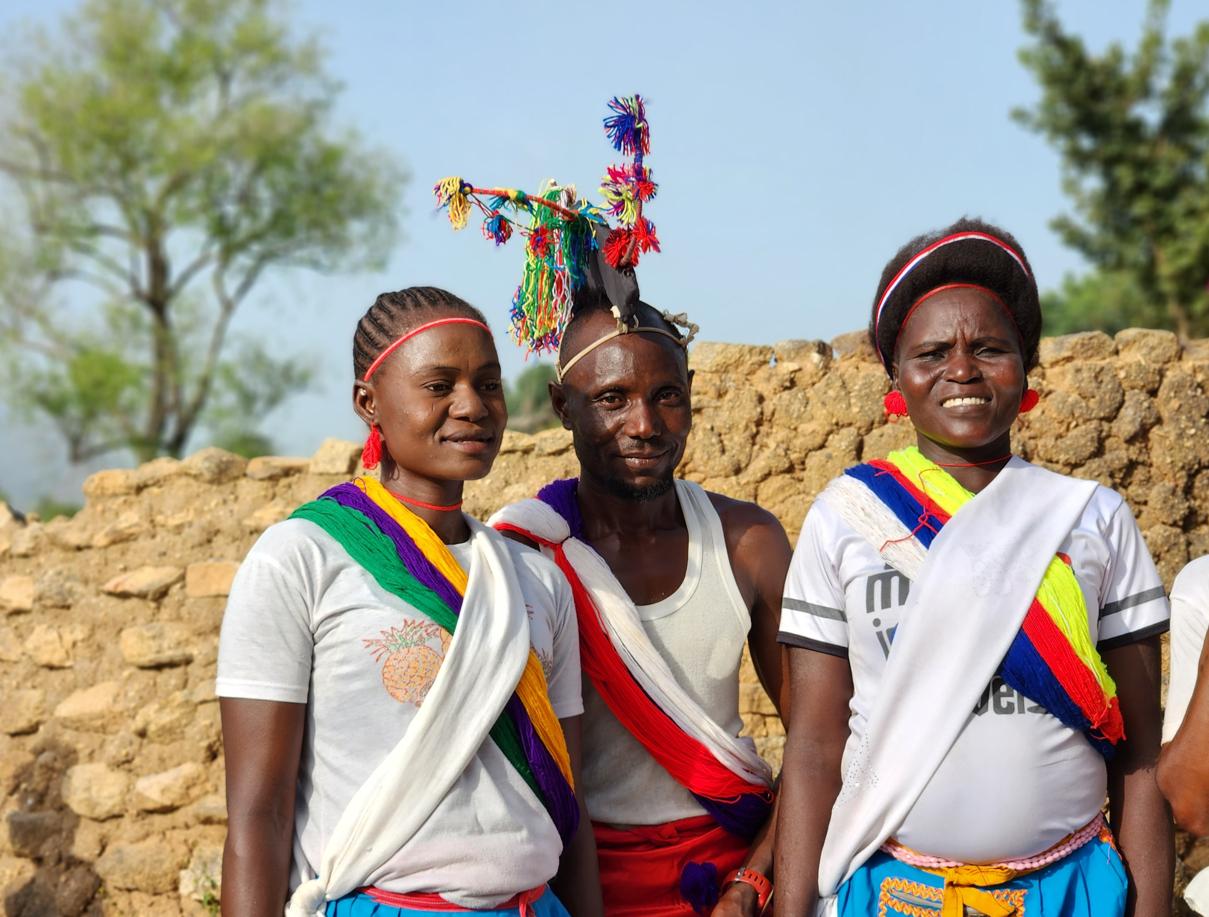
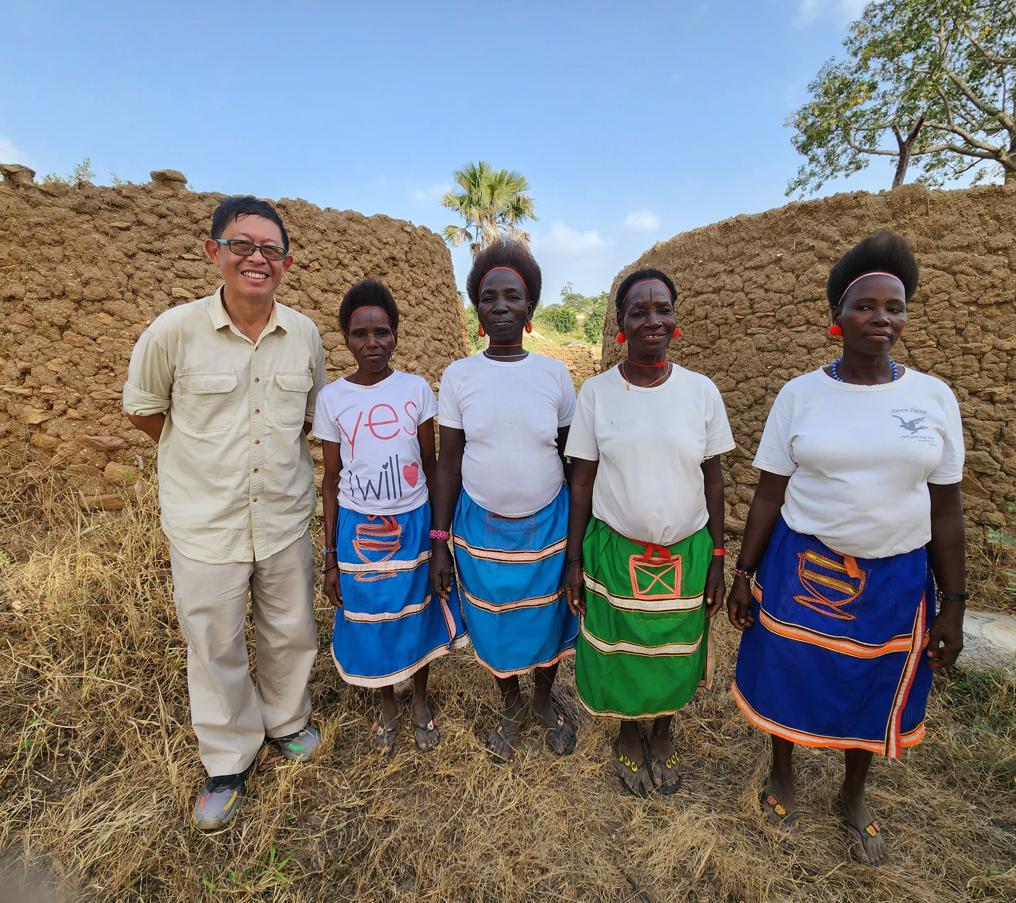
The Zul are farmers: millet, guinea-corn, groundnuts, yams, some cattle. They are Christian — converted by missionaries, in a state whose population is roughly eighty-five percent Muslim — and their older generation still observes the pre-Christian religious practices alongside the newer faith, which is a common enough accommodation in the region and one that organised religion tends to regard with more anxiety than the practitioners themselves. They were originally a mountain people, living in the upland terrain around Zaranda and Geji before British colonial administration brought them down to the plains, an act of administrative tidiness that also began the erosion of much that made them distinct. The lip piercings — round discs or white wood inserted into the upper and lower lip — ended in the early 1960s. The facial tattoos, diagonal stripes on both cheeks, lasted a decade longer. One still occasionally sees the tattoos on older women. The language, Zul, was reported for decades to be dying; more recent evidence suggests it has more speakers and more vitality than the pessimists assumed.

Zul facial tattoo profile
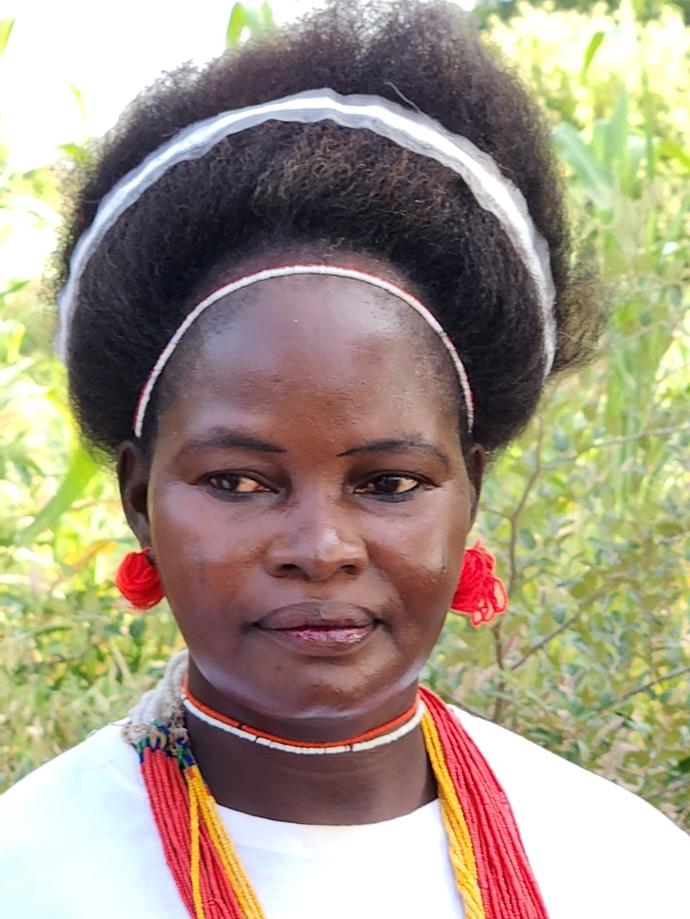
Zul elder close-up
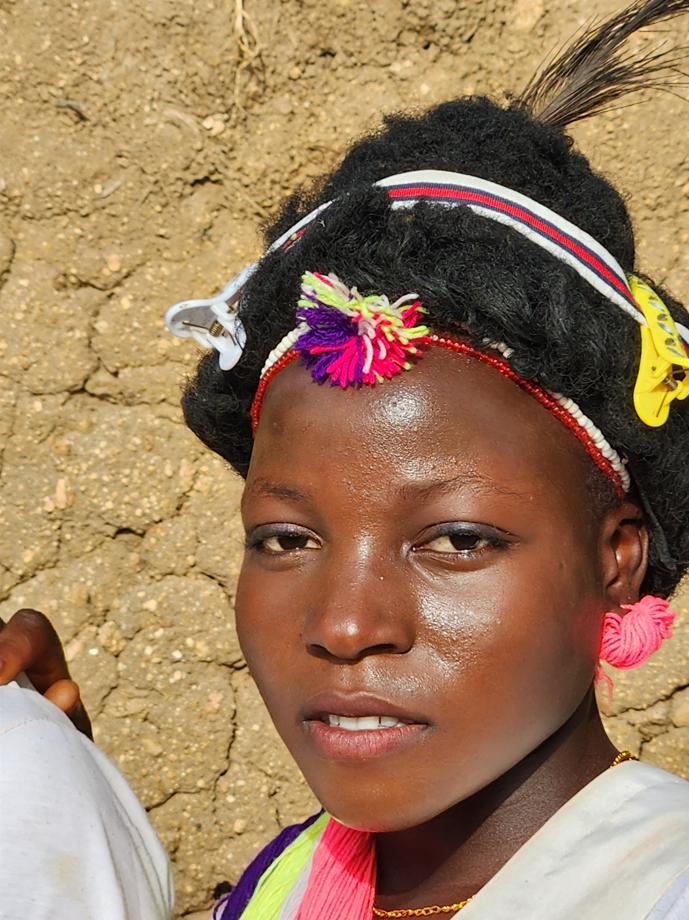
Tribal body decoration
Traditional dance step Tribal hand mirrors catching light Zul community gathered
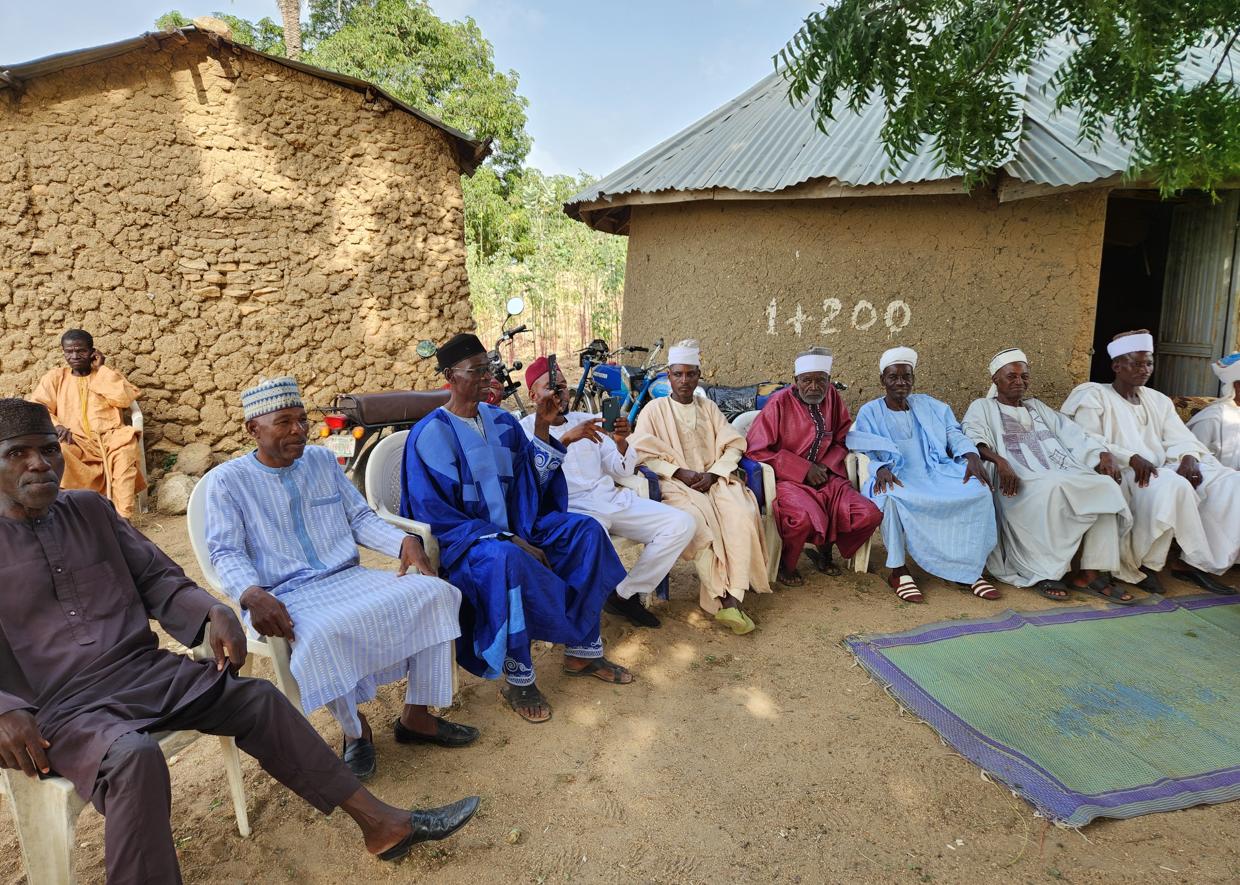
Elders sitting against mud wall Dancers spinning around
Close-up of traditional flutes Mirrors and blue wrap skirts

The Dance of the Blue Skirts

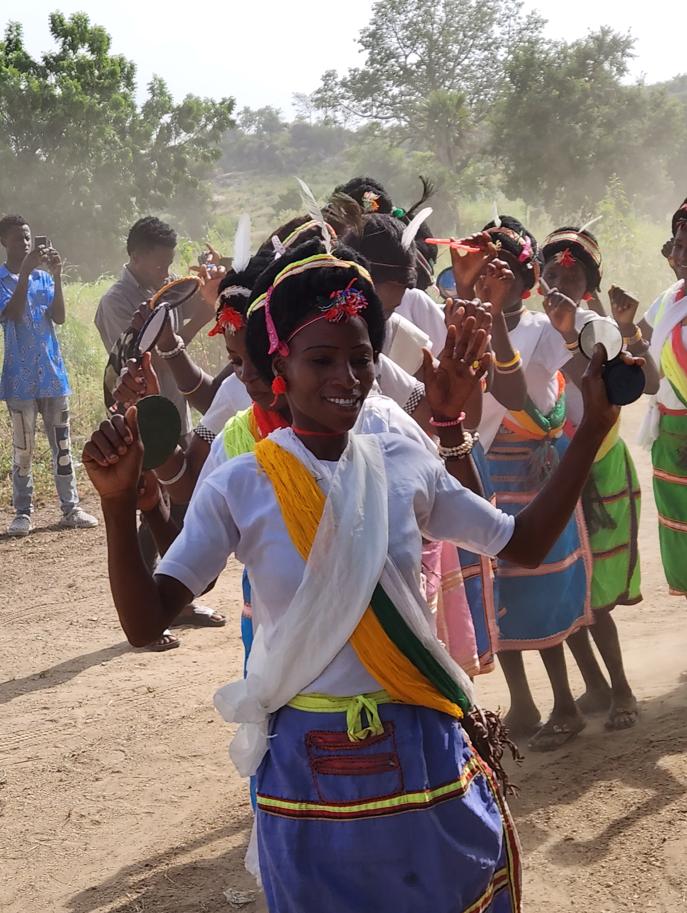
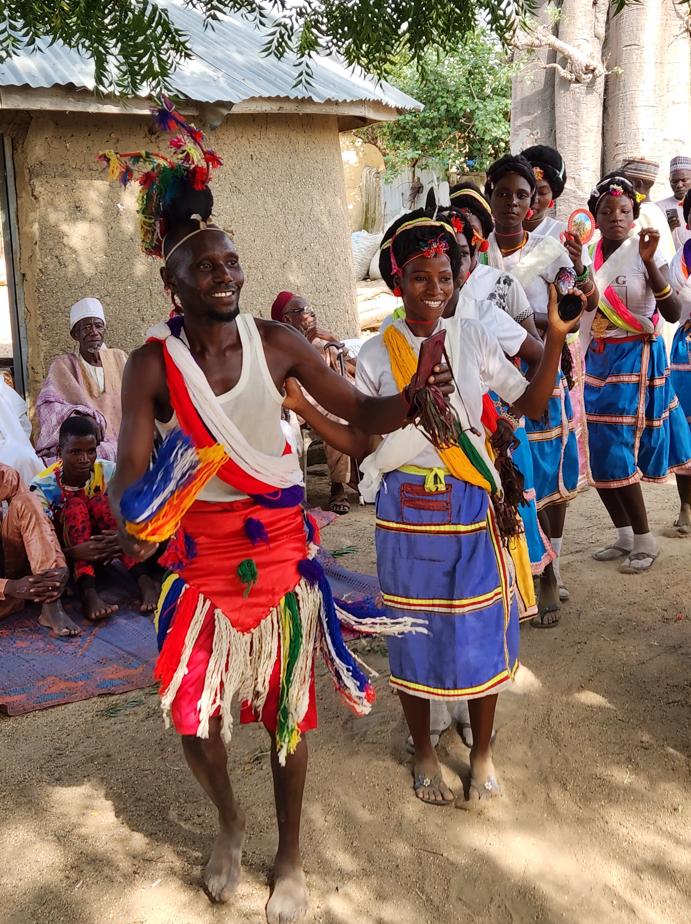
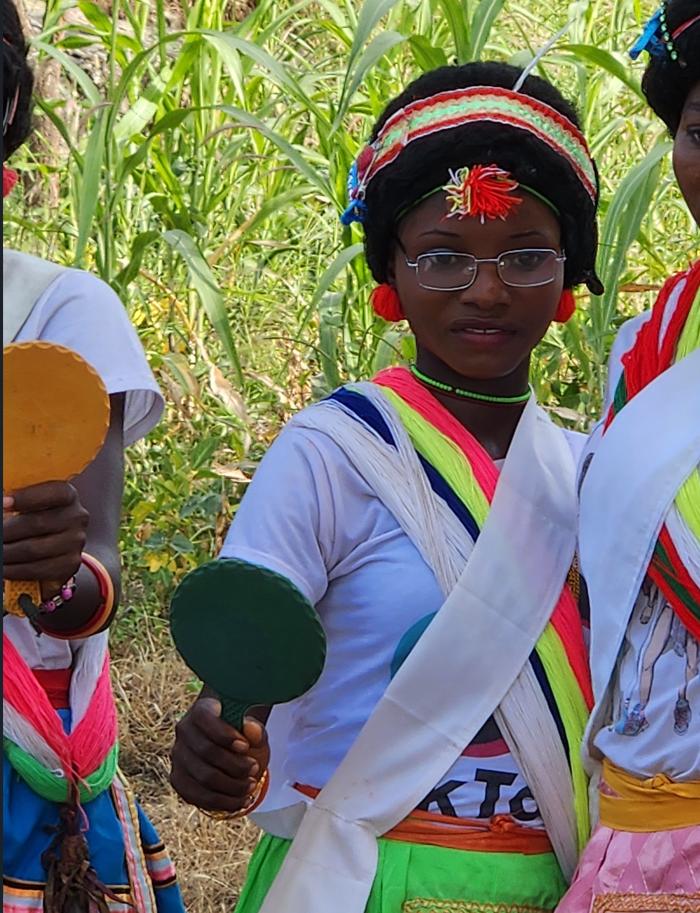
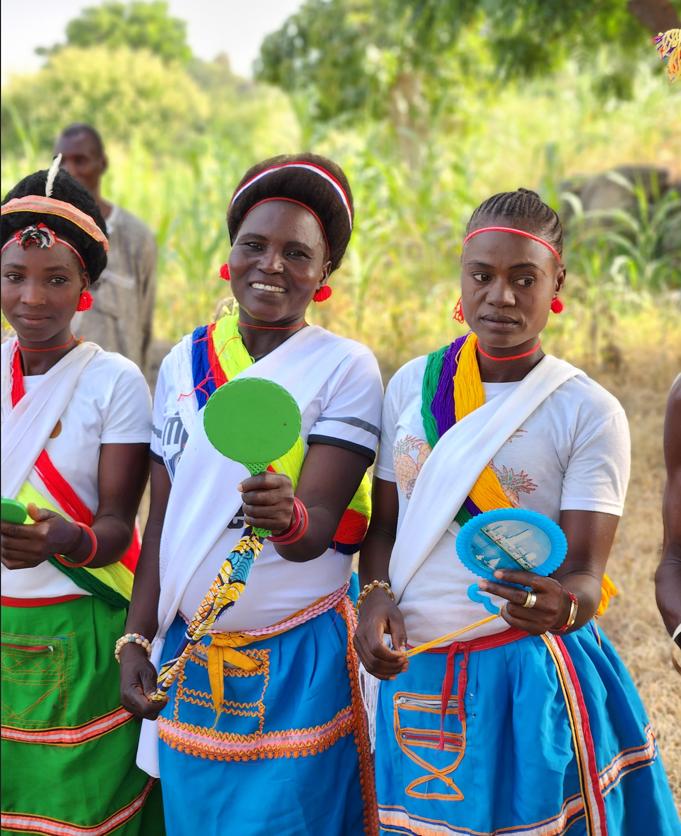
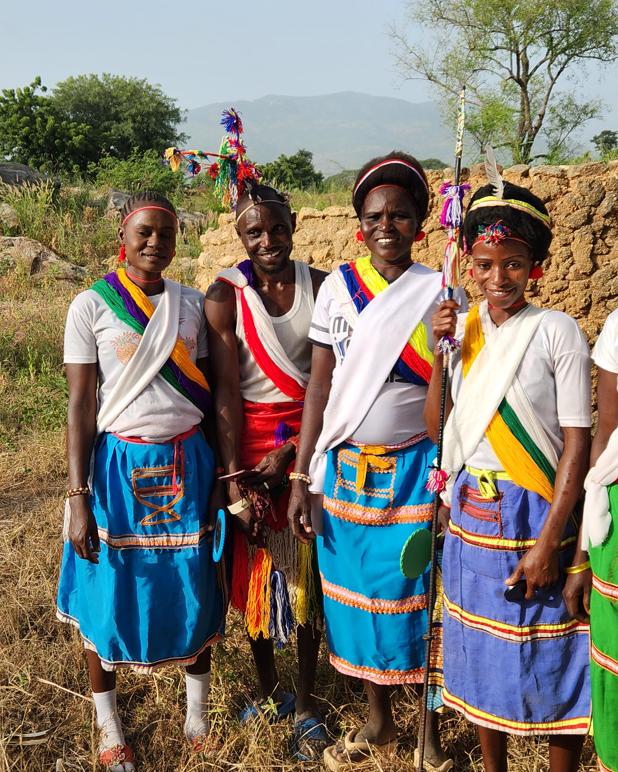
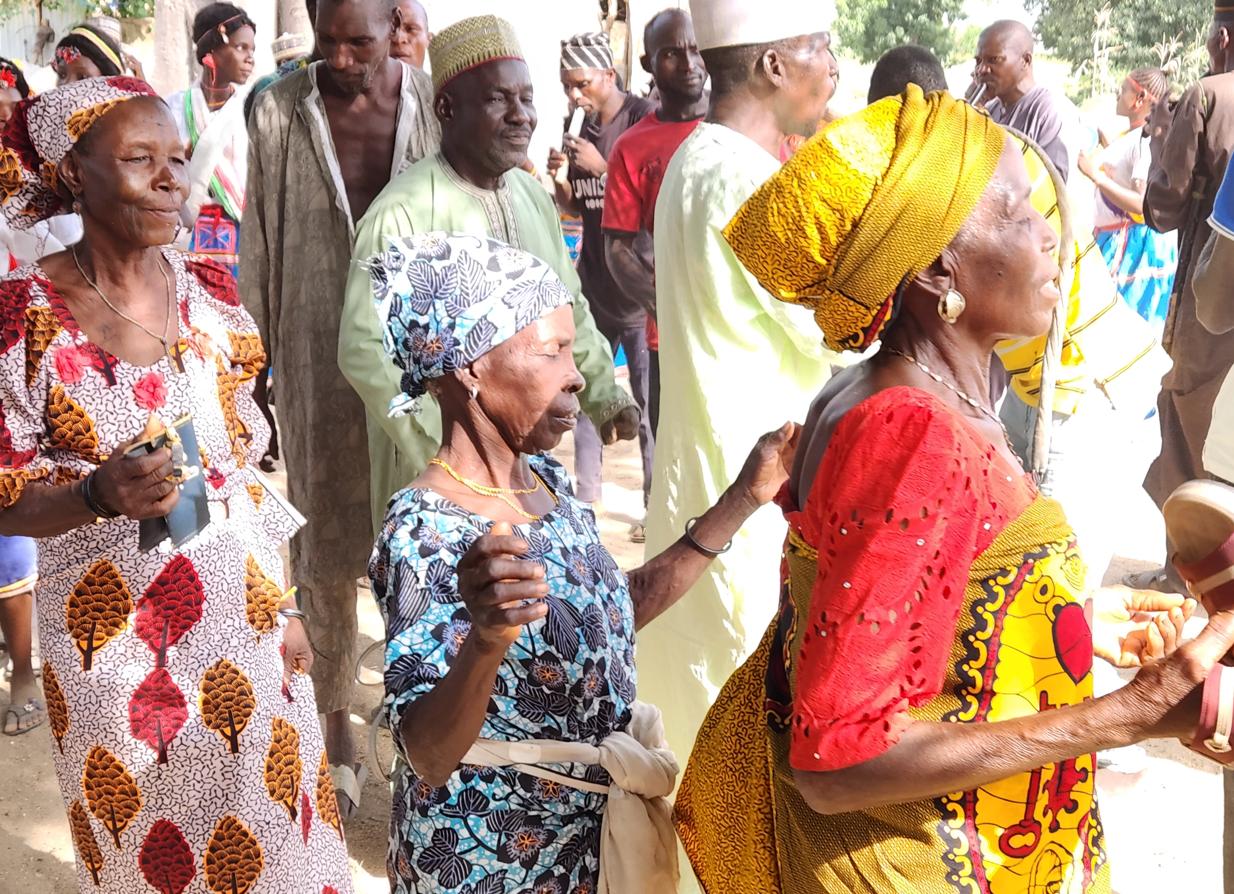
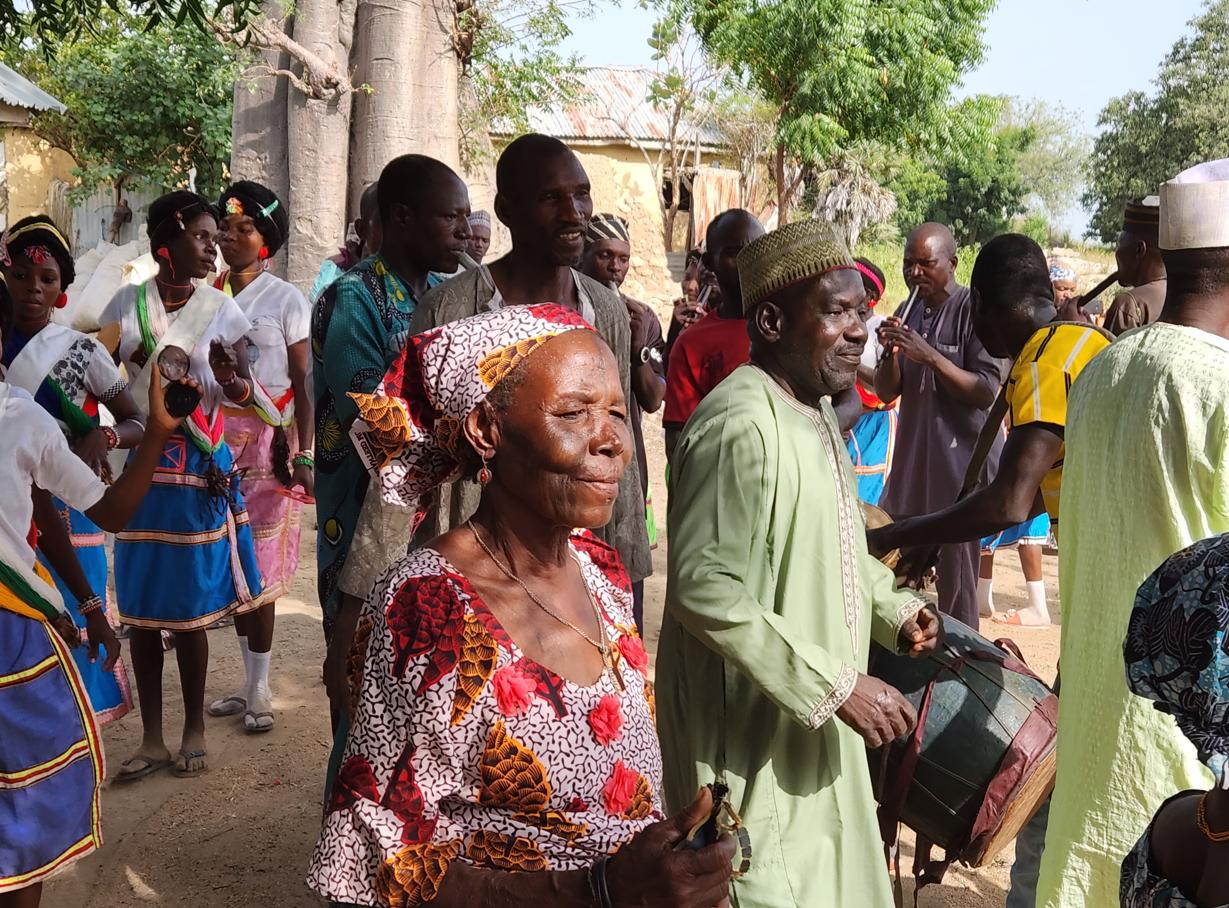
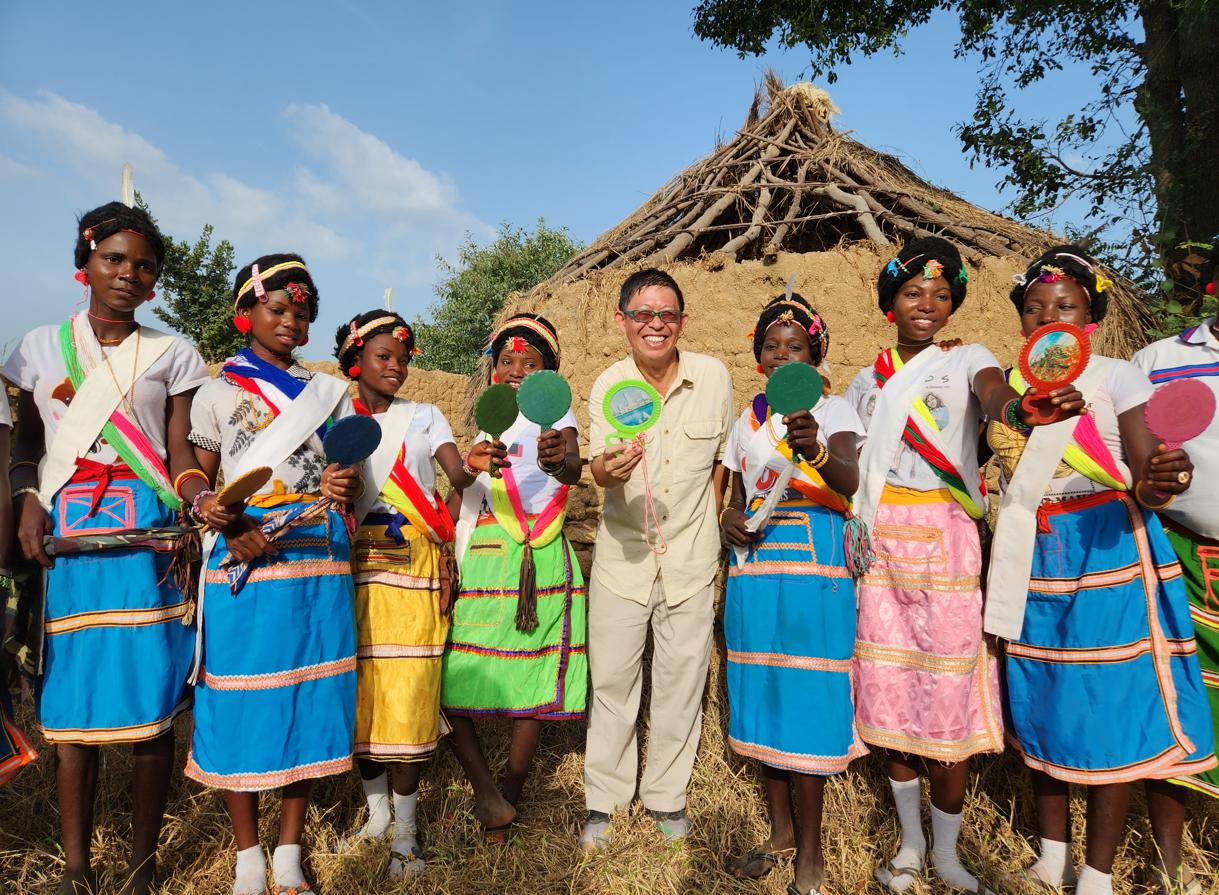
They were waiting for us on the road into the village, the women already dancing. The dancers wore bright blue wrap skirts over white tops, their waists crossed with coloured sashes, small round mirrors — green, red, yellow — held out in one hand as they moved. The mirrors caught the late afternoon light and sent it back in flashes. The dance had the quality of something organised at short notice for visitors and simultaneously entirely genuine: the younger women moved with the self-consciousness of performance, the older ones with the ease of people for whom this is simply how one celebrates an arrival. Long flutes provided the melodic line against a steady drum pulse; the footwork was grounded and precise, a shuffling rhythm punctuated by sharp shoulder movements. The village elders sat in a row on plastic chairs against a mud-brick wall, watching with the composure of men who have seen many dances and expect to see many more. On the wall behind them, someone had painted, in white lime, the numbers 1+200. I did not ask what it meant. Some inscriptions are better left as questions.

Nigeria Contains Multitudes

What the Zul represent, within the larger frame of a journey through Nigeria’s north, is the north that the north’s own dominant narrative tends to omit. The story of the Sokoto Caliphate — of the jihad, the emirate system, the trans-Saharan trade, the Hausa-Fulani political culture that still shapes this region — is a story of conquest and consolidation, and like all such stories it has a residue: the peoples who were there before the jihad swept through, who converted or resisted or retreated to the mountains and came down only when the colonial administration told them to. The Zul are that residue, one of fifty-five distinct ethnic groups that the Bauchi Emirate absorbed into its territorial domain over the course of the nineteenth century, technically its subjects, administered through the emirate’s district head system, their dance today arranged through the Emir’s office. Four thousand people on the plains between Toro and Zaranda, dancing for a group of foreign tourists arranged by the Emir’s office, their mirrors flashing in the afternoon sun. Nigeria contains multitudes. Most of them are not in the guidebooks.

Launch to Epilogue: Ten Days

If You Like This Website...