Chapter 8: Dutse & Jigawa: The New World (Part I) - The Fulanis & Wetland Traditions
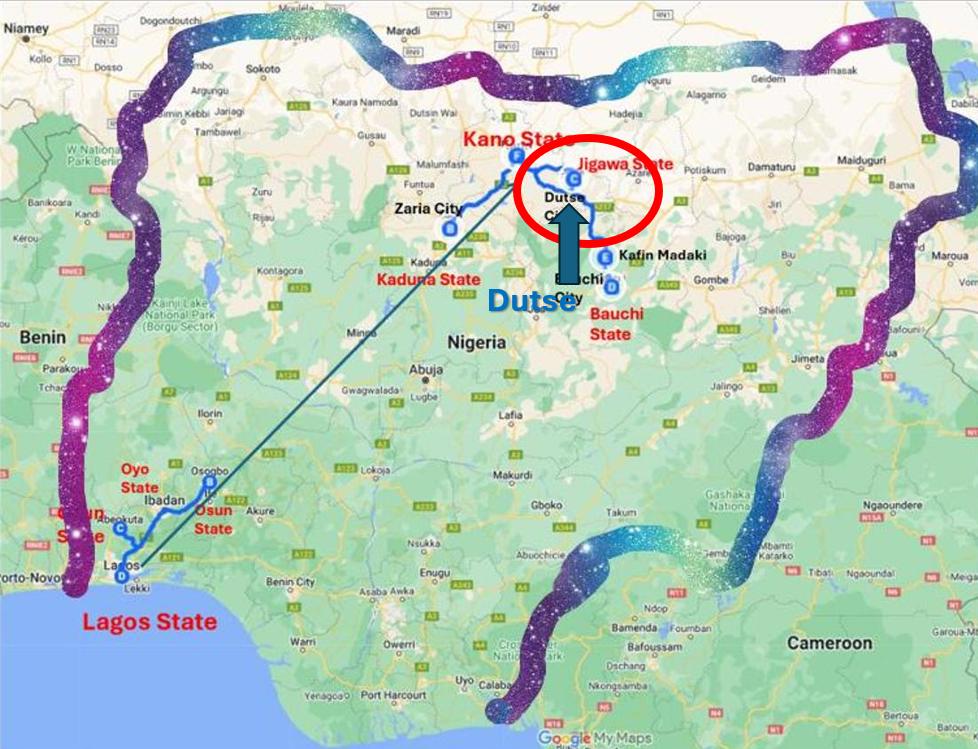
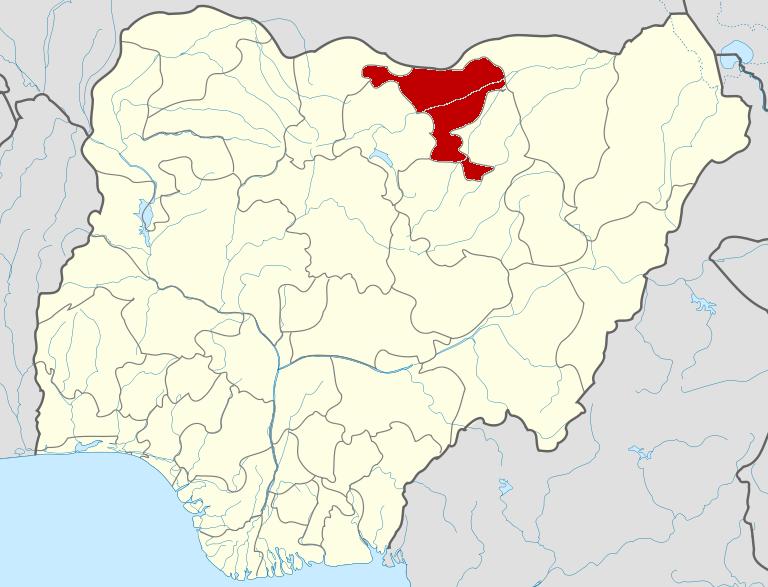
The road east from Kano passes through a landscape that flattens and dries by degrees, the vegetation thinning from the modest trees of the Kano plain to the scattered acacias and scrub of the Sahel margin. Dutse, capital of Jigawa State, is a small city by Nigerian standards — perhaps 150,000 people — that styles itself the New World, a motto whose optimism seems deliberate in a state that has historically been among the poorest in the federation. The title of New World was also, I could not help noting, the name given to the Americas by Europeans encountering them for the first time: a designation that says less about the place than about the naming party’s conviction that they have arrived somewhere previously unknown.
The Fulani & Their Zebus
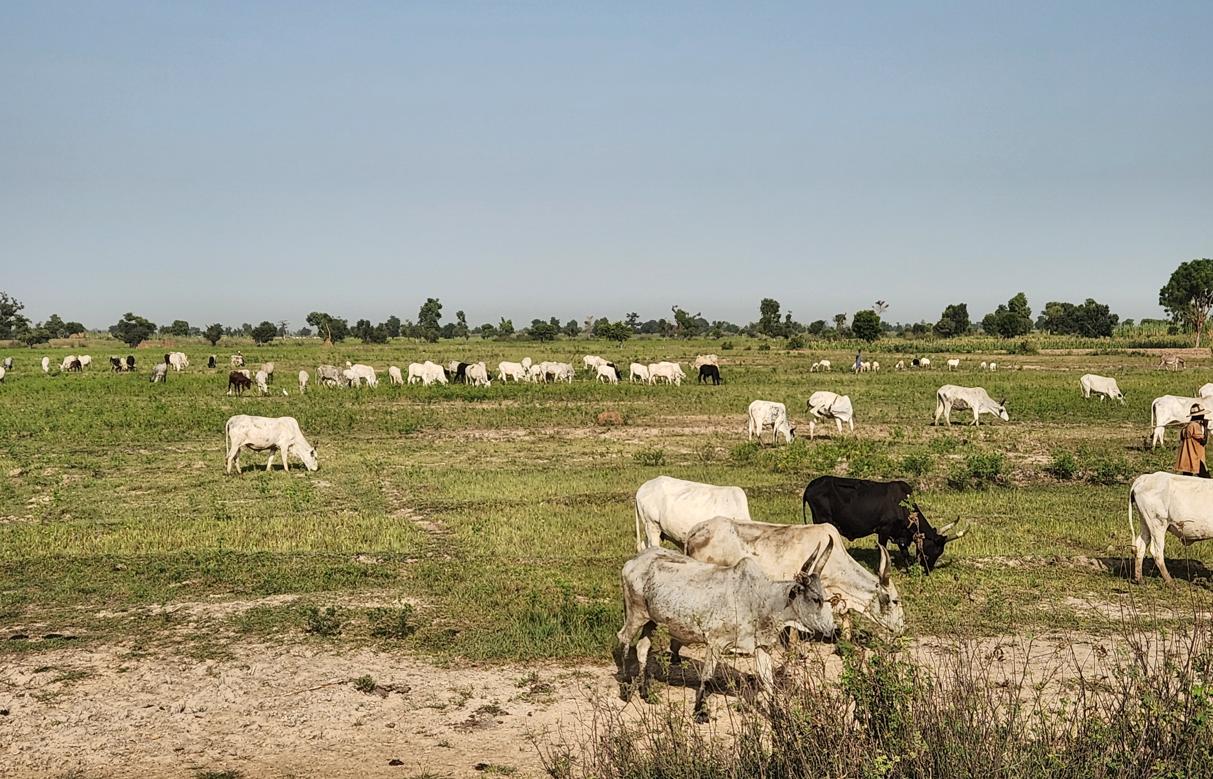
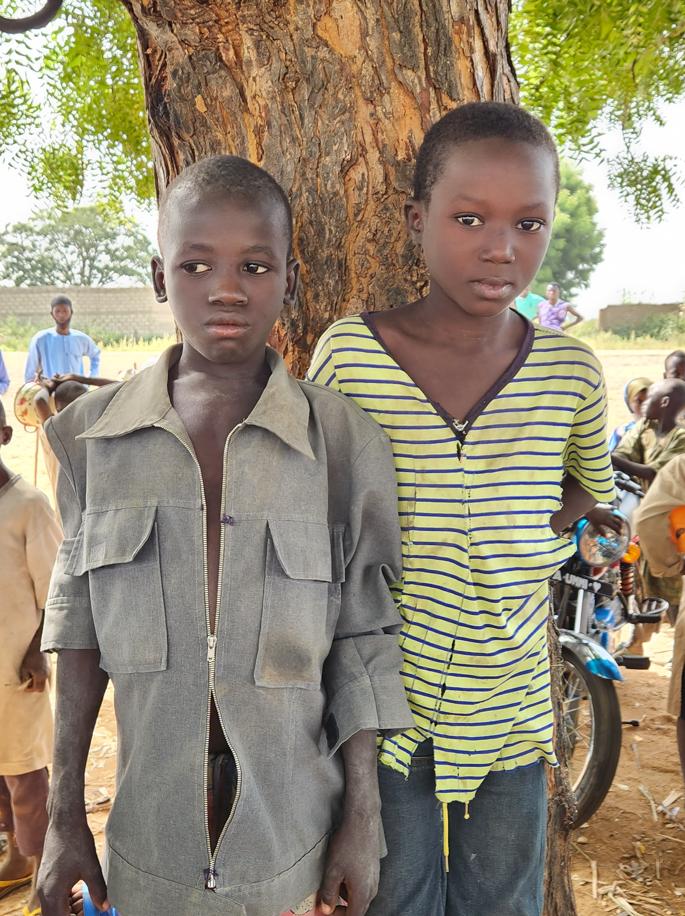
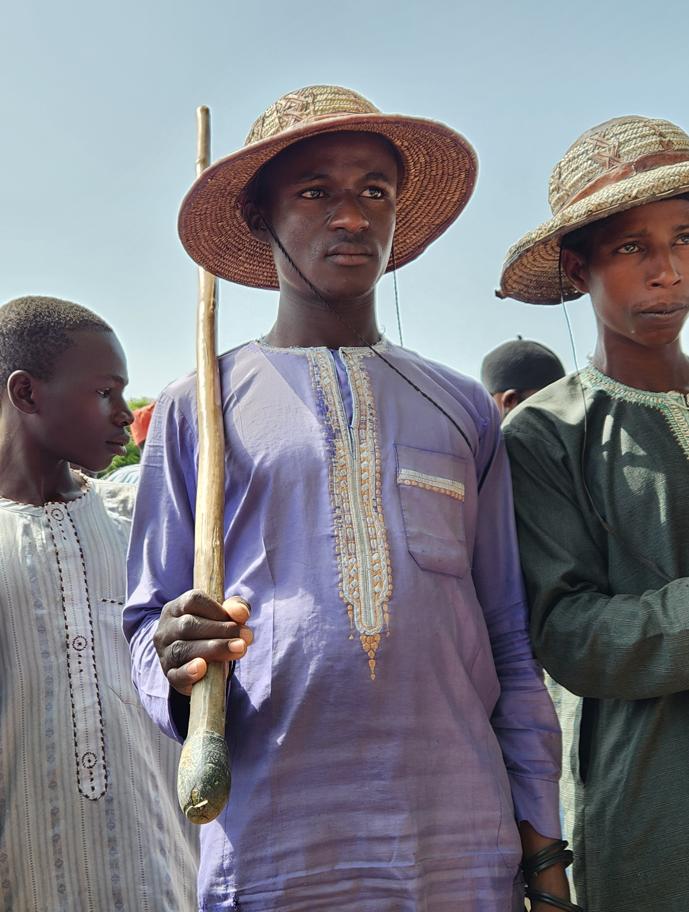
Somewhere on the road between Kano and Dutse, we stopped for a Fulani band we had spotted by the roadside. The Fulani — also known as the Fula— are among the most widely dispersed peoples in the world, numbering somewhere between twenty-five and thirty million across the Sahel and West Africa, from Senegal to Sudan, with significant communities in northern Nigeria, Niger, Mali, Guinea, and Cameroon. They are almost entirely Muslim, bound together by language and culture across this vast geographical range. Estimates suggest that a third of them — seven to ten million people — remain pastoralists, making theirs the largest nomadic pastoral community on earth.
In northern Nigeria, the Fulani carry a particular historical weight. It was the Fulani scholar and jihadist Usman dan Fodio whose early nineteenth-century jihad dismantled the old Hausa kingdoms and established the Sokoto Caliphate — the political-religious structure that reshaped the entire north and whose legacy endures in the emirate system we had been visiting all week. The court of Kano, the audiences in Zaria: all of them the inheritors of a transformation set in motion by a Fulani cleric two centuries ago. The Fulani who stopped their herds for us by the roadside were, in the most direct sense, the descendants of the people who made that history.
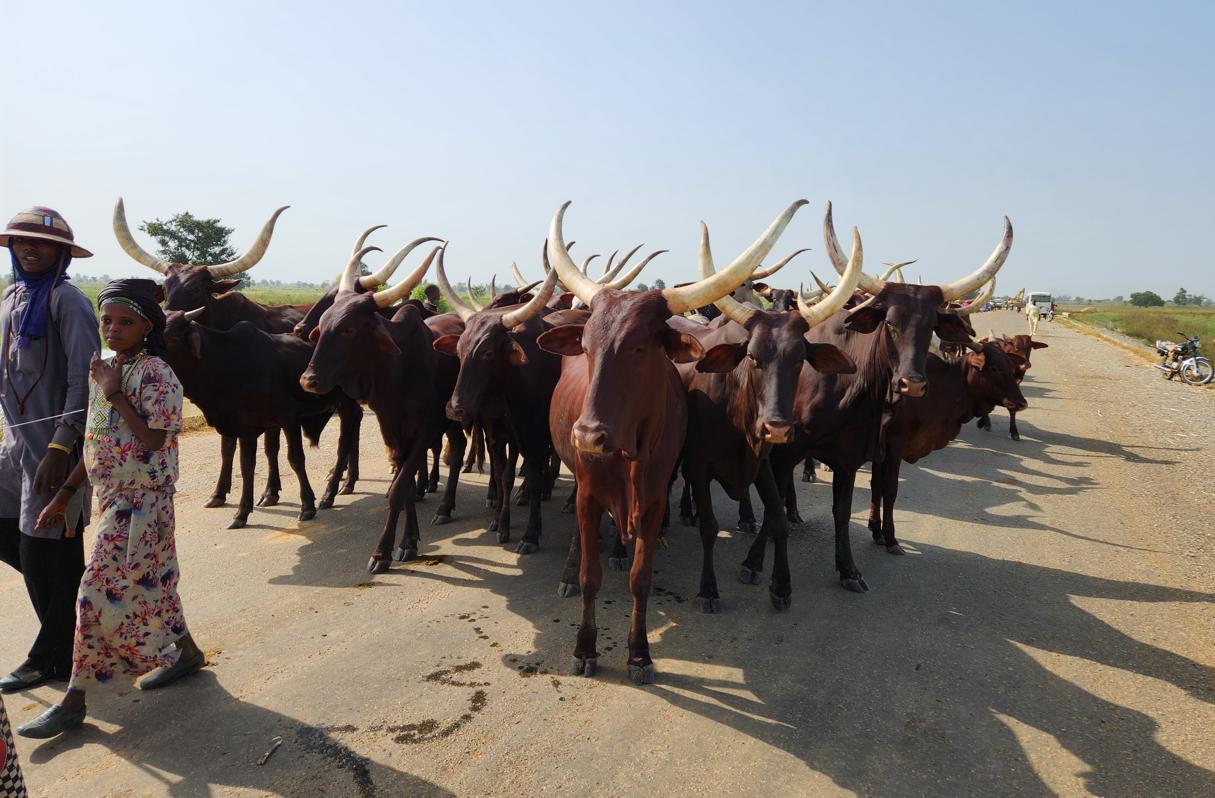
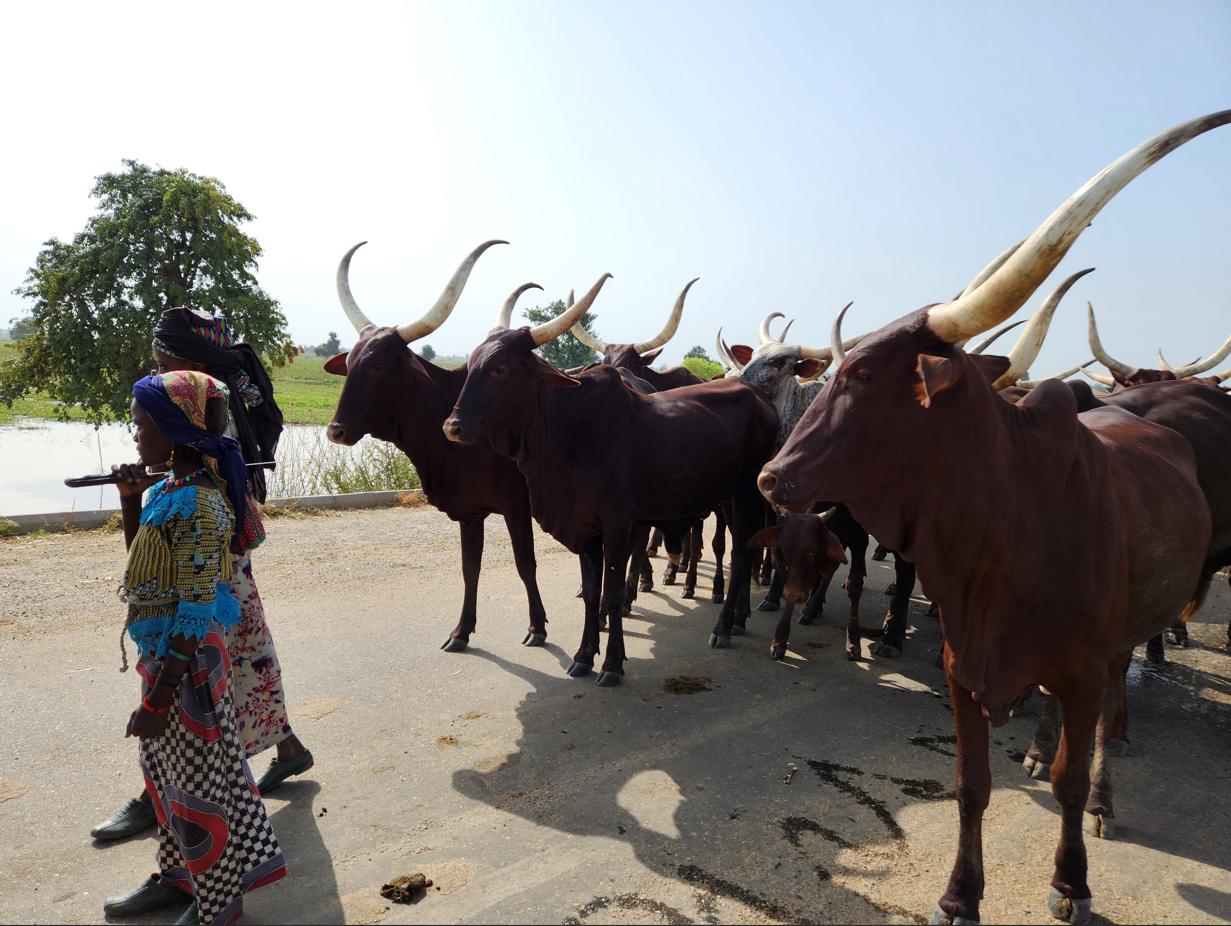
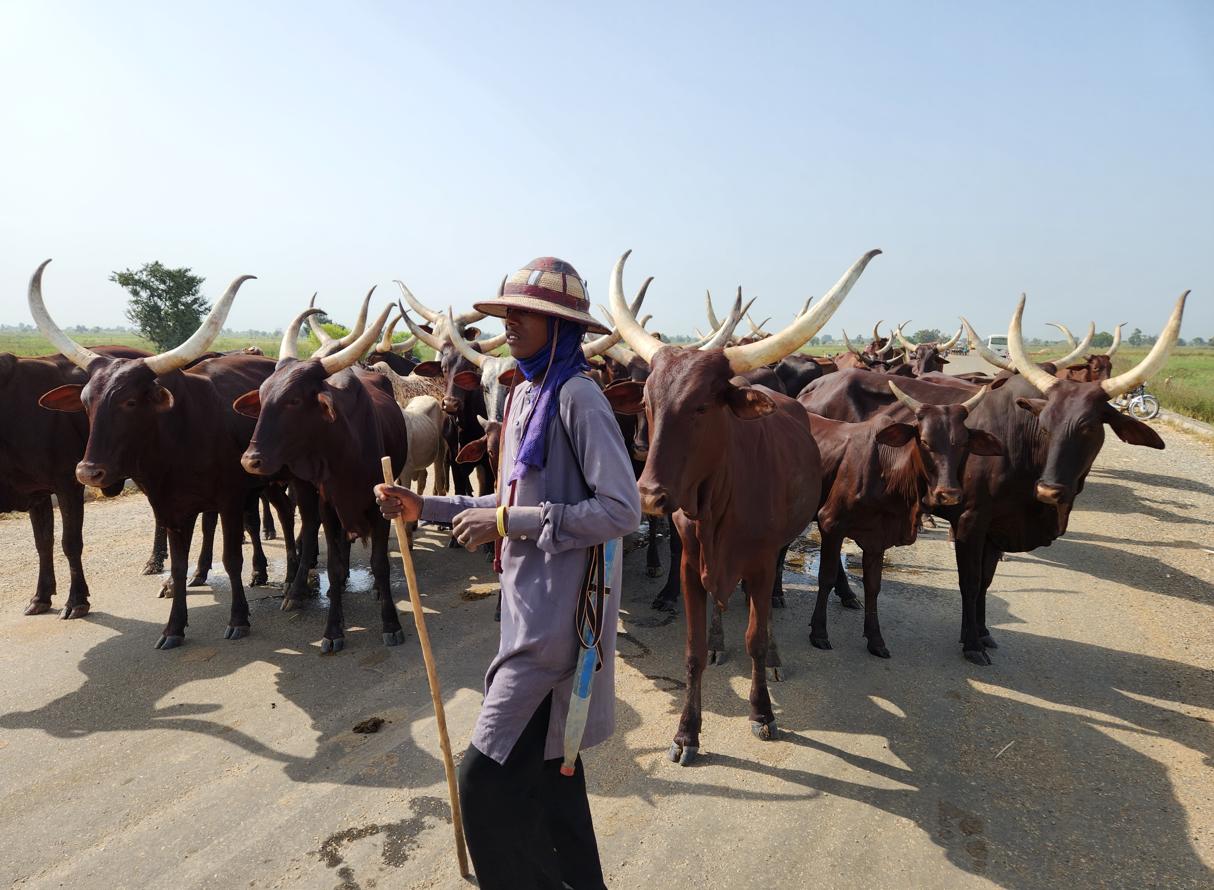
The group we met were pastoralists, their Zebu cattle — the long-horned White Fulani breed, the animals’ horns sweeping upward and outward to extraordinary spans — bunched along the tarmac while we pulled over. The young men wore the wide-brimmed woven straw hats that are the Fulani herder’s trademark across the Sahel, several carrying carved herding staffs and calabash bowls. They were entirely at ease with us — amused, curious, willing. Someone produced a drum and they danced, the performance neither solicited nor staged but offered with the open generosity of people who have nothing to prove and everything to share.
The Wetland Traditions
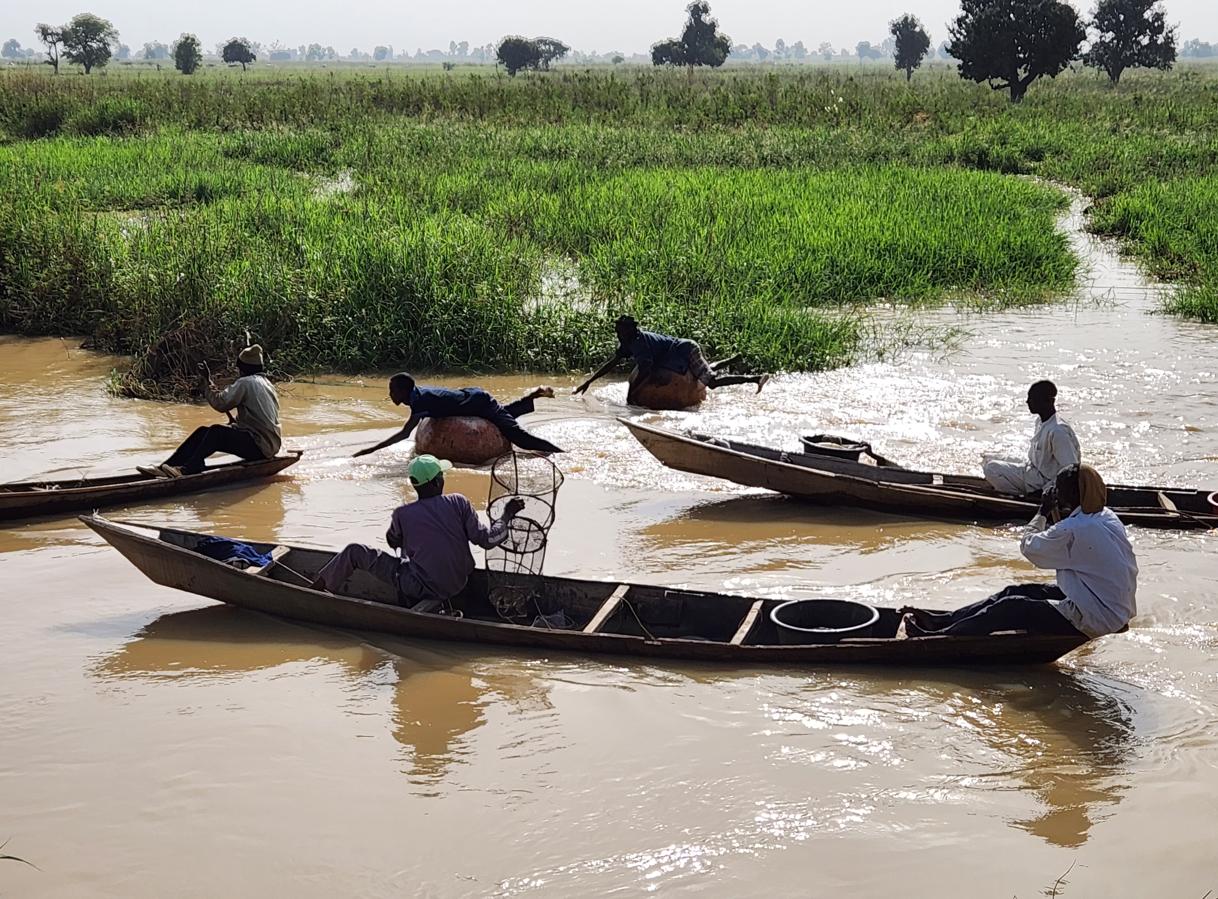
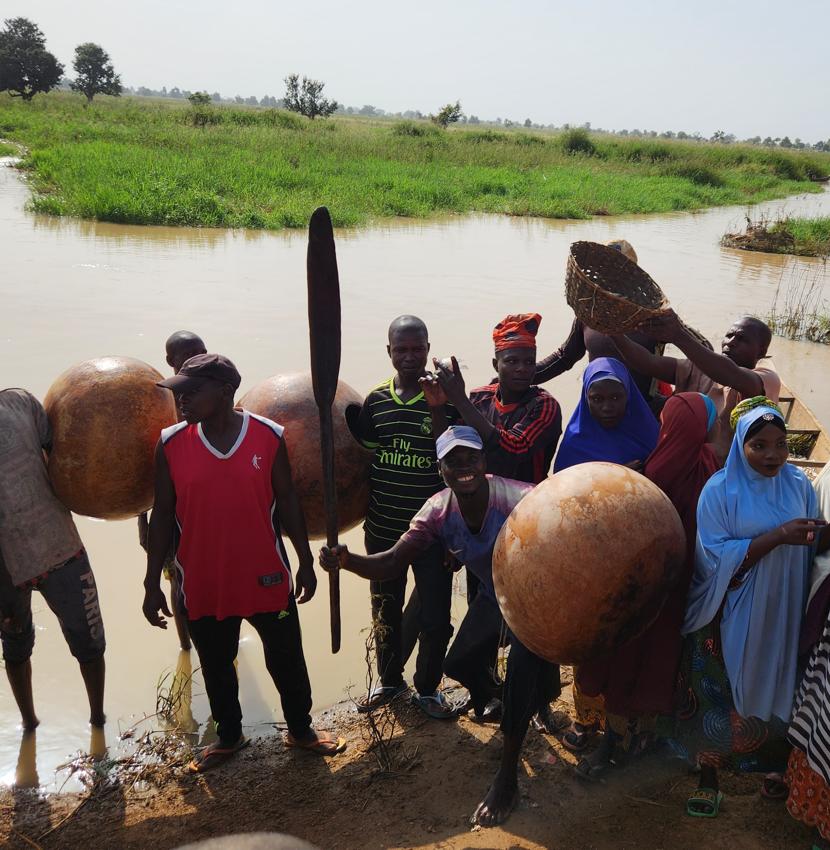
The wetlands came into view gradually: first flooded fields on either side of the road, then wider expanses of brown water pushing up against the tarmac, then the full breadth of the Hadejia-Nguru floodplains opening to the horizon. Jigawa is traversed by the Hadejia and Jama’are rivers, which flood annually and retreat, leaving behind nutrient-rich basins that have supported fishing communities for generations. The floodwaters in October were at or near their peak: the fields were gone beneath the surface, isolated trees stood half-submerged, and the road had become a causeway between sheets of water on which fishermen were already working.
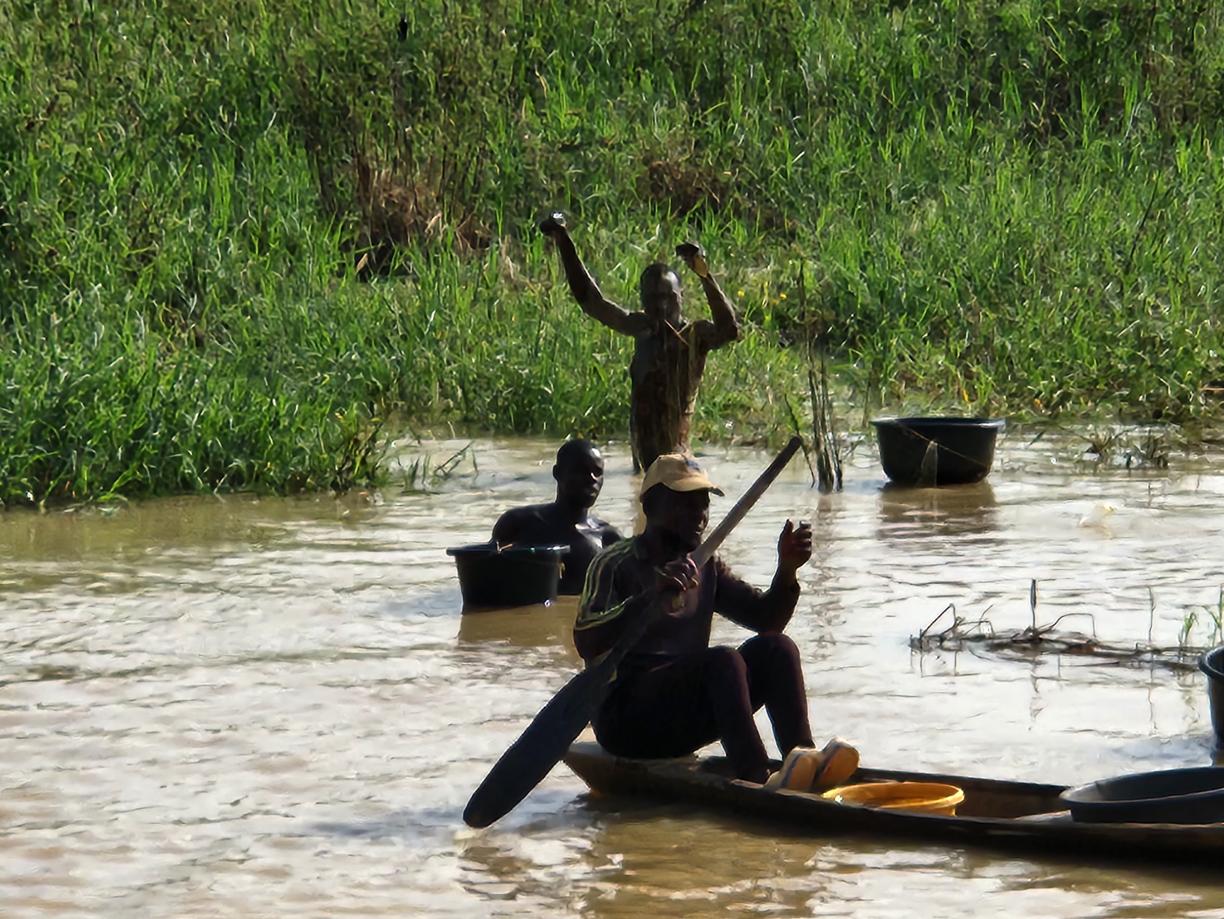
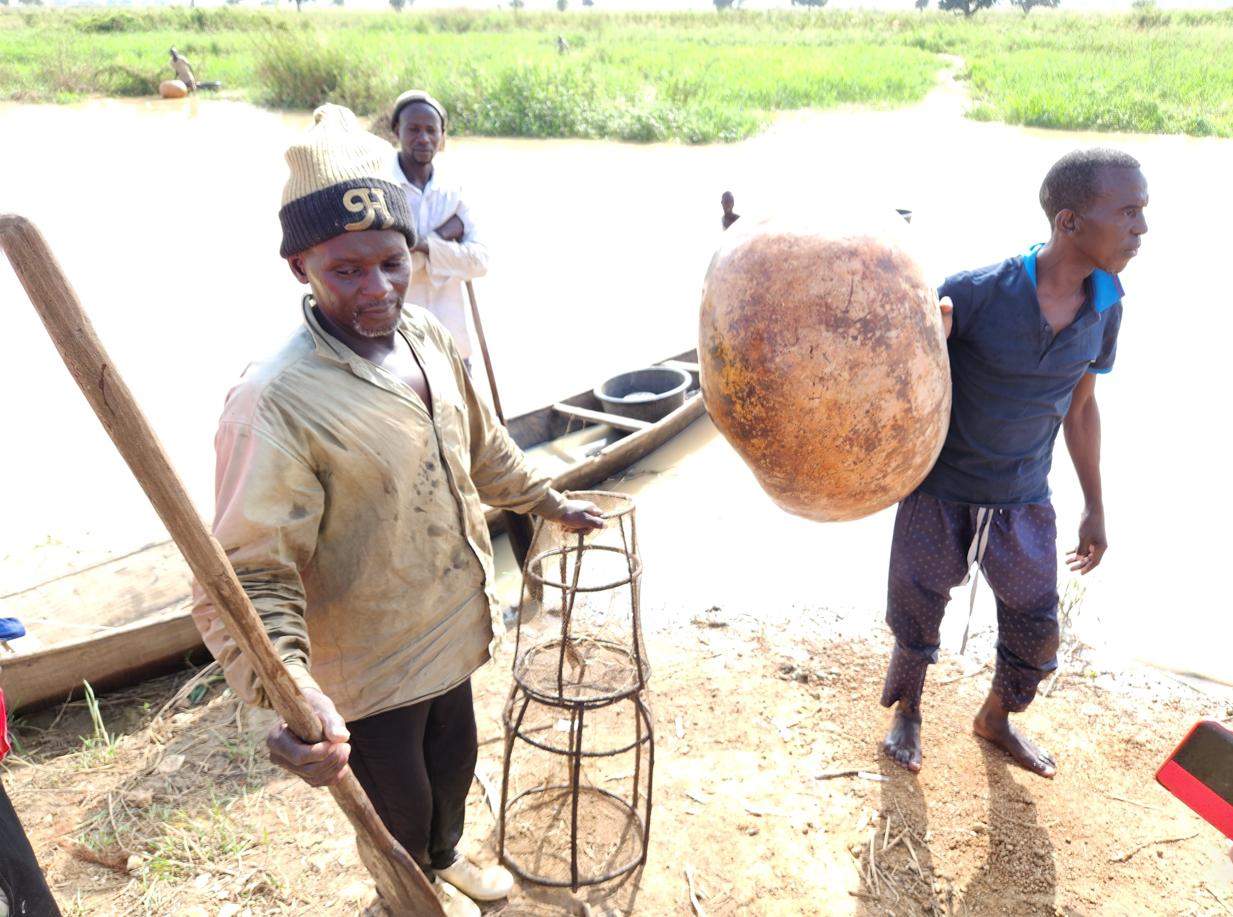
We stopped at a point where three or four narrow pirogues were working a channel through the reeds. The fishermen used funnel-shaped wicker traps — known locally as gura — lunging them down into the murky shallows to trap fish against the muddy bottom. The technique requires reading the water: where the fish will run, where the current will push them, which pocket of reed will hold them. One man was nearly horizontal across his canoe, the trap plunged out of sight below. Others waded chest-deep in the flood, working in loose coordination, herding the fish toward one another’s traps. It looked chaotic. It was not. Further along the road’s edge, two men worked a drag net between them, one standing on the submerged bank, one knee-deep, both leaning back against the net’s weight.
This riverine tradition has its most spectacular expression a few hundred kilometres to the northwest, where the annual Argungu Fishing Festival is held on the Matan Fada River in Kebbi State. At Argungu, hundreds of men enter the water simultaneously at the signal of a gun, armed with hand nets and traditional traps, and compete to land the largest fish — Nile perch, catfish, tilapia — in a frenzy of coordinated chaos that draws tens of thousands of spectators and has been held since at least the 1930s. It began as a ceremony marking peace between the Kebbi kingdom and the Sokoto Caliphate; it has since become one of the most famous cultural festivals in Nigeria. What we watched on the Jigawa roadside was a quieter version of the same impulse: the wet season’s bounty, taken by hand, by people who have been doing this since before anyone thought to give it a name.
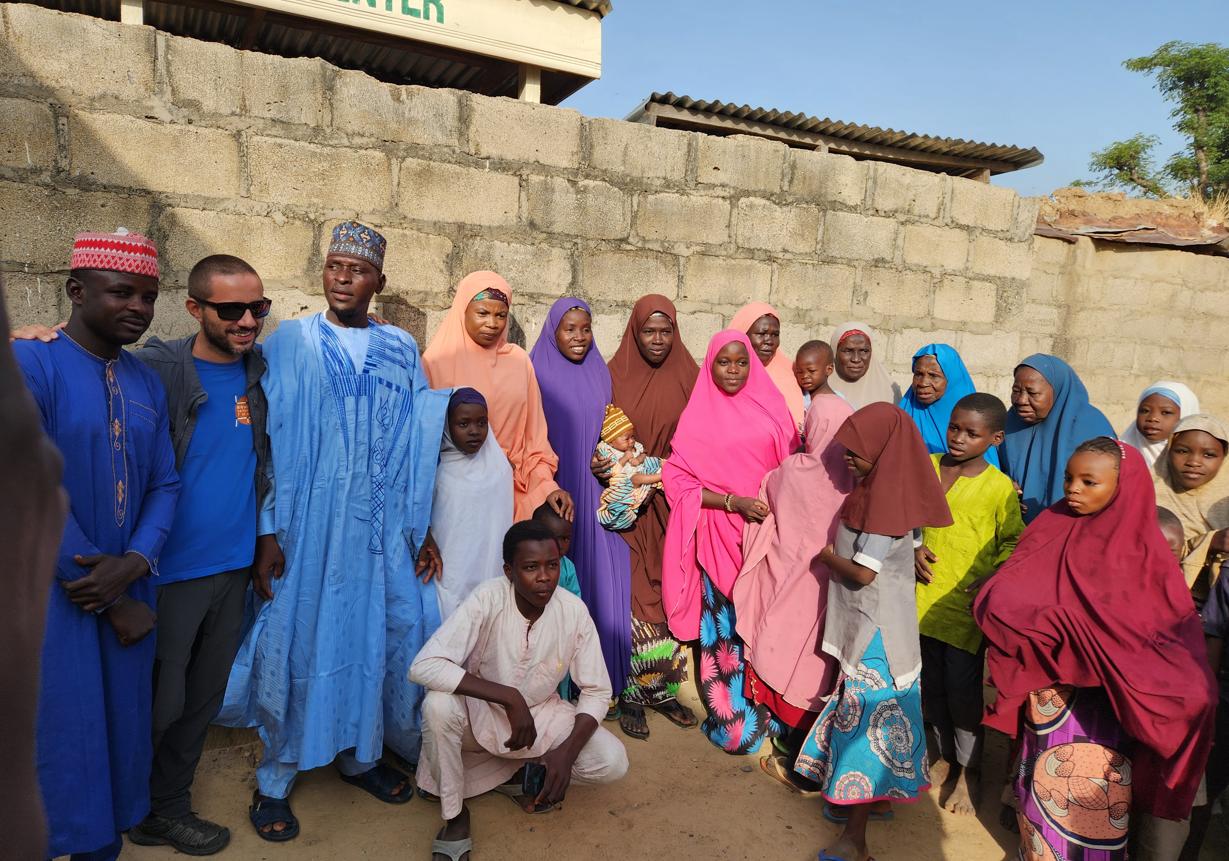
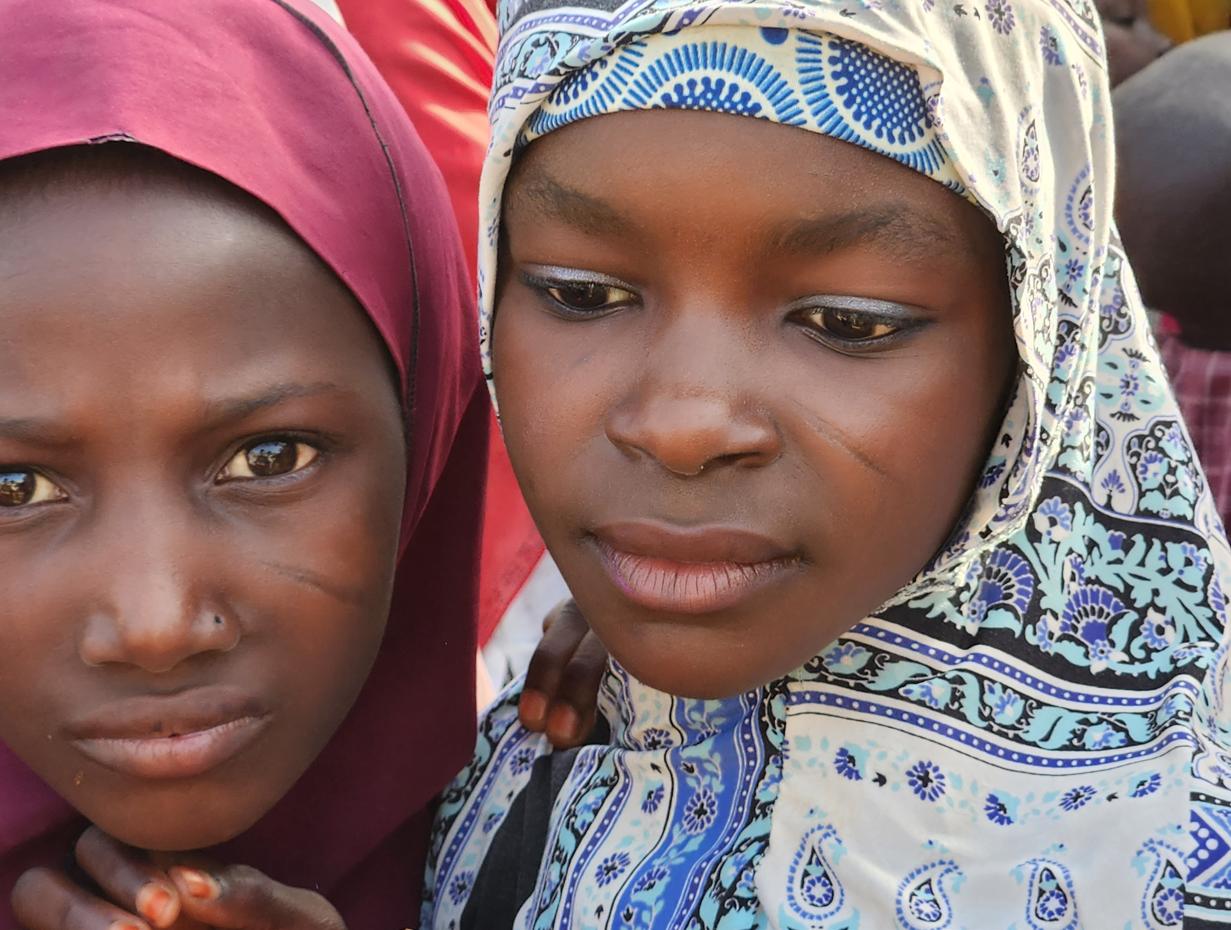
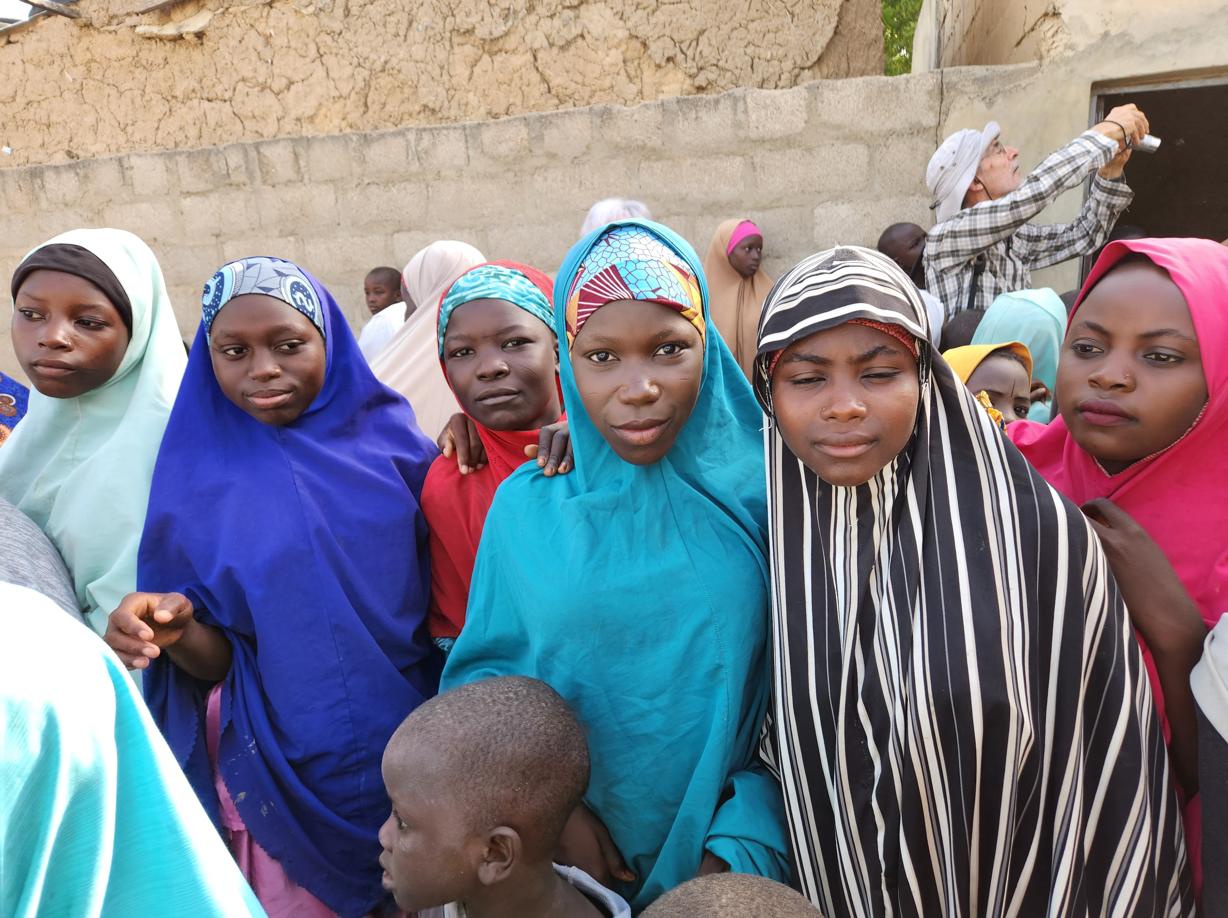
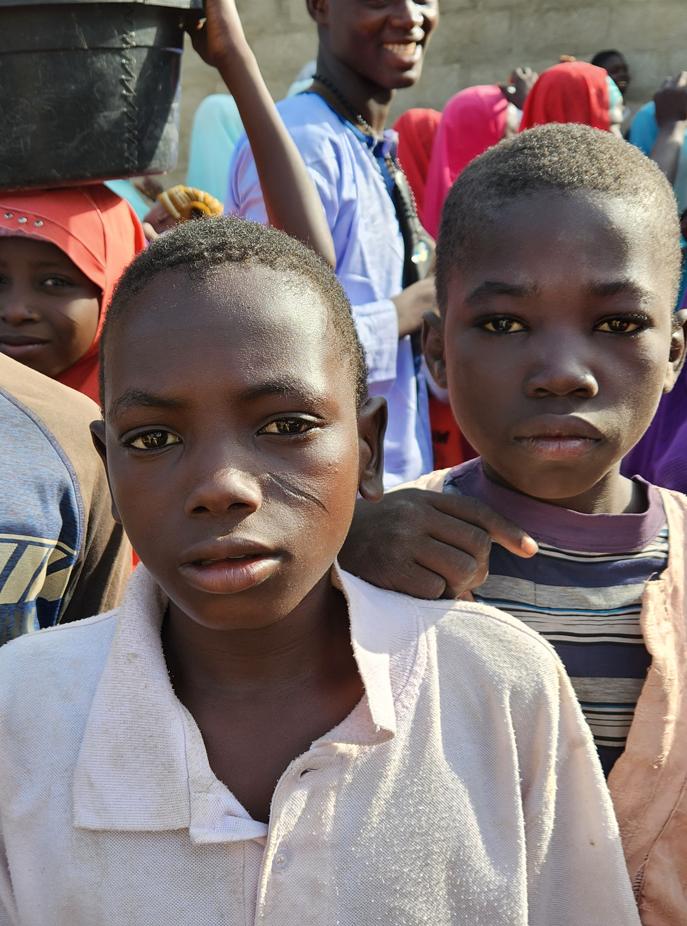
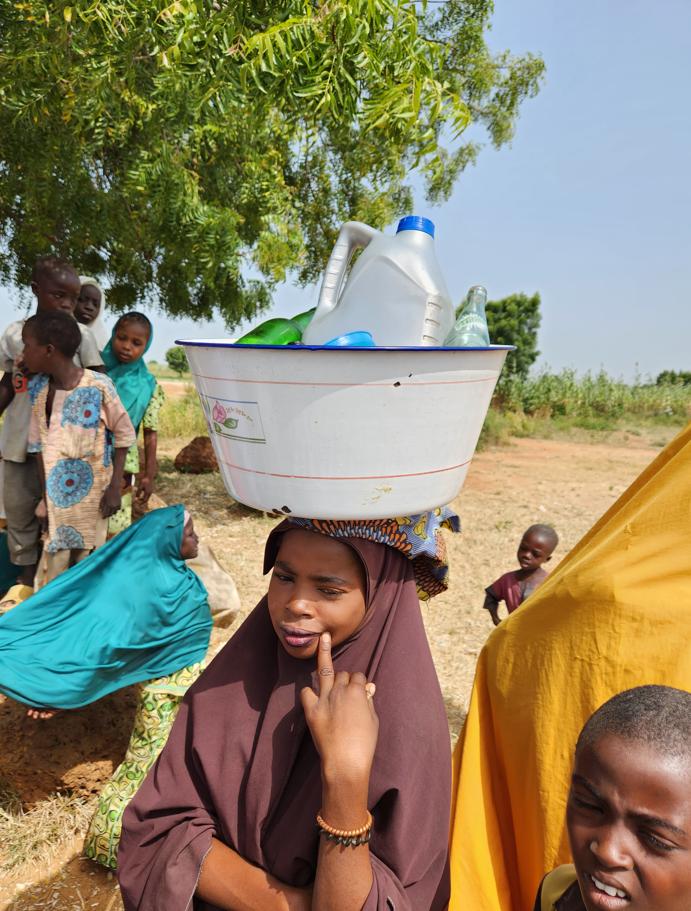
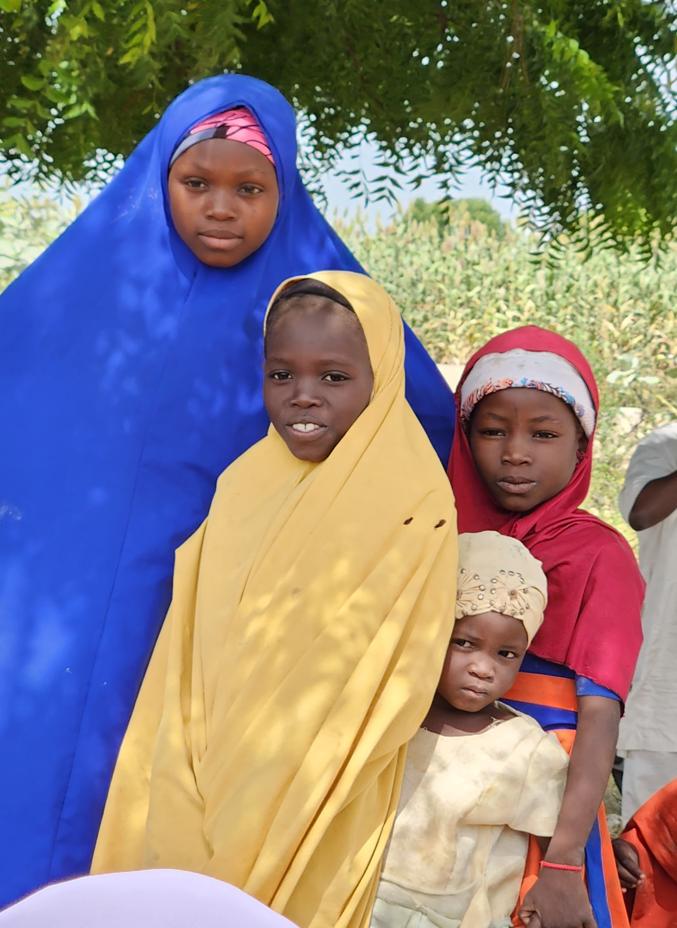
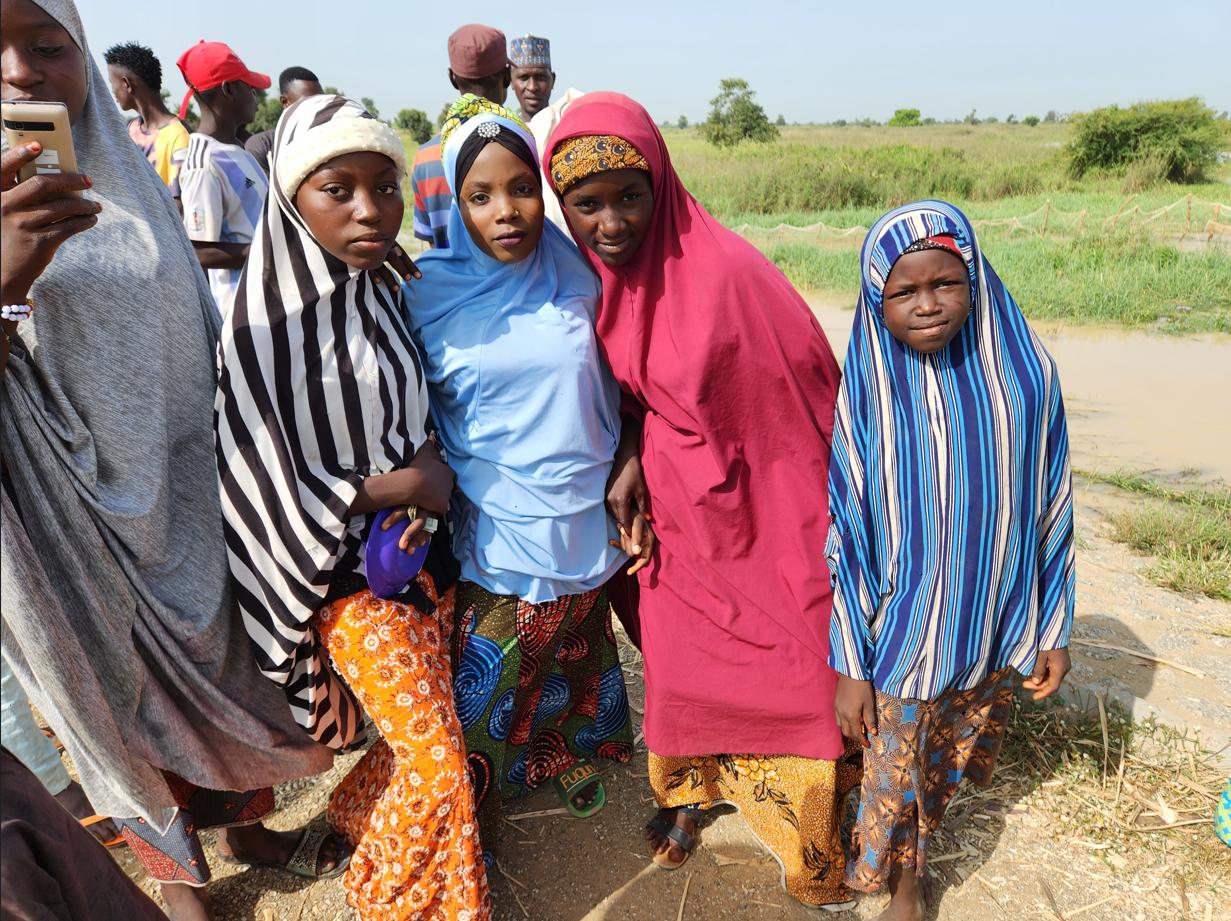
A crowd had gathered by the time we stopped — women and children in hijabs of every colour, drawn by the unusual sight of a foreign tour group as much as by the fishing itself. They arranged themselves along the bank with the patience of people for whom an interruption to the morning is a welcome thing, and submitted to being photographed with the ease of those who have no particular anxiety about the camera’s claims.