Chapter 8: Dutse & Jigawa: The New World (Part II)
- The Hyena Man & The Guerewol in Dutse
The Hyena Man
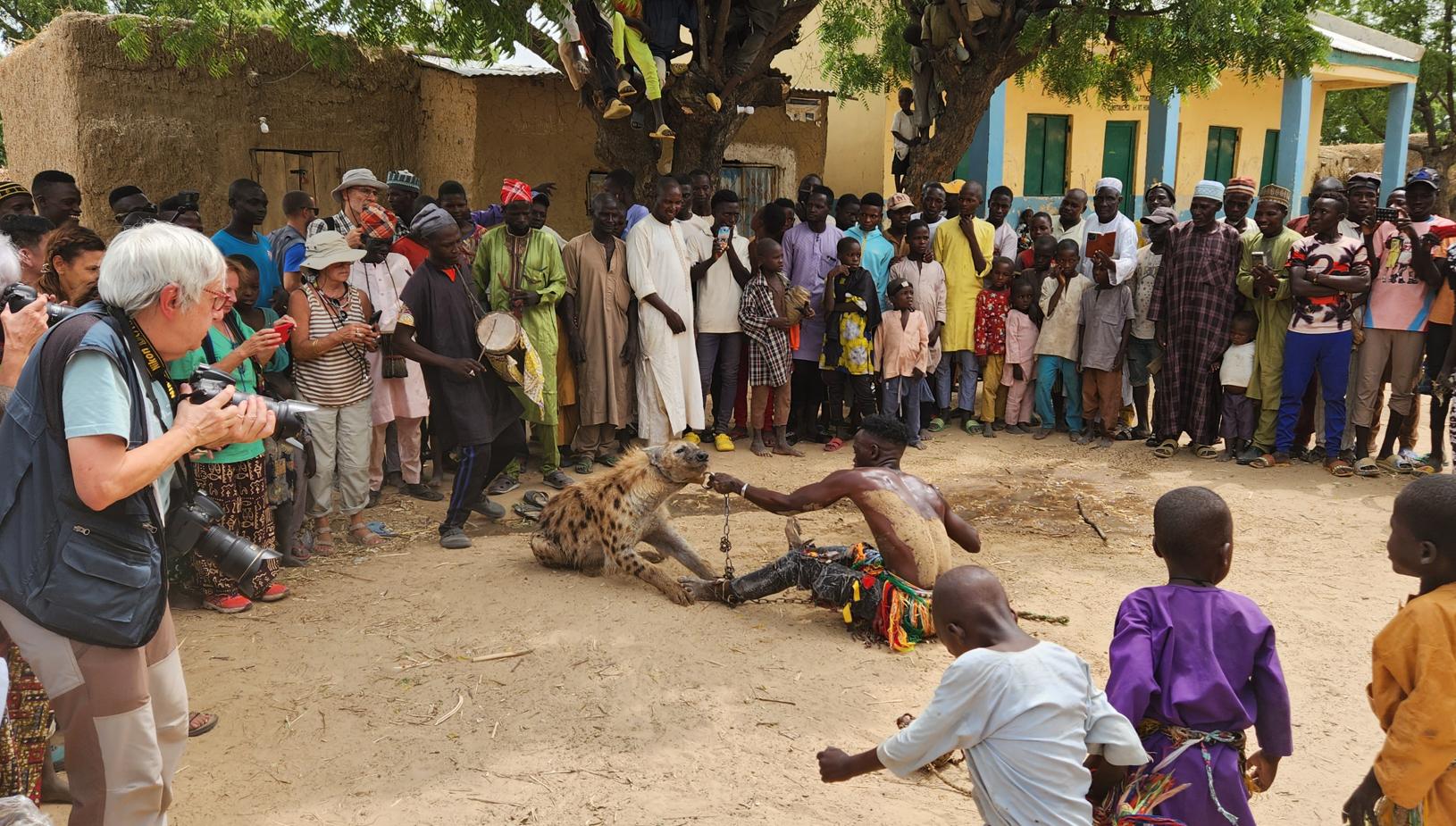
The hyena men found us, or we found them — it is difficult, in retrospect, to be precise about the sequence. One moment the road ahead was empty; the next there was a crowd, a circle of people, and inside the circle something large and spotted moving in the dust. We stopped.
The Gadawan Kura — the hyena men — are itinerant performers and traditional healers who move through the towns and villages of northern Nigeria and the wider Sahel, a guild with its own internal structure, its own inherited knowledge, and its own claim on the imagination of the communities it passes through. Like the wandering bear-men of eastern Europe or the travelling circus performers of an earlier West, they learn their trade from their fathers, who learned it from theirs. The hyena is the centrepiece of the performance, but the trade is in medicine: the animal serves as living proof of the power of the preparations the men sell. The logic is direct. If a man can sit on a spotted hyena, can lay it on its back across his body, can place an infant before it without injury, then whatever he is selling is worth having.
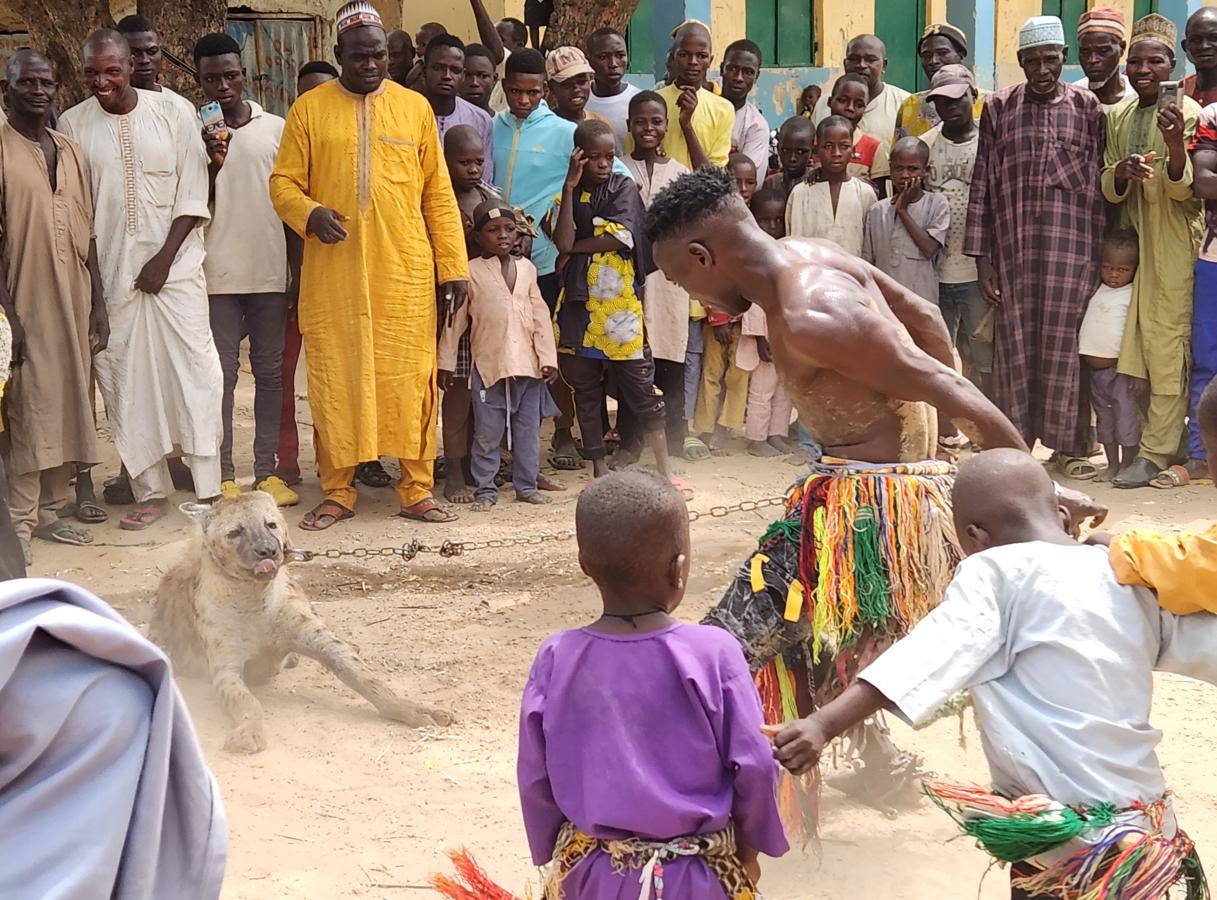
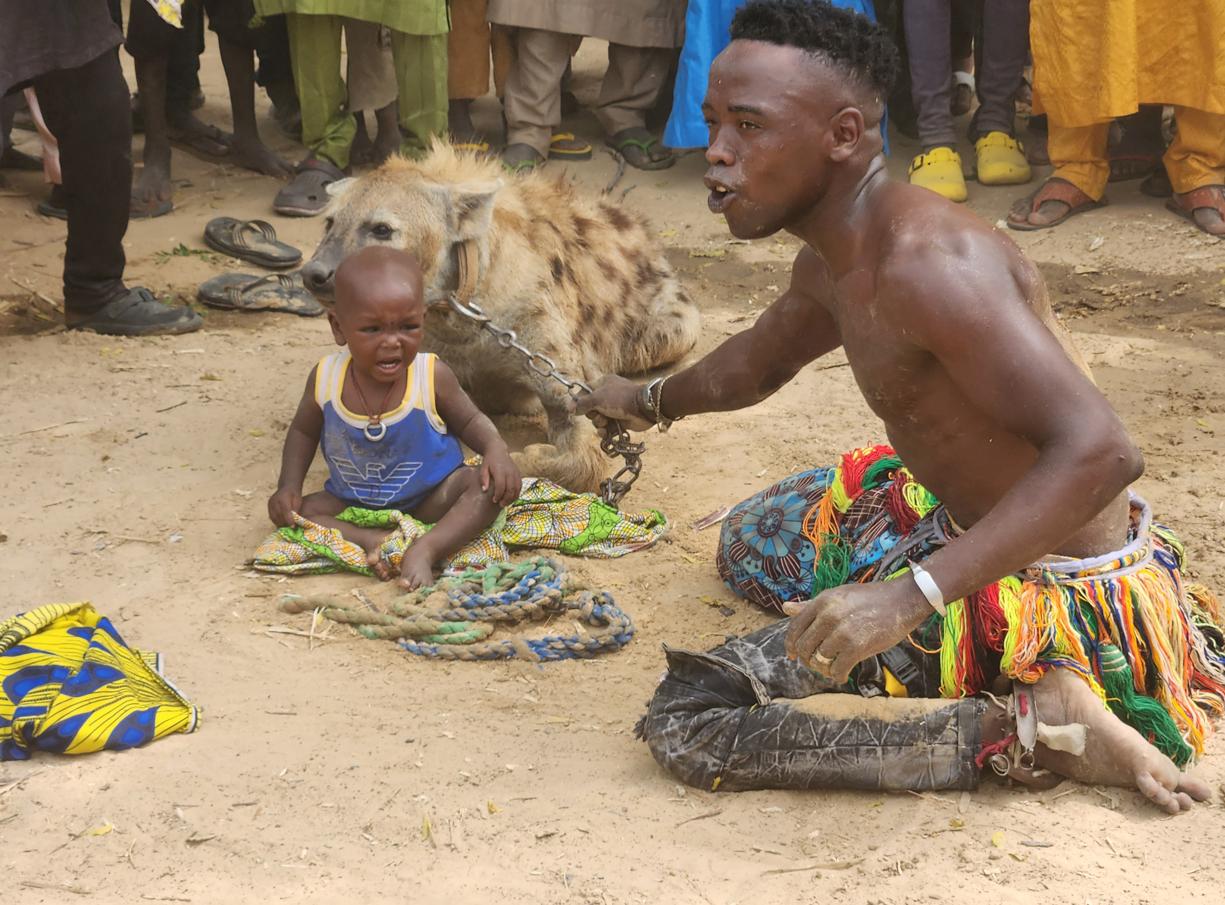
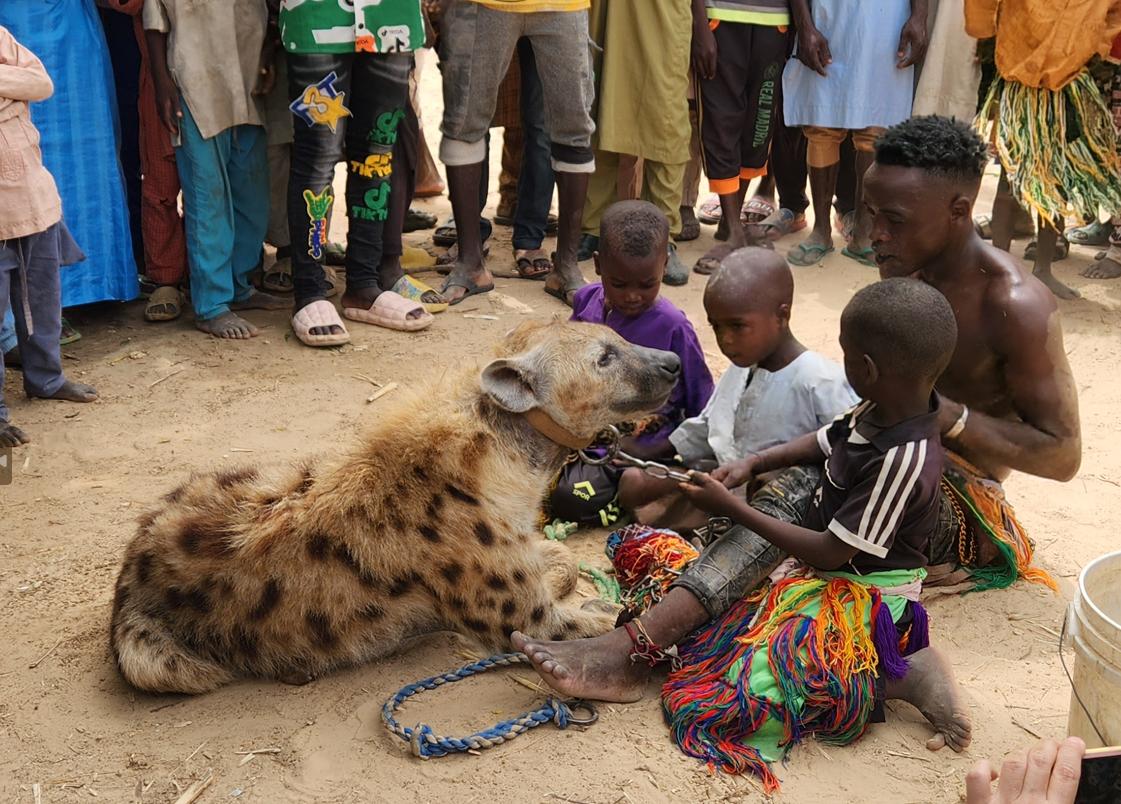
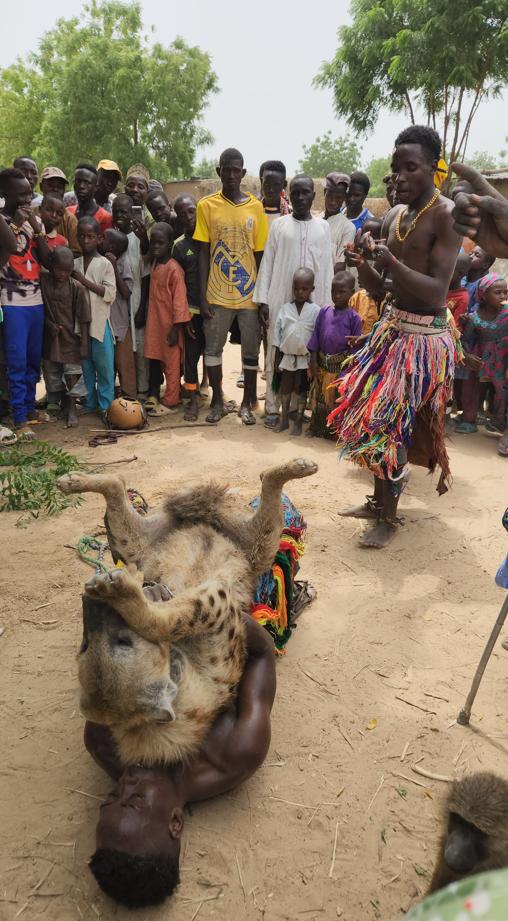
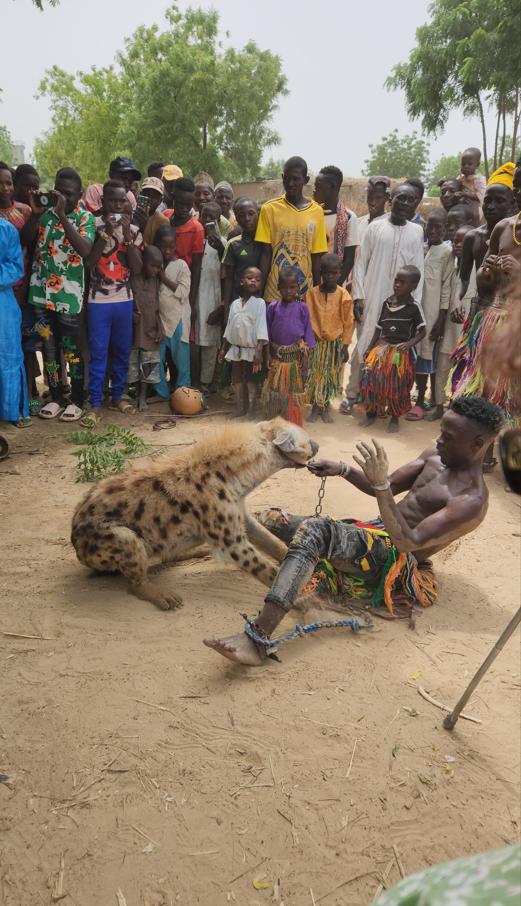
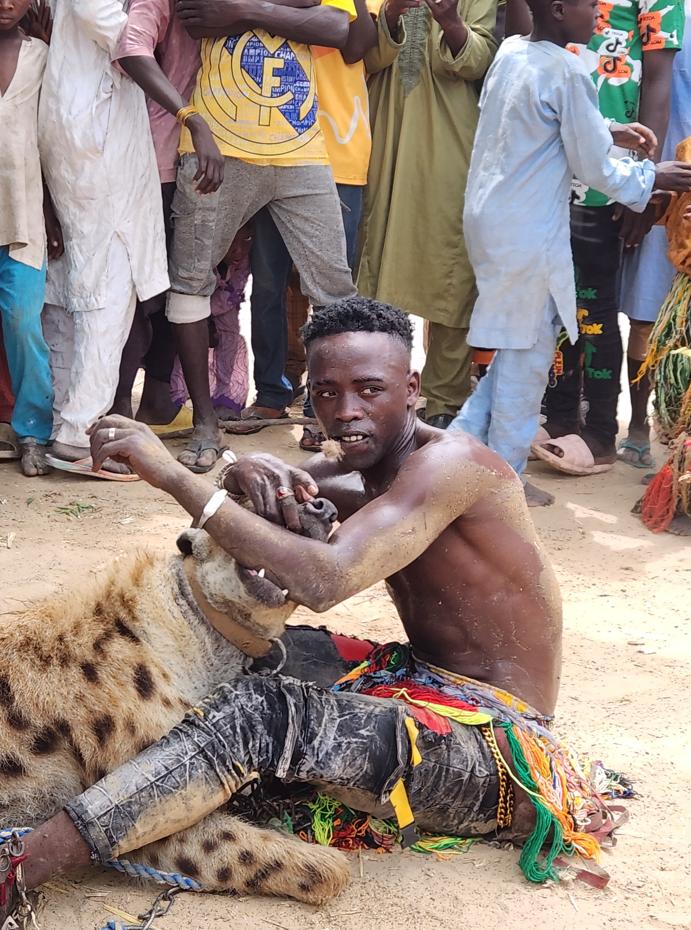
The hyena they had was large — a mature spotted hyena, heavily muzzled in rope and leather, its coat catching the light as it moved. The performers were shirtless, wearing multi-coloured fringed skirts that swirled as they danced in the sand, the drumming driving a rhythm that built and released and built again. One man lay flat on his back and pulled the hyena down across his body, the animal’s full weight on his chest, both of them motionless for a moment while the crowd pressed inward. Another crouched before it with a child so young the child could barely sit — perhaps eighteen months old, placed on a cloth on the ground with the hyena a metre behind. The child wept without restraint. The hyena did not move. The crowd watched with the intensity of people watching something they have seen before and will see again, whose power does not diminish with repetition.
Many rural Nigerians believe the hyena men possess supernatural powers — that the concoctions fed to their children from infancy have made them immune to the animals’ aggression, that their medicine can cure what hospitals cannot reach. The mothers who bring their children forward for proximity to the hyena are not credulous; they are operating within a system of belief that has its own internal coherence and its own centuries of practice. Whether the hyena is suffering — the muzzle, the chain, the enforced submission — is a question that international wildlife organisations answer one way and the performers would answer another. What is not in dispute is that the animal and its handler are bound in a relationship of mutual dependence: the hyena, captured as a cub and domesticated, cannot hunt and cannot survive without its keeper; the keeper cannot work without the hyena. The relationship is as old as the guild and shows no obvious sign of ending.

The Guérewol at Dutse
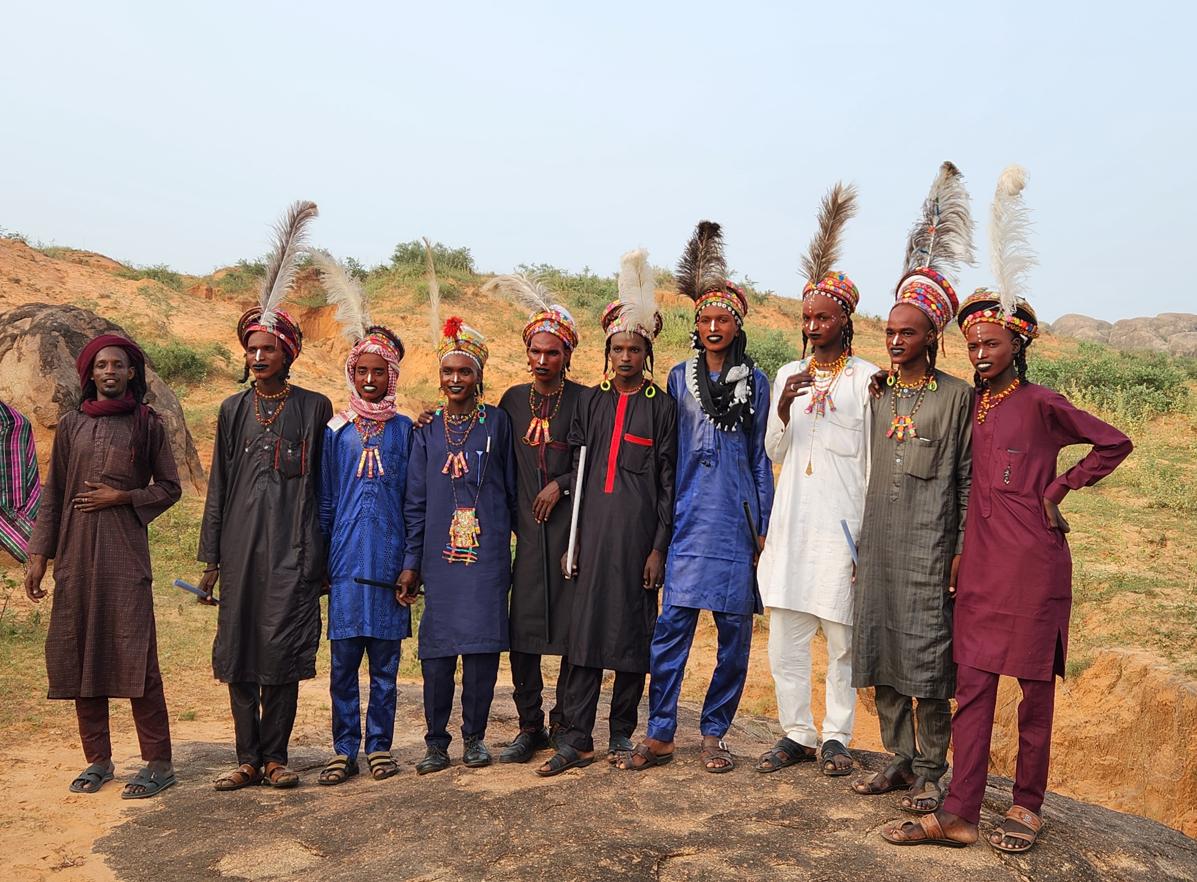
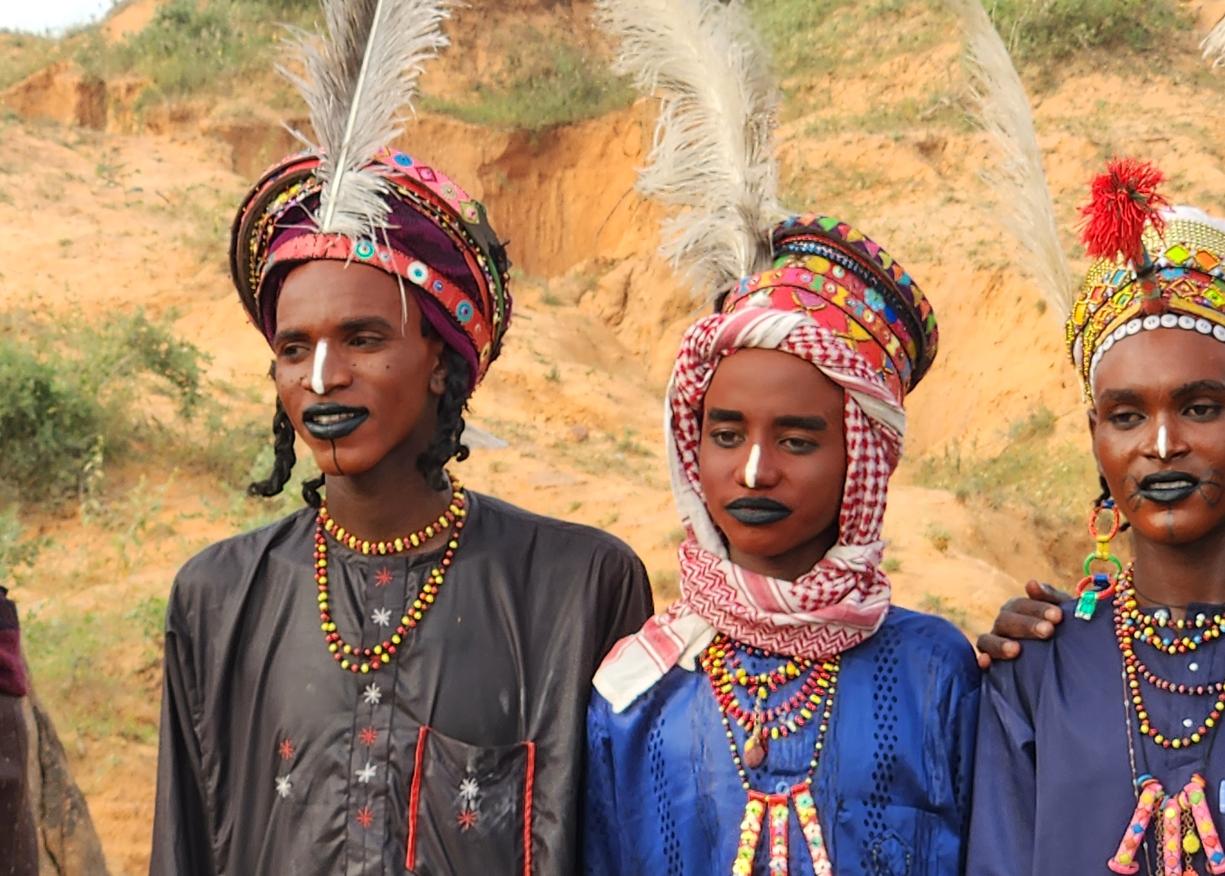
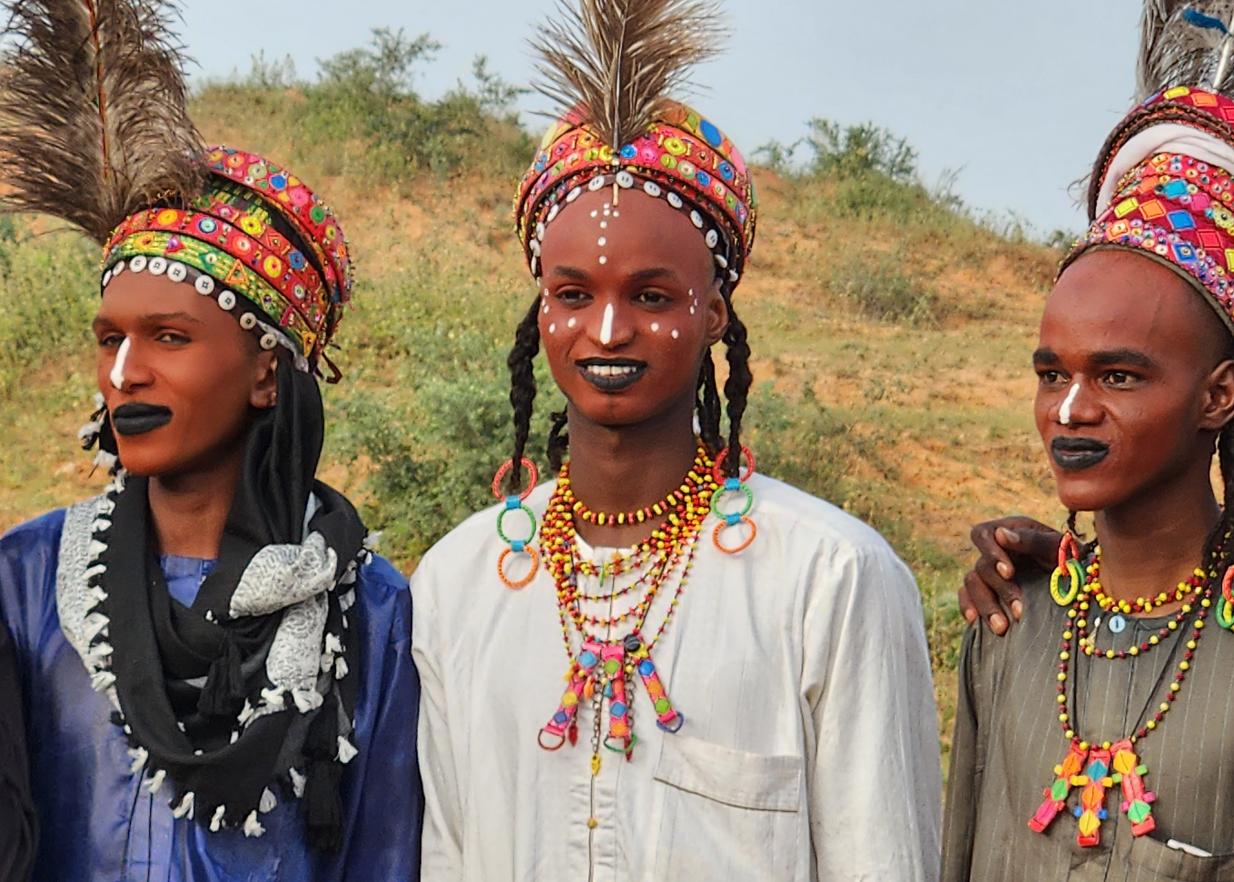
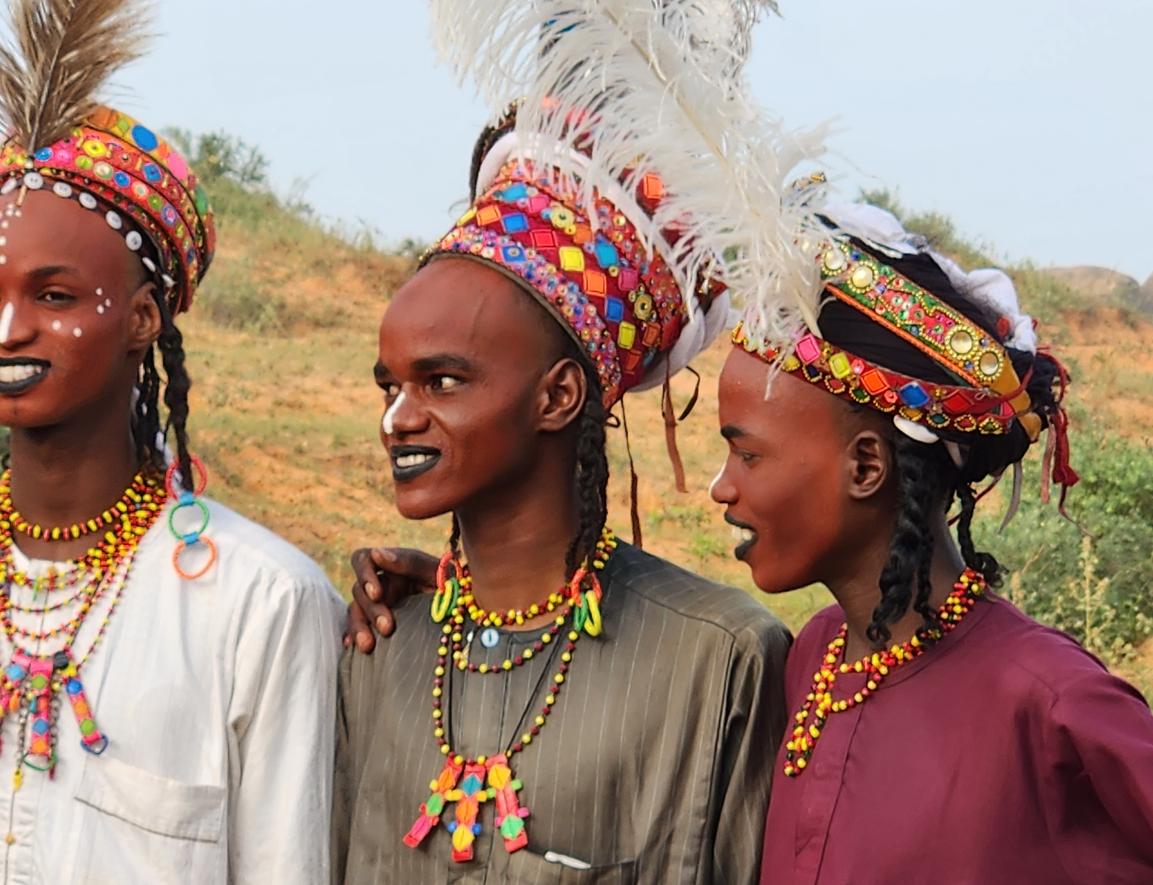
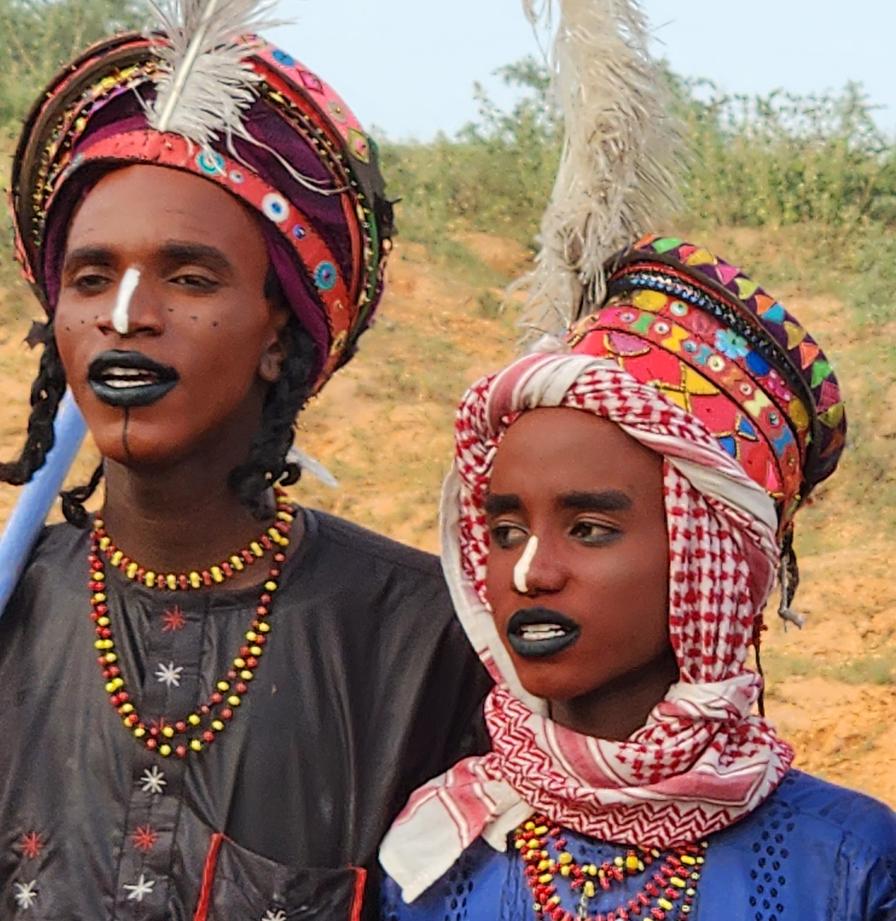
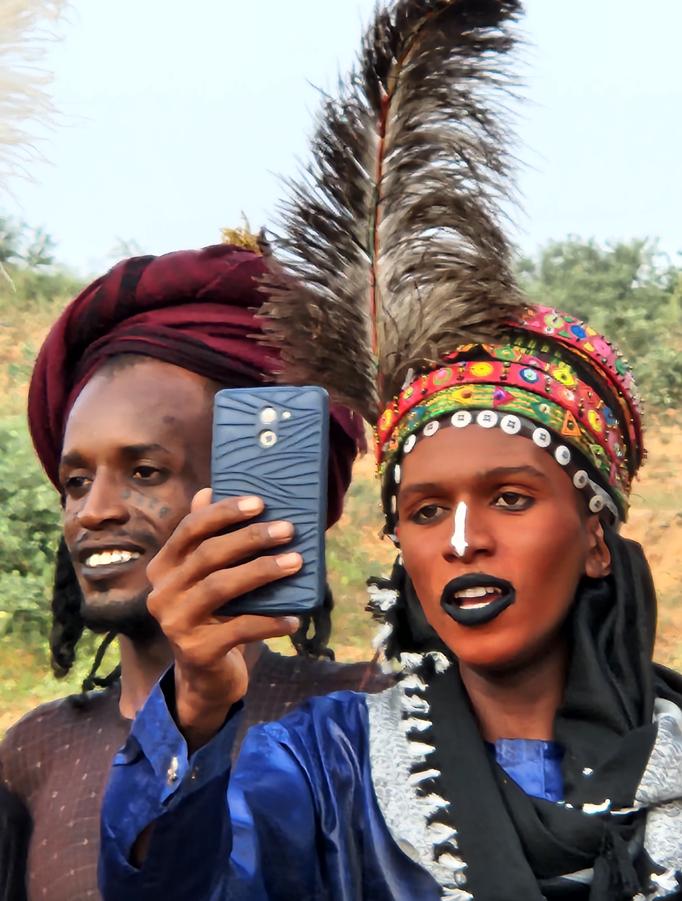
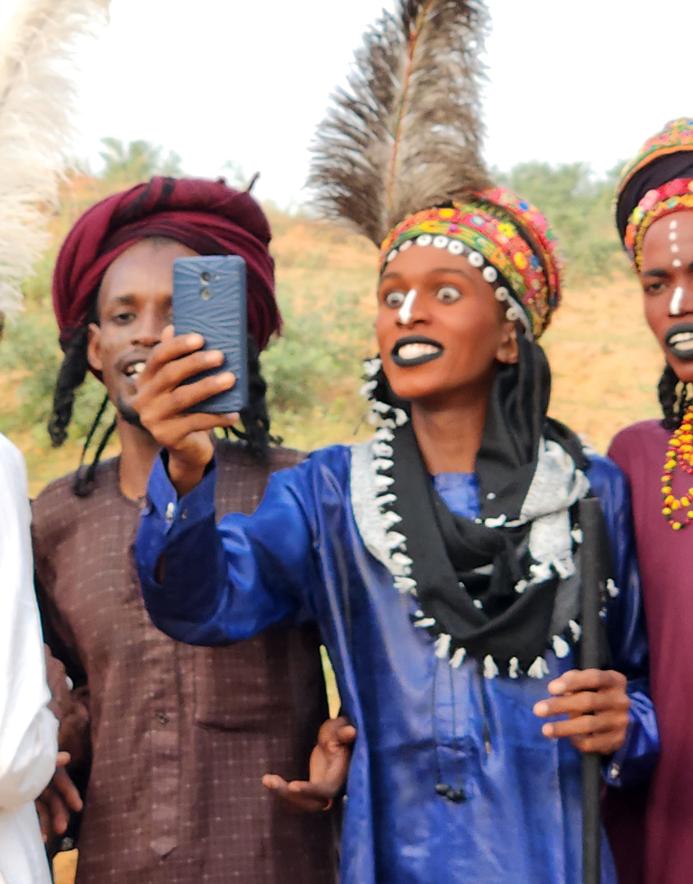
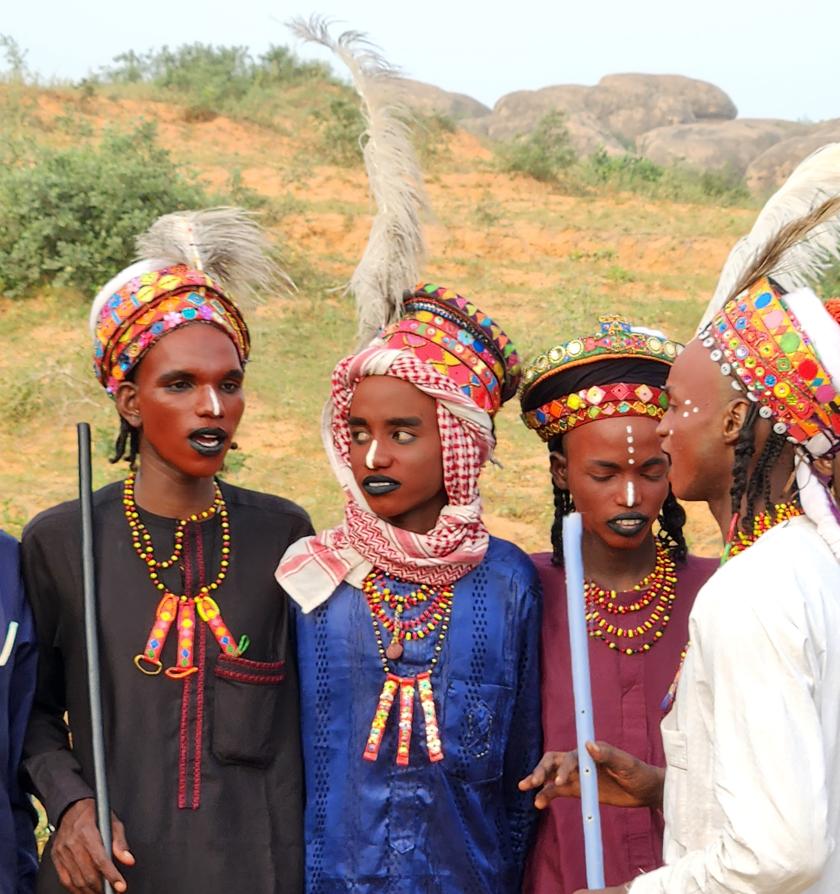
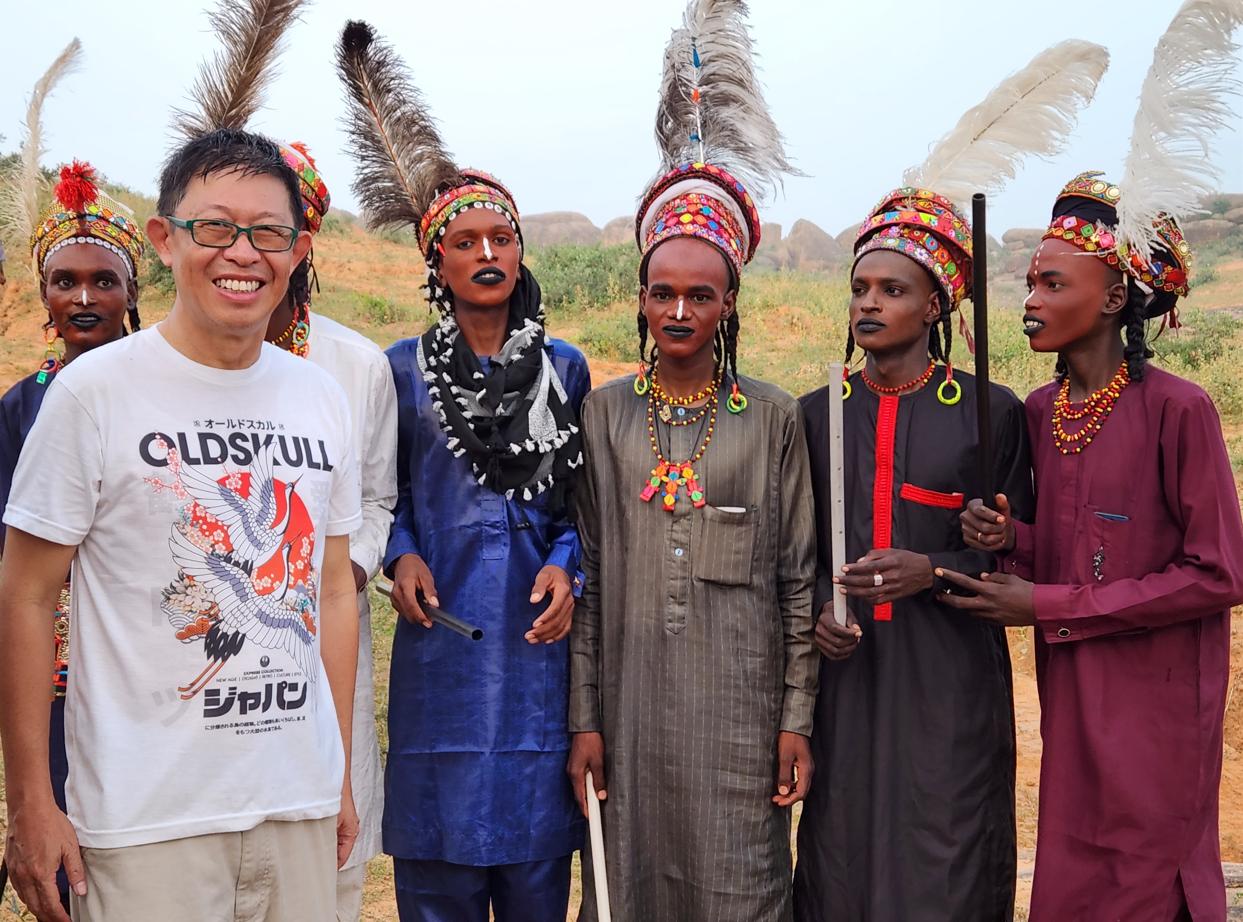
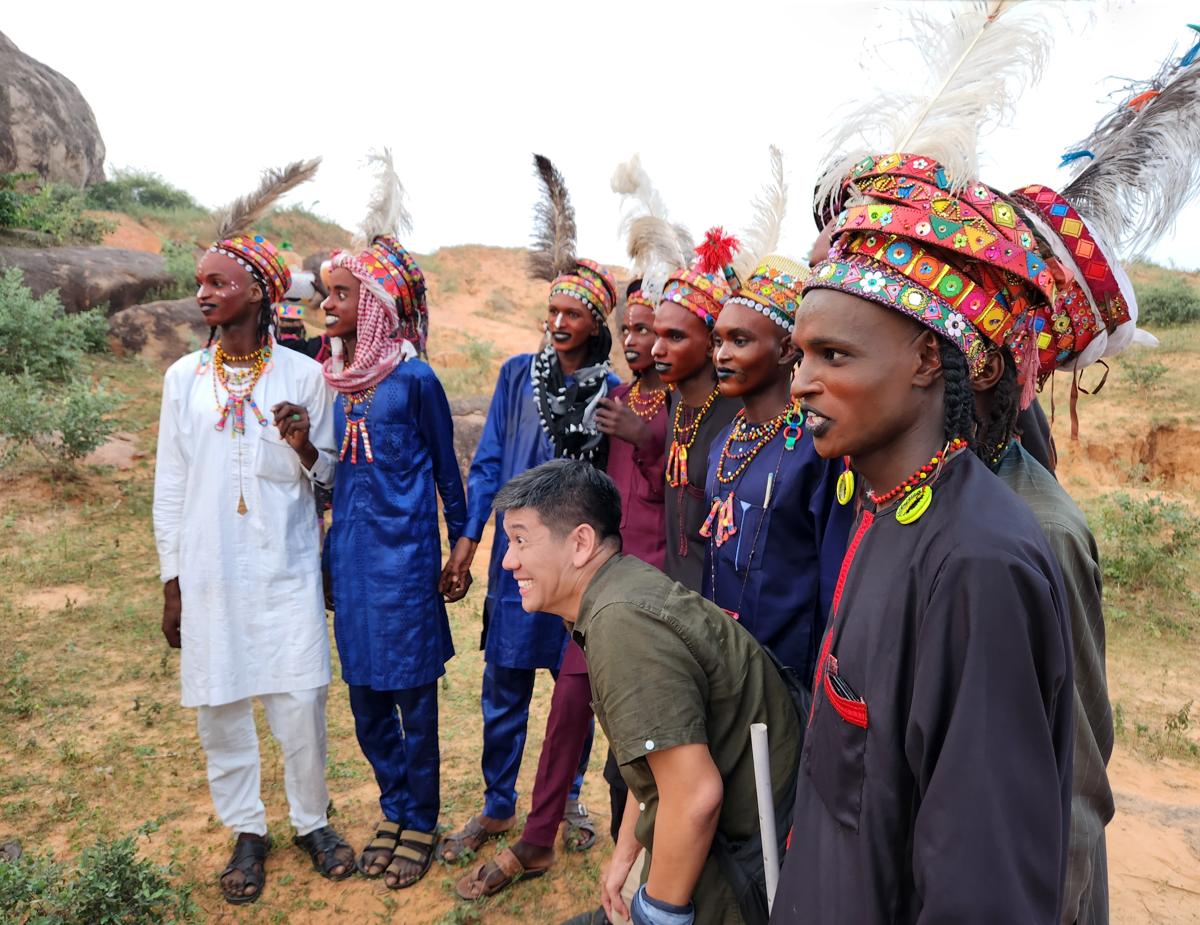
The young men had been preparing since before dawn. By the time we reached the outcrop of reddish granite that gives Dutse its name — the word simply means “rock” in Hausa — they were already assembled in a loose line, their faces painted in yellow ochre, lips blackened to throw the whiteness of their teeth into relief. Each wore an elaborate headdress sewn with sequins, mirror-glass and plastic buttons, crowned with ostrich feathers that swayed in the harmattan haze. The effect was somewhere between haute couture and hallucination.
This was the Guérewol, the annual courtship ritual of the Wodaabe Fulani — a male beauty pageant, if that phrase can bear the weight of something so ancient and so carefully codified. The Wodaabe are cattle herders, traditionally nomadic, ranging in their transhumance cycle from the southern Sahara through Niger and Chad and into the fringes of Nigeria and Cameroon. Each year, at the end of the rains, the clans converge. The men compete. The women judge.
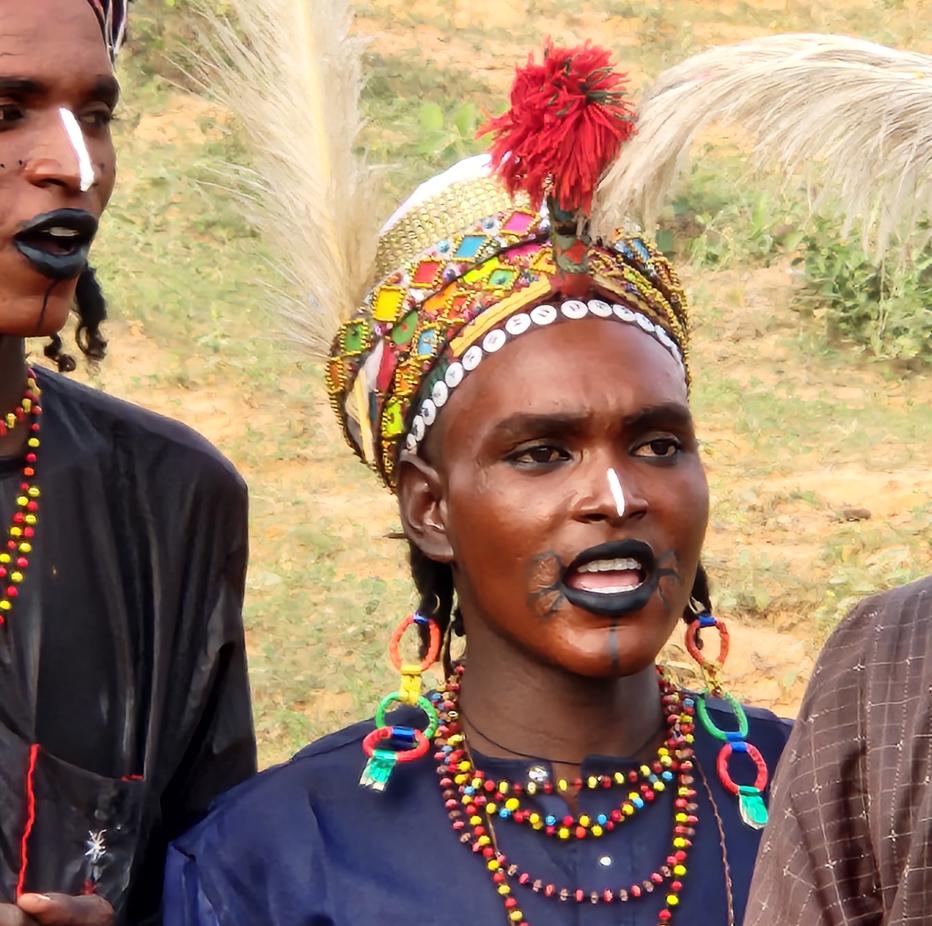
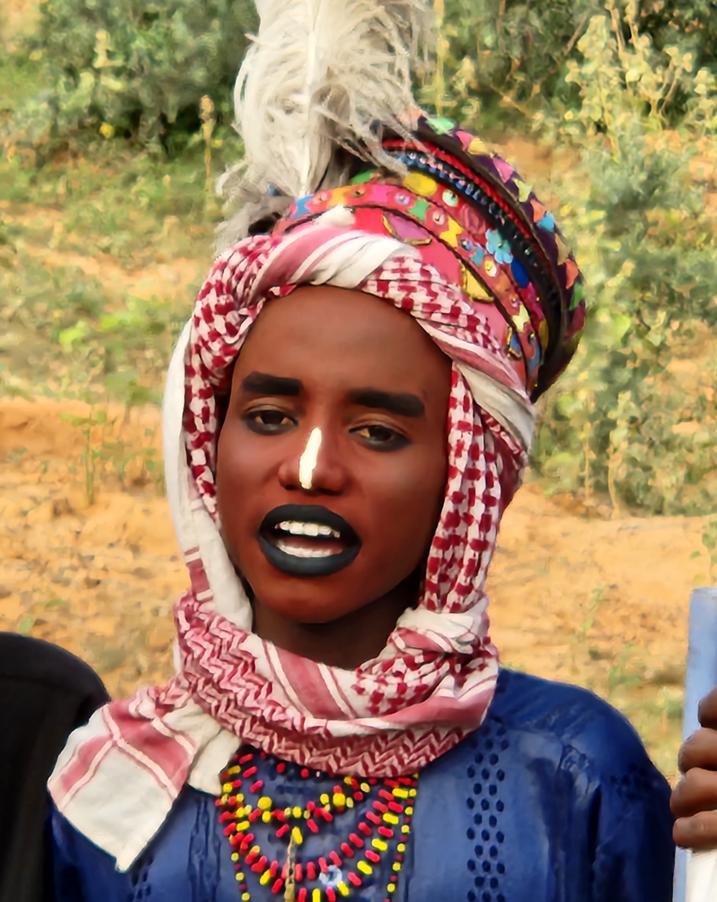
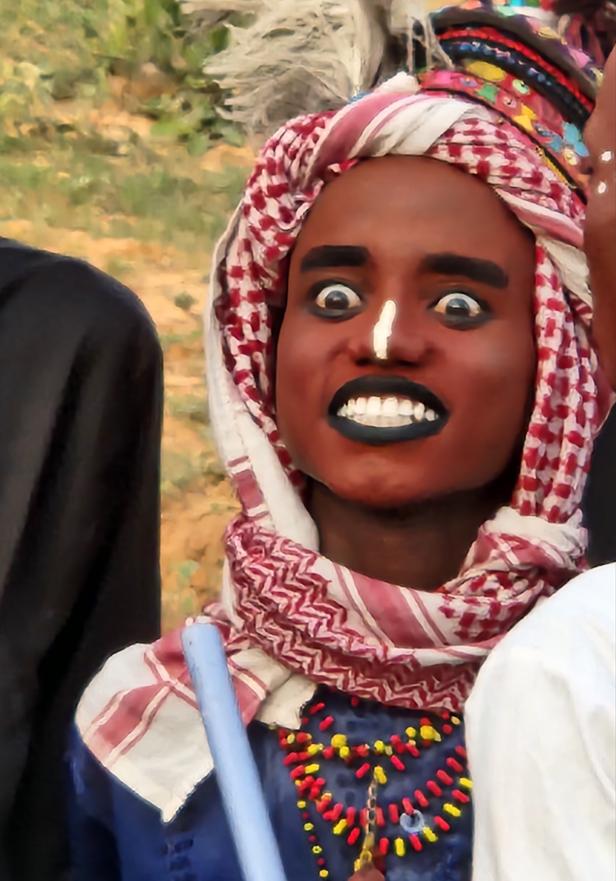
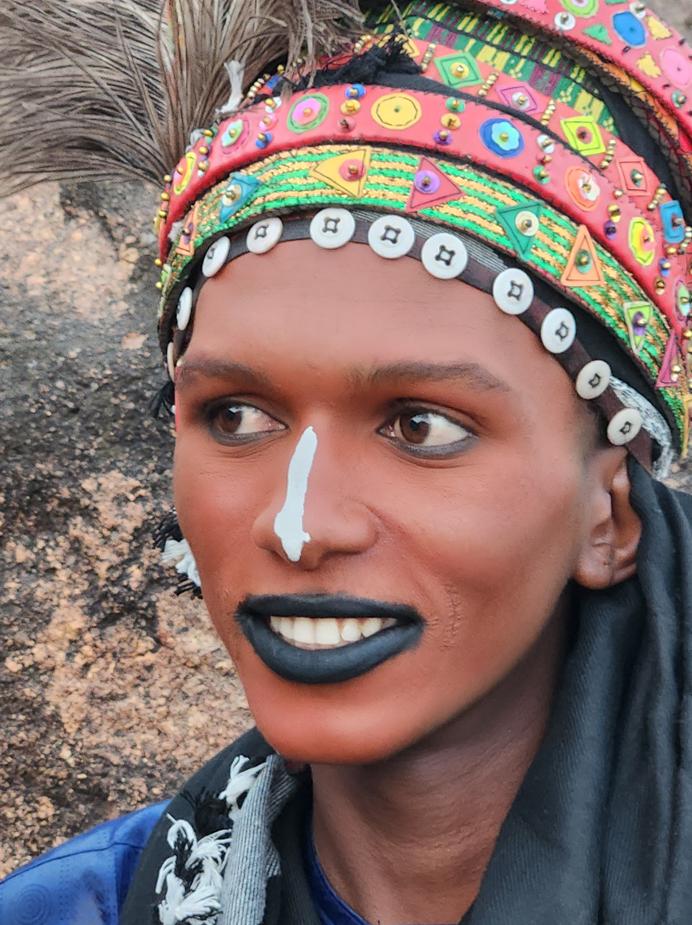
The most celebrated gathering is at In-Gall in northwest Niger, where Wodaabe and Tuareg meet in a week-long festival of dance, dowry negotiation and camel races. In Nigeria, the equivalent gathering falls in Bornu State, in the far northeast. It no longer takes place there. The Boko Haram insurrection has made the region effectively inaccessible to outsiders, and to many insiders as well. A small group of Wodaabe had been persuaded to make the journey instead to Jigawa State, to perform for whatever audience might appear among the granite kopjes outside Dutse. We were, as far as I could tell, that audience.
The men stand shoulder to shoulder, rising on their toes to maximise their height — lean frames, an aesthetic requirement as exacting as any applied to women elsewhere — and begin a deep, rhythmic drone that accumulates slowly into something close to polyphonic chant. At intervals, each man widens his eyes to the point of apparent mania, baring his teeth in what looks, to the unprepared observer, like a threat display. It is the opposite. Bright eyes and white teeth are the Wodaabe ideal of beauty, and the men are presenting their credentials to the judges: three women chosen for their own beauty, who move along the line with an appraiser’s unhurried eye.
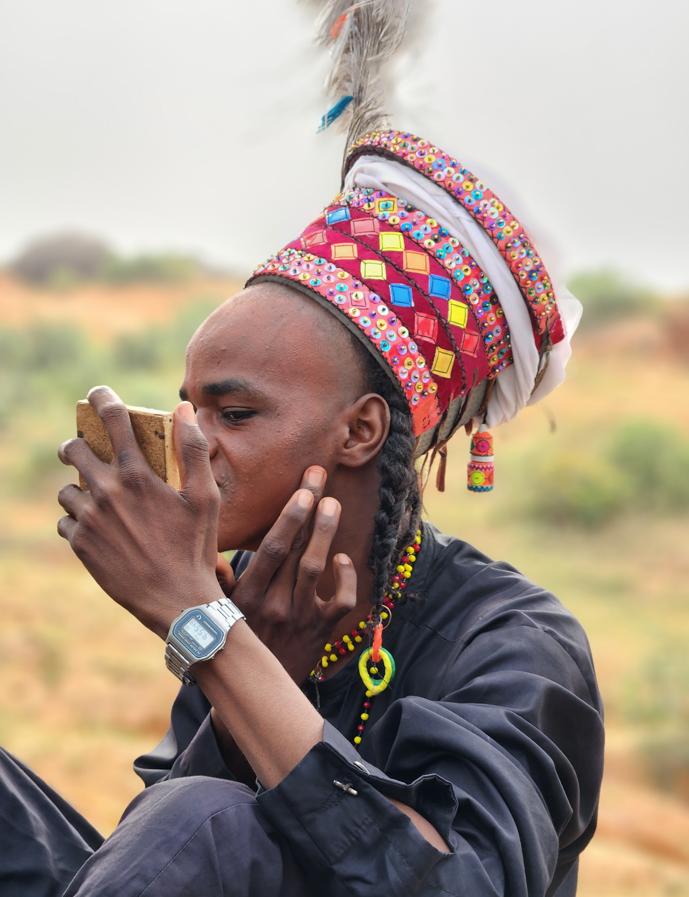
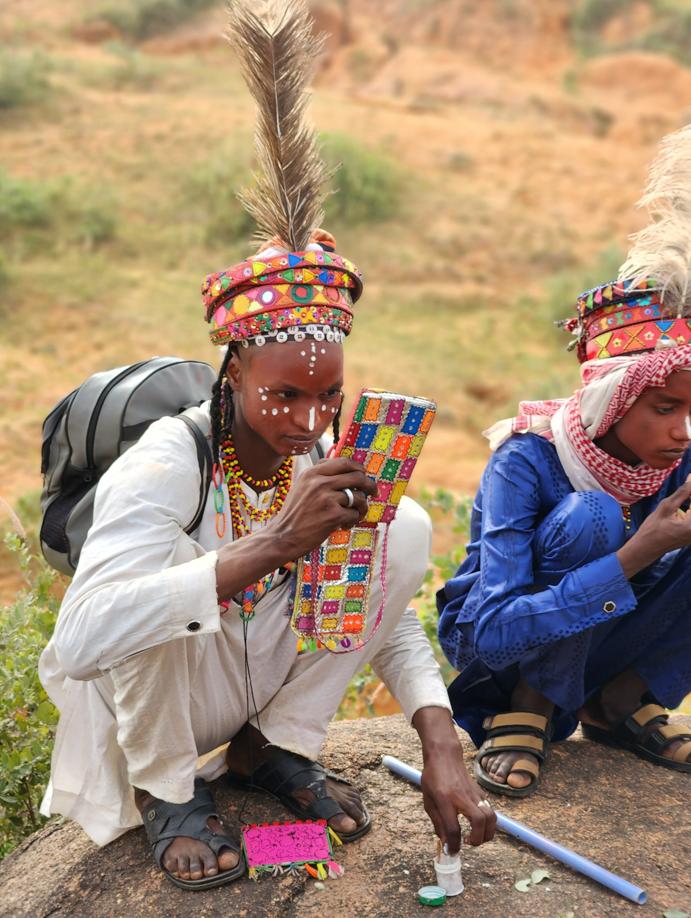
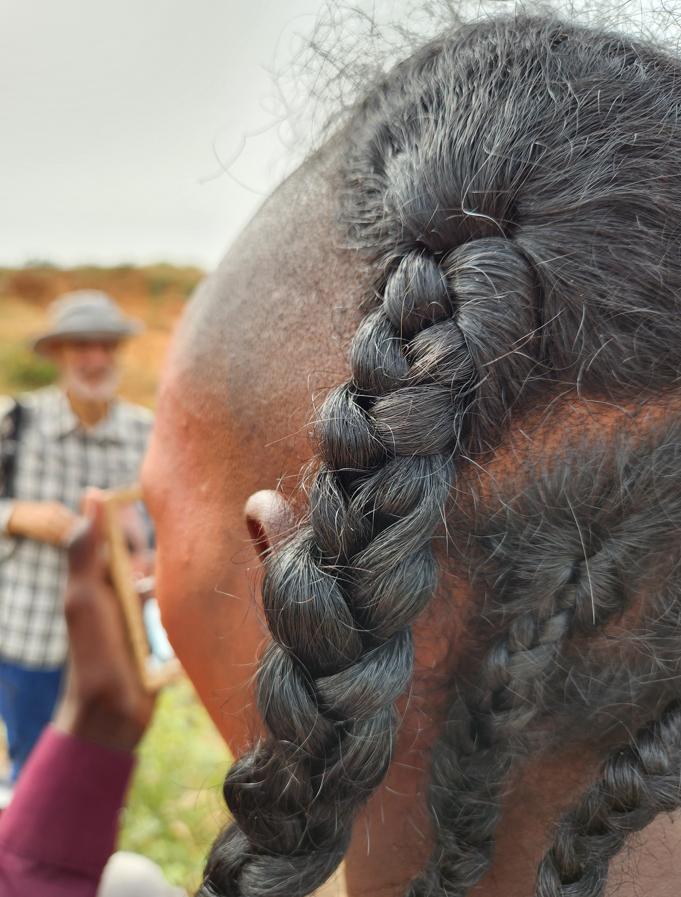
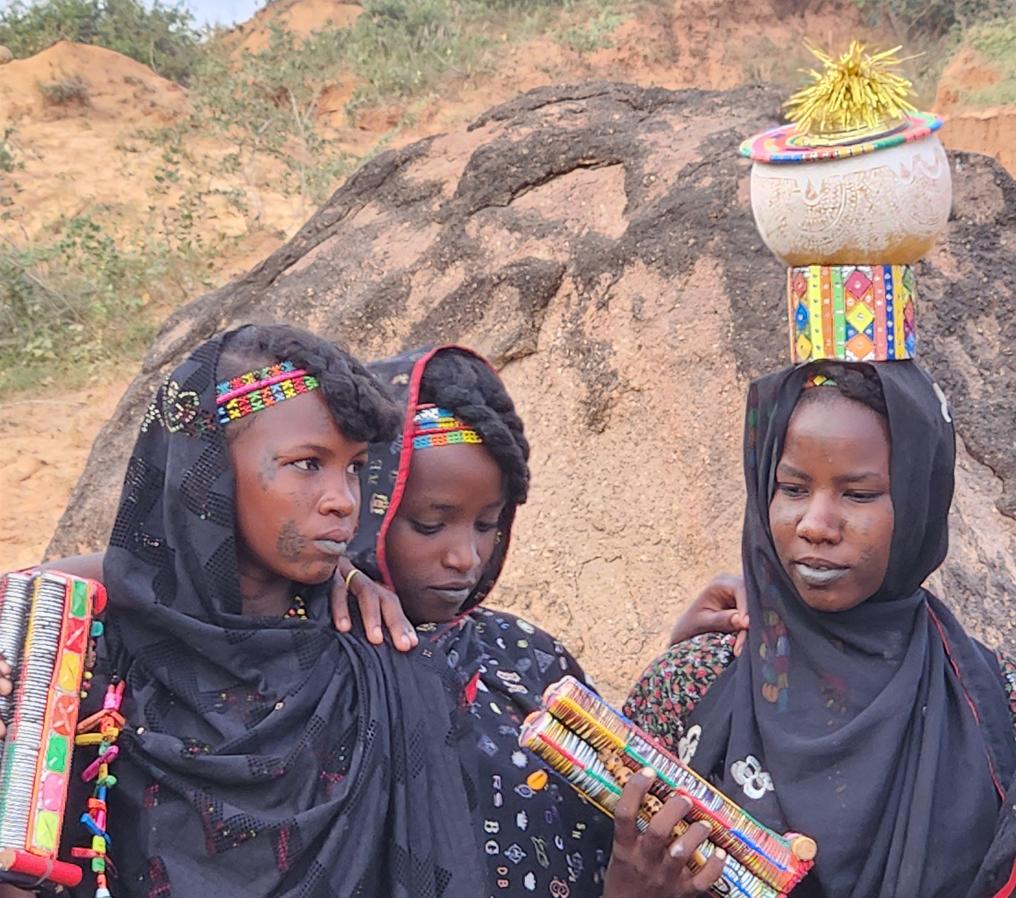
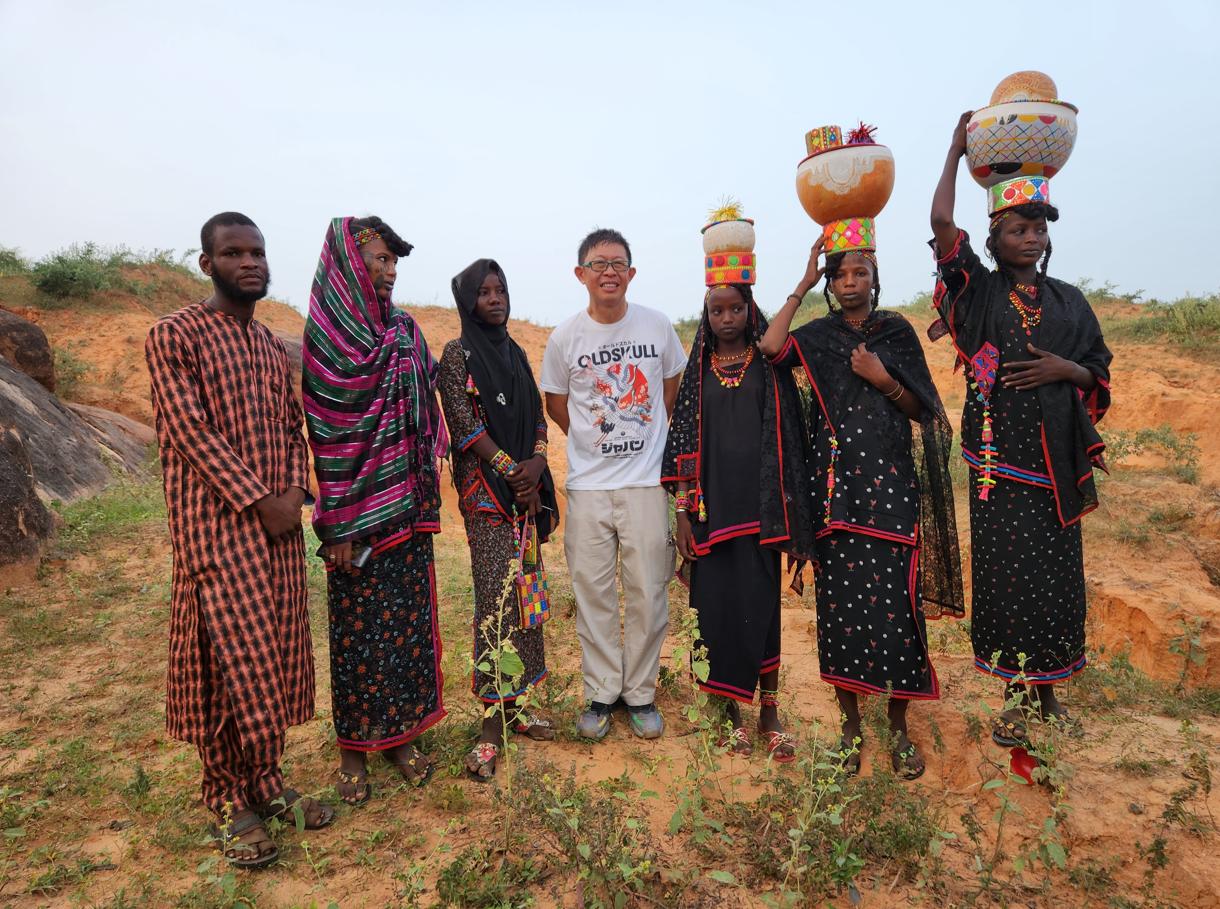
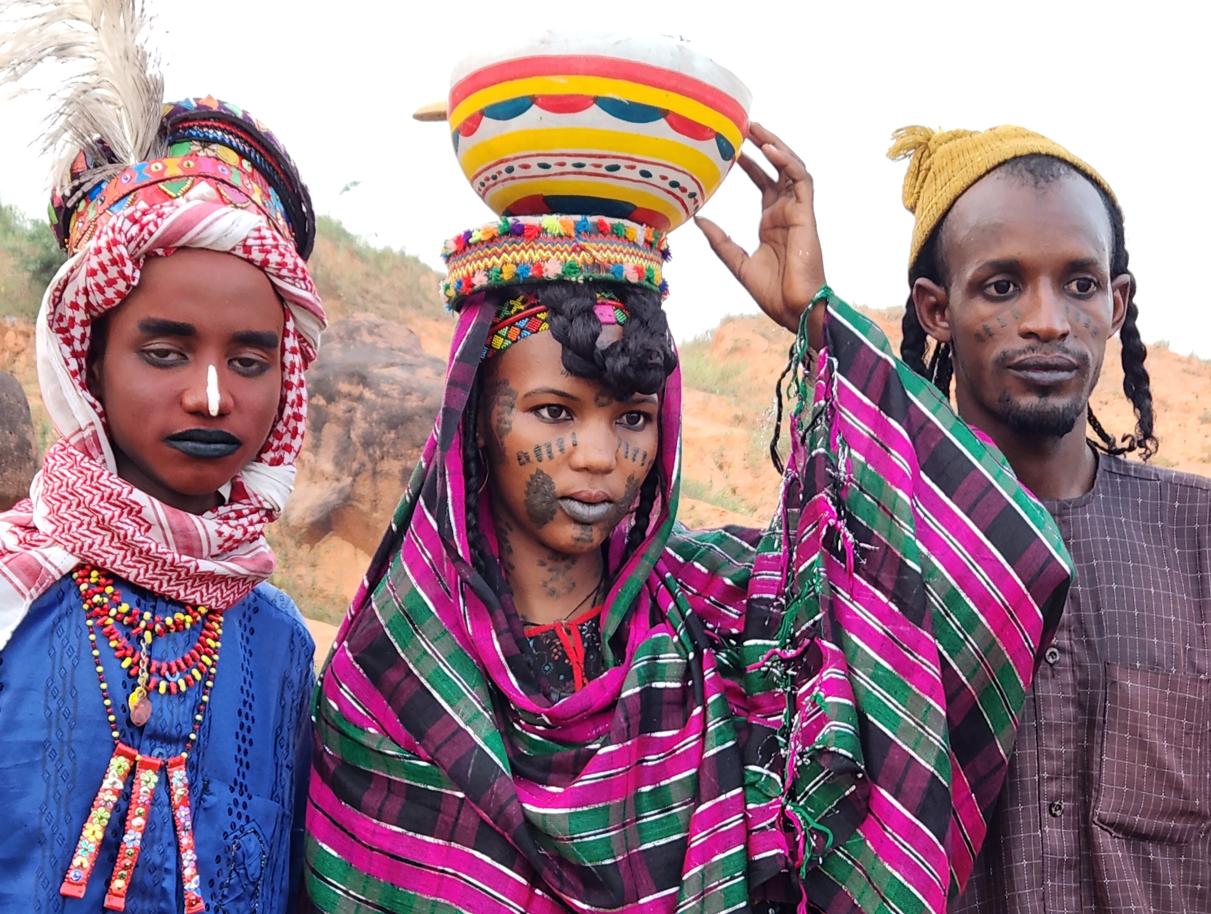
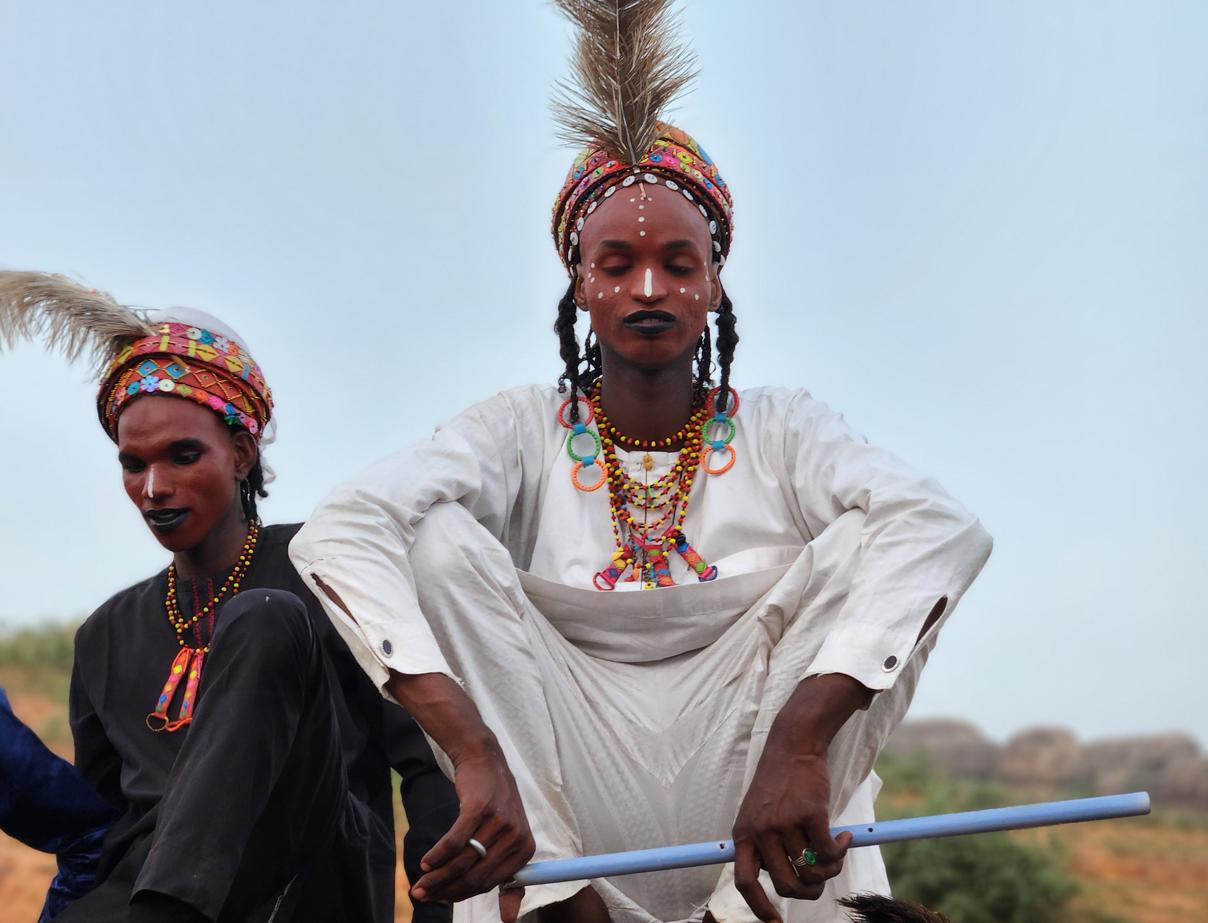
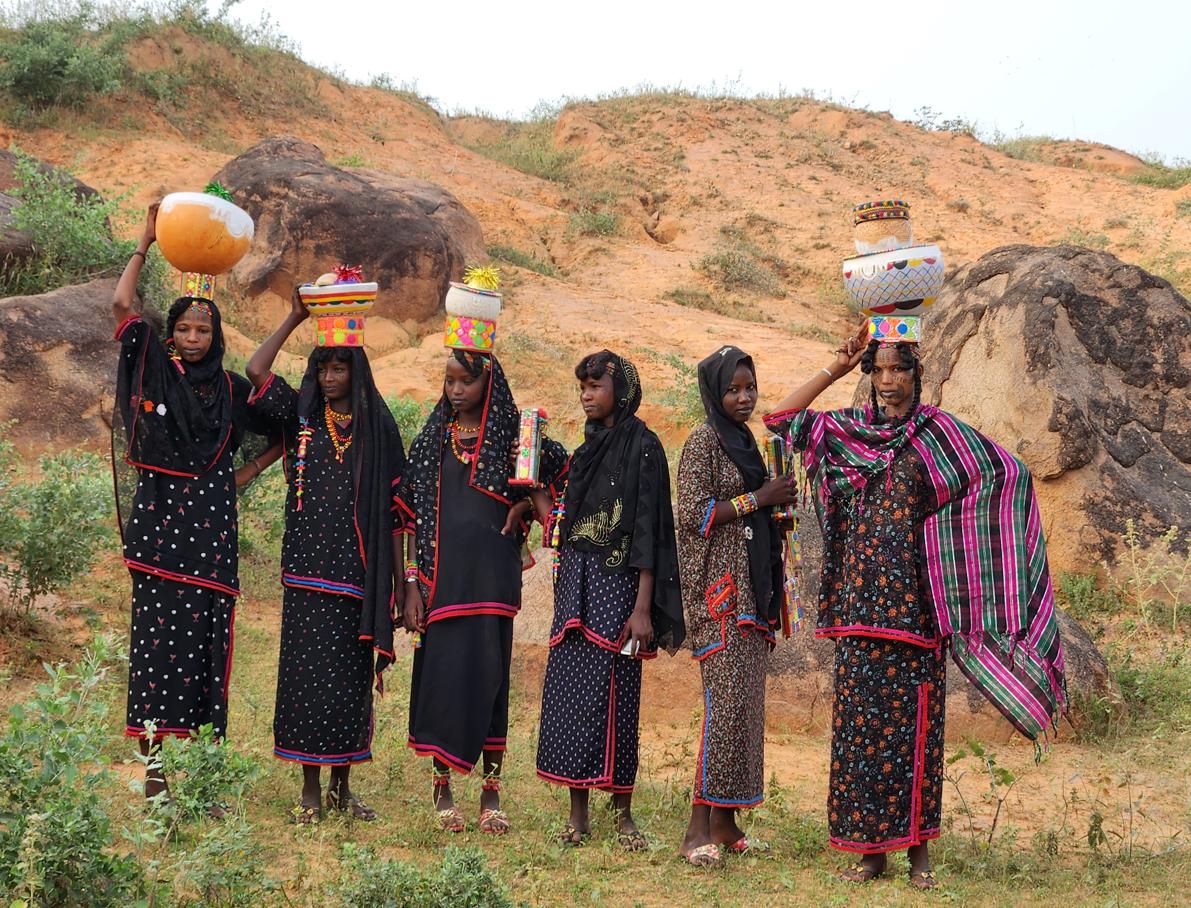
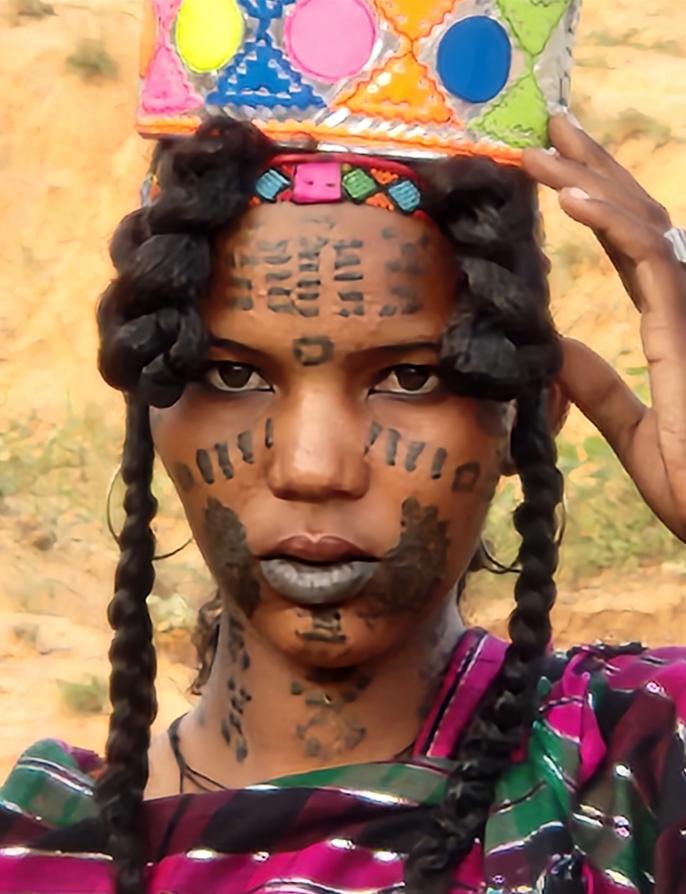
The women who had accompanied the group carried decorated calabashes balanced on their heads with the automatic ease of people for whom this is simply how one carries things. Their dresses were layered in bright cotton, hemlines thick with embroidered bands. They watched the men with expressions that gave nothing away.
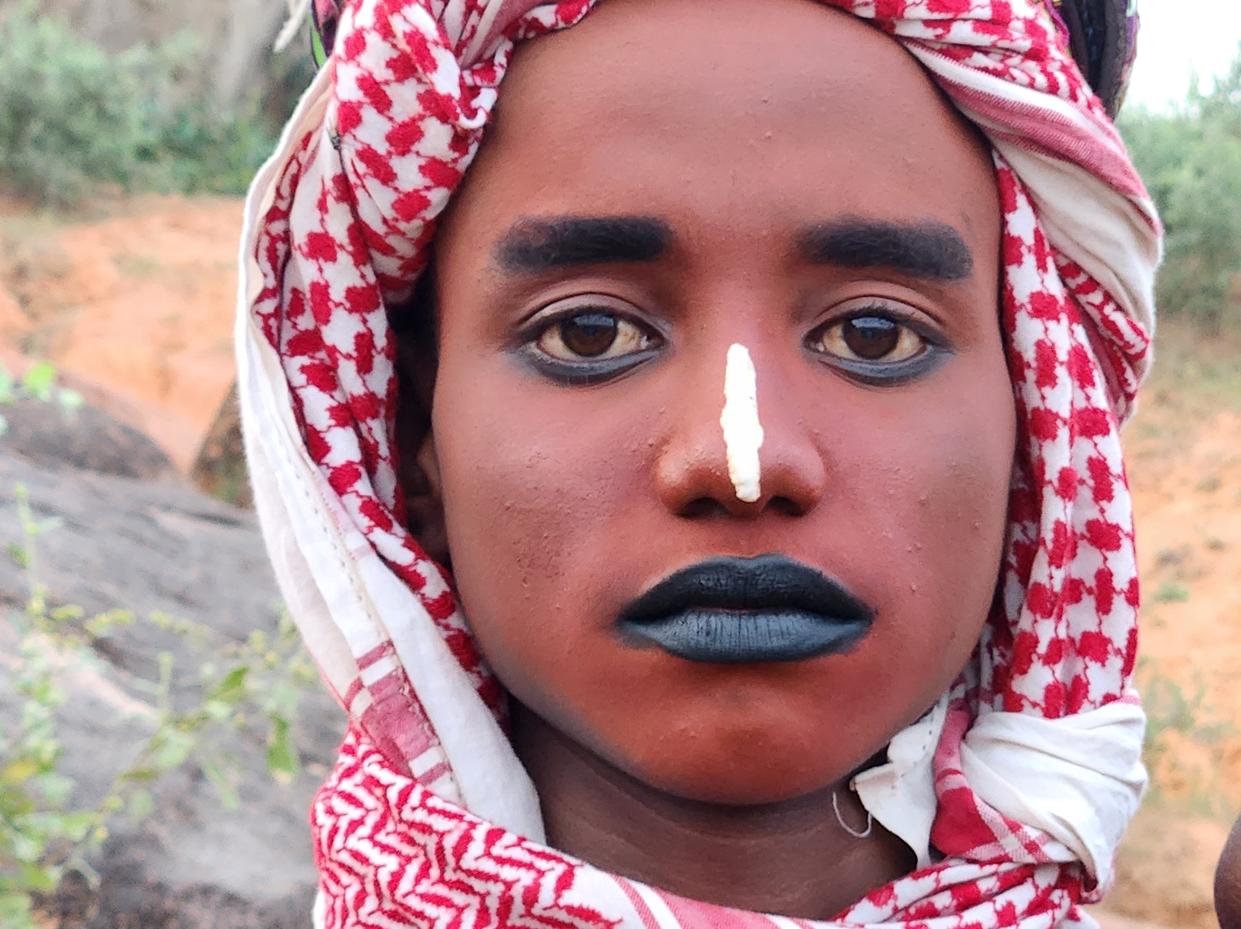
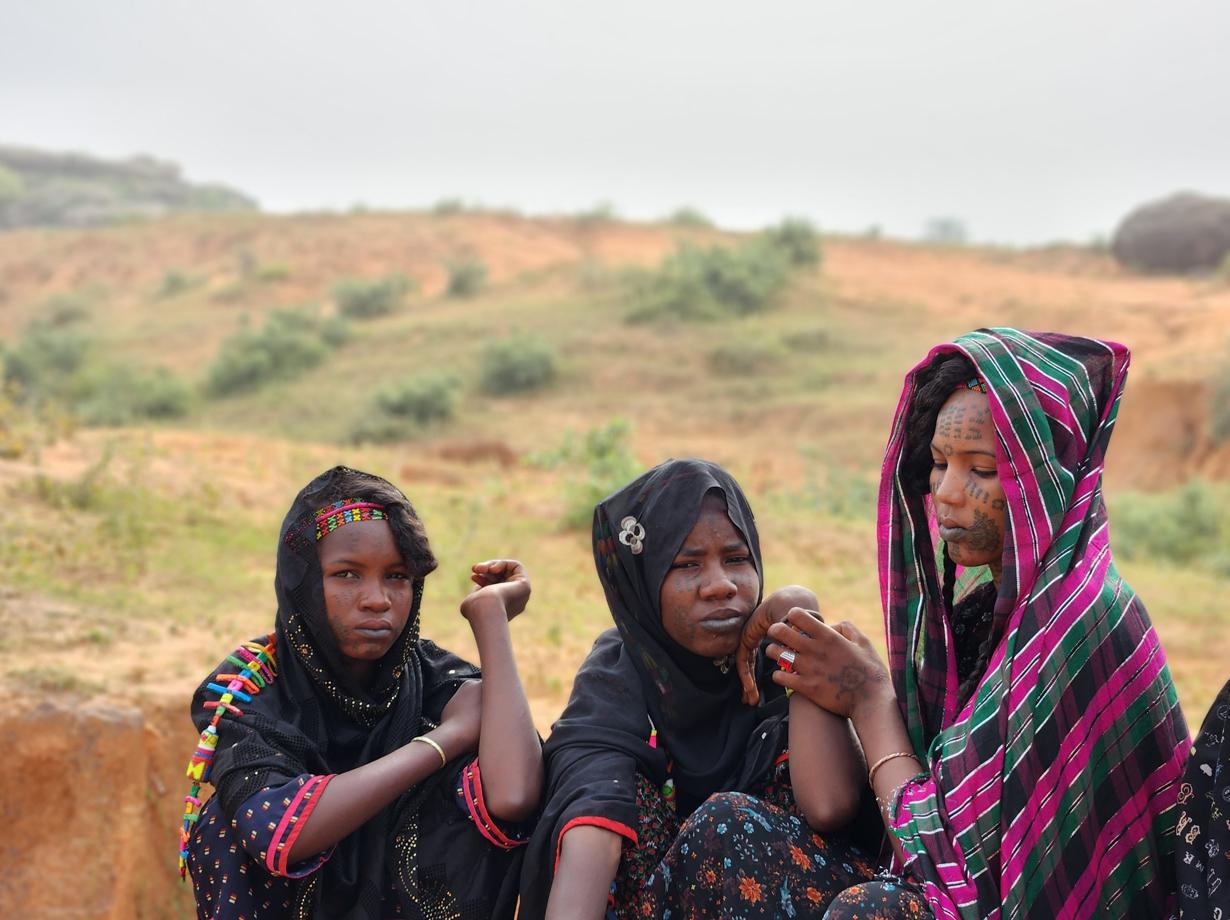
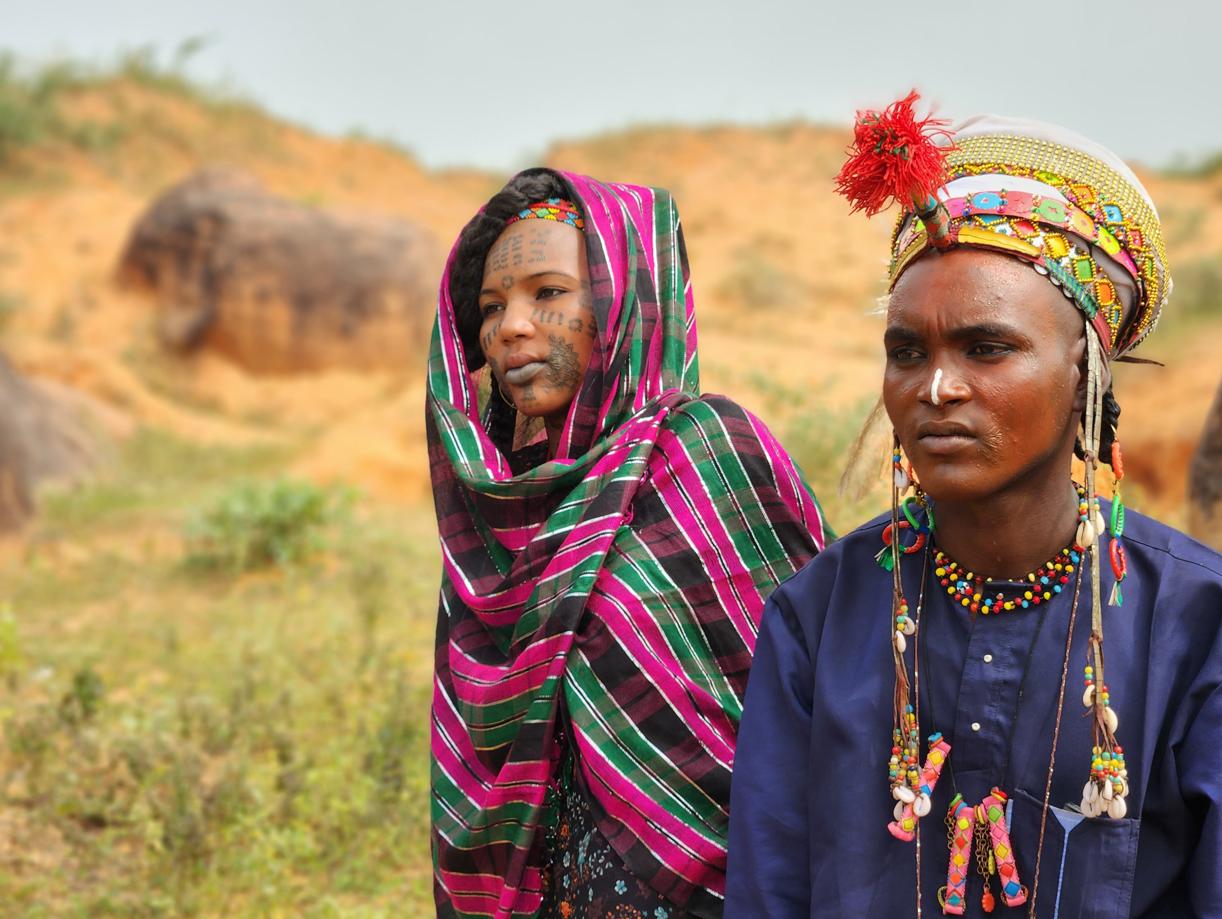
I stood at the edge of the performance, aware that what I was witnessing was simultaneously entirely genuine and entirely for our benefit — a paradox that attends most ethnographic tourism, and that the Wodaabe, who have been photographed by National Geographic and studied by anthropologists for decades, have presumably made their peace with. The young man nearest me widened his eyes until the whites showed all around the iris and held the expression, without blinking, for what felt like an uncomfortably long time. Then he grinned at me, the black-painted lips parting, and I had the distinct sense of being assessed and found, on balance, not quite to his standard.