Sindh — The Land of Saints and the Dead
"Go to the moth, the surest way of immolation ask— The moths, who throw themselves into the fire every day; Whose tender hearts became a prey to cupid's arrow sharp."
— Shah Abdul Latif Bhittai, Risalo (18th century)
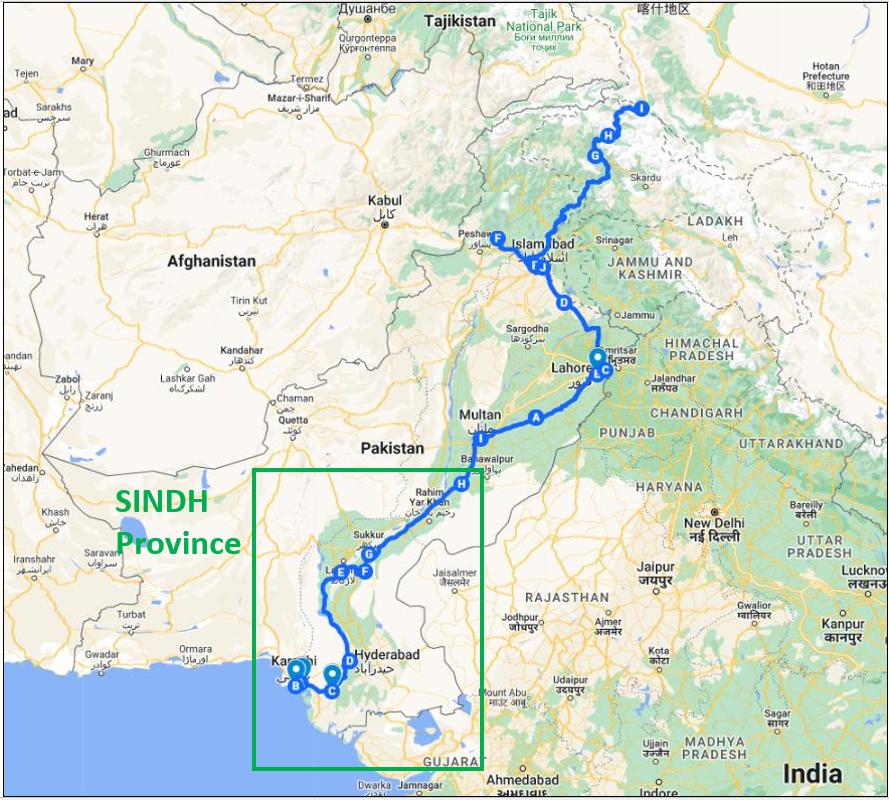
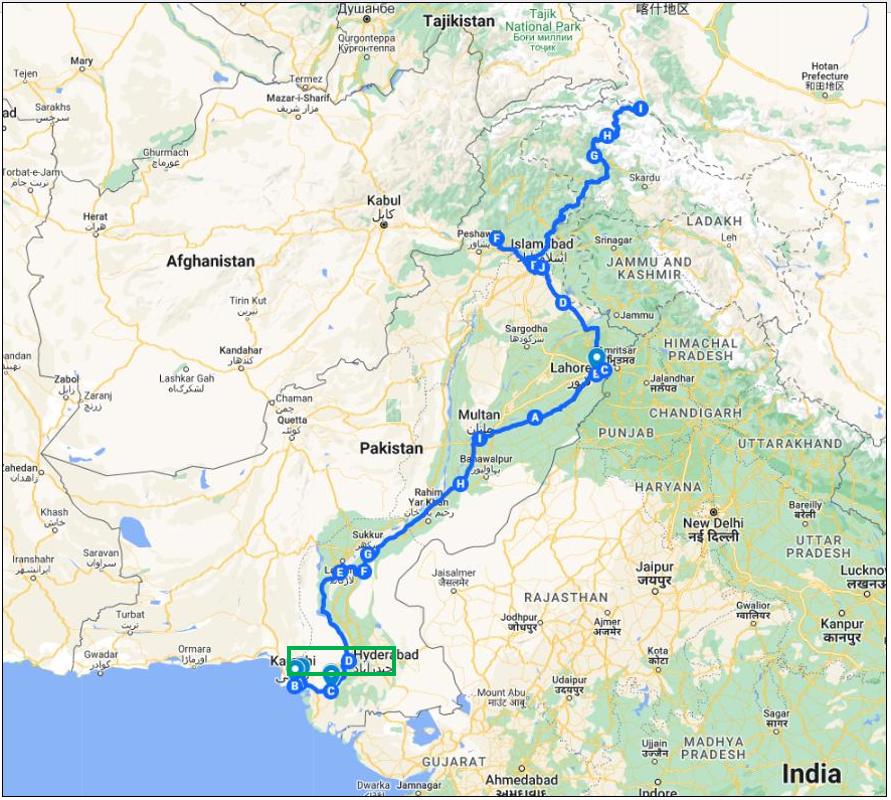
We left Karachi before dawn on the second day, heading south and east along roads that passed through industrial suburbs and then, suddenly, into the landscape that is Sindh's dominant register: flat, ochre, enormous. The Indus delta stretches across this southern terrain in its multiple braided channels, and the light over it in the early morning is the colour of old brass, a metallic warmth that suggests antiquity without being theatrical about it.
The Ancient Dead at Chaukhandi
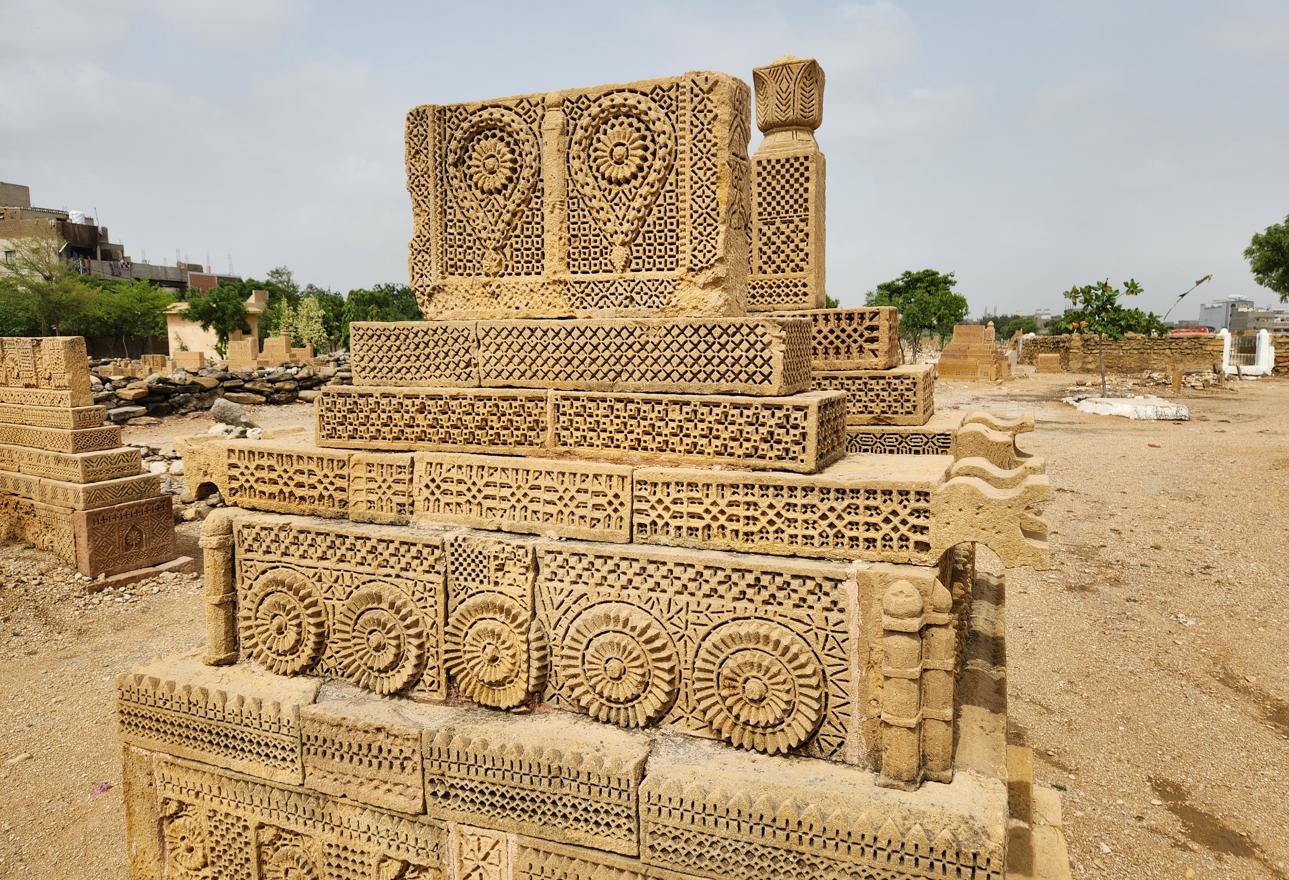
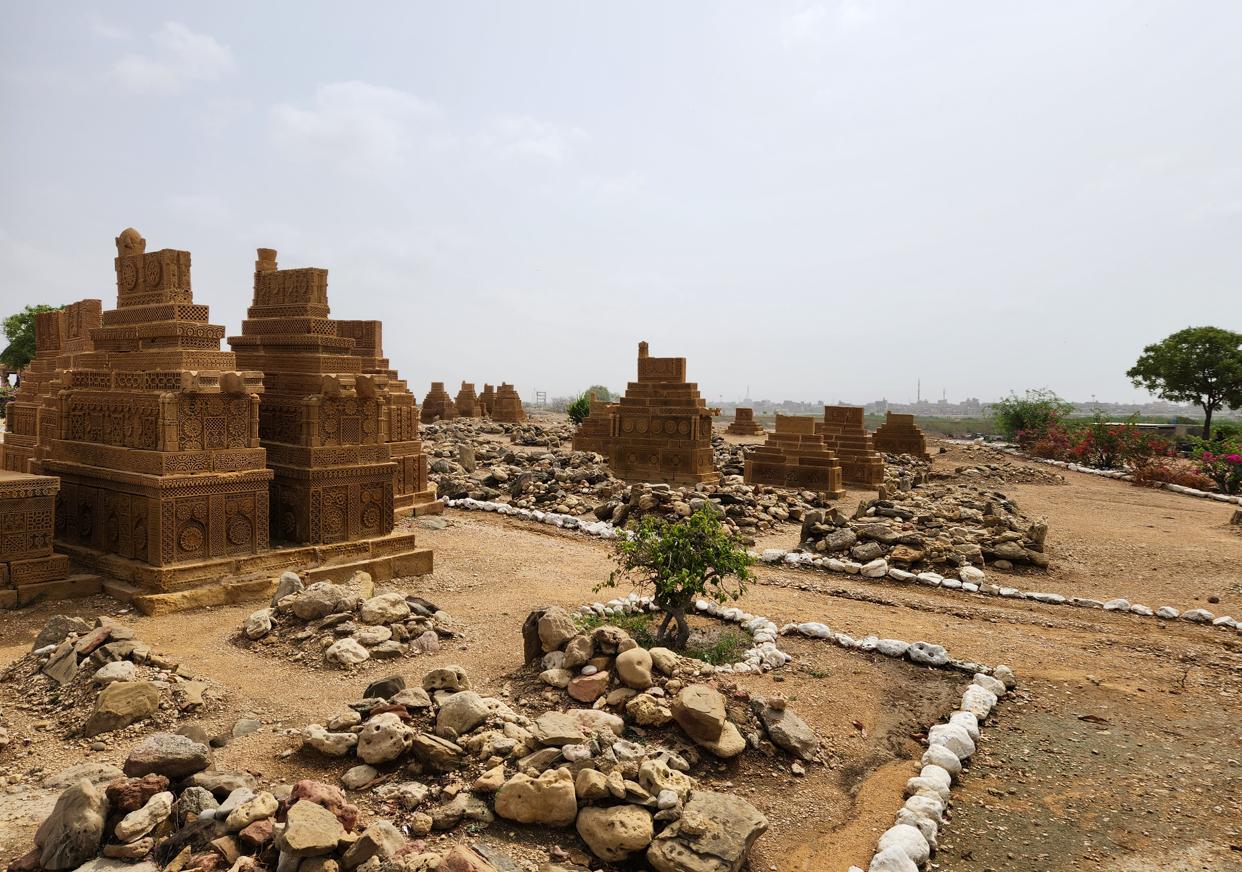
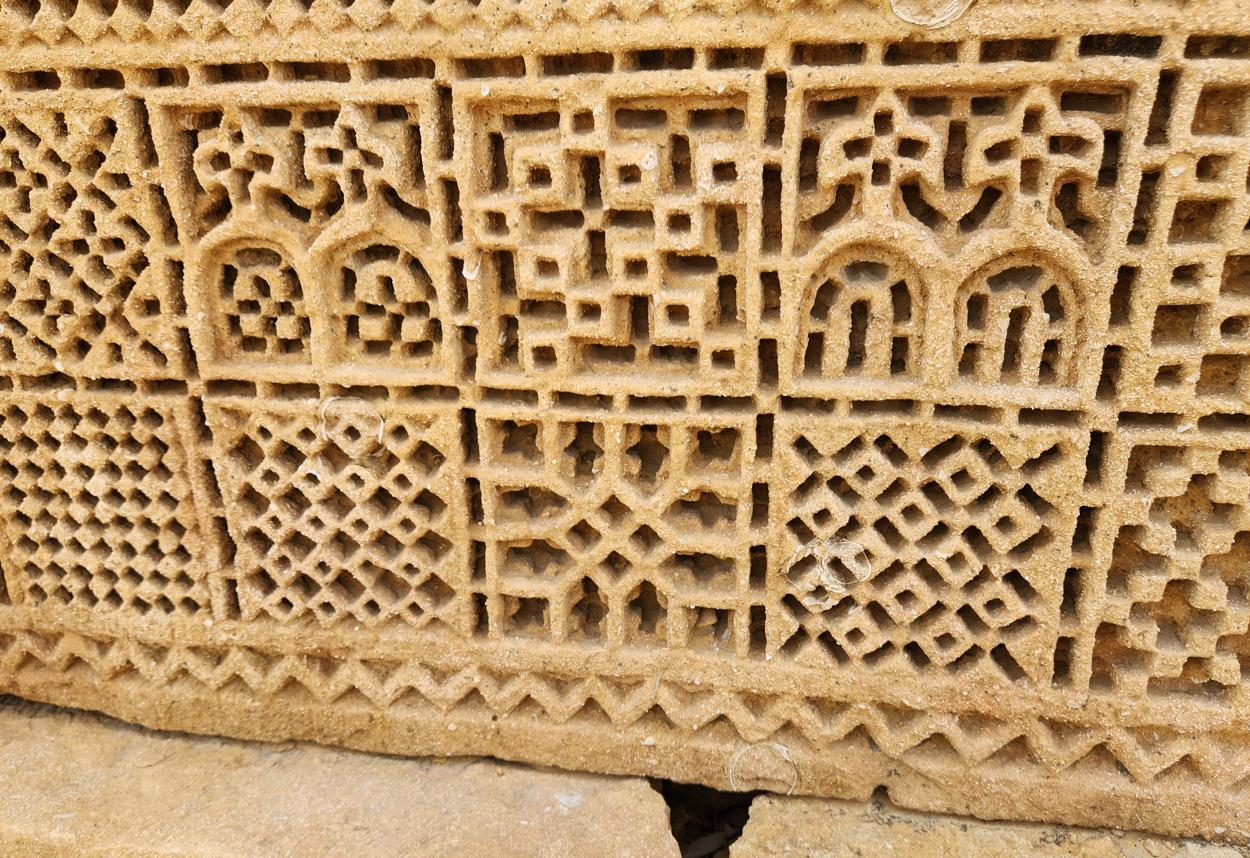
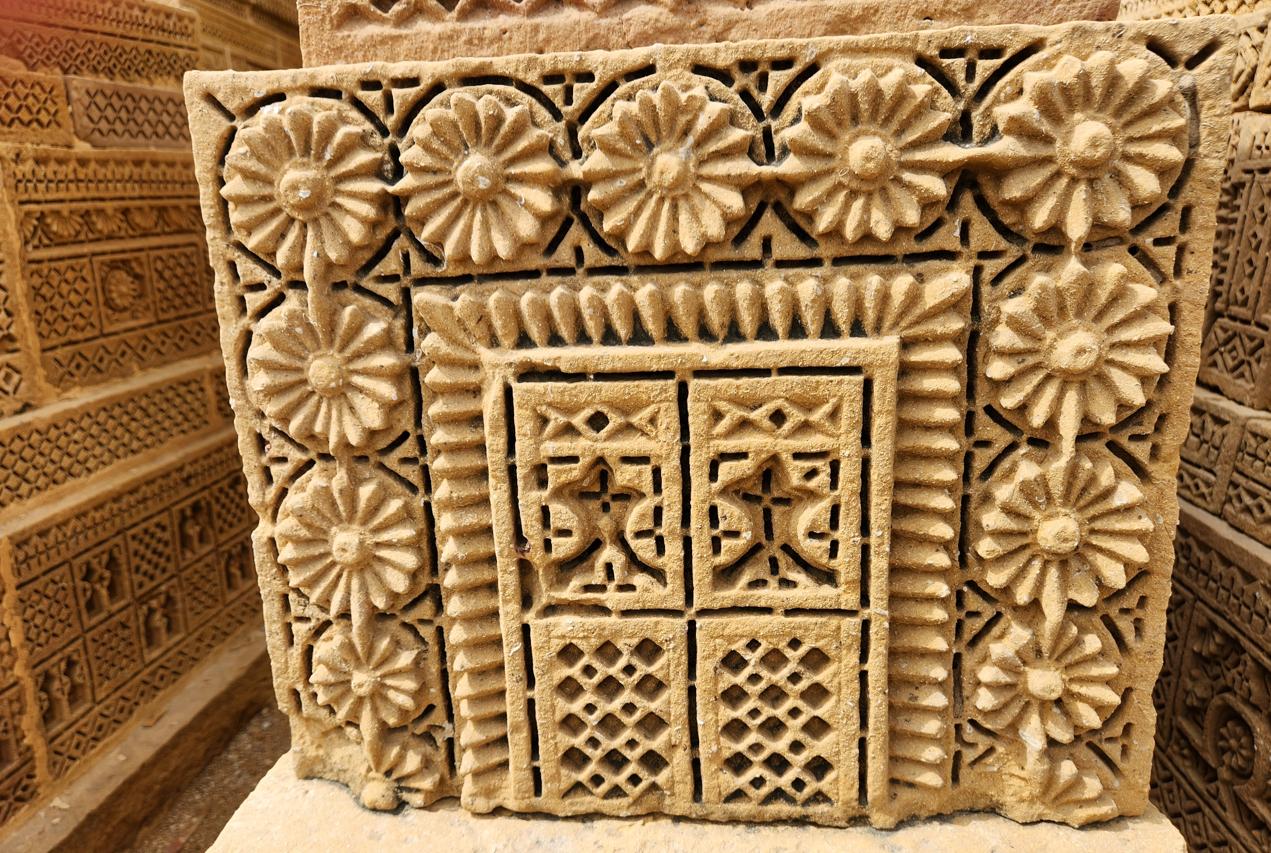
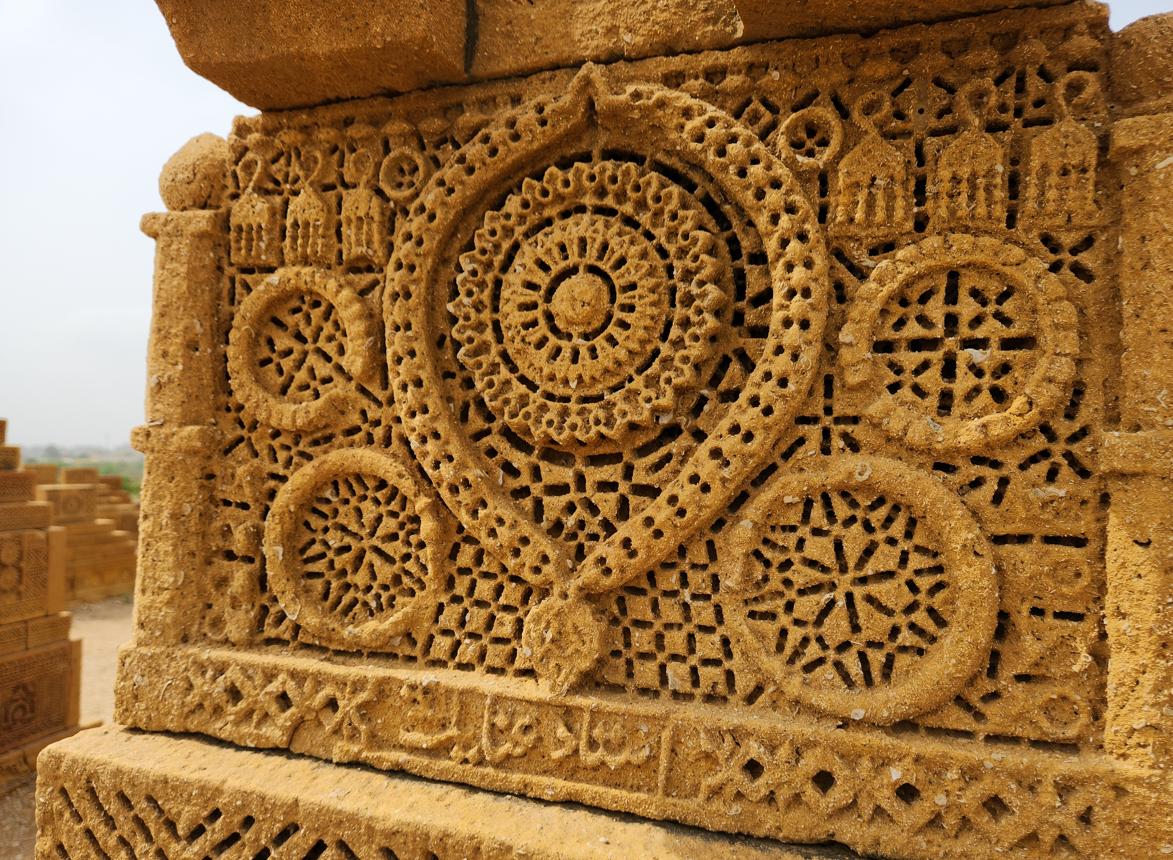
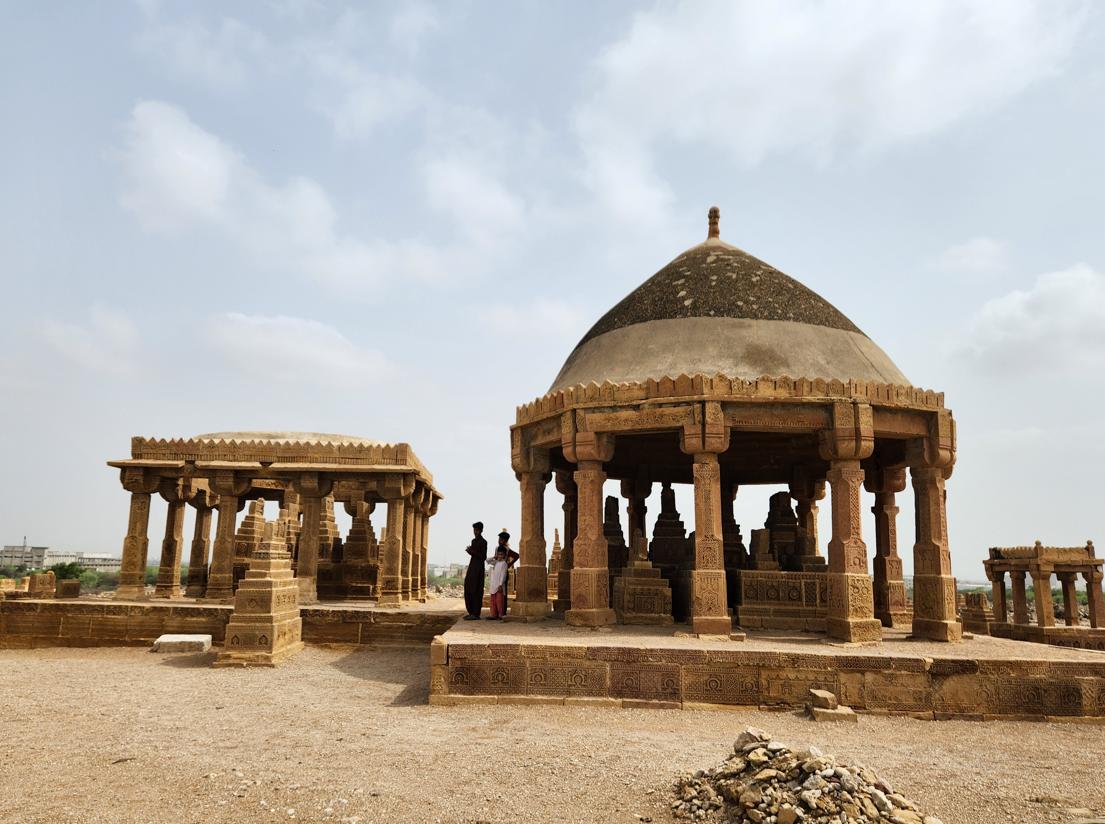
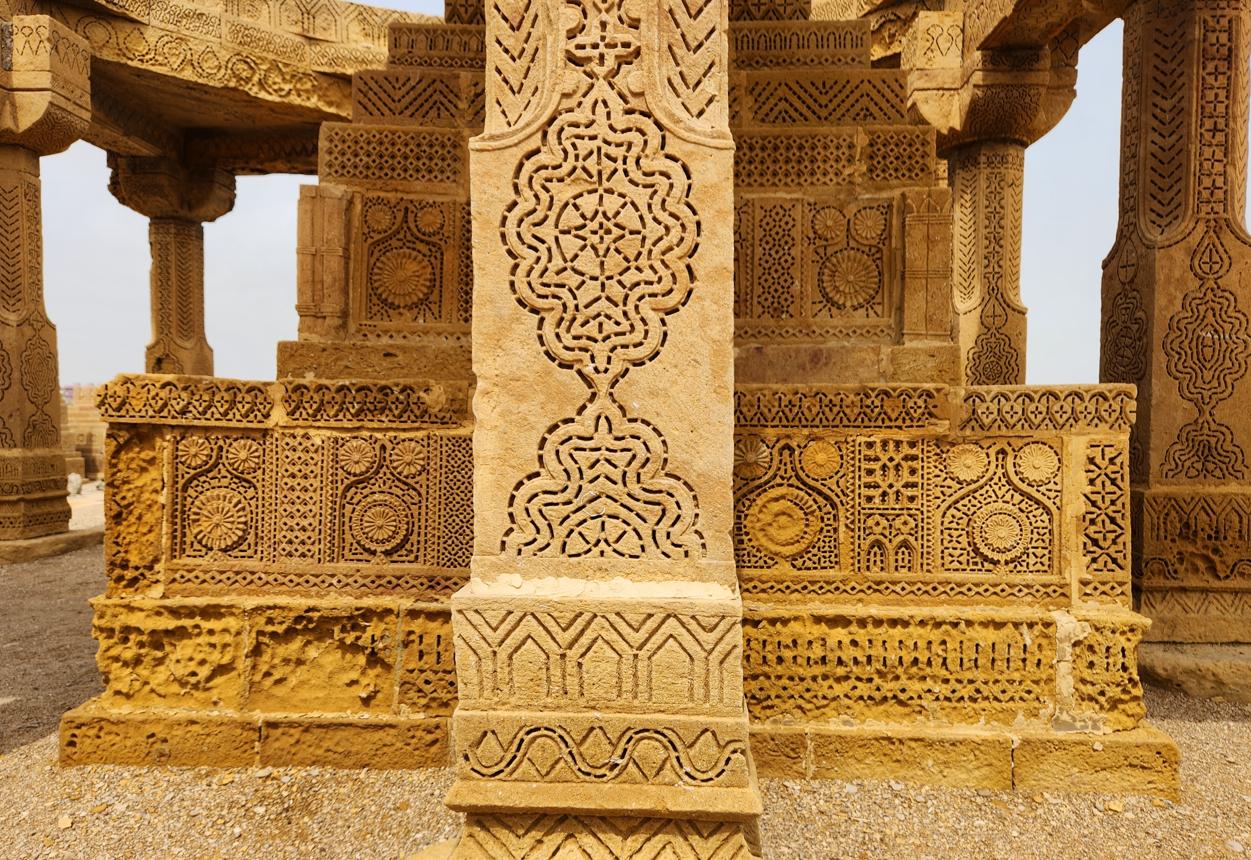
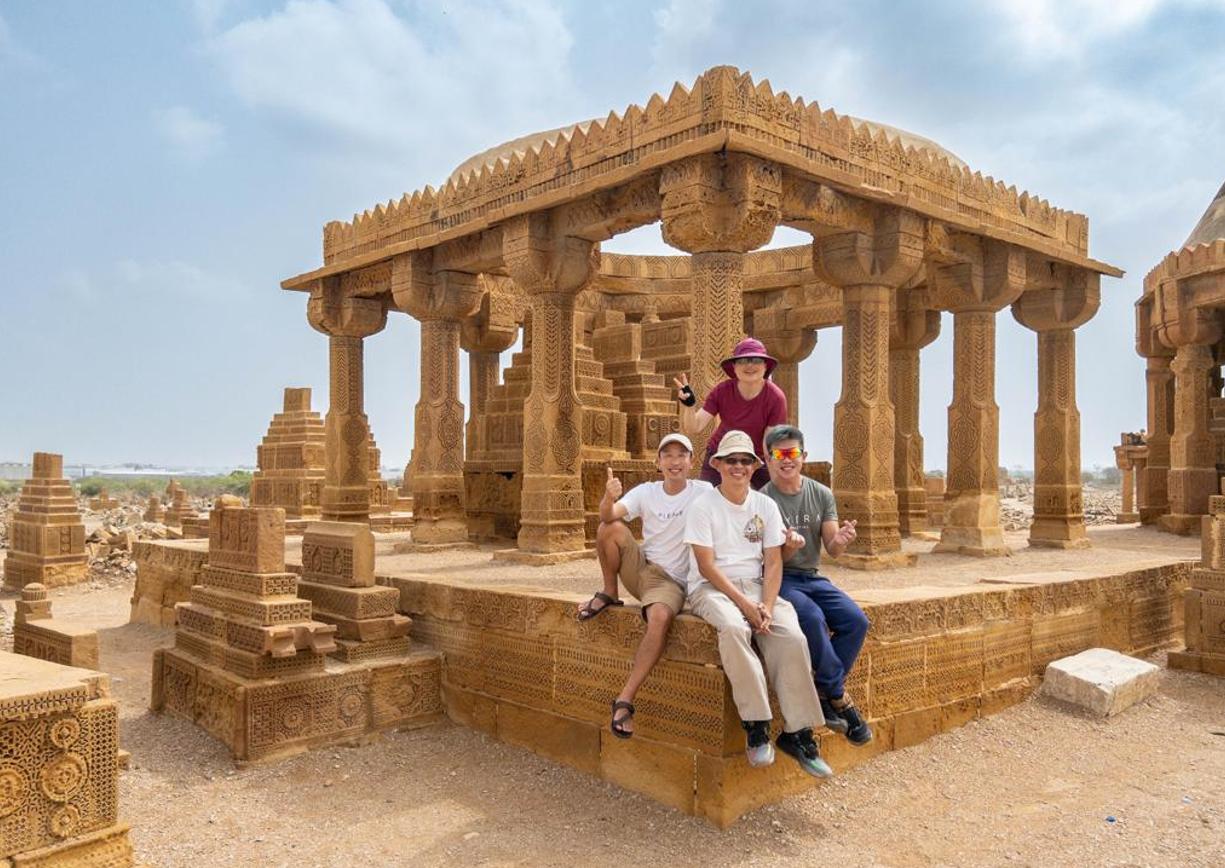
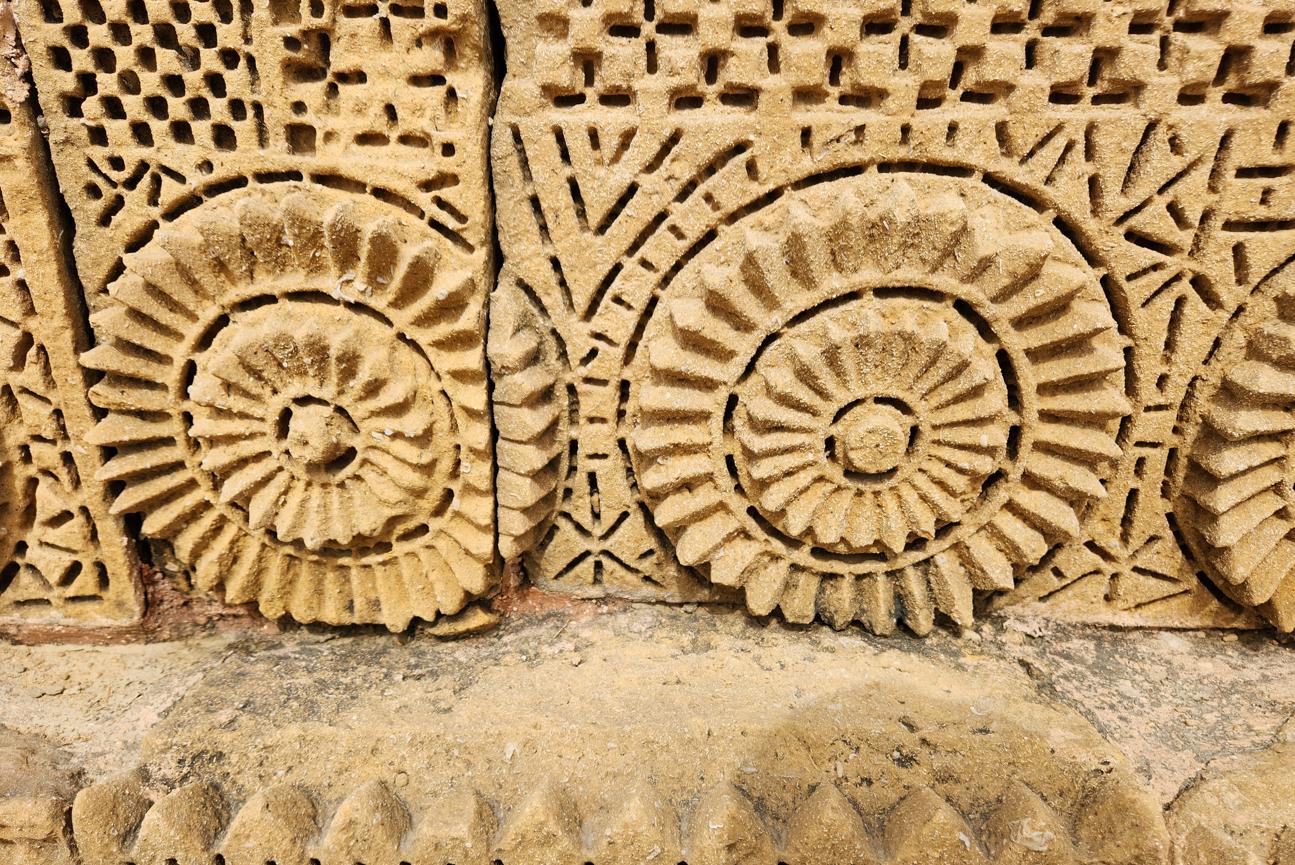
The Chaukhandi tombs appeared without warning, as the best things in Sindh tend to. The taxi turned off the national highway onto a dirt track, and there they were: hundreds of sandstone structures rising from the flat ground, their pyramidal tops carved with images of turbans and jewellery — the turbans for the men, the jewellery for the women — a convention so simple and so eloquent that it required no explanation. The tombs of the Jokhio and Baloch tribes, built between the fifteenth and eighteenth centuries. We were the only visitors.
Jamal walked among them with the proprietorial ease of a man in his own garden. He ran his hand along a carving — horses, geometric flowers, a line of horsemen in what might have been a hunting scene. 'This one,' he said, 'is a warrior. You see the sword at his side. He died in battle, most probably against the Mughals.' He said it in the same tone one might use to describe a plumber.
Banbhore, the First Mosque
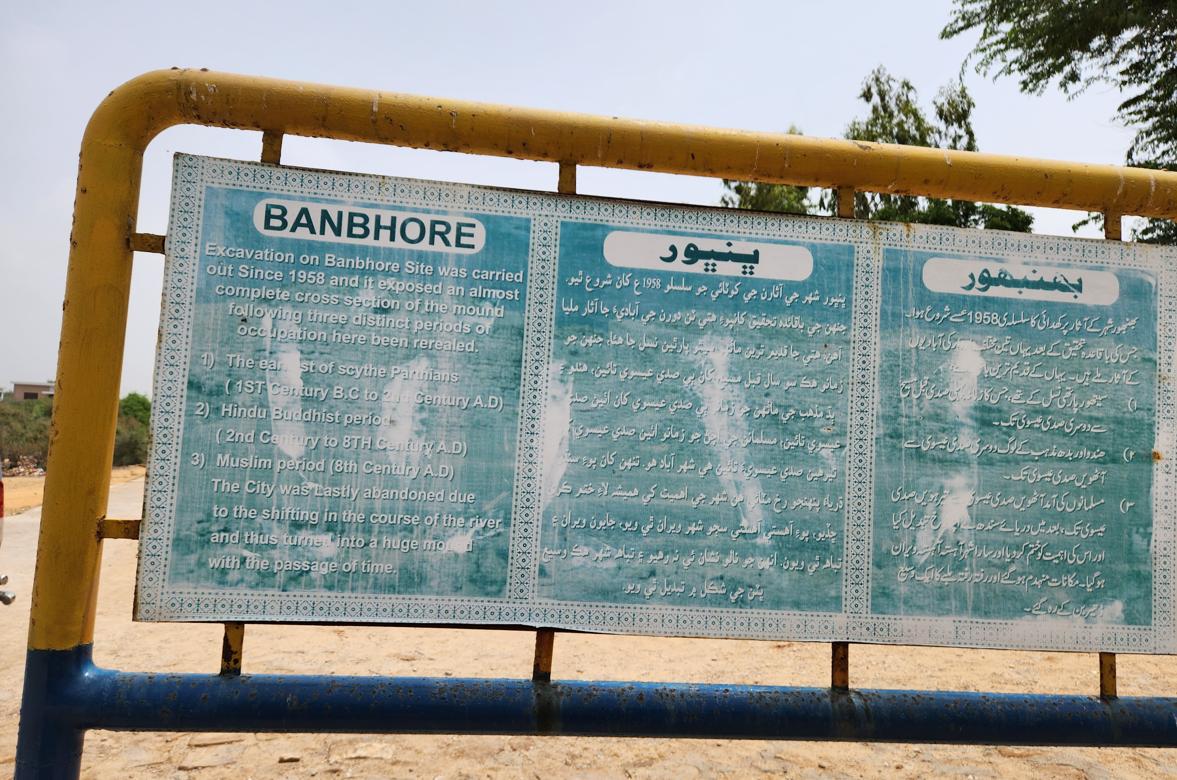
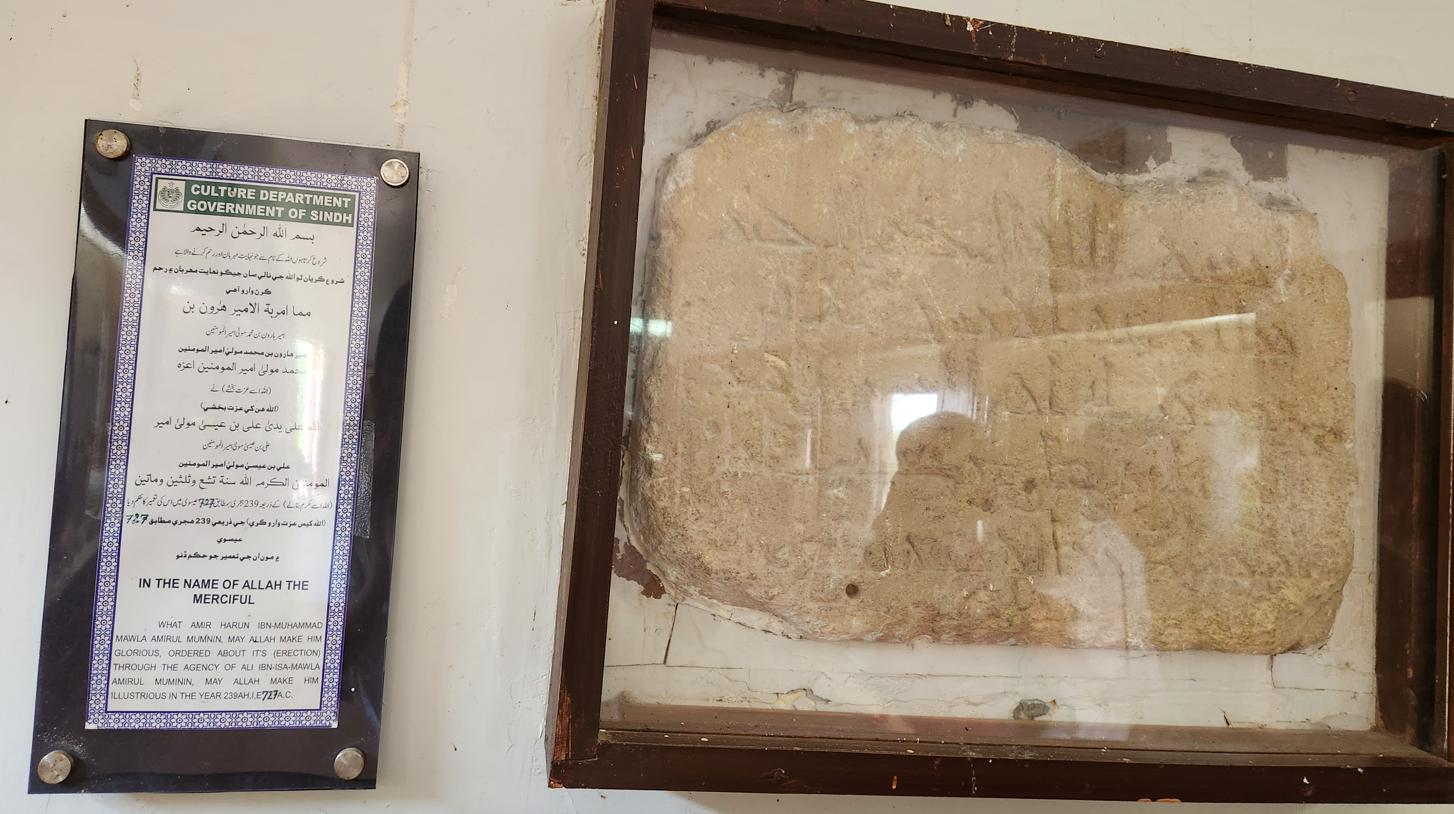
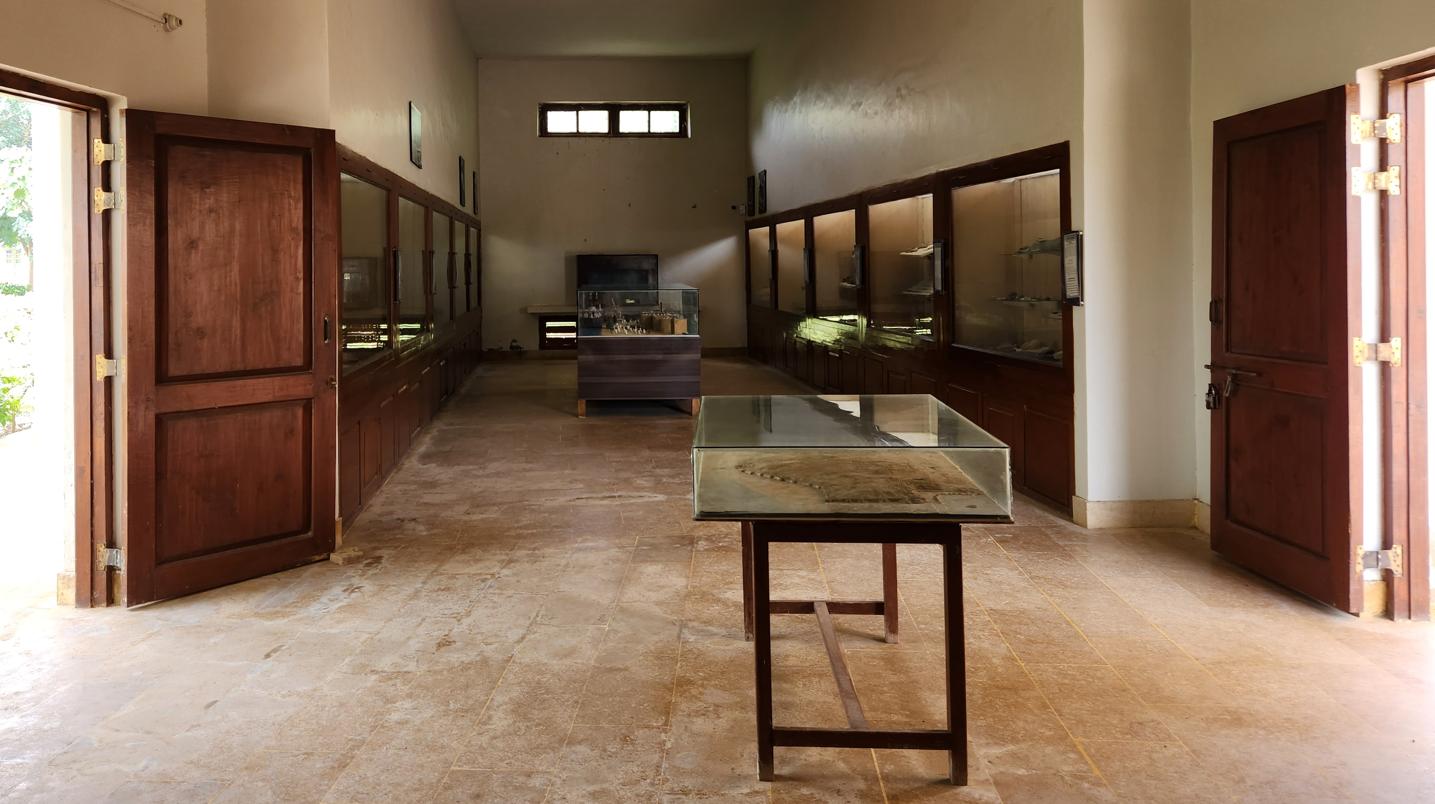
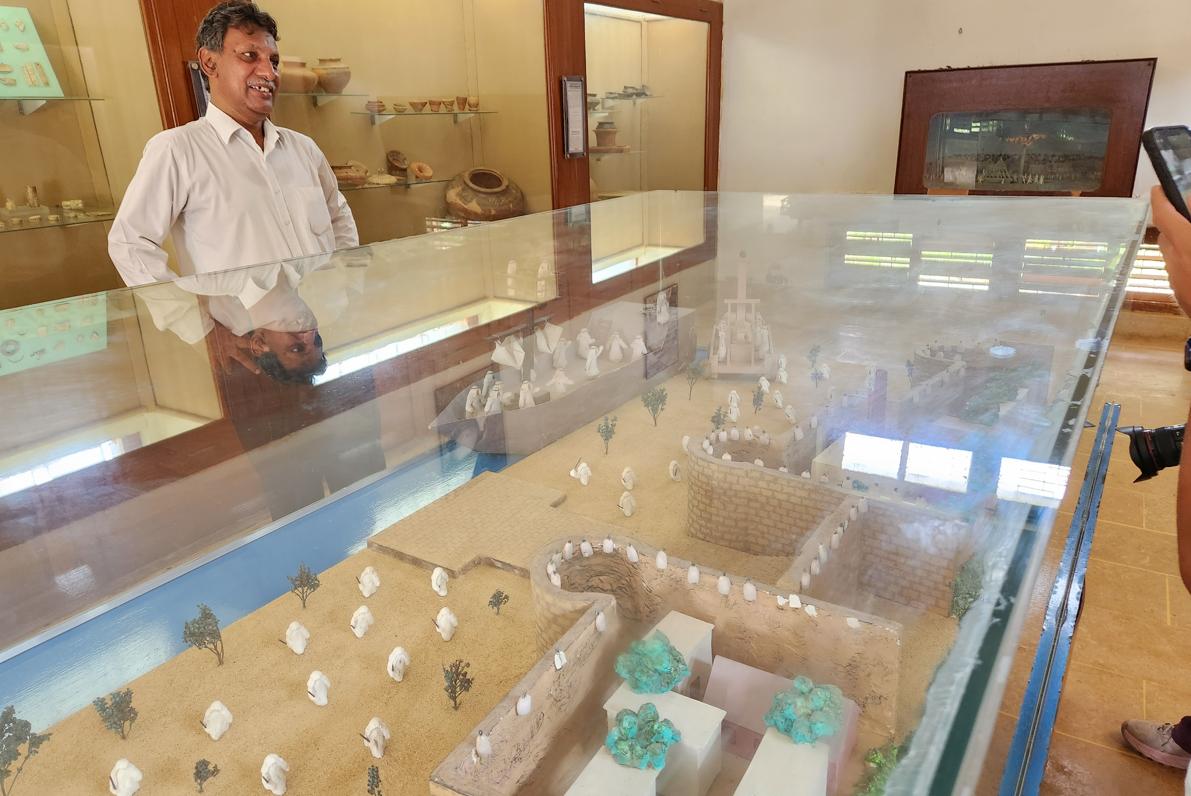
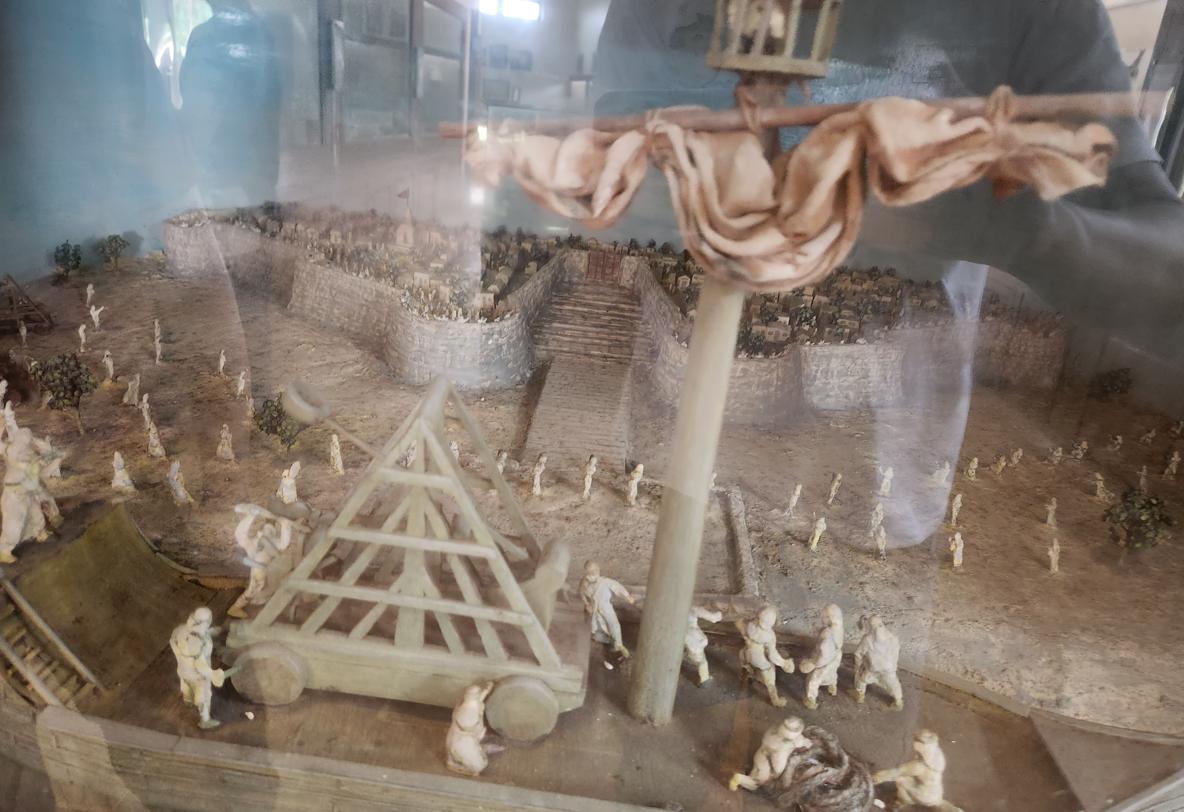
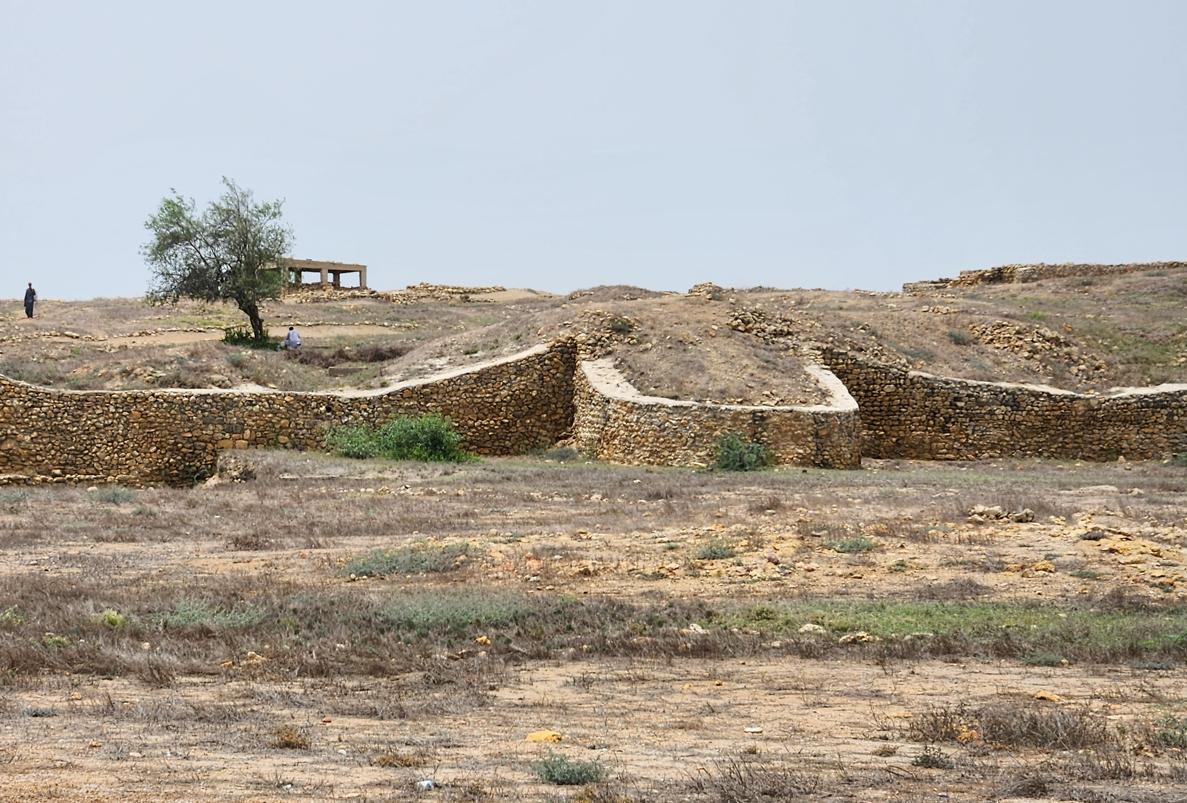
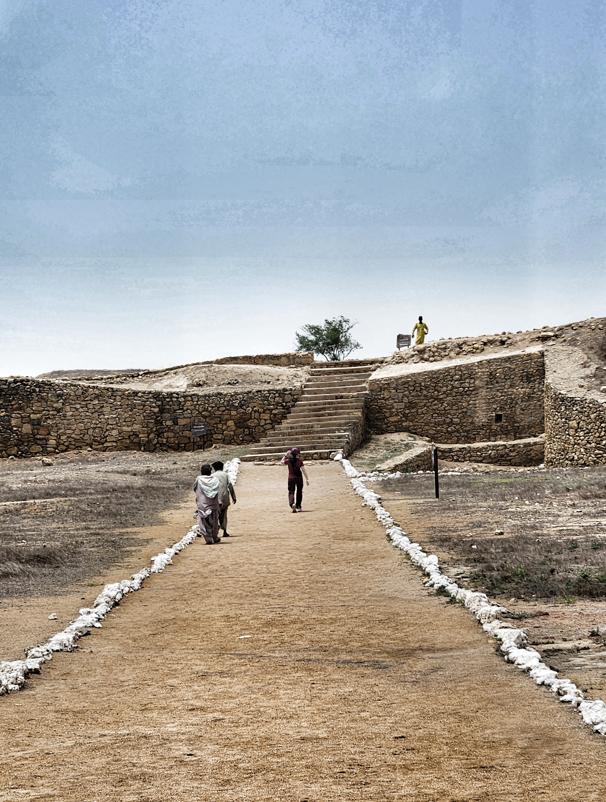
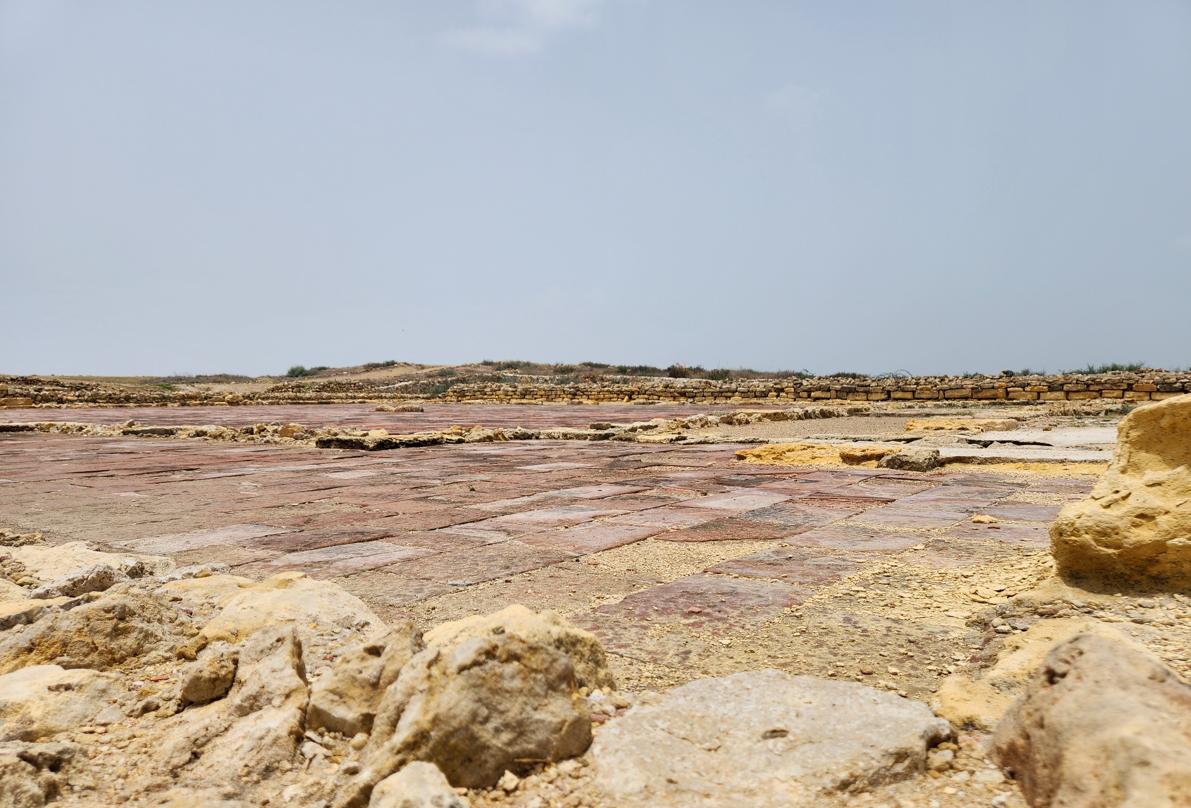
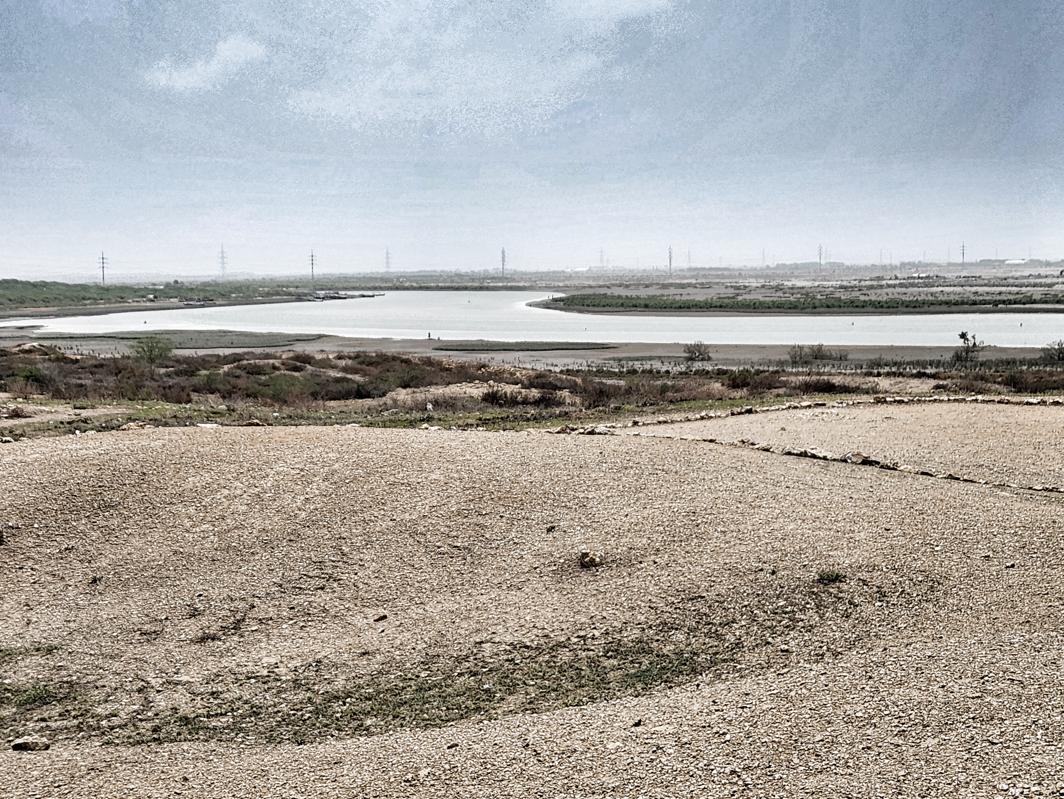
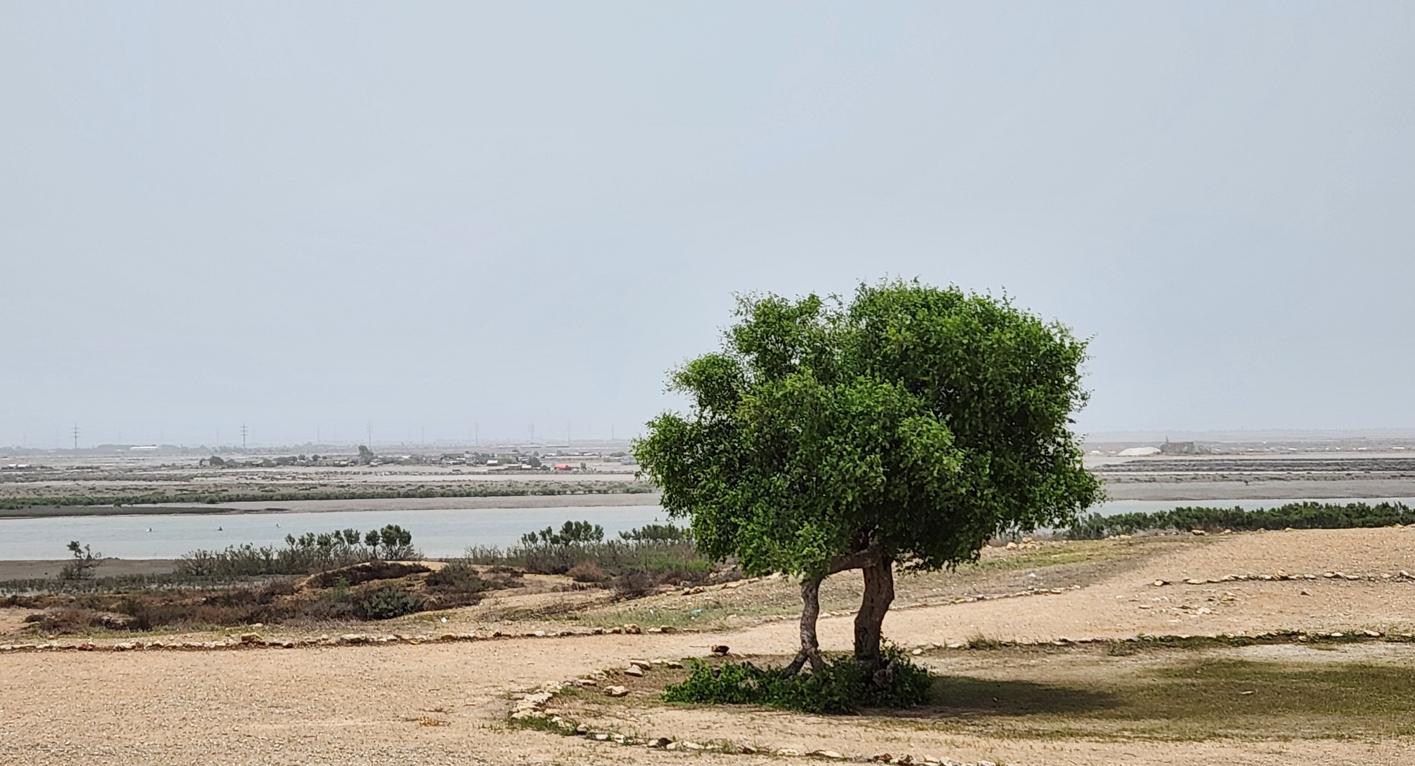
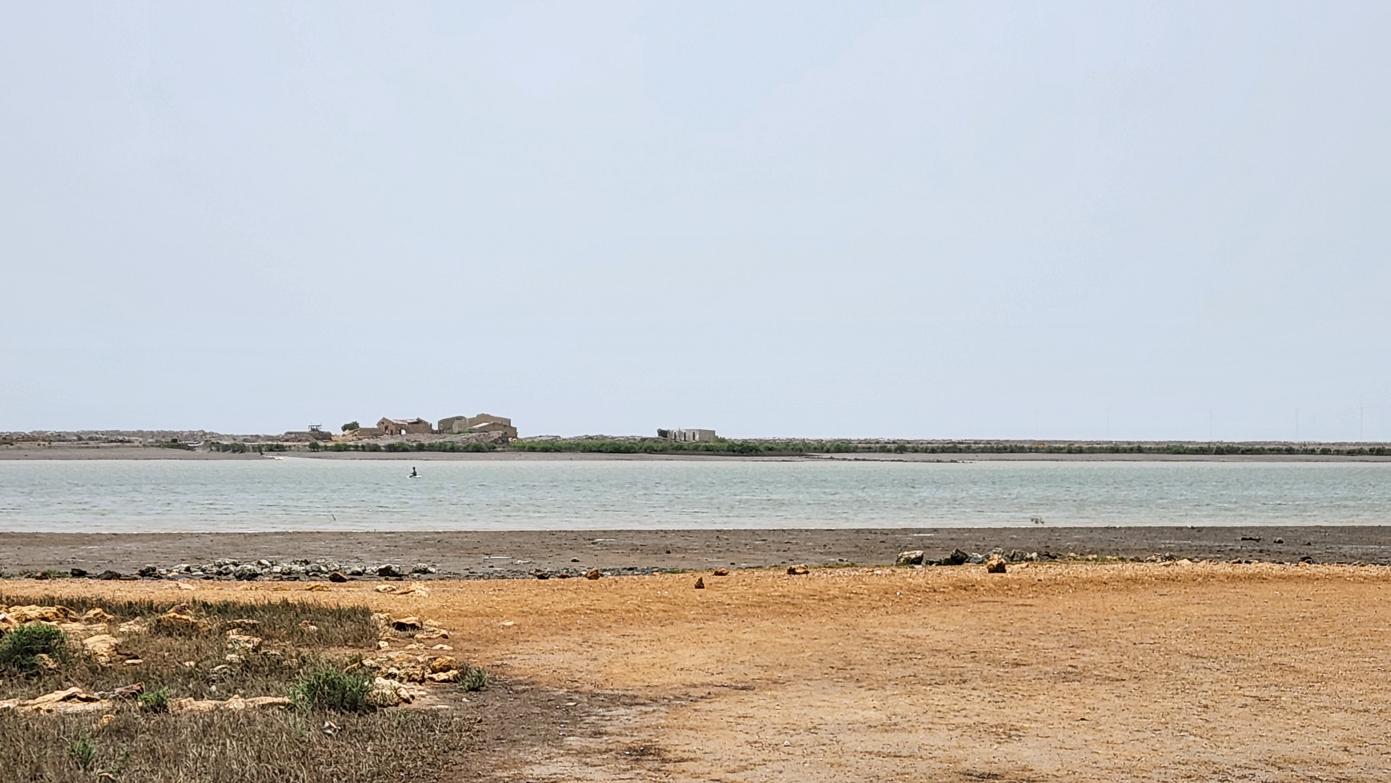
Banbhore — widely identified, though not conclusively proven, as ancient Debal — was next: a low hill of crumbled walls above a tidal creek of the Indus delta, the air thick with the smell of mud and salt and the particular sulphurous note of deltaic waters in summer. There is, despite what an older guidebook once told me, no real evidence that Alexander the Great fought any battle here; his actual stage in the delta was Pattala, generally identified with Thatta, some forty to sixty kilometres from Banbhore, where he built a harbour and dockyards and split his returning army in two — one column under Nearchus to sail the fleet home along the coast, the other under his own command to cross the murderous Gedrosian desert. Banbhore's certain history begins much later, in 711 CE, when the seventeen-year-old Arab general Muhammad bin Qasim besieged the fortified seaport and began the Islamic conquest of the Indian subcontinent — a moment whose consequences are still being worked out, in blood and argument, fourteen centuries later.
The Battle of Debal that followed is one of the great founding stories of Muslim South Asia. Raja Dahir, the Hindu king of Sindh, had failed to control pirates operating out of Debal who had seized a shipload of Muslim women bound from Sri Lanka to the Gulf — an insult the Umayyad Caliph in Damascus was not inclined to absorb. Muhammad bin Qasim, the Caliph's nephew, was dispatched with some six thousand Syrian cavalry and three thousand camels to settle the matter. Debal was no easy target: its walls were strong, and at its centre stood a great temple from which the city is said to have taken its name, flying a red flag the defenders called “the Bride.” Qasim brought with him a massive siege catapult, and an engineer named Jaubat is said to have brought the flag down with the first shot — an event the chroniclers report as having thrown the city's own magicians into despair, as if their talismans had simply stopped working. The walls were scaled soon after, the city surrendered, and Qasim went on to conquer the whole of Sindh and put Raja Dahir to death.
Qasim himself did not long survive his triumph. The story — more legend than verified history, but told everywhere in Sindh with complete conviction — holds that Dahir's two captured daughters, sent on to the Caliph's harem in Baghdad, told the Caliph that Qasim had violated them before handing them over. Enraged, the Caliph had the young general sewn into raw oxhide and shipped back to Syria, where he suffocated en route — a death the sisters had engineered, the story goes, purely to avenge their father, and which the Caliph is said to have bitterly regretted once the deception came to light, ordering the two women bricked up alive in punishment. Whatever the truth buried beneath the legend, Debal's fall remains the hinge on which South Asian history turned: the moment one world ended and another, still unfolding, began.
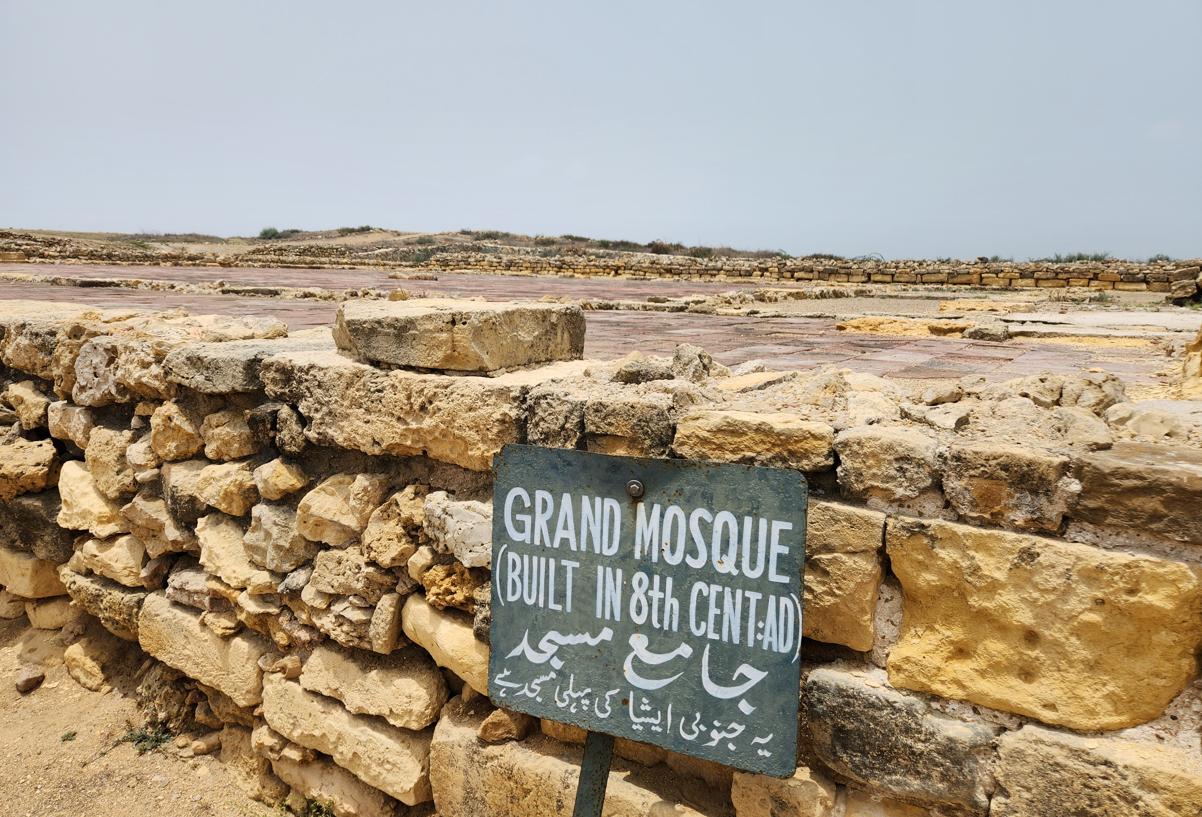
The fort walls still stand to some height, made of the fired brick that is the characteristic material of this part of the world, baked in kilns that burned for centuries. Within the walls, if you look carefully, you can find fragments of Umayyad pottery half-buried in the soil. The first mosque in South Asia — the Masjid Jamia, established in 727 CE, after the conquest — is a rectangle of low brick courses, its mihrab visible if you know where to look. This is where a civilisation turned, where one world ended and another began. Pakistan is marked, everywhere, by such hinges.
The City of the Dead: Makli Necropolis
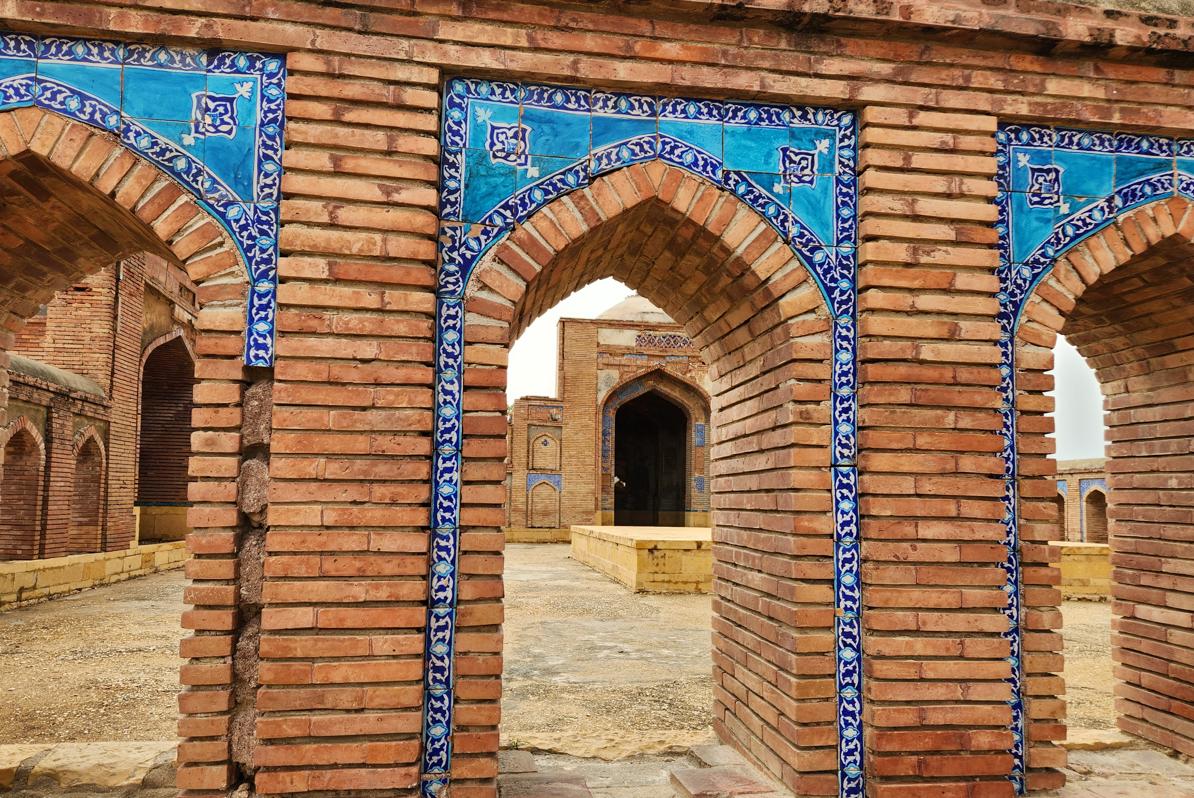
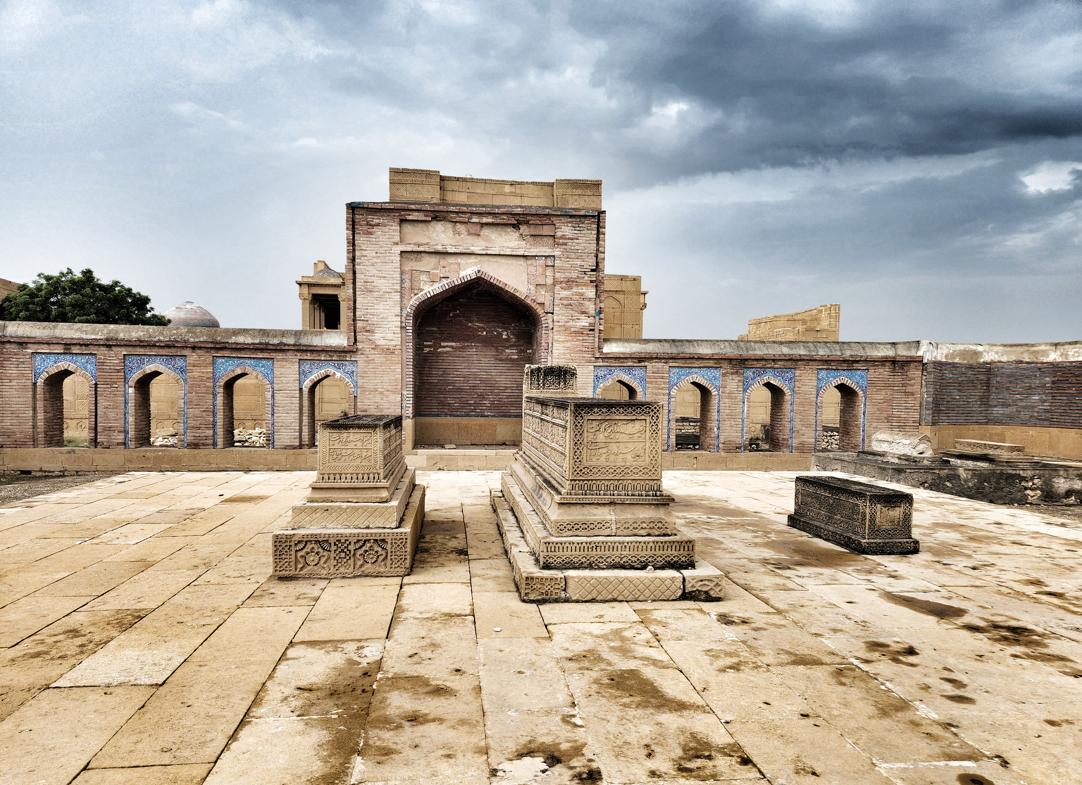
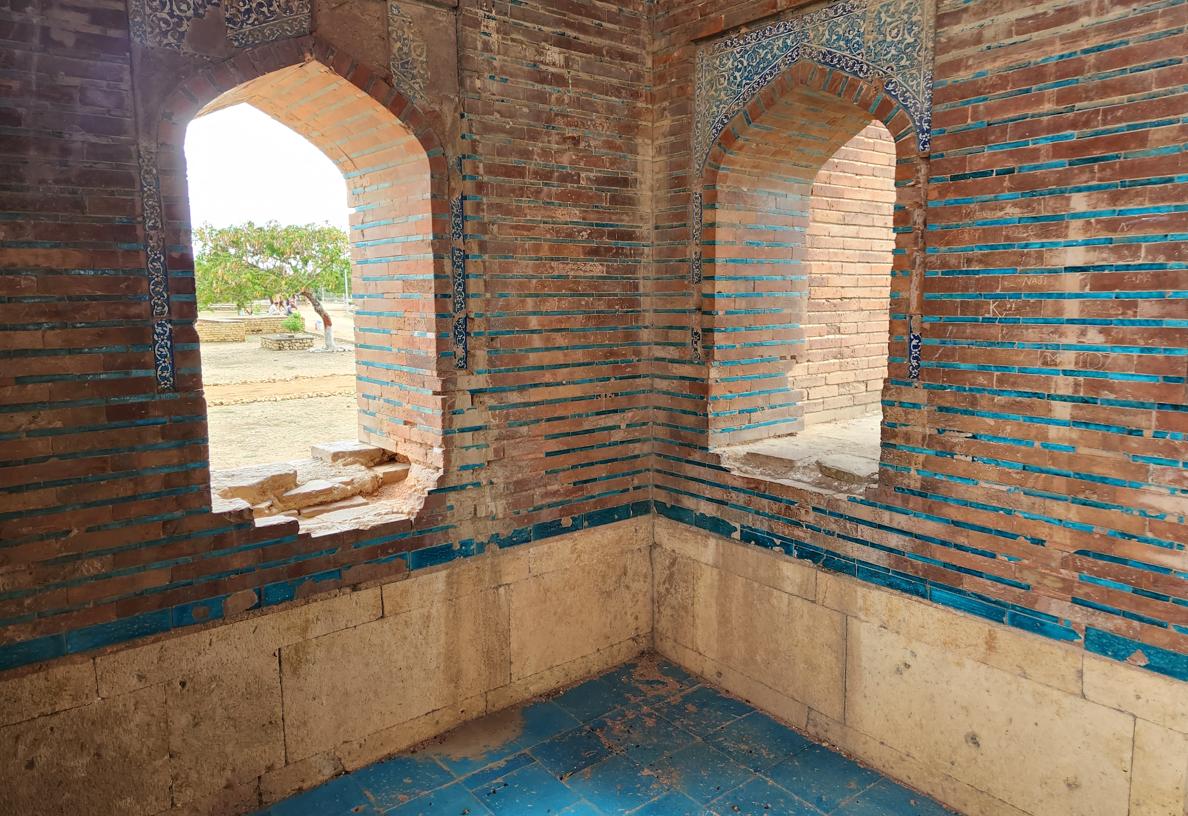
Thatta itself, before any of that, is widely thought to occupy the site of ancient Pattala — though, like so much in the delta, the identification is debated rather than settled, the river having shifted its course so many times over two millennia that certainty is mostly a courtesy historians extend to each other. It was here, at the apex of the Indus delta where the river split into two branches, that Alexander the Great made his final South Asian camp in 325 BCE. He ordered his admiral Hephaestion to build a harbour, dockyards, and fortifications, since the twin channels made the site an obvious maritime launchpad; when he arrived he found the local ruler and much of the population had simply fled into the desert rather than face him, and he had to send out parties to round them up and put them back to farming the land. From Pattala he personally sailed down both arms of the Indus to see where they met the sea, and from Pattala, in 326 BCE, he split his returning army in two: the fleet, under Nearchus, to chart the coastline back toward the Persian Gulf, and the land force, under his own command, to cross the Gedrosian desert — modern Balochistan — in a march so brutal it killed more of his men than any battle of the entire campaign. The overland route existed mainly to support the fleet, supplying it with water and food along the coast; both columns eventually staggered, by different roads, toward Babylon and the king's own death not long after.
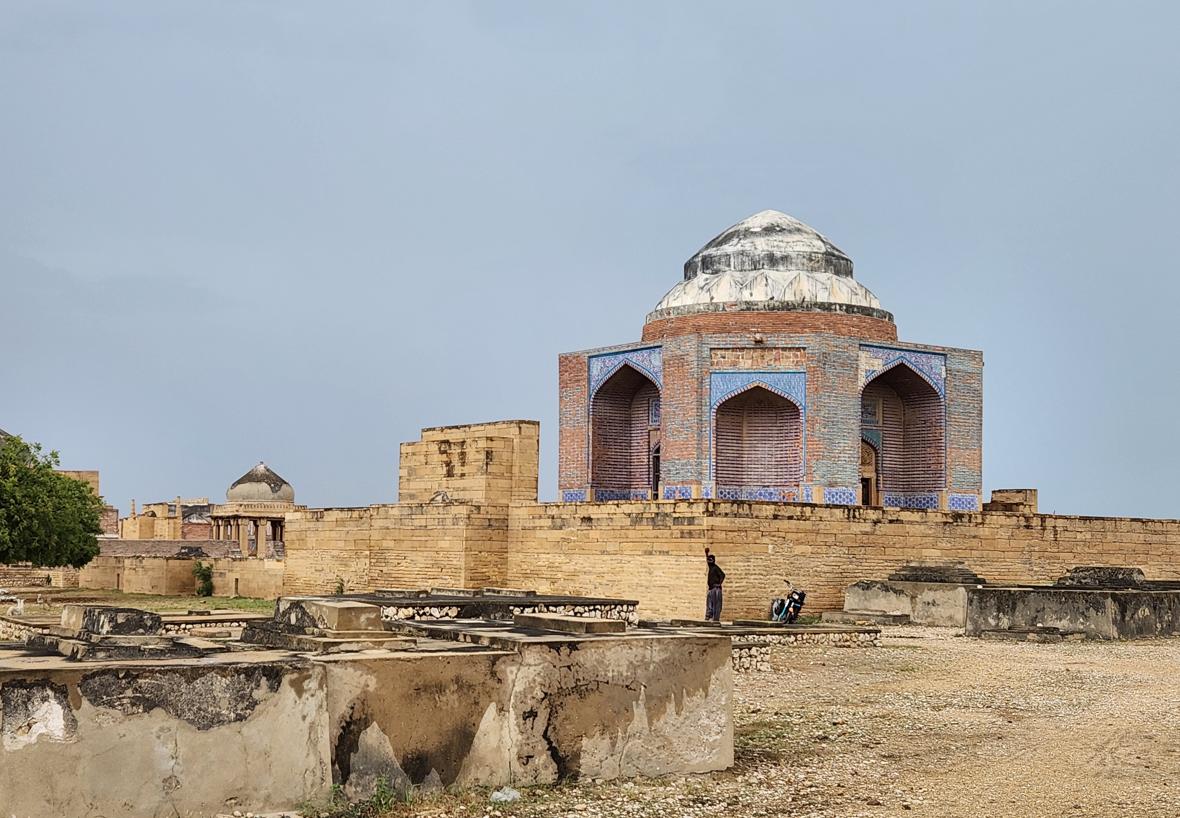
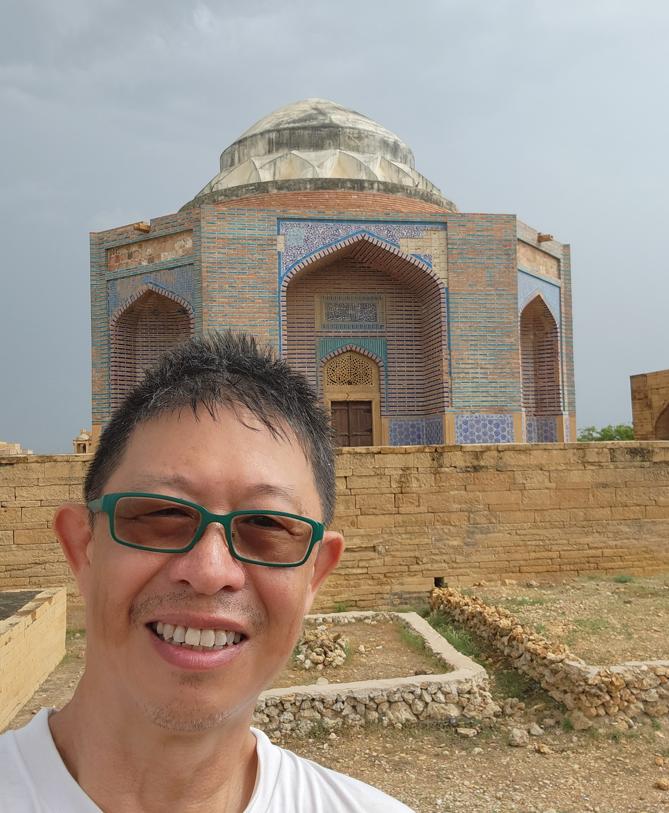
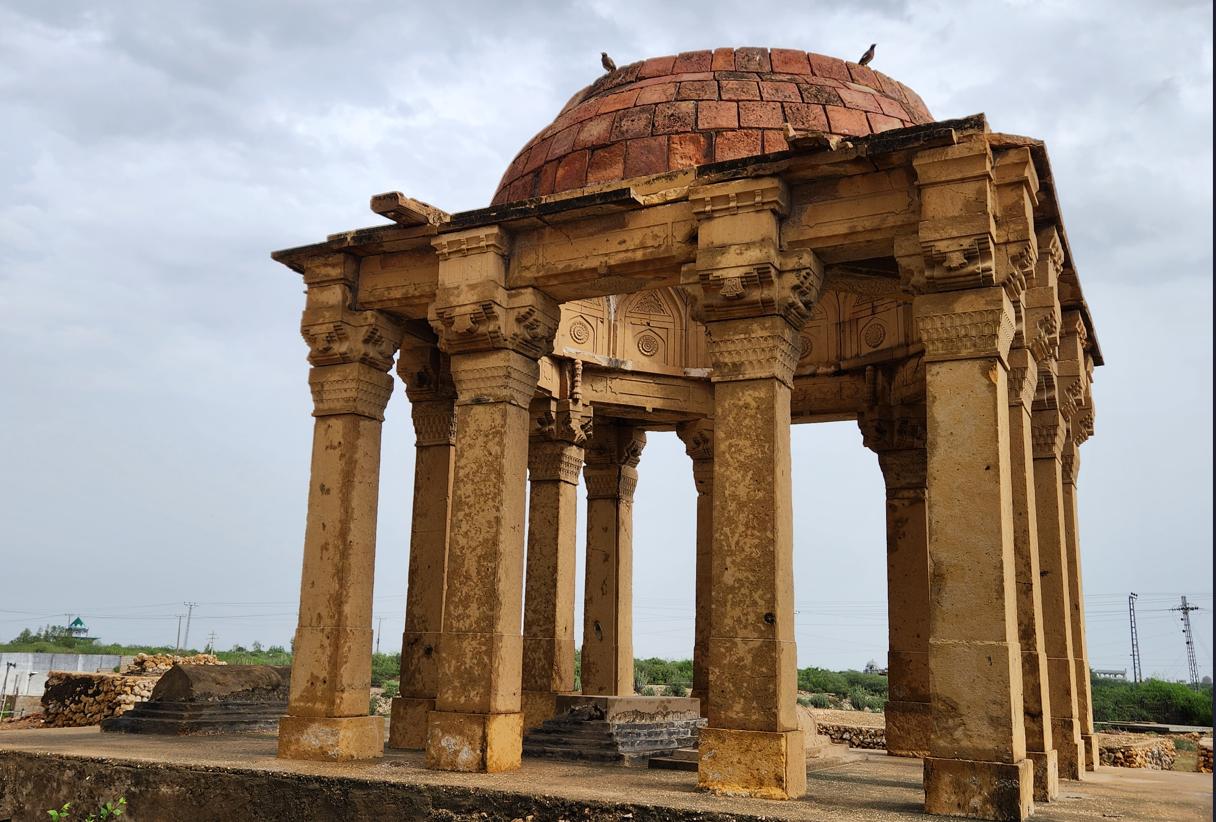
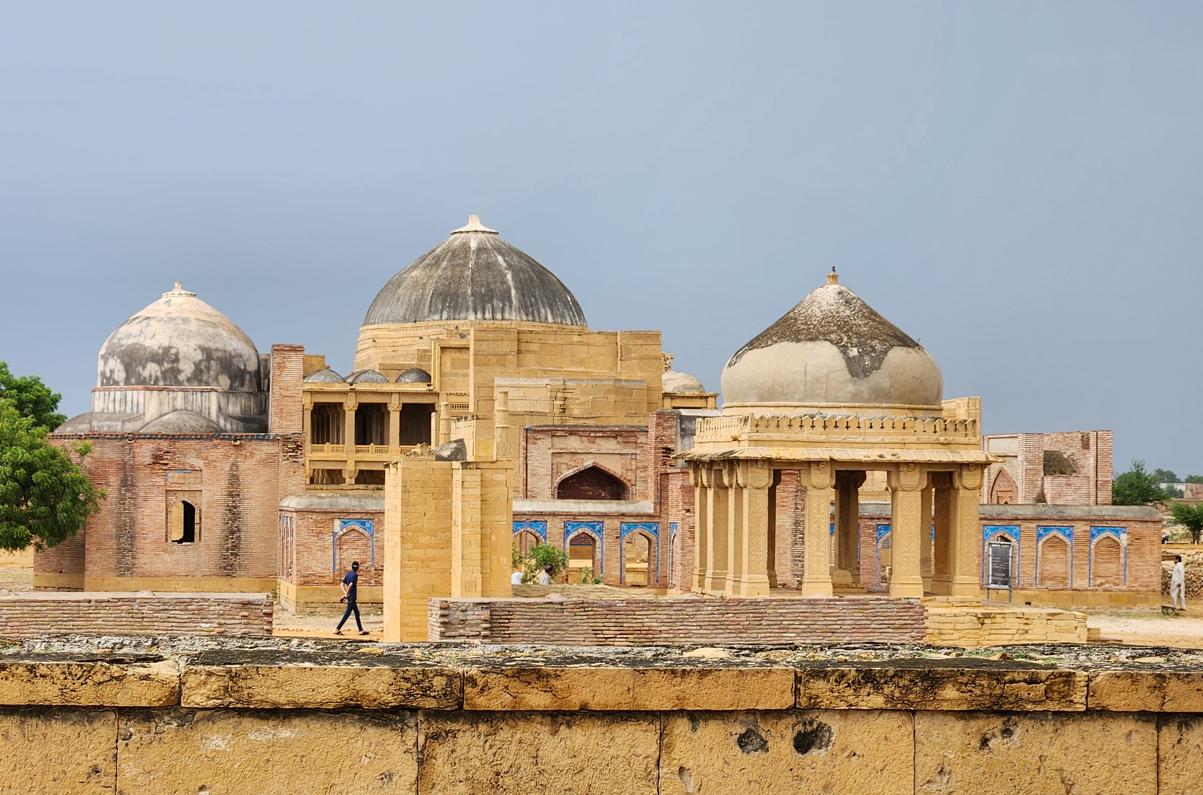
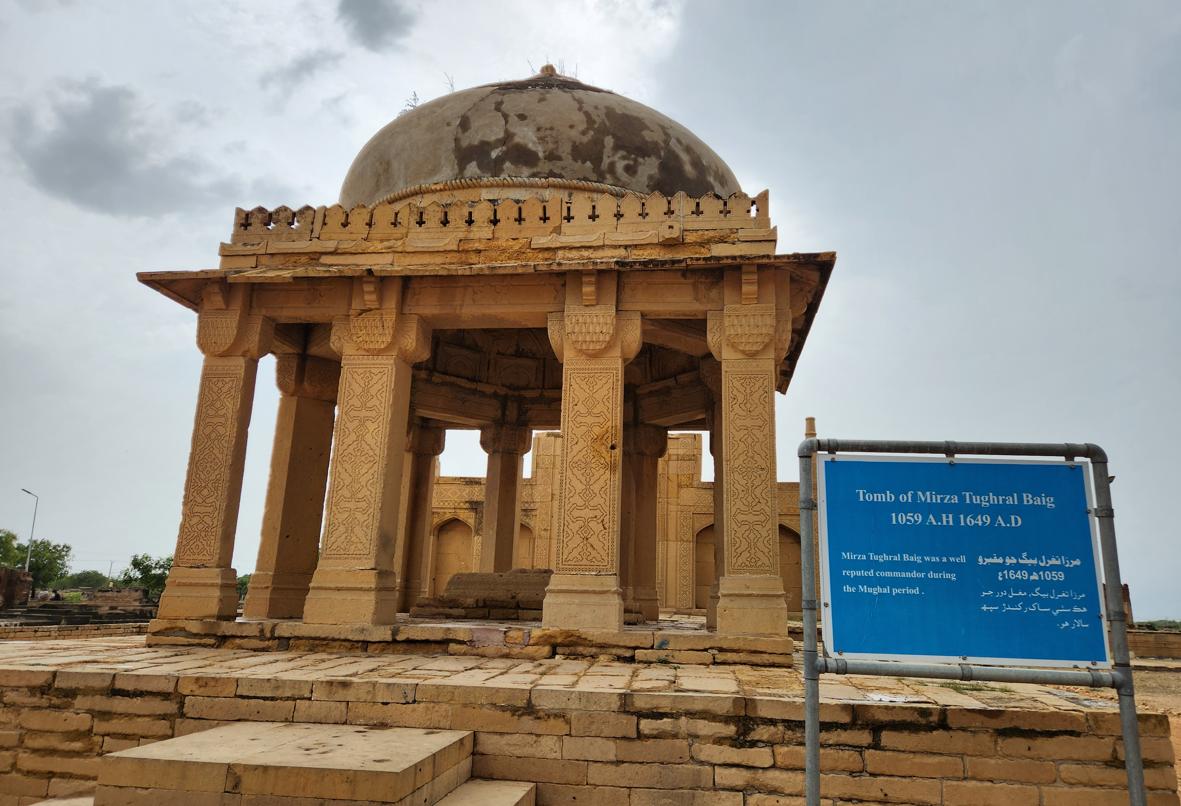
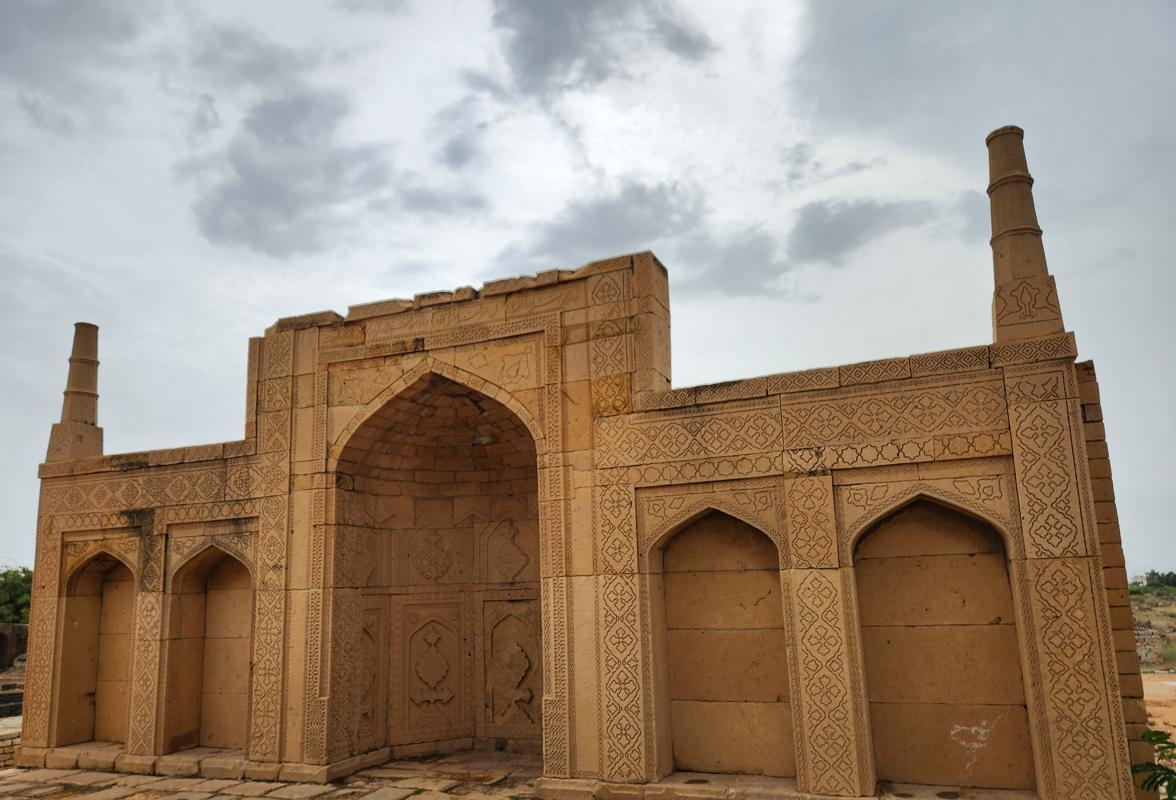
The Makli Necropolis at Thatta is the largest graveyard in the world. Half a million to a million tombs, built over four hundred years, spread across ten square kilometres of Sindhi plain. The scale of it resists comprehension. You drive along its edge for what seems like miles, the stones and domes and cenotaphs pressing against the road, and still it has not ended. It was inscribed as a UNESCO World Heritage Site in 1981.
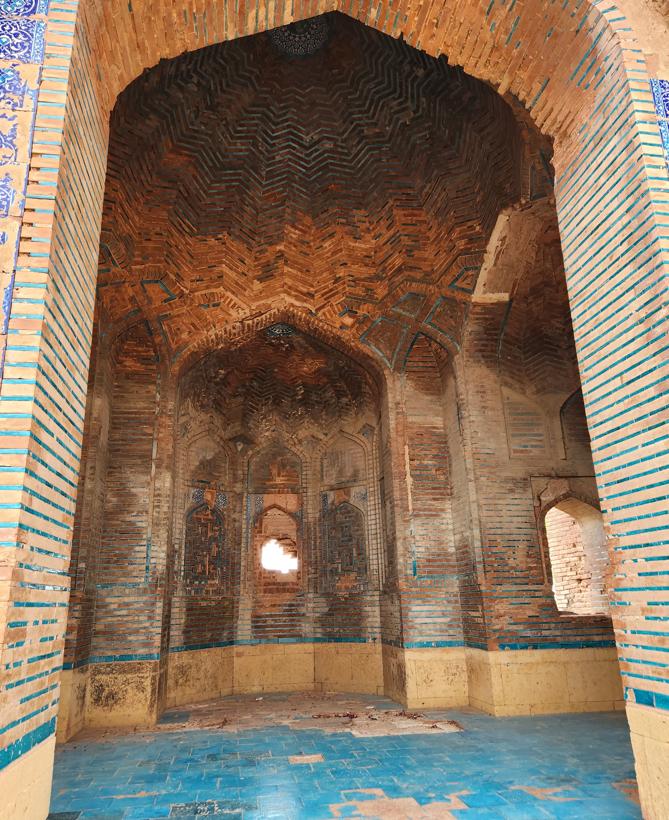
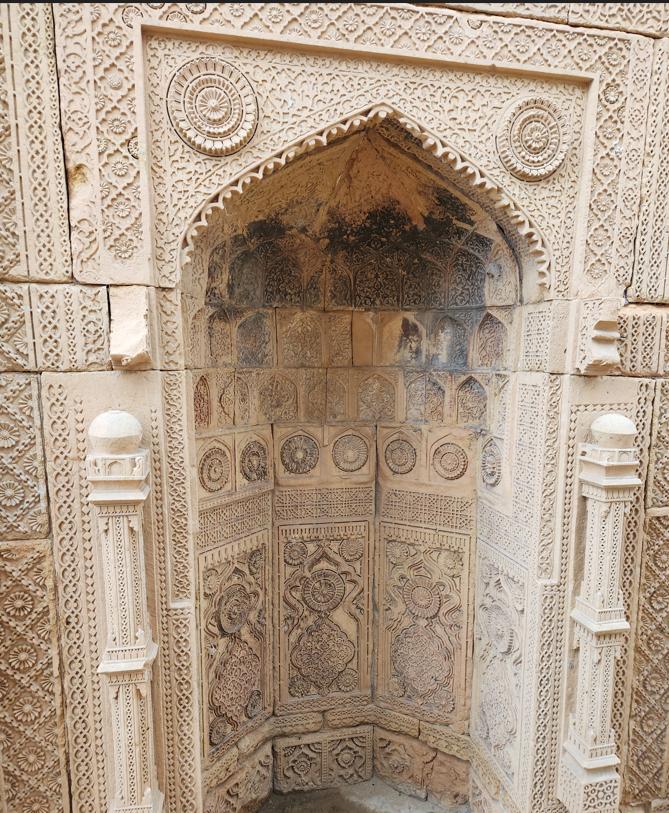
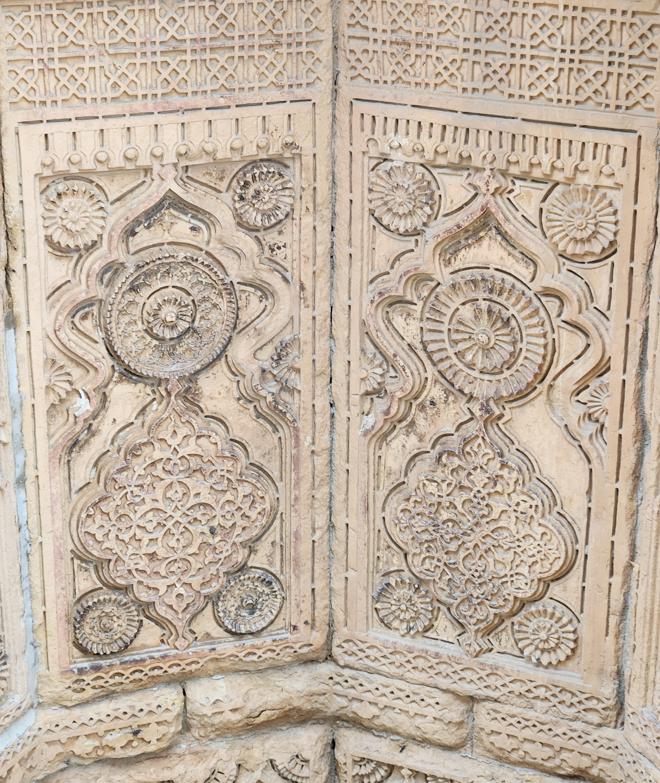
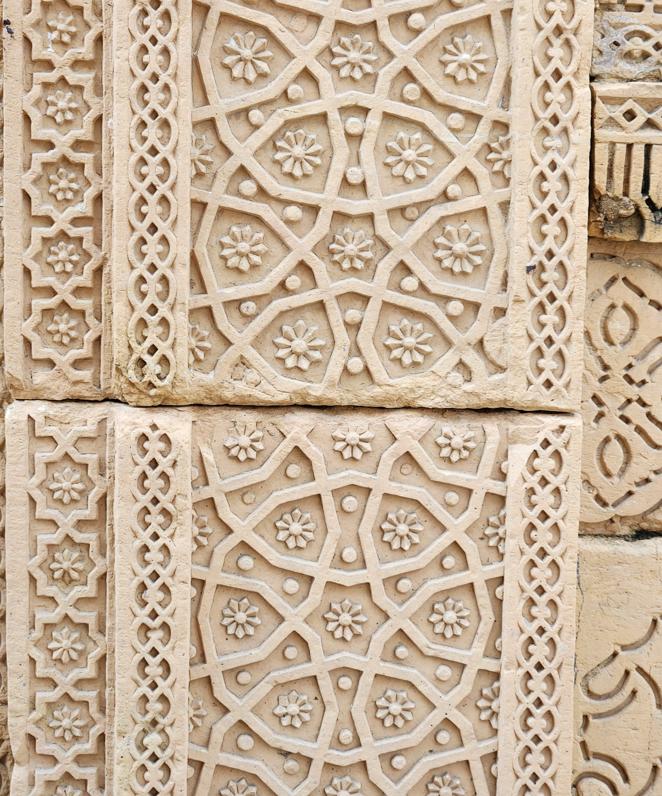
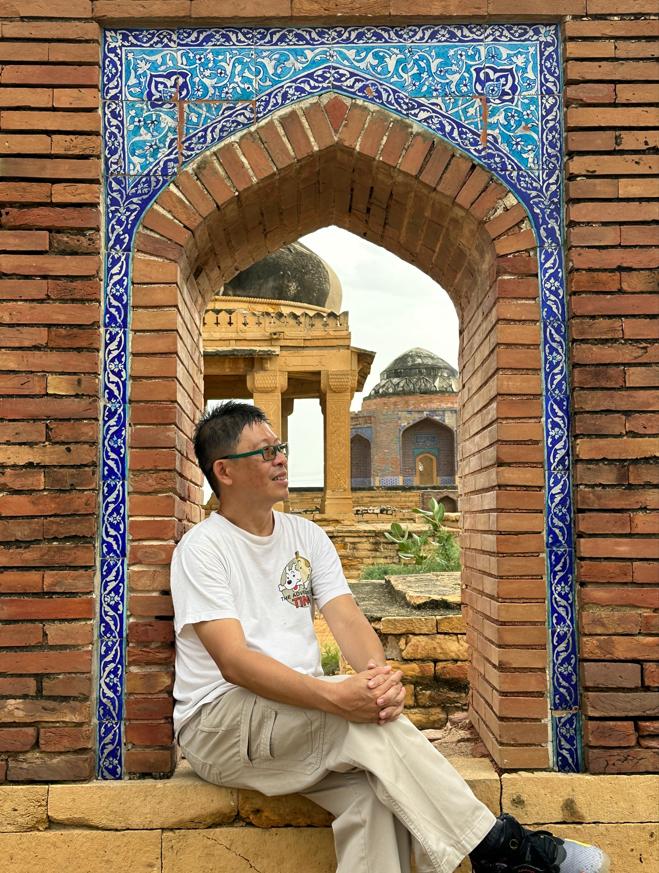
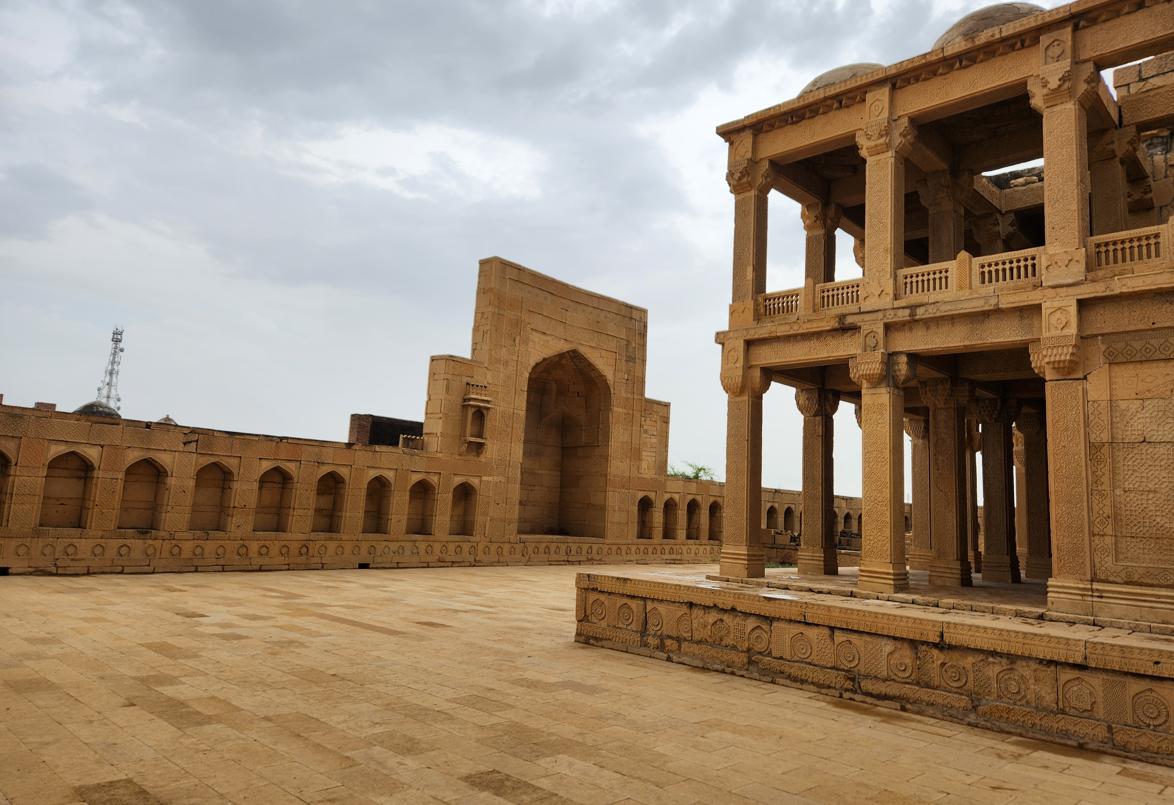
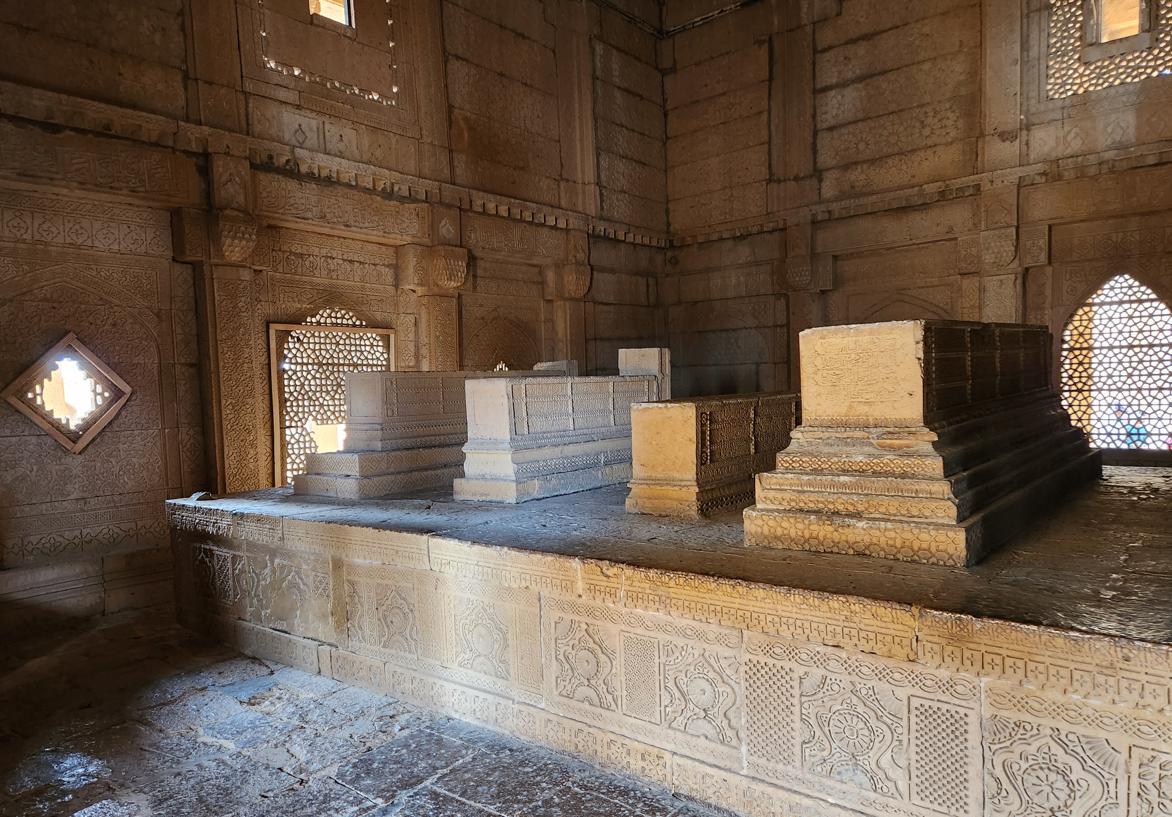
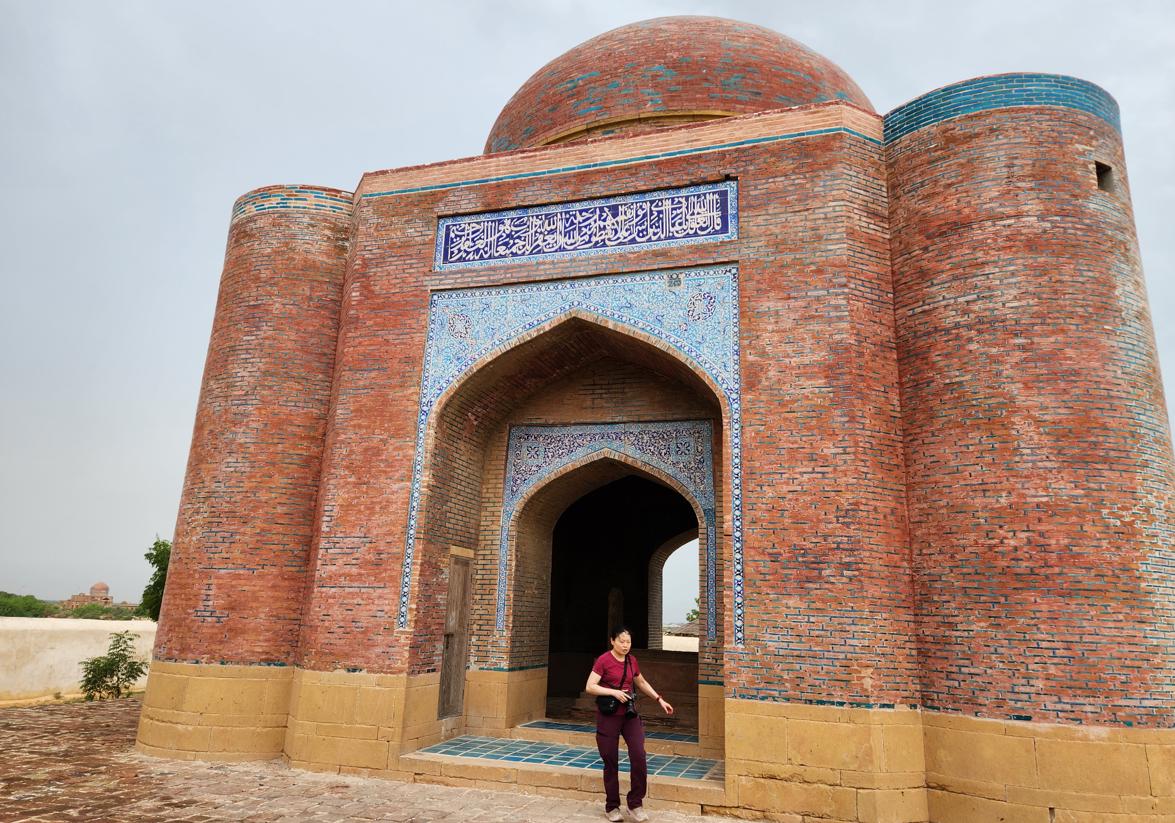
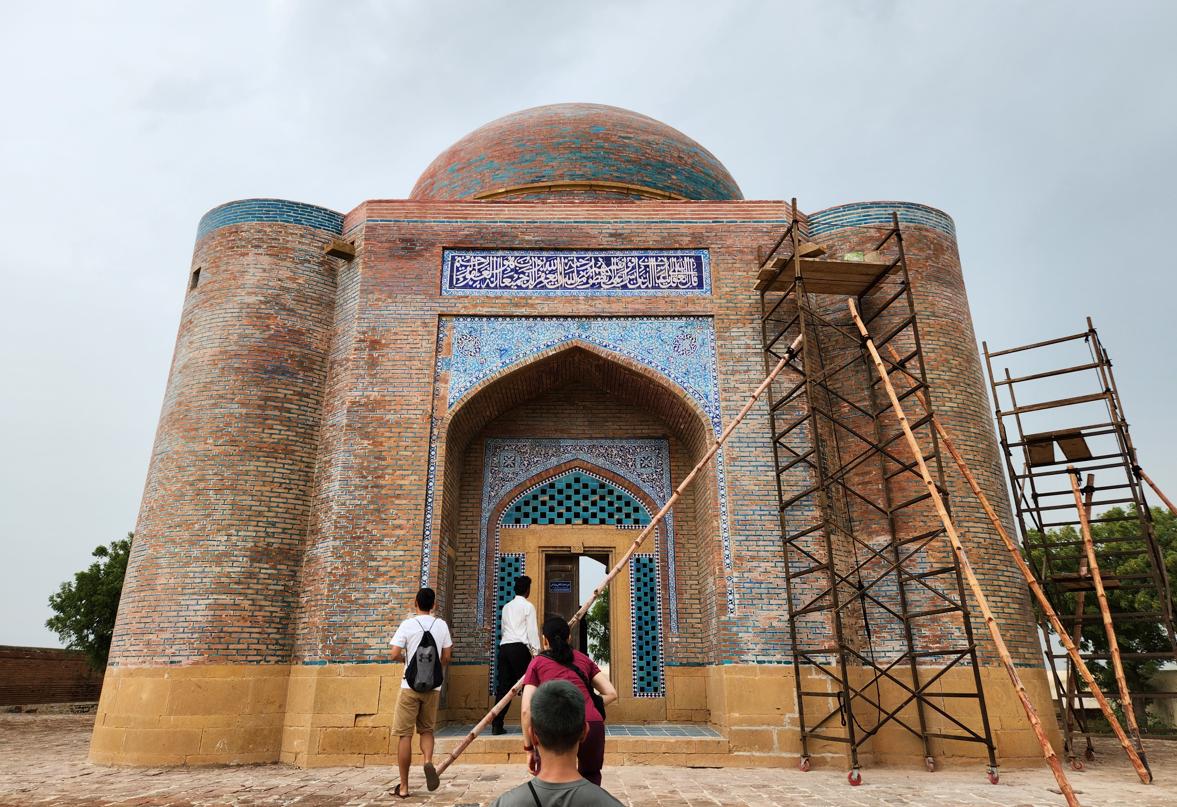
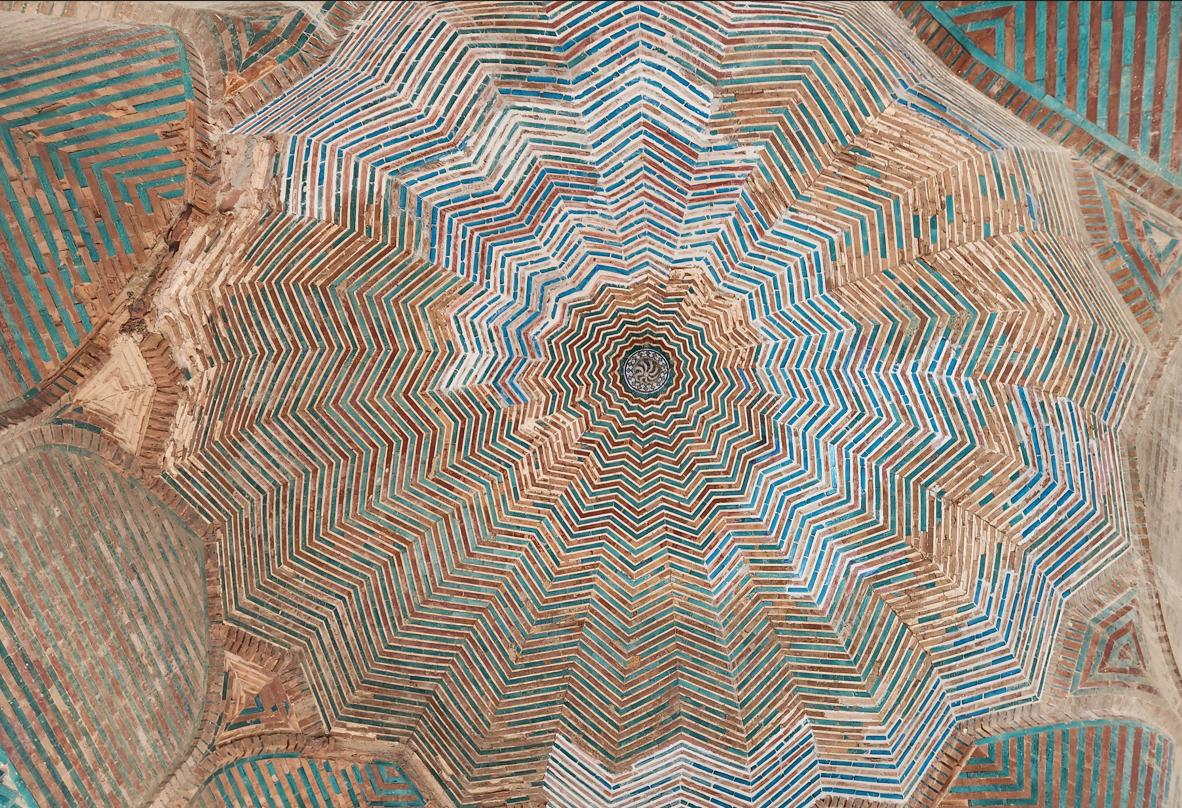
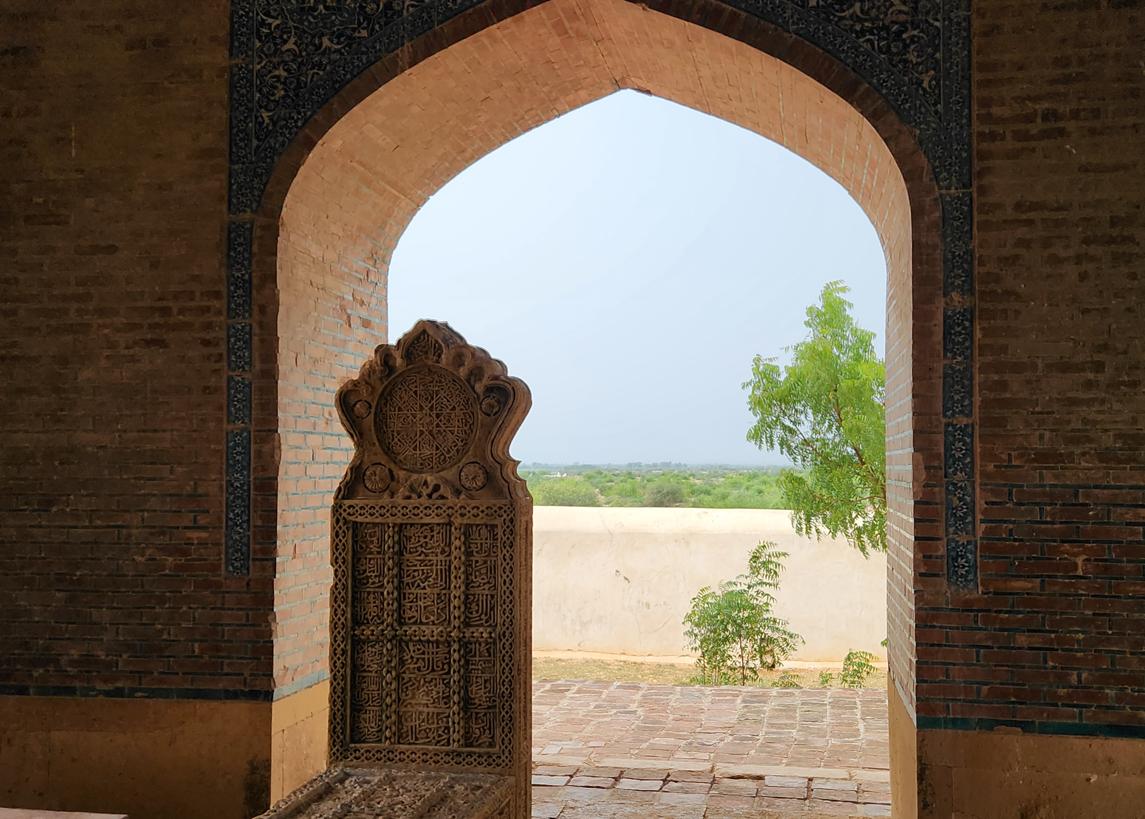
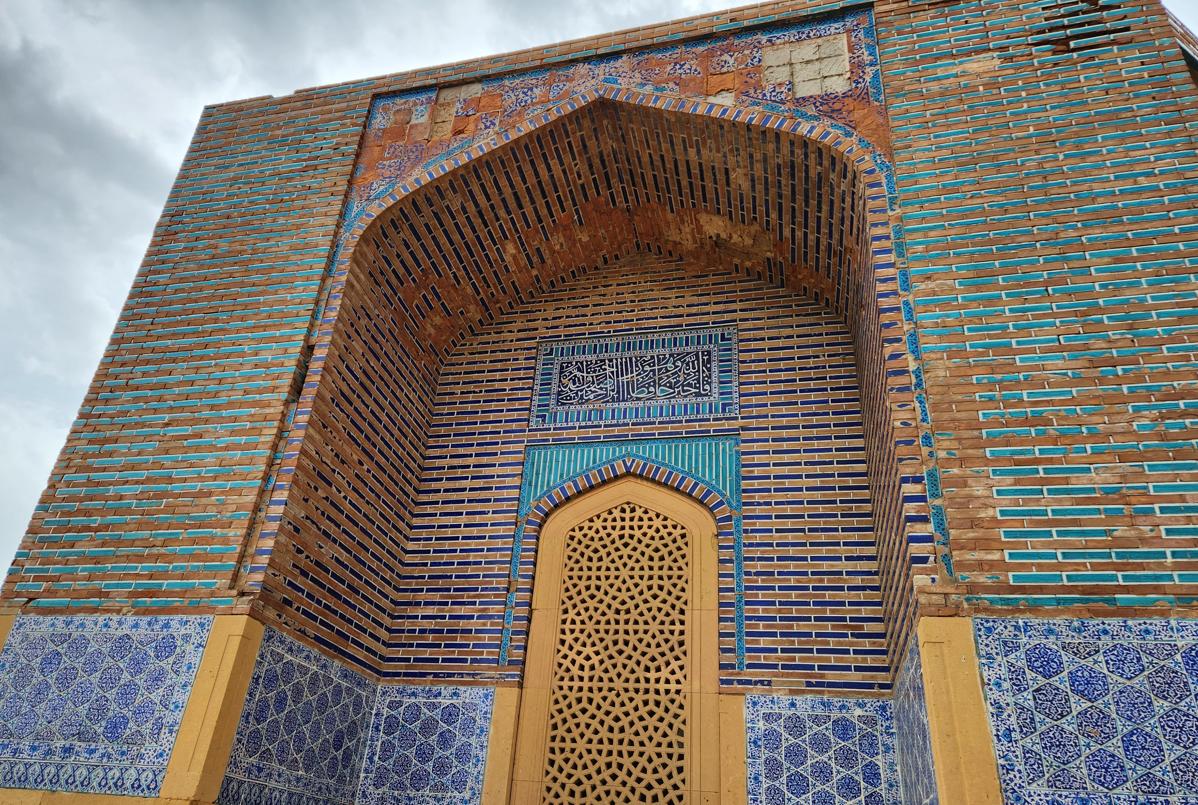
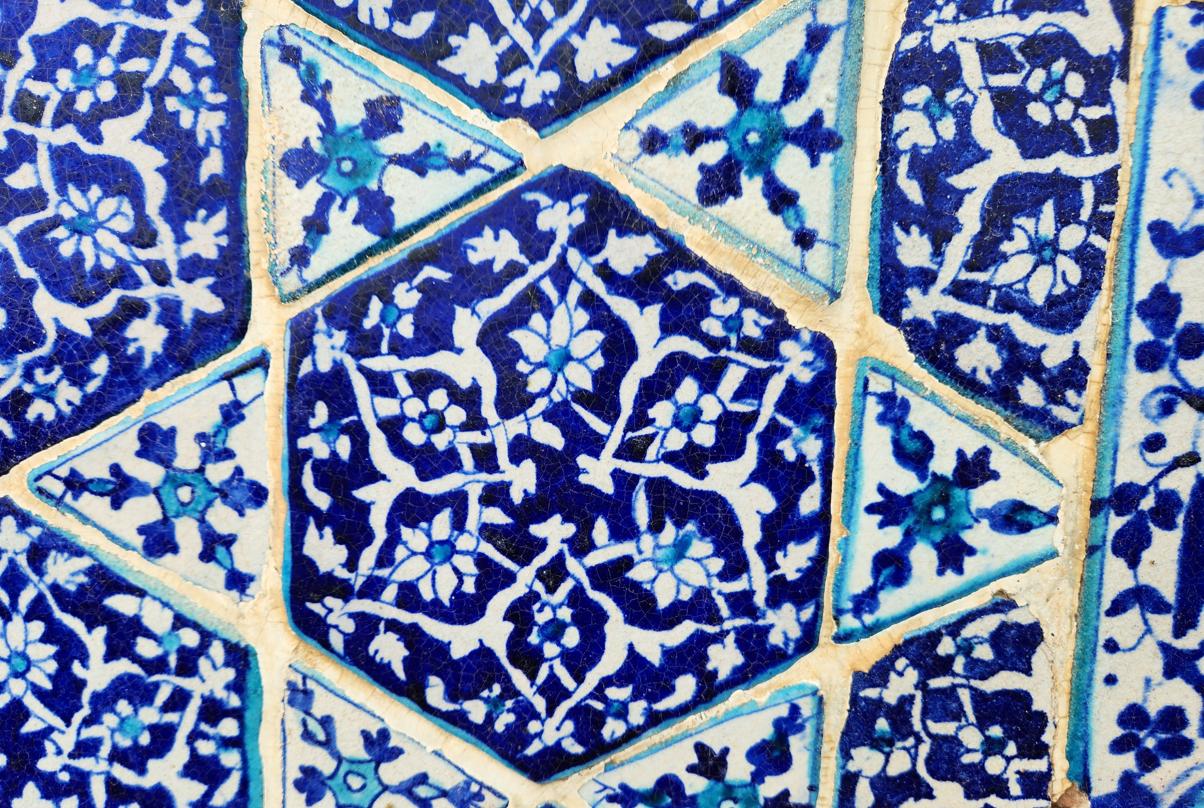
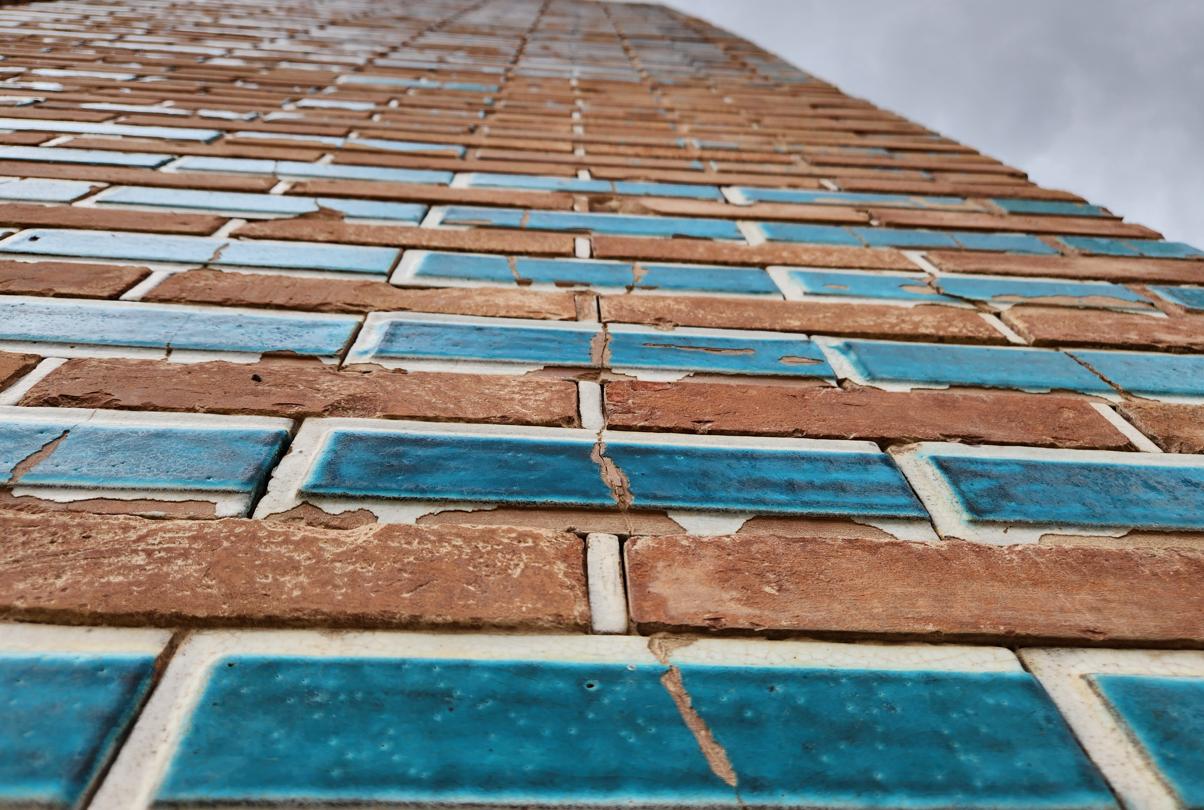
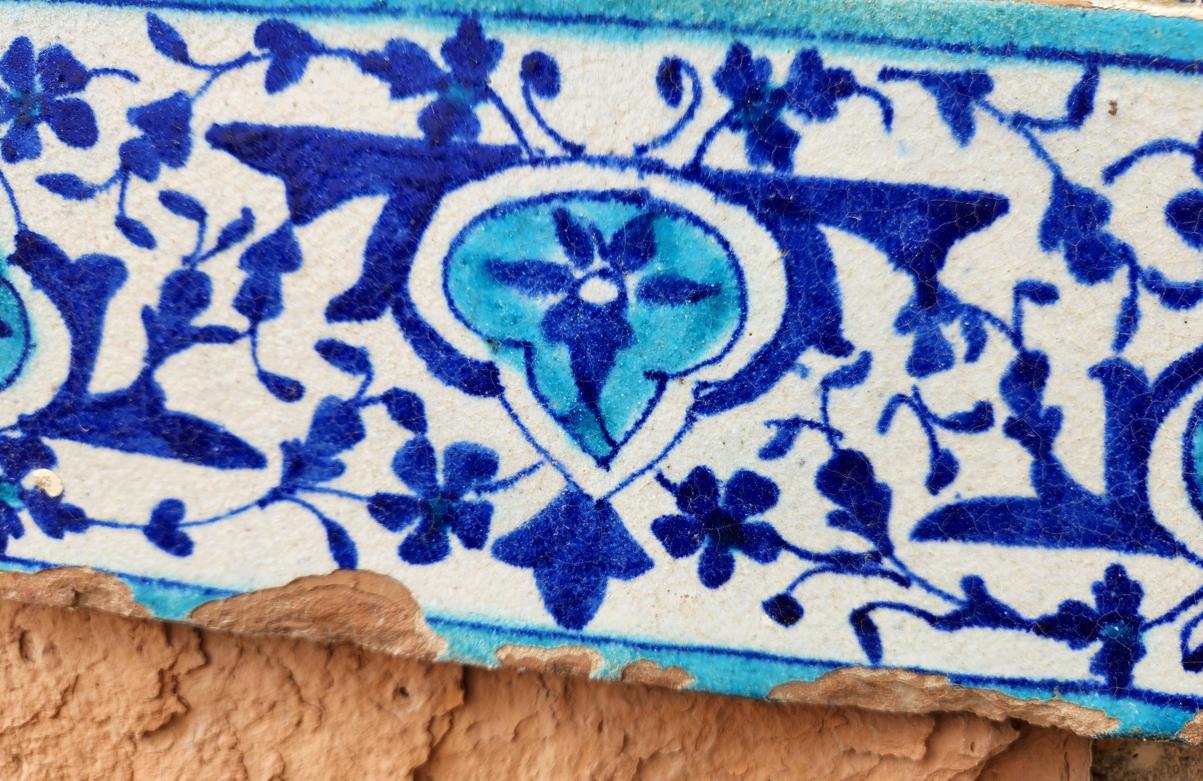
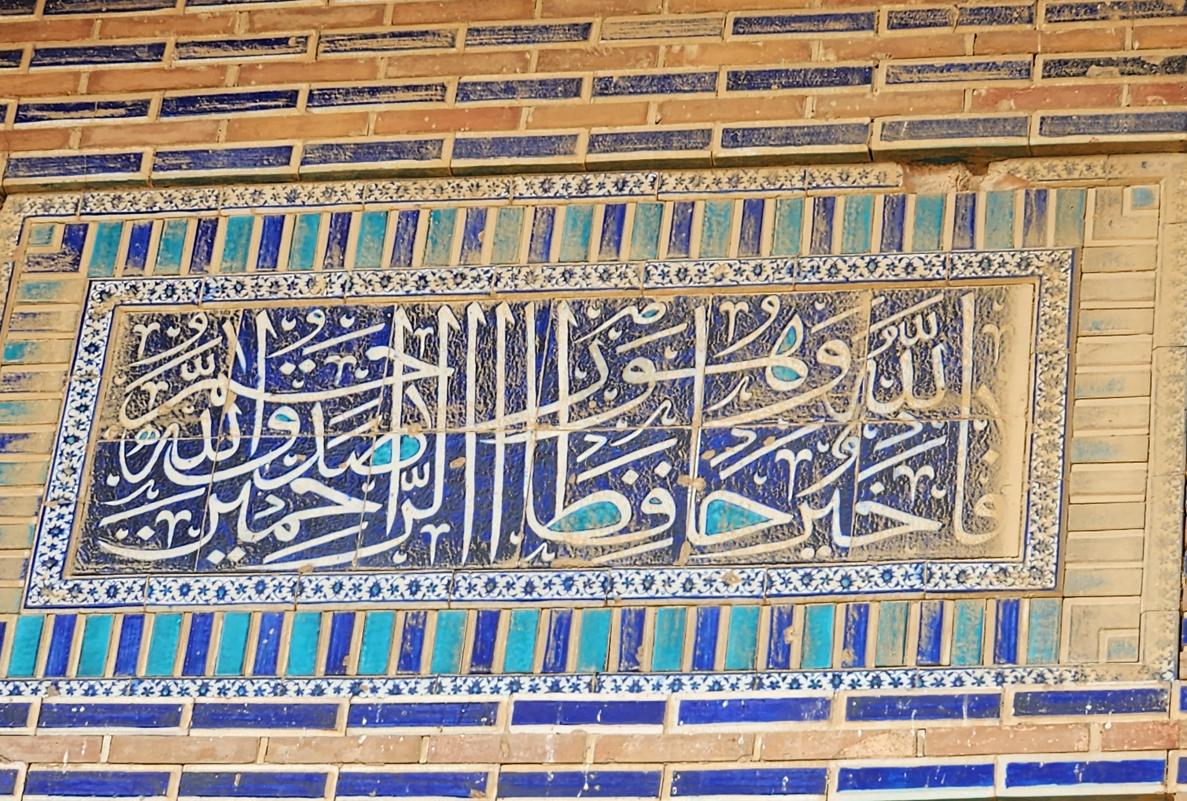
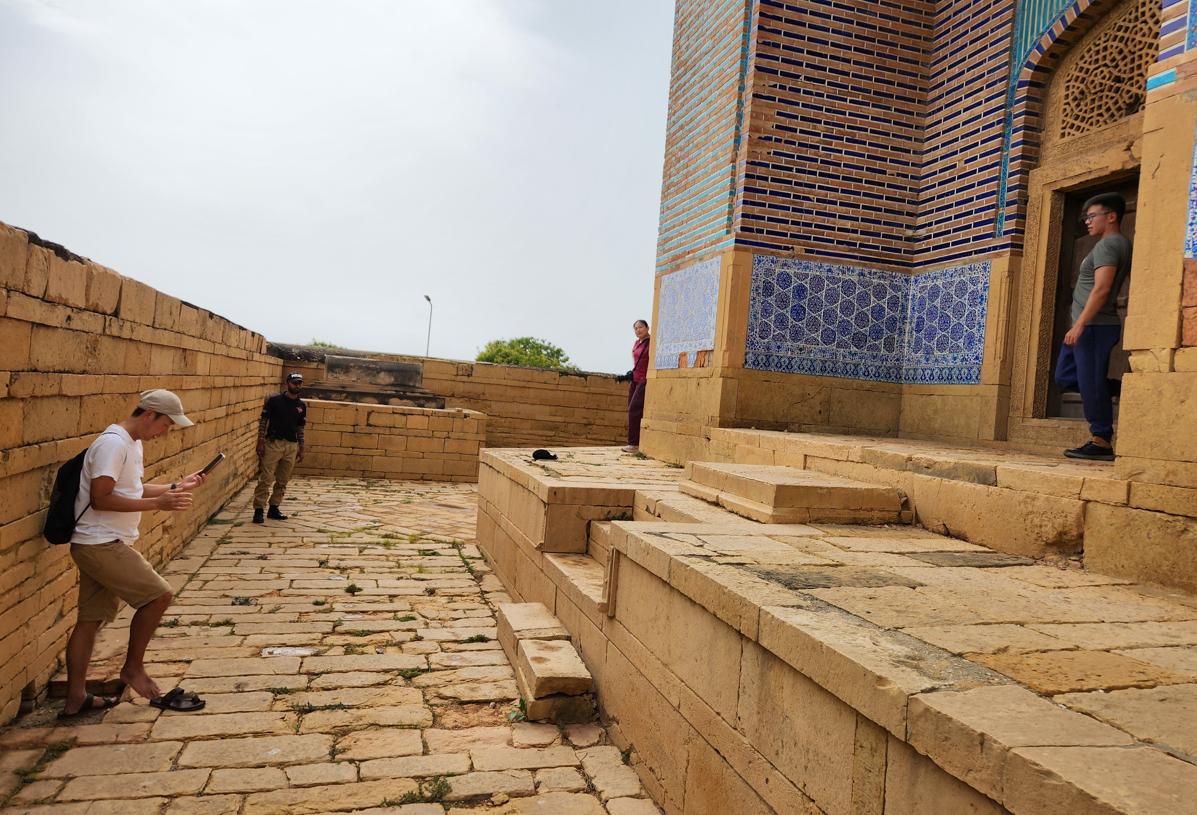
In the late afternoon, with the light falling at a low angle that threw every carved surface into sharp relief, the necropolis was extraordinary. The most magnificent tombs belong to the Turkic governors of the Mughal era — men from Samarkand and Bukhara who had governed this province and who died here, far from the cities that had formed them, and who built their monuments in the style of those distant cities: domes covered in turquoise tile, arched niches filled with carved terracotta work, inscriptions in Persian and Arabic that name God and the Governor with equal confidence.
Rudyard Kipling's famous verdict on Lahore — 'he who has not seen Lahore has not been born' — might equally be applied, with more cosmic justification, to Makli. Here is compressed the entire sweep of Sindhi civilisation: Samma kings, Arghun rulers, Mughal grandees, Sufi saints, all gathered in a democracy of death that makes a nonsense of the hierarchies they guarded in life.
The Shah Jahan Mosque: Theology in Tiles
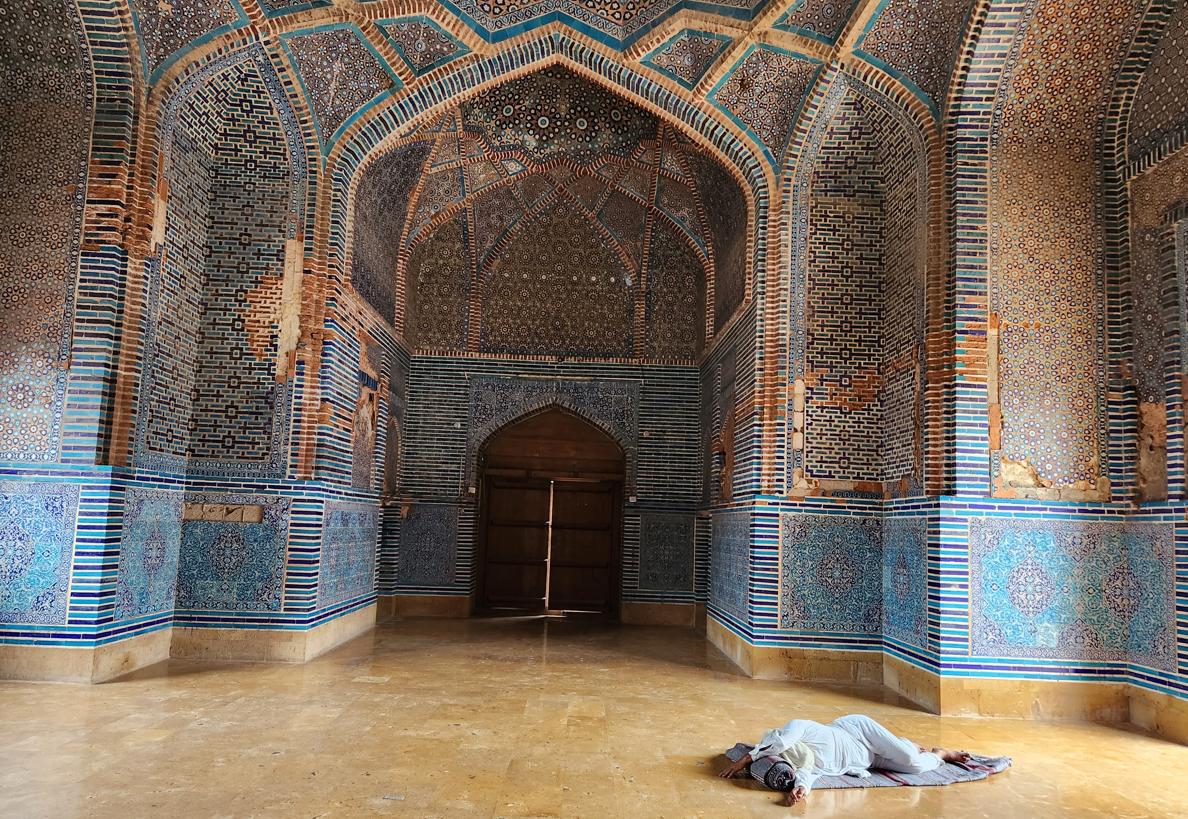
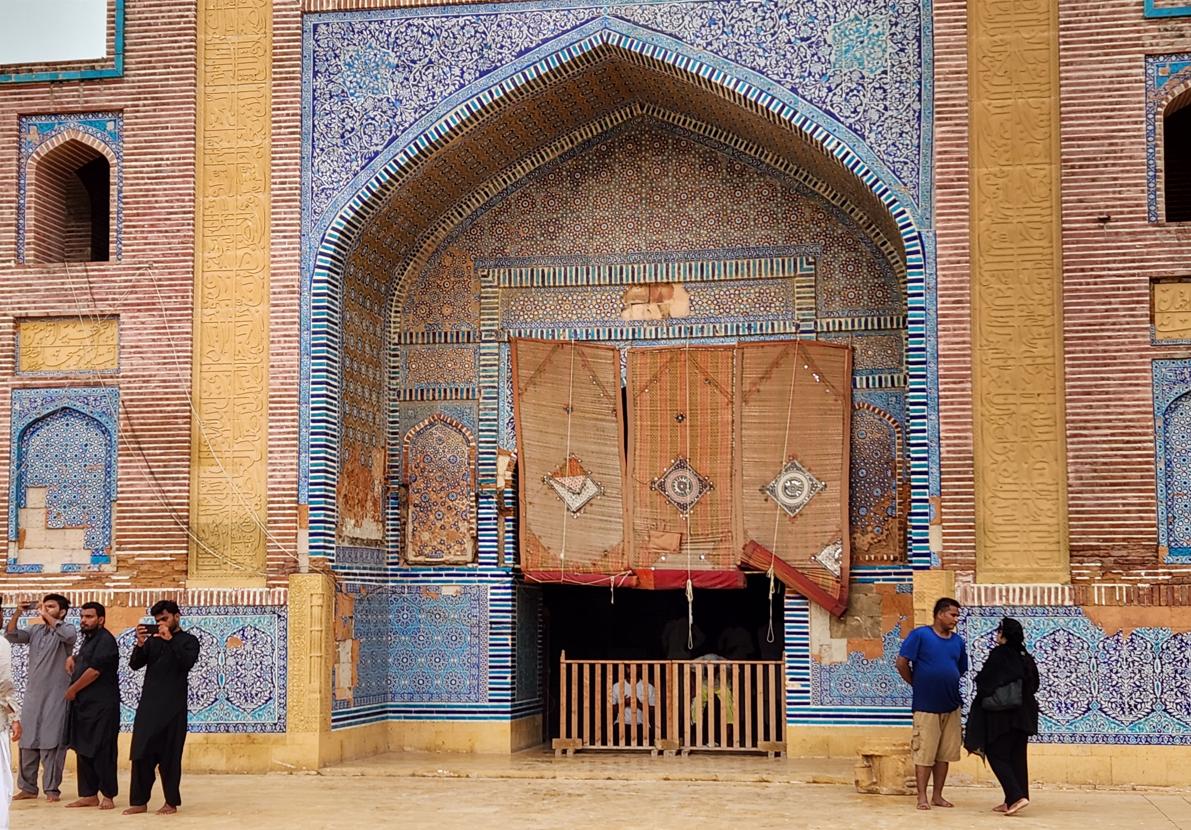
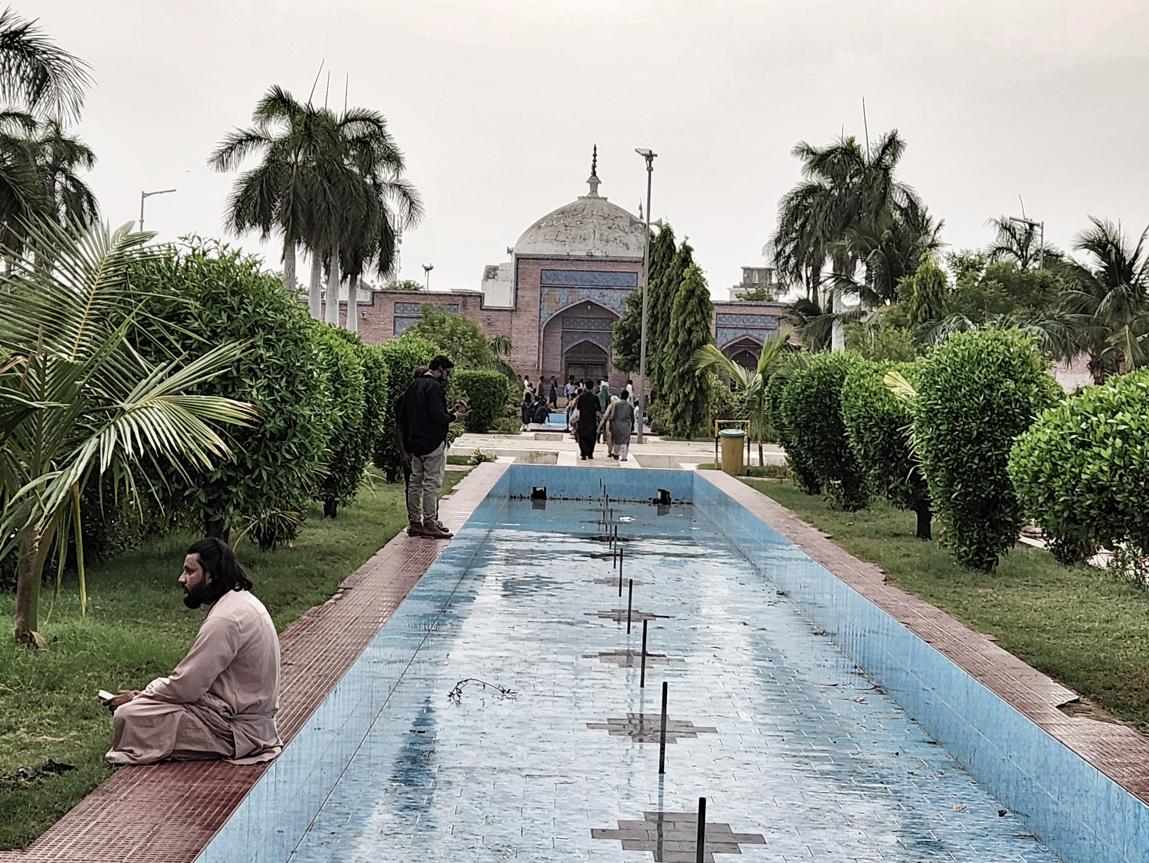
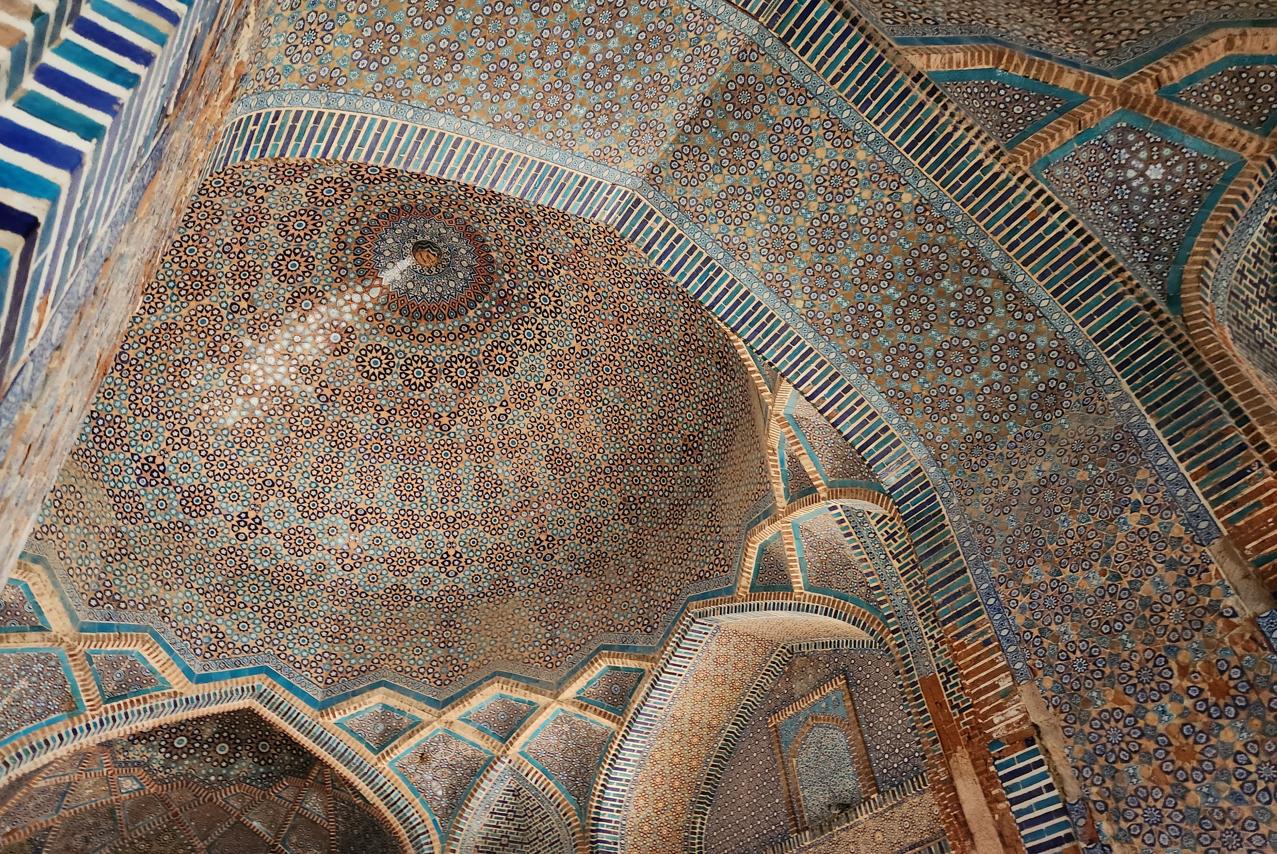
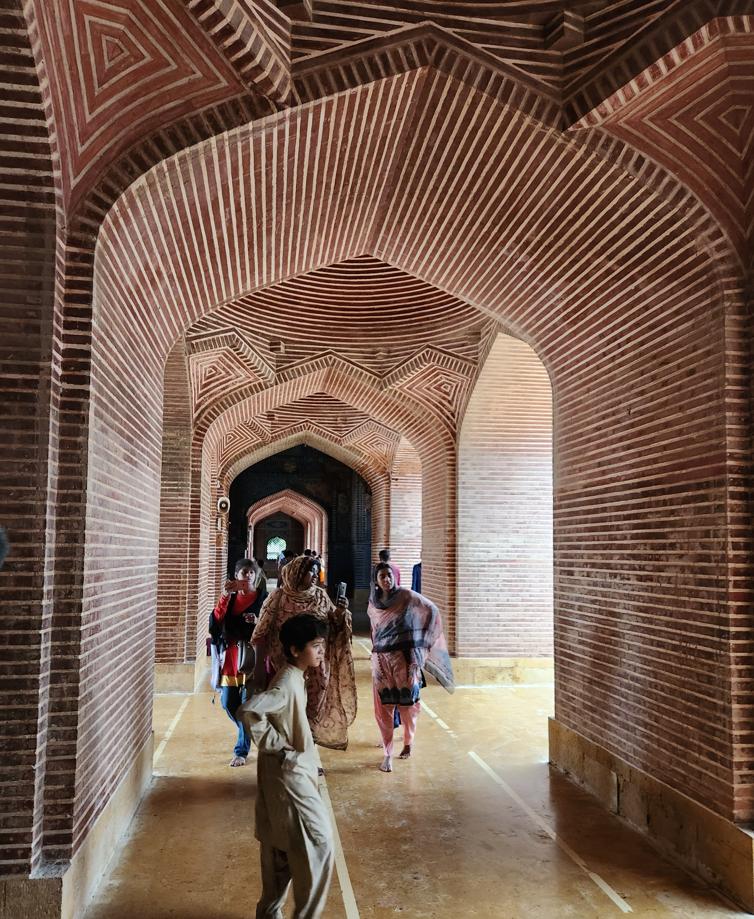
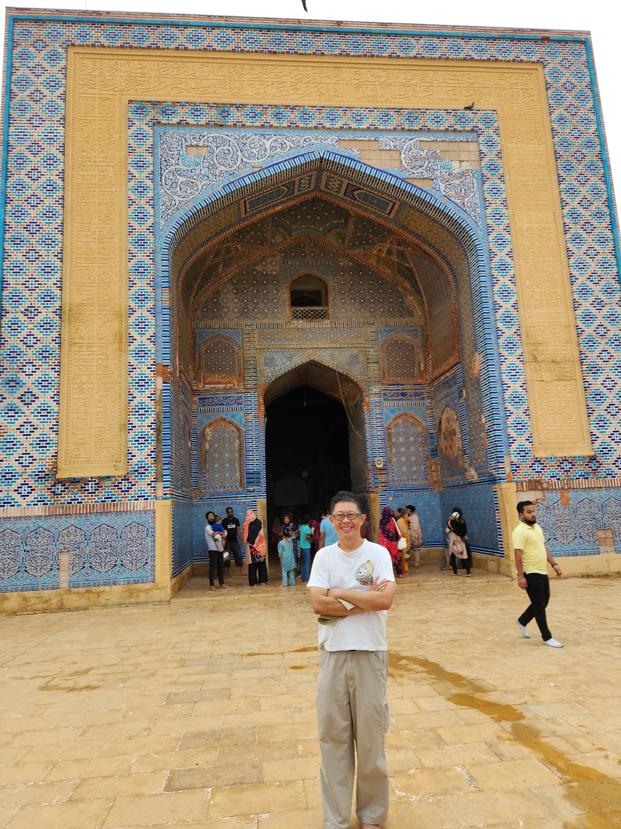
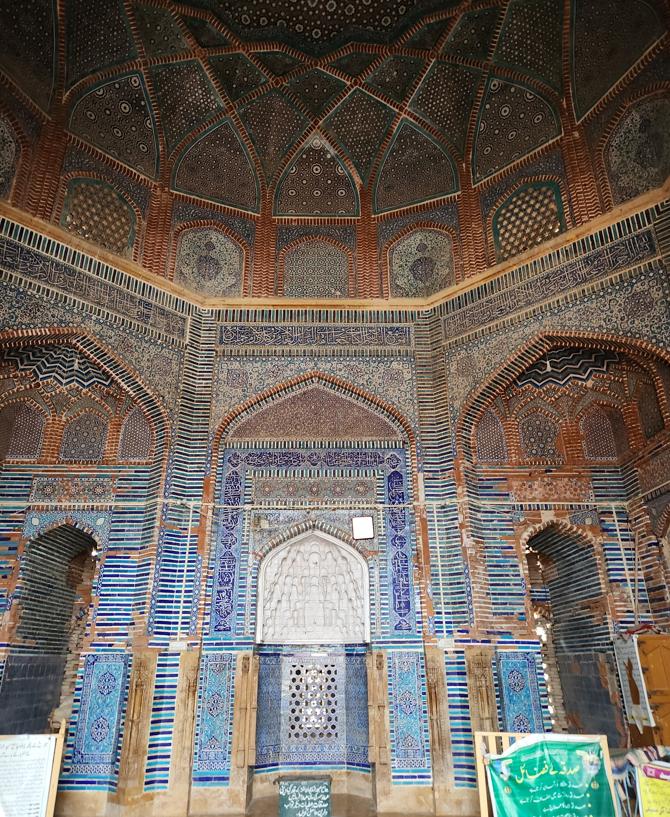
The Shah Jahan Mosque of Thatta is perhaps the most beautiful building in Pakistan, and possibly one of the most beautiful buildings in Asia. Shah Jahan — the same emperor who built the Taj Mahal — constructed it between 1644 and 1647, not as an act of grief for a dead wife but as an act of gratitude for a city that had sheltered him during his exile from his father's court. He had been received with extraordinary hospitality by the rulers of Sindh, and when he became Emperor, he repaid the debt in tiles.
The tiles are the point. The exterior and interior walls of the mosque are faced in a geometric tilework of a complexity that defeats ordinary description: interlocking hexagons and eight-pointed stars in cobalt, turquoise, cream, and terracotta, arranged in patterns that change as the light changes, that seem to breathe with the movement of shadow. It has, the architectural historians say, the most elaborate tile display in South Asia.
We arrived in the mid-afternoon and the mosque was almost empty. A man in a white shalwar kameez was sweeping the courtyard with a long-handled broom. Pigeons moved through the arches with the confidence of established tenants. Inside, the acoustics were those of a cathedral — every sound absorbed, transformed, returned as something richer. Jamal stood in the centre of the main chamber, raised his hands to his sides, and began to recite the Fatiha in a low voice, and the words moved through the tiled space like water through a channel, finding their depth.
I stood in the shade of an arch and thought about the relationship between beauty and faith — how the builders of this mosque, and of the Taj Mahal, and of the Blue Mosque in Istanbul, appeared to understand something about the geometry of devotion that contemporary architecture has largely forgotten.
Hyderabad: The Lion City
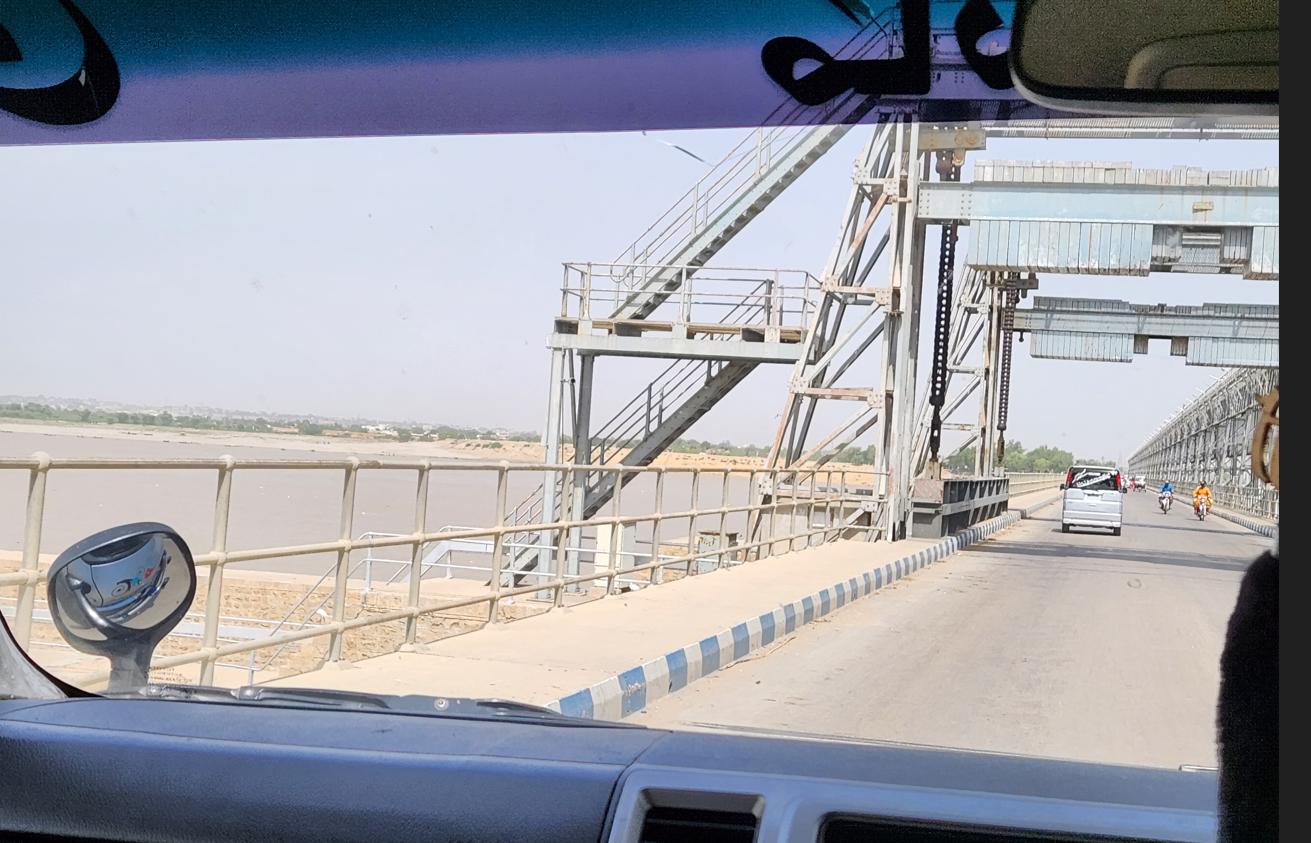
Crossing the Indus proper for the first time on this trip.
We arrived in Hyderabad — whose name means, in Urdu, Lion City, from the Arabic word haydar for lion, the honorific of Imam Ali — as the sun was setting and the call to Maghrib prayer was moving across the city in overlapping waves, each muezzin's voice finding a slightly different pitch. It is, somewhat confusingly for anyone who has spent time in India, a city that shares its name exactly with a much larger and more famous namesake to the east — the Hyderabad of biryani and IT parks and the Nizams — though this older Hyderabad, an occasional capital of Sindh under the Kalhoras and Talpurs, has rather less to show for its name these days, not least a chronic shortage of electricity. The power went down for long stretches of the early evening and was cut again, suddenly, well past midnight, taking the air conditioning with it — a genuinely miserable thing to discover at the height of a Sindhi summer, lying awake in a heat that the walls themselves seemed to be radiating back at us.
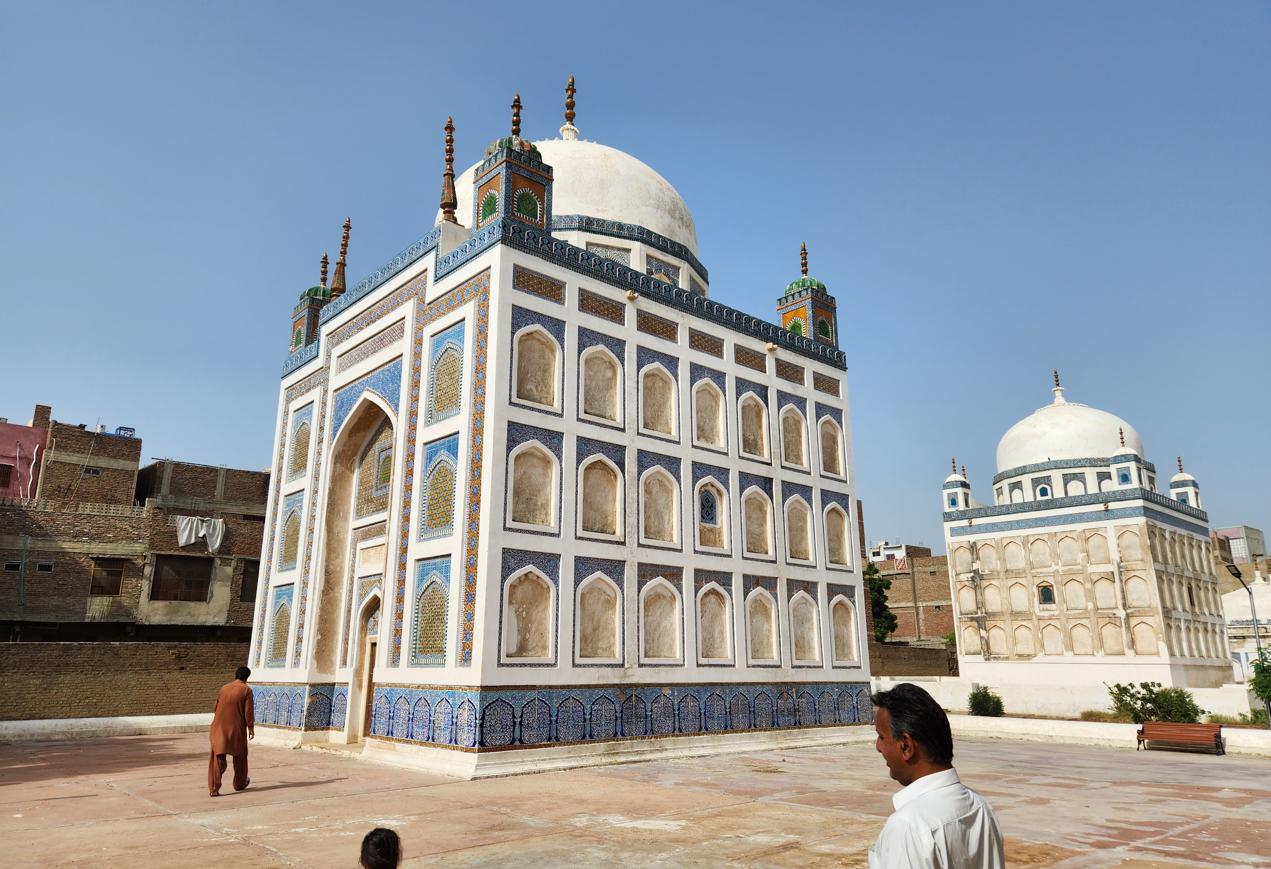
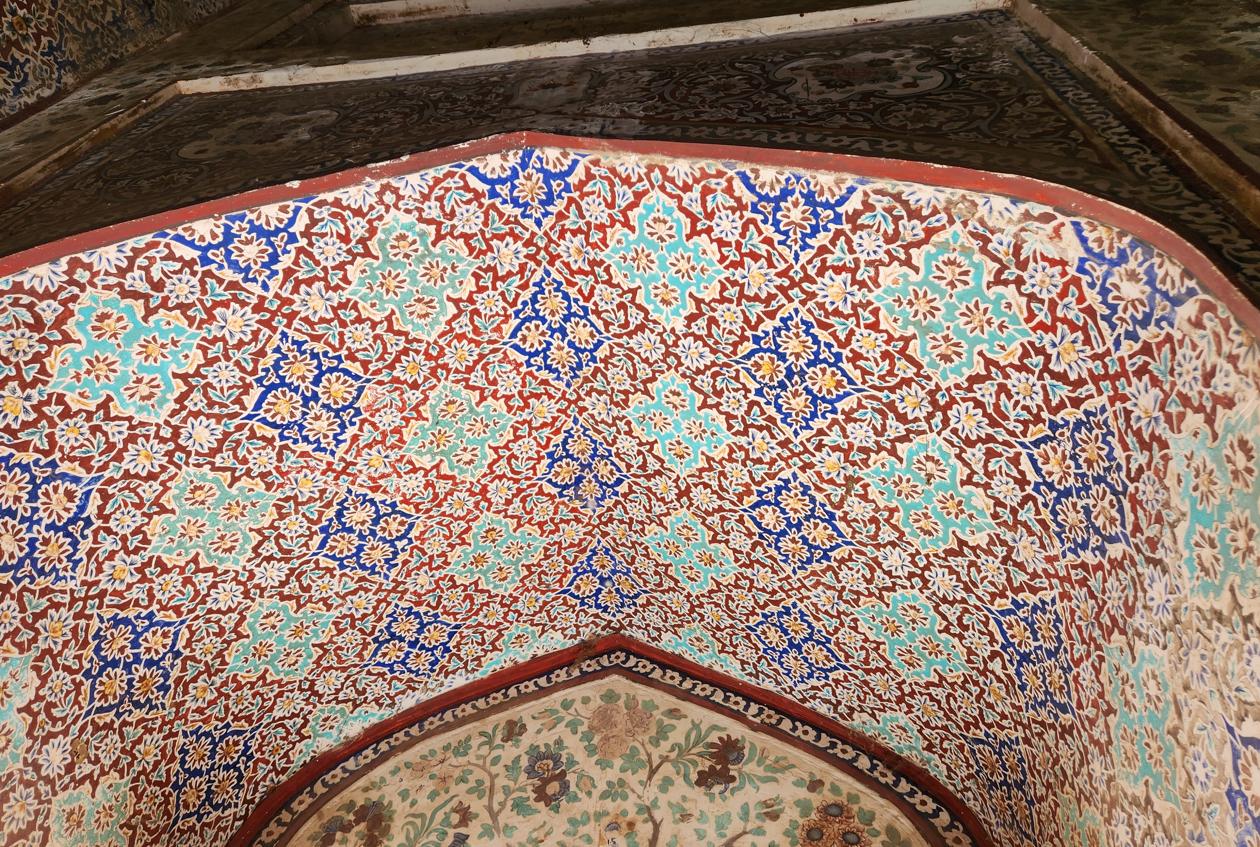
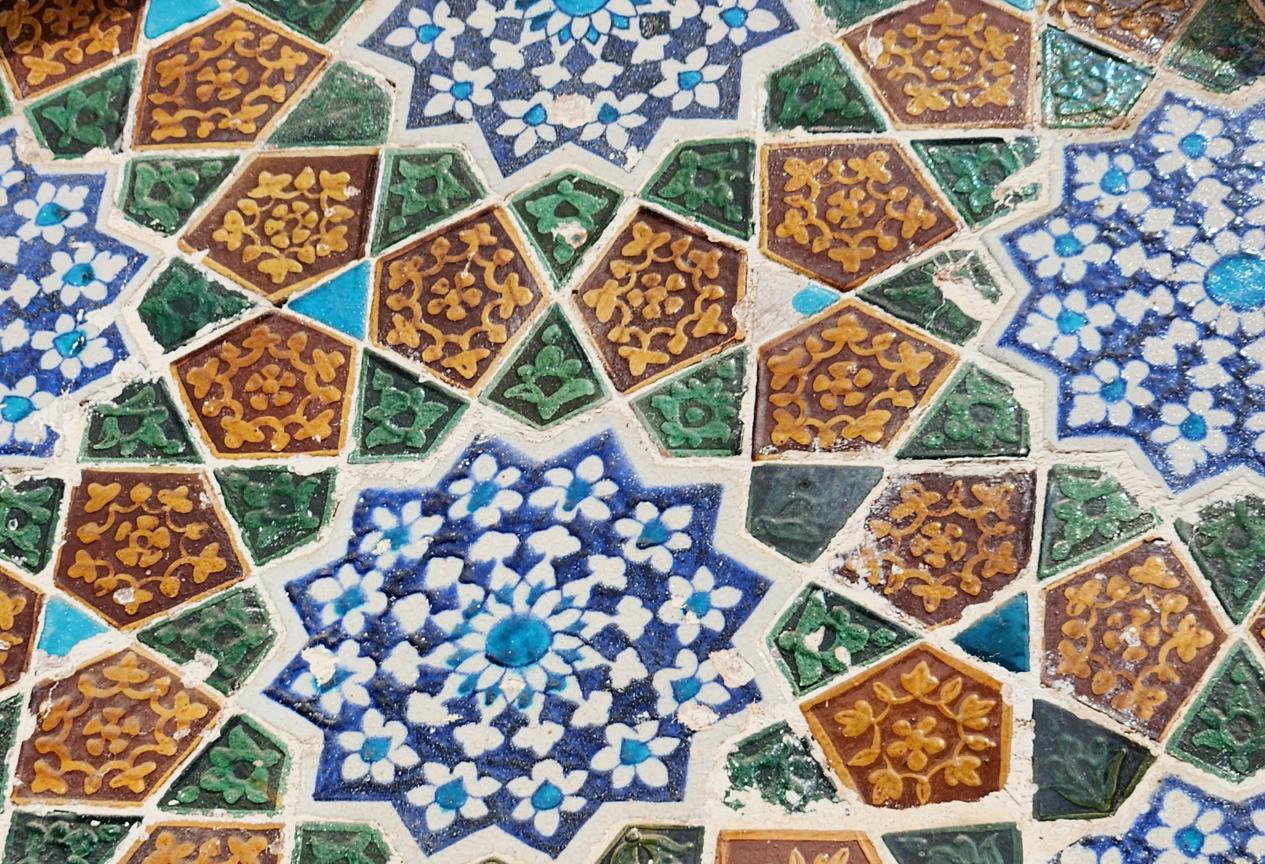
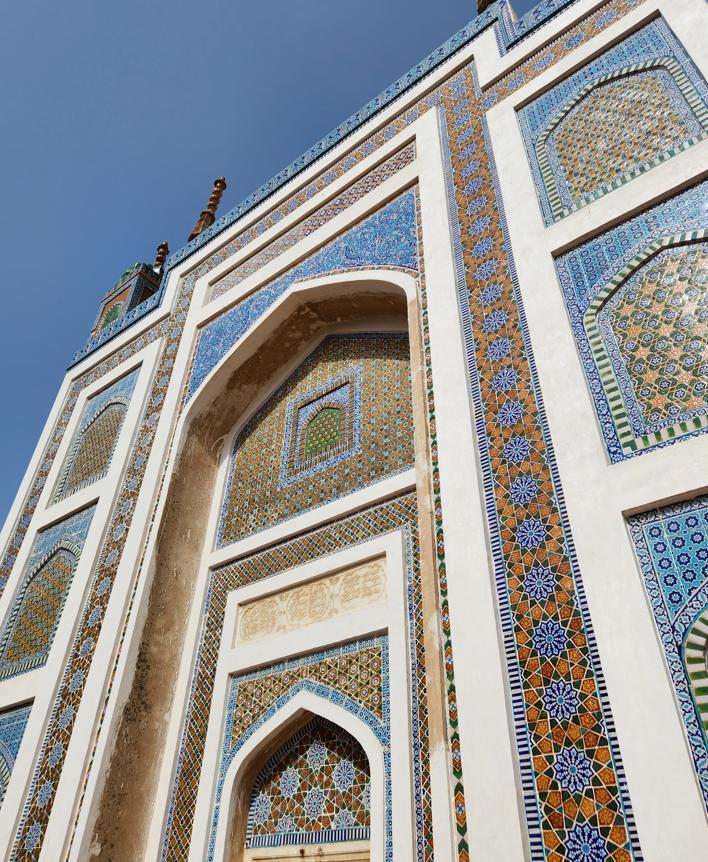
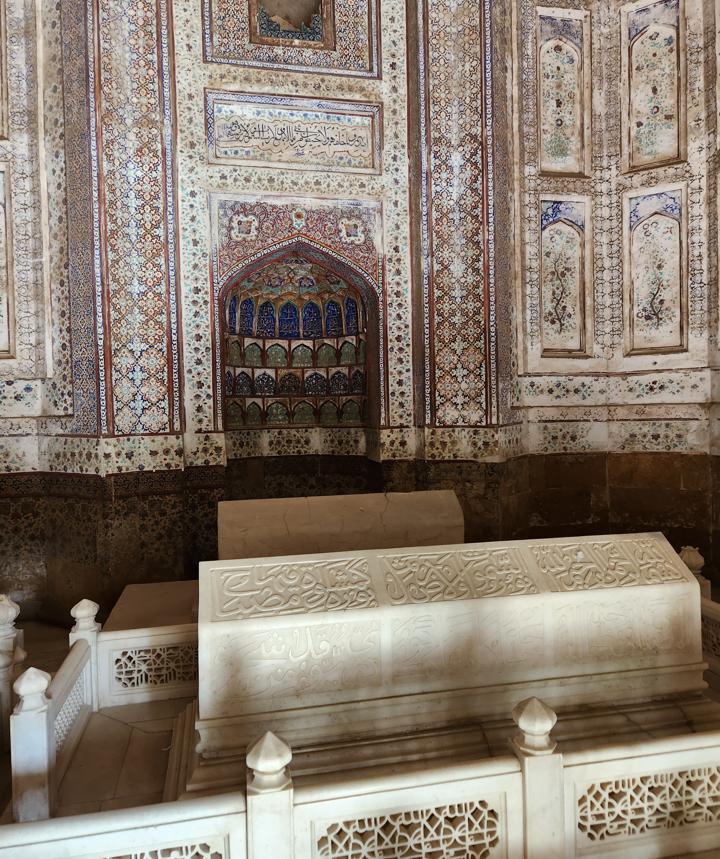
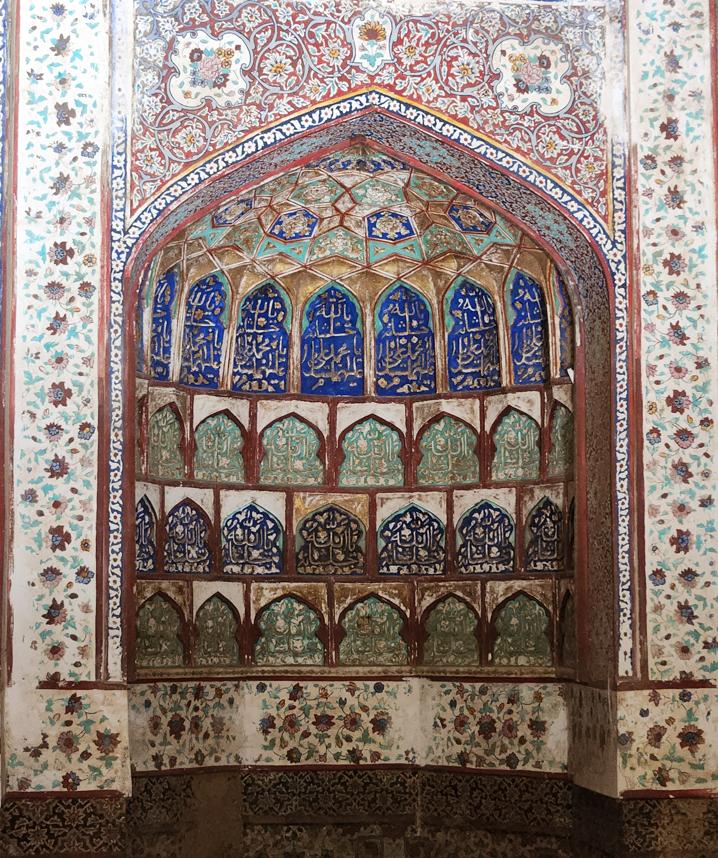
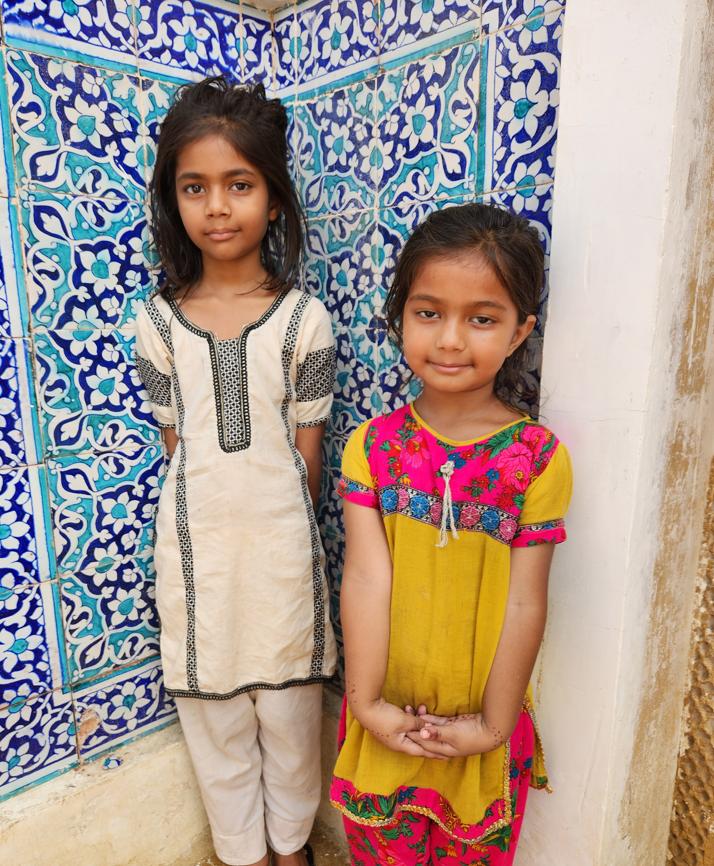
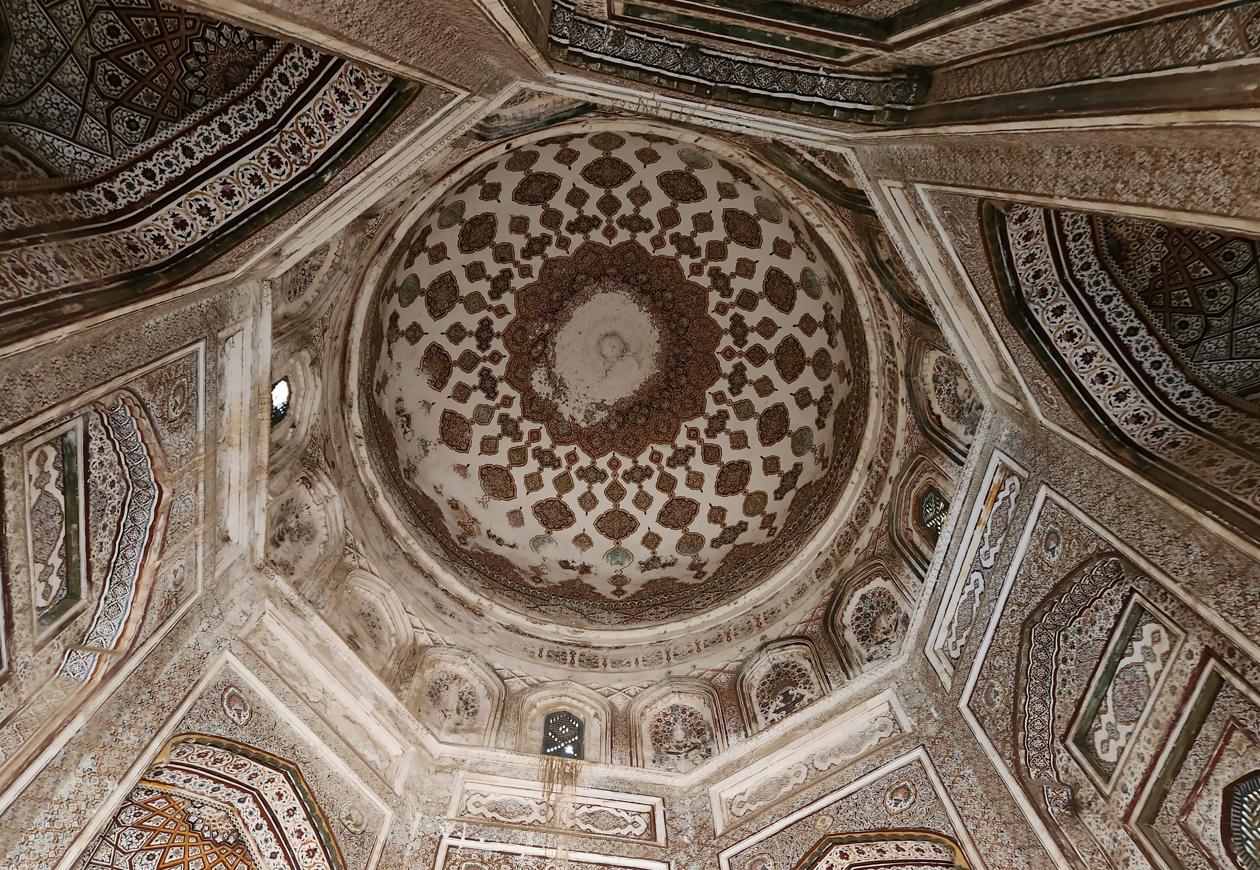
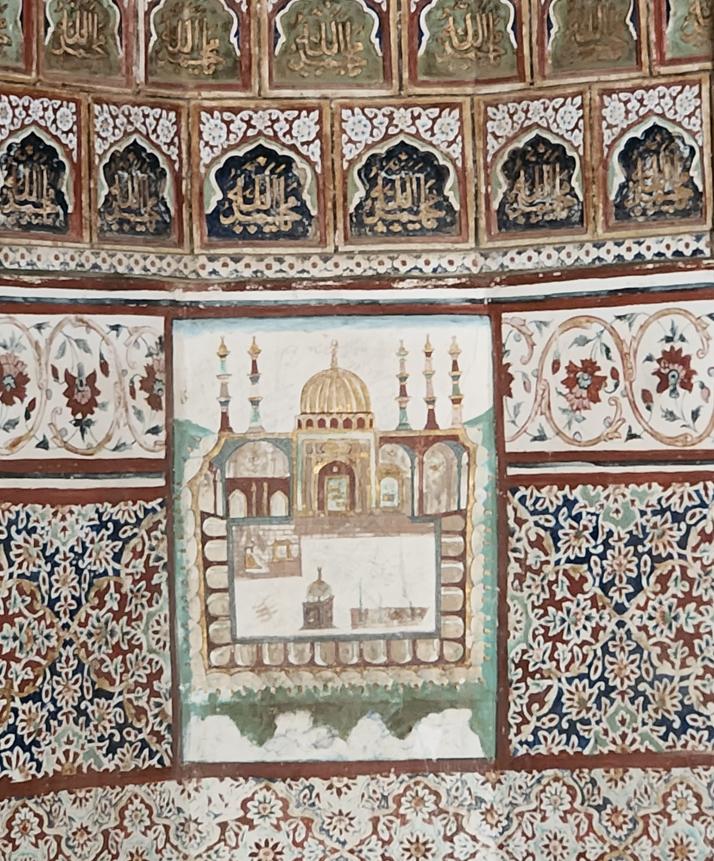
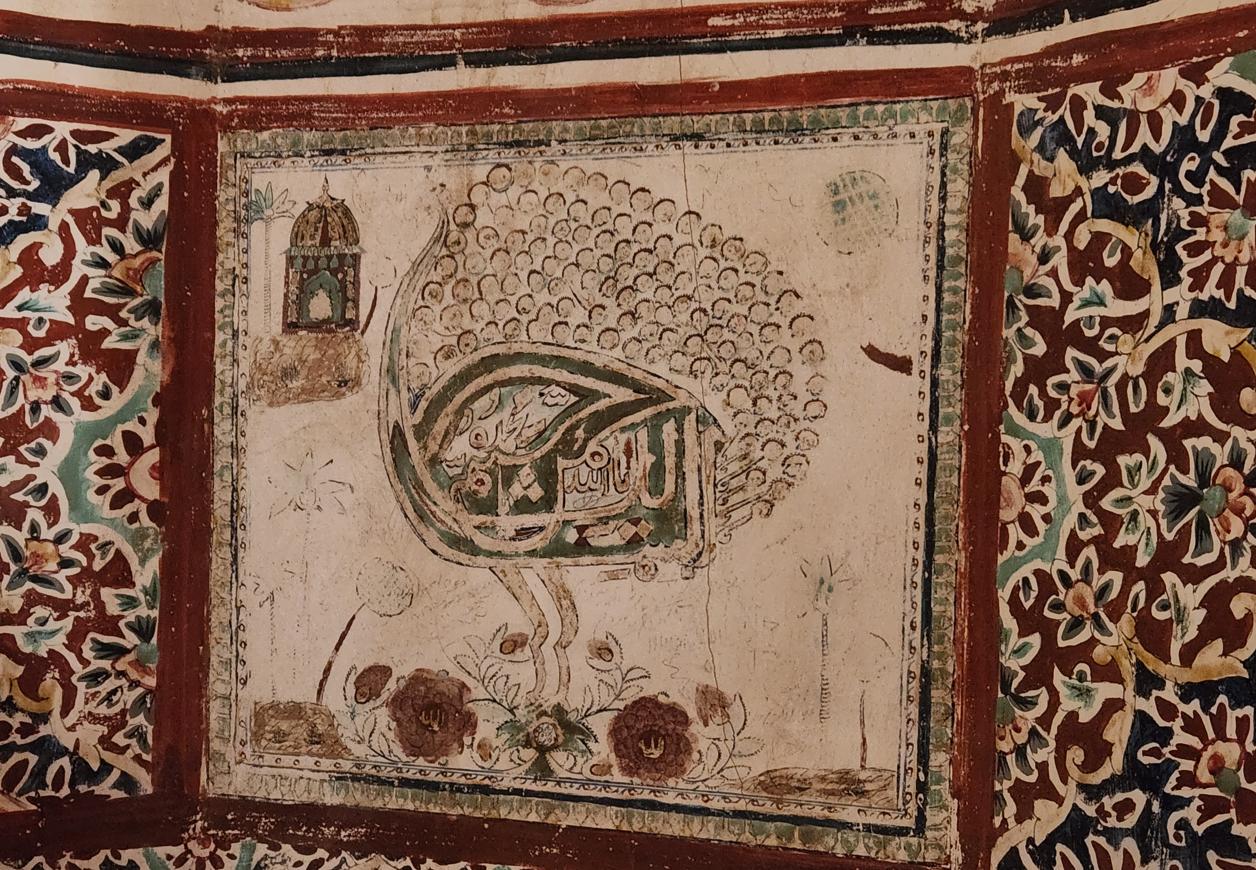
In the Hirabad quarter of the city stand the tombs of the Talpur Mirs — known locally, in Sindhi, as cubbas — the final resting place of the rulers, consorts, and family of the Talpur dynasty, a Baloch tribal house that took power from the declining Kalhoras and ruled Sindh as its last independent sovereigns for some sixty years, until the British conquest of 1843. The tombs have been carefully restored in recent years, and their glory is entirely a matter of surface: kashi-kari, the glazed tilework of Sindh, applied with a density and confidence that turns whole facades into sheets of pattern, cobalt blue and ochre yellow and deep green arranged in geometries that reward close looking as much as they do a glance from across the courtyard. Inside, the geometry softens into floral motifs and Arabic calligraphy worked directly into the tile, walls turned into pages of devotion. There is something quietly moving about the contrast between the scale of the buildings and the fragility of the material that decorates them — empires end, but the tiles, mostly, survive them.
That end came in two battles fought six weeks apart. On 17 February 1843, at Miani, a British force of some three thousand men under Sir Charles Napier routed a Talpur army several times its size; on 24 March, at Dubbo, just outside Hyderabad, Napier finished the job against the forces of Mir Sher Muhammad Talpur, the "Lion of Sindh," who fought on after the other Amirs had effectively conceded. The Hyderabad Talpurs — the Shahdadani branch — went down fighting, but they went down for reasons that had as much to do with Sindh's own politics as with British firepower: joint rule among rival Mirs had fractured any unified command, and years of friction with the British over trade, control of the Indus, and regional influence — sharpened by London's anxiety over Russian expansion into Central Asia — had left Napier looking for a pretext and Sindh in no position to present a united front when he found one. What followed was straightforward annexation: the Shahdadani Talpurs lost their sovereignty outright, surviving afterwards only as jagirdars, landed gentry stripped of the power to rule and left with little more than the tombs I was now standing among.
Not every branch of the family fell with them. The Talpurs of Khairpur, further up the Indus, had read the geopolitical weather earlier and more shrewdly. Mir Ali Murad Khan Talpur signed treaties with the British in 1832 and 1838 that ceded control of foreign relations, roads, and the Indus River in exchange for recognition of Khairpur's internal independence — the classic bargain of the princely states, sovereignty traded for survival. It was a bargain that paid off with almost embarrassing precision: when Napier marched on Hyderabad, Khairpur stood aside as an ally rather than a target, and the state I would visit further up the river survived, nominally independent, for more more than a century after its cousins in Hyderabad had been reduced to tomb-keepers.
Sindhology & The Bhuttos
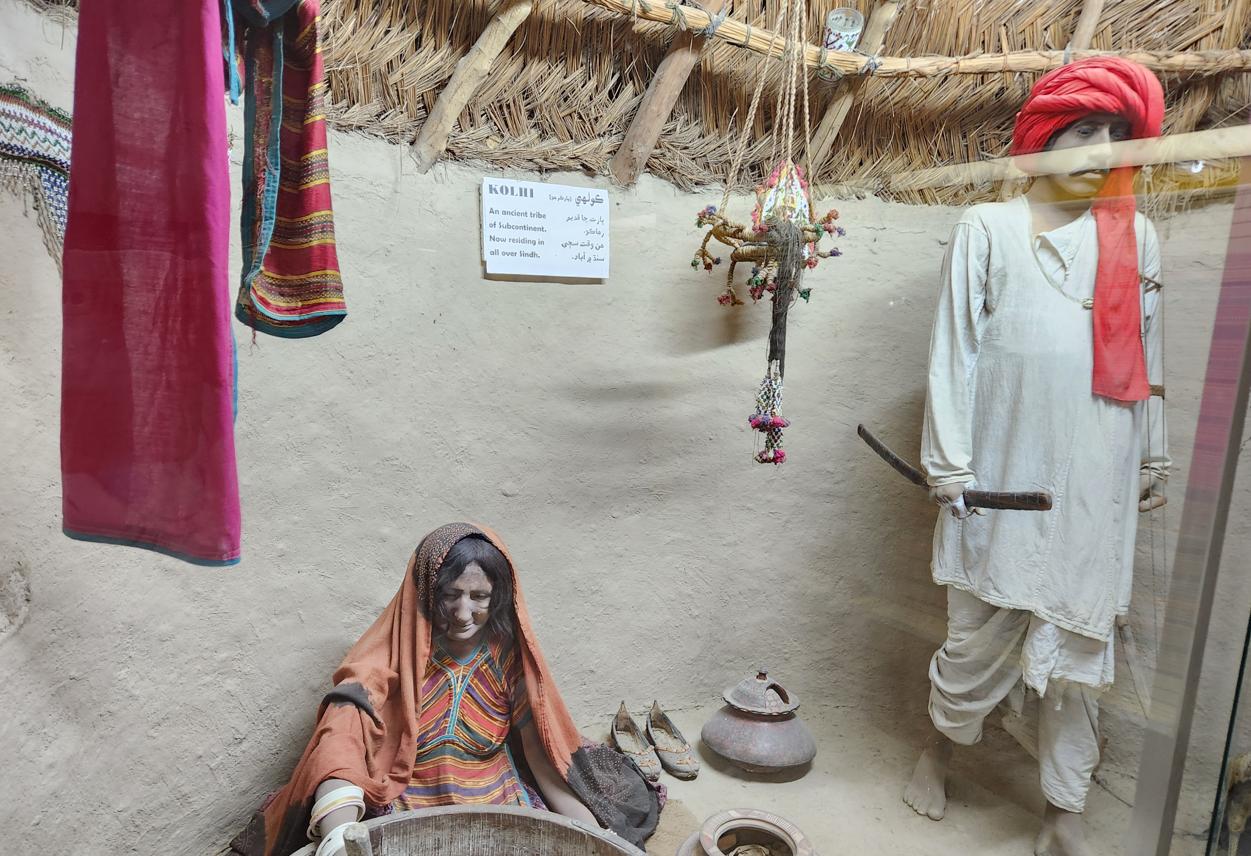
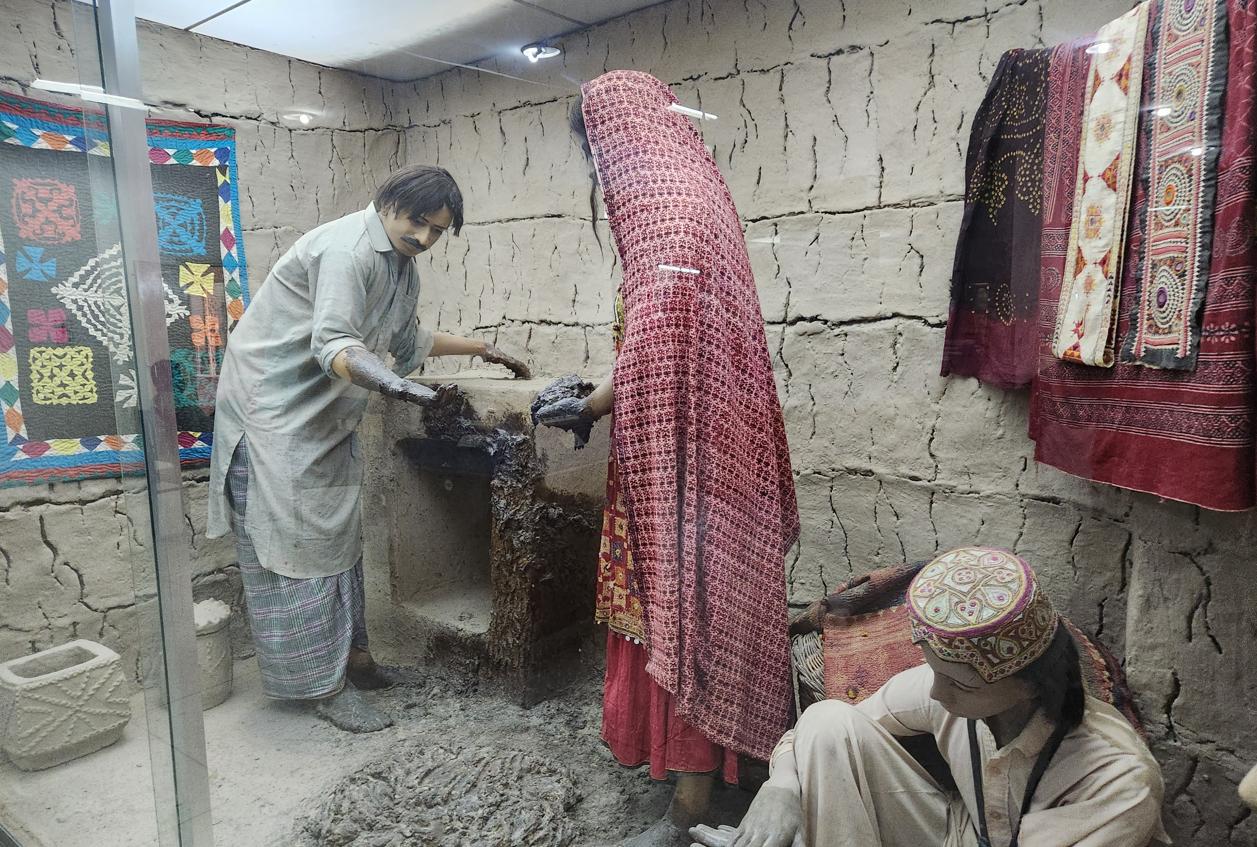
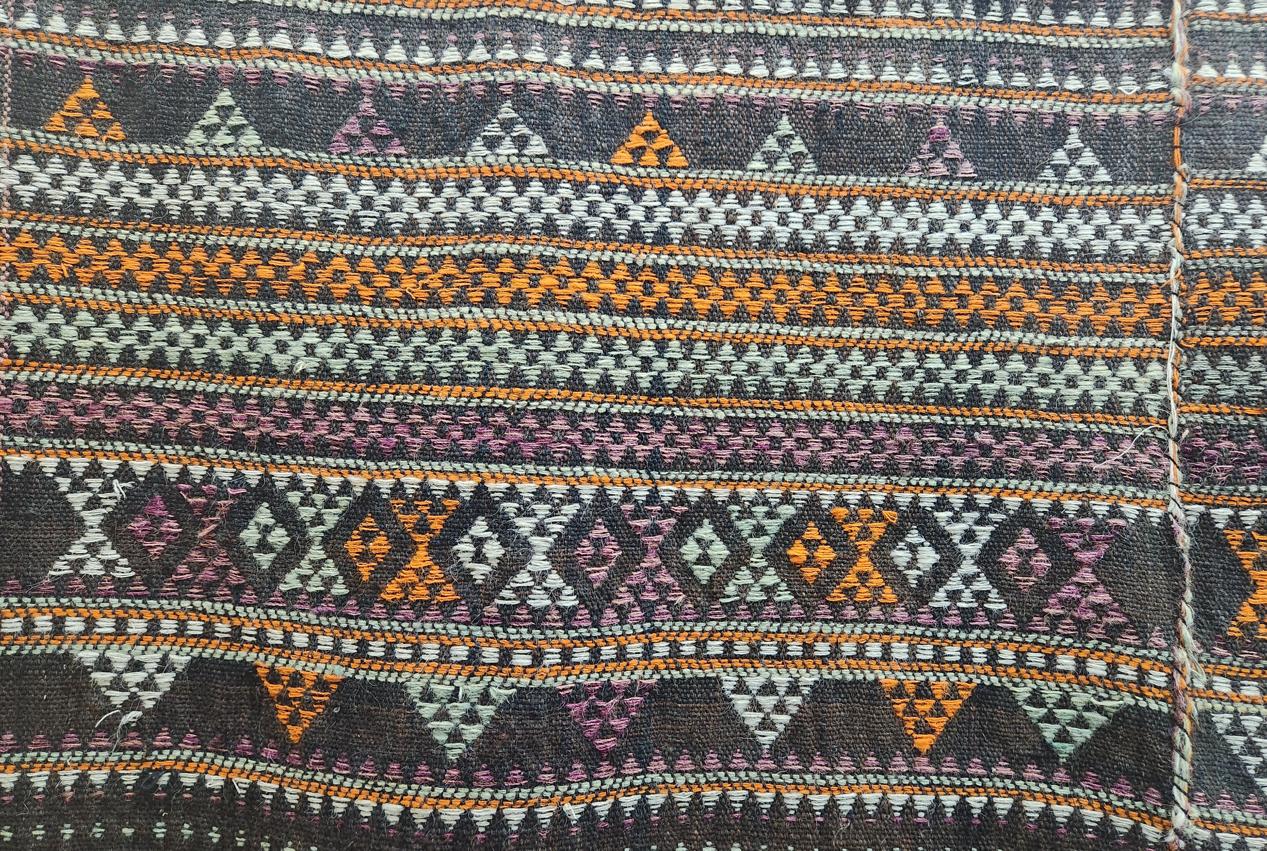
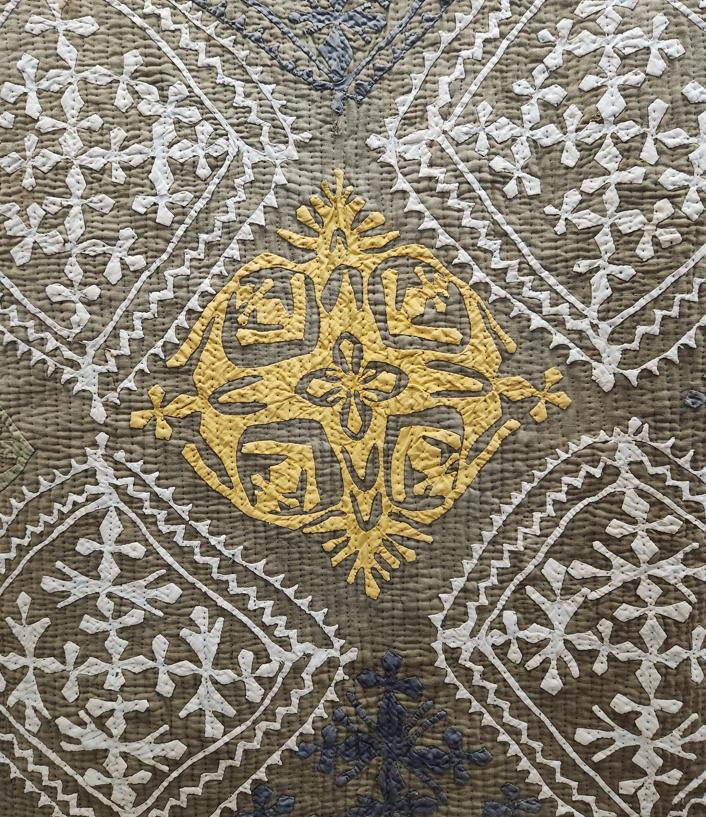
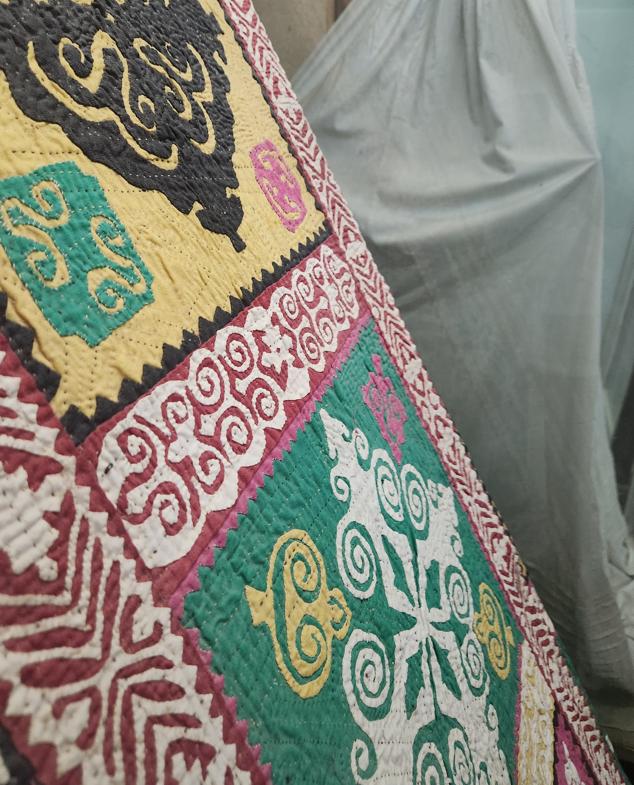
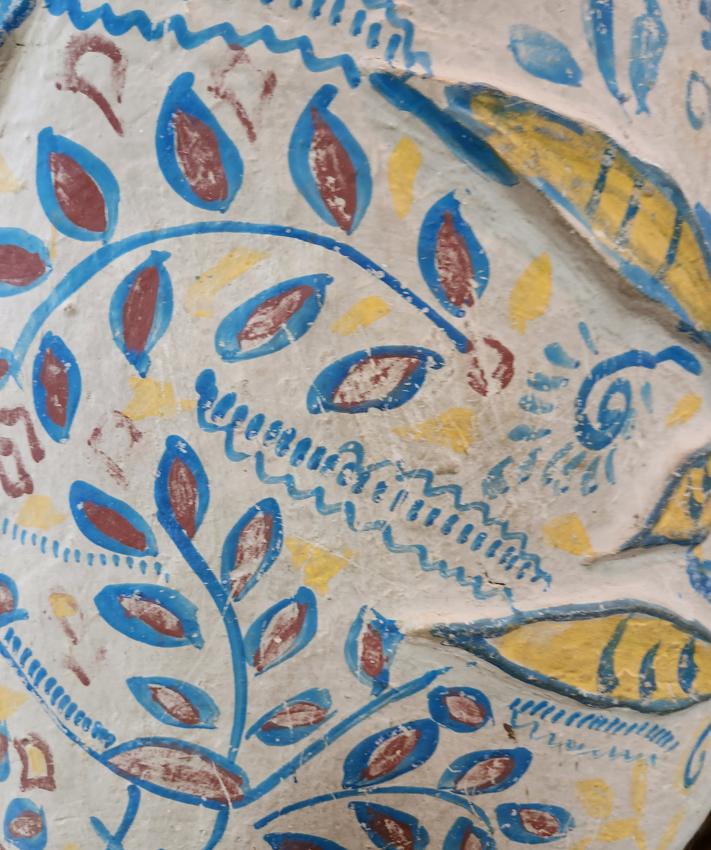
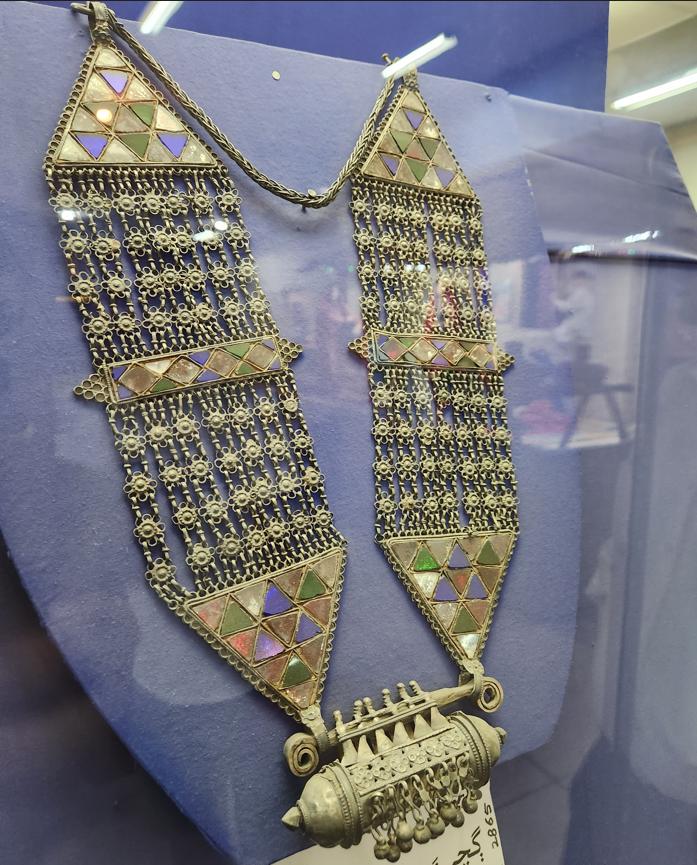
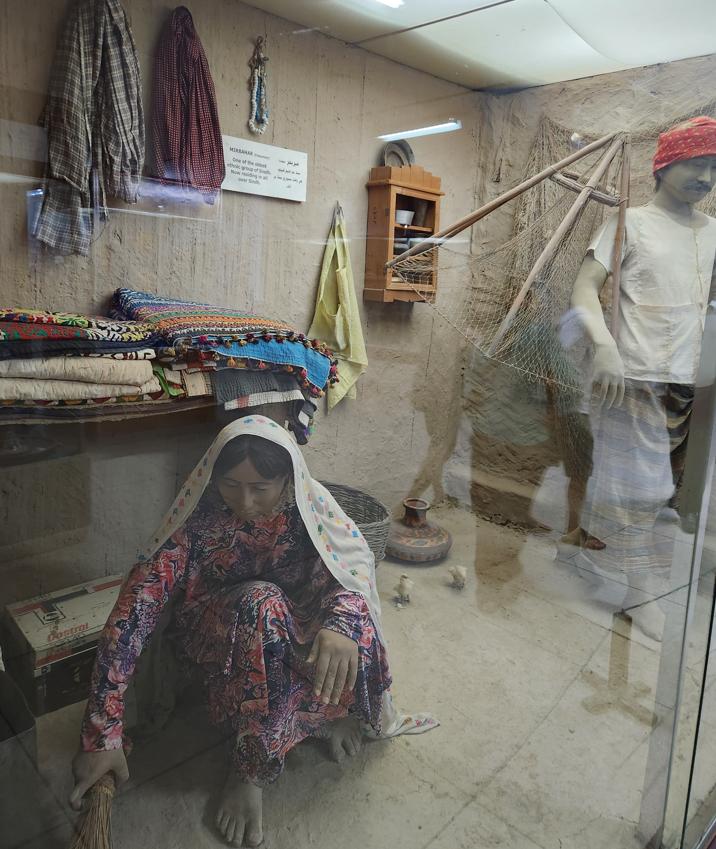
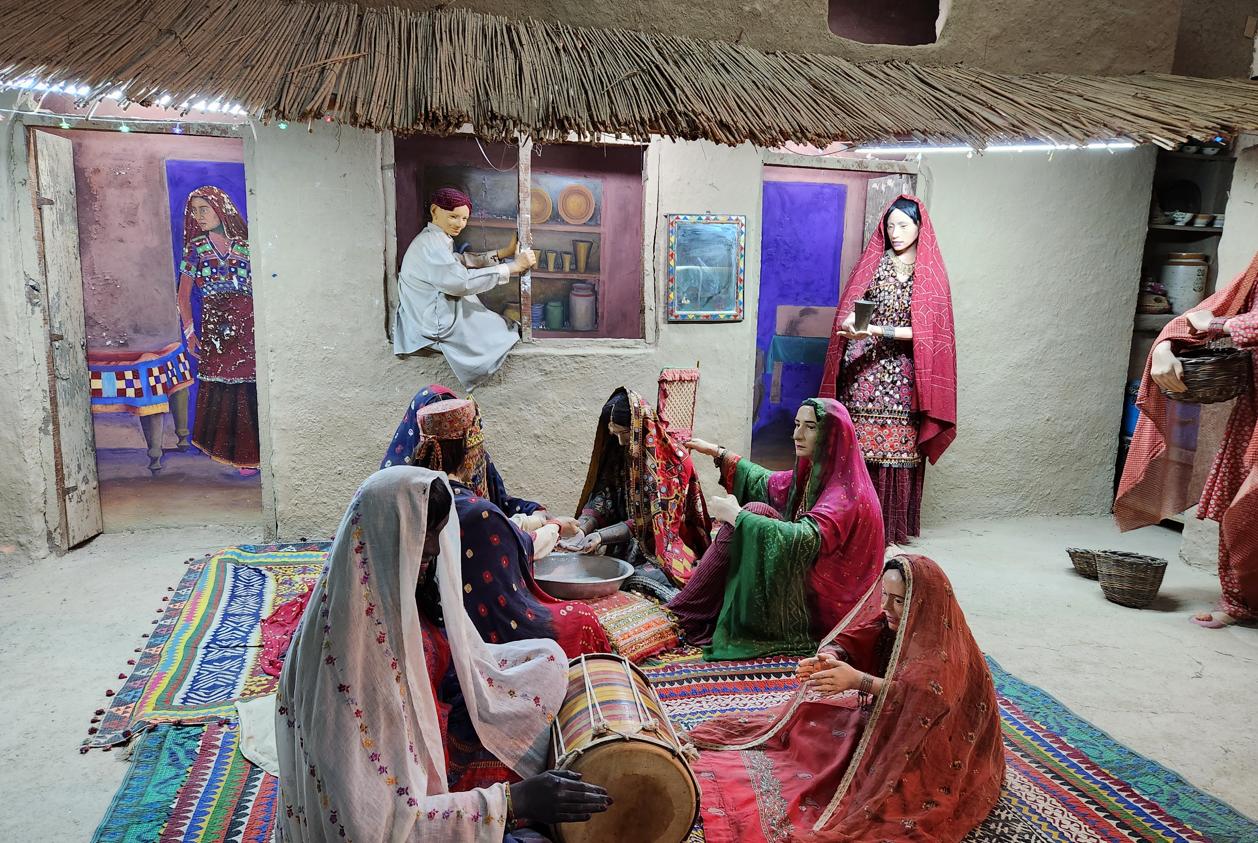
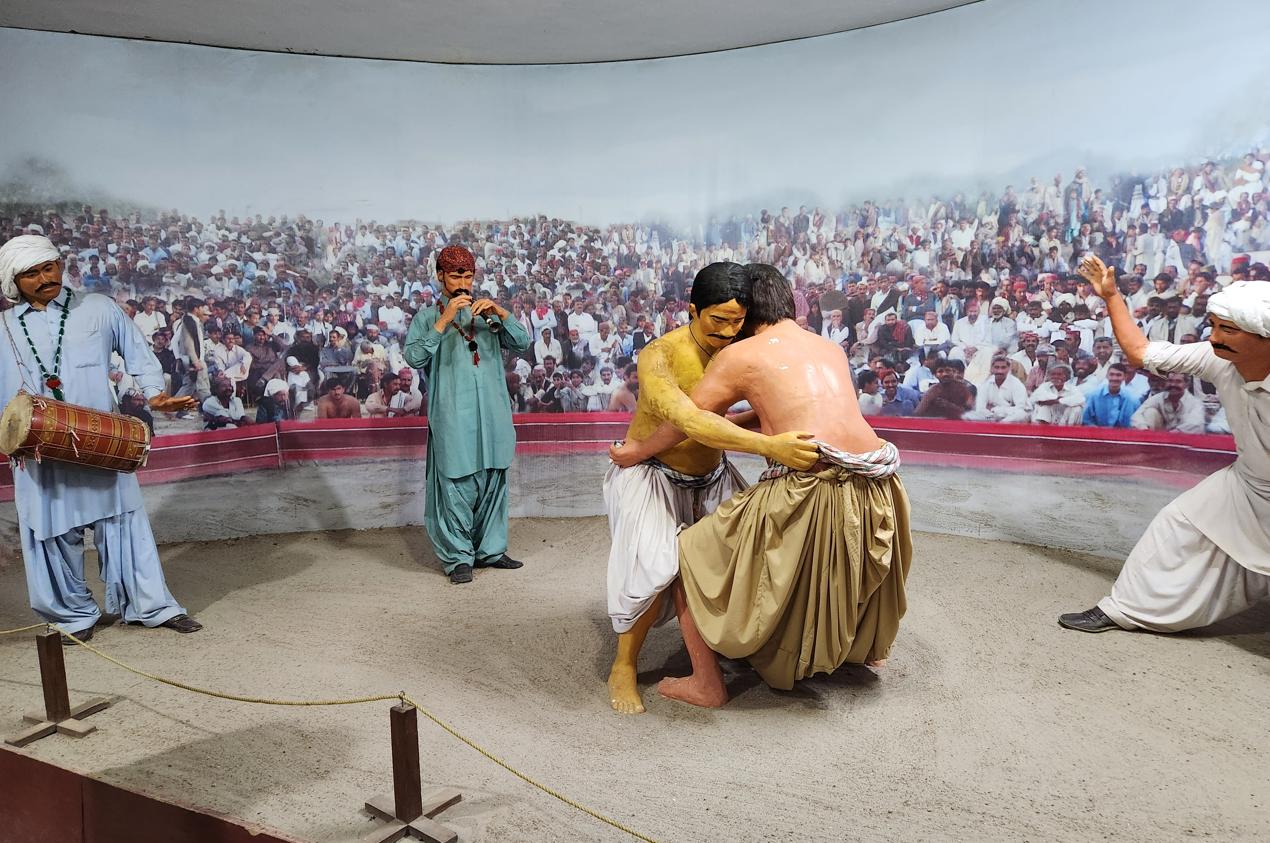
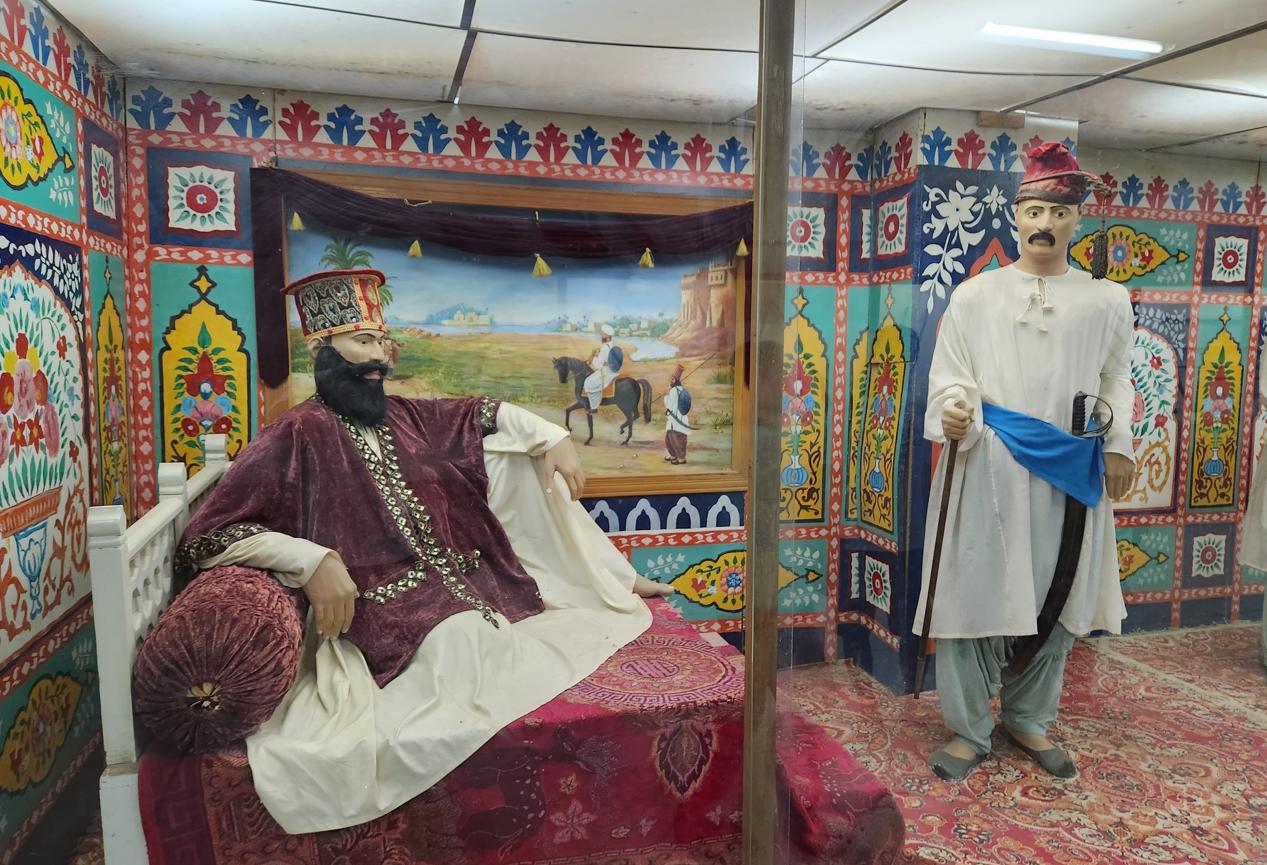
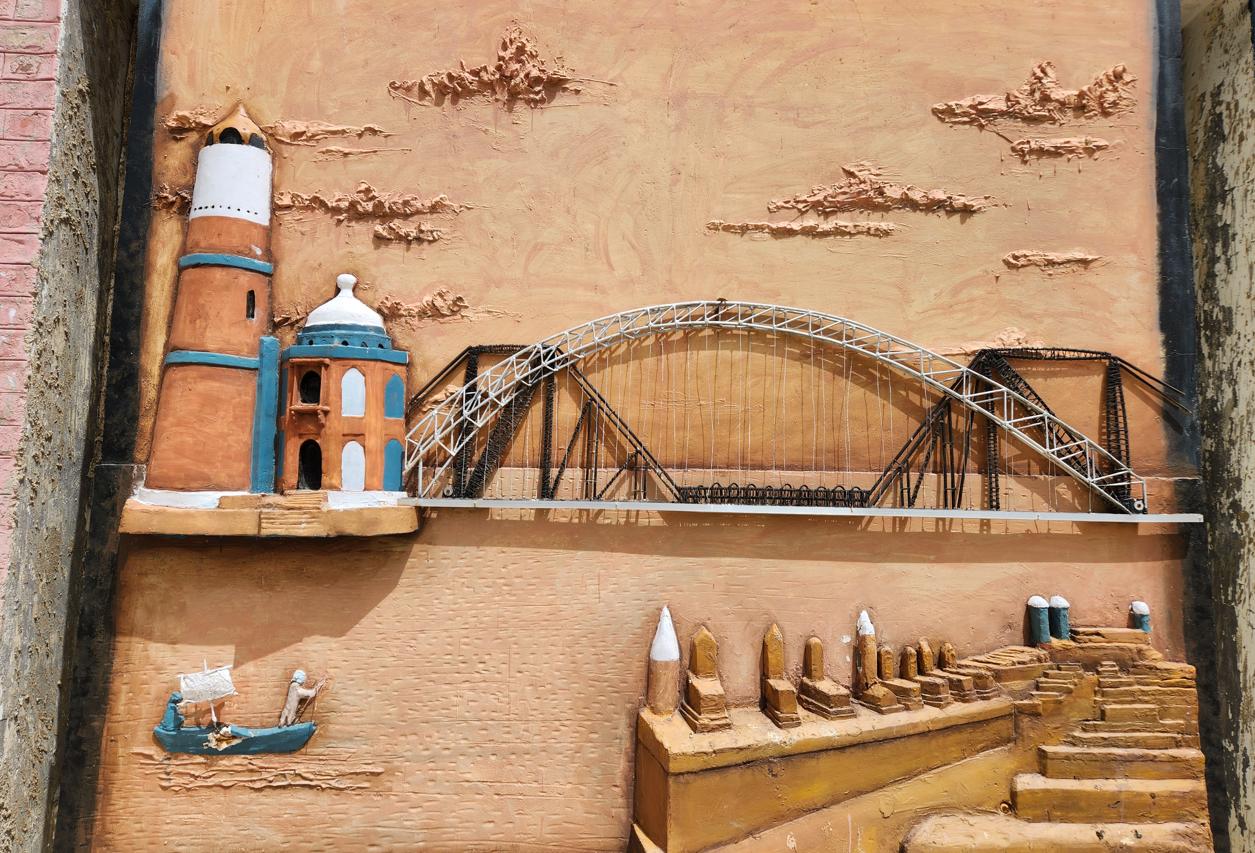
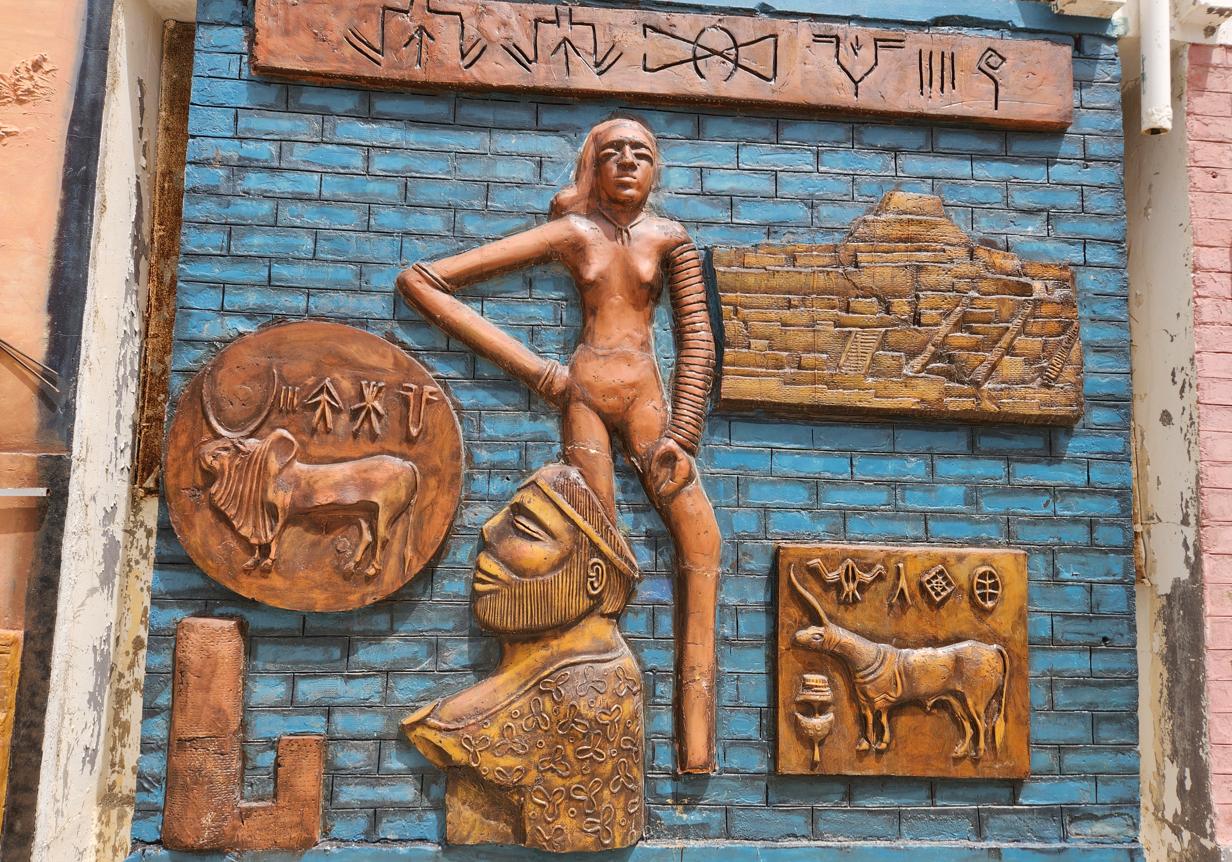
On the campus of the University of Sindh in nearby Jamshoro, the Museum of Sindhology offers a different register entirely: an ethnographic and political archive in one building. The folk-culture galleries are absorbing on their own terms — embroidered Sindhi costumes in colours that seem to argue against the surrounding desert, a collection of folk instruments that look like they could still be played. But the museum's emotional centre of gravity is its galleries devoted to the Bhutto family, whose fortunes have been so thoroughly entangled with the country's that the exhibits read less as local history than as national biography. The displays on Zulfikar Ali Bhutto's hanging in 1979, and on his daughter Benazir's assassination in 2007, are presented with a solemnity that borders on hagiography, and it is hard not to be moved by them, even while remembering that the Bhuttos were, before they were martyrs, one of Sindh's great landholding families — feudal grandees whose name was made in agricultural estates and political patronage long before Zulfikar discovered socialism. It is a fair question, and one the museum does not really ask of itself, how much the dynasty's decades in and out of power actually loosened the grip of Pakistan's feudal landholding class on its rural poor, as opposed to simply rotating which family held the levers.
The family's entanglement with the state goes back further than Zulfikar, in fact, to an episode the museum does not mention at all. In 1947 his father, Sir Shahnawaz Bhutto, was Dewan — prime minister — of the princely state of Junagadh, on the coast of Gujarat, and the central figure in one of Partition's stranger fiascos: an attempt to redraw Pakistan's border by a thousand kilometres. Junagadh's population was overwhelmingly Hindu, but its Nawab, Mahabat Khanji, was Muslim, and chose — with Shahnawaz Bhutto managing the correspondence — to accede the state to Pakistan, despite the fact that it shared no border with the country and sat entirely surrounded by Indian territory. India rejected the accession as both undemocratic and geographically absurd, and the state's own internal politics made the Nawab's position worse still: two minor feudatories within Junagadh, Mangrol and Babariawad, refused to recognise his authority and declared for India instead, and when the Nawab sent troops to bring them to heel, he handed India exactly the pretext it needed to intervene on their behalf. Indian forces moved to seal the state's borders, the Nawab fled to Karachi, and Shahnawaz Bhutto was left to hand the administration over to India, which it absorbed after a plebiscite that went overwhelmingly its way.
And yet officially, on Pakistani maps, Junagadh was carried as national territory for decades afterwards — an accession the state has long treated as legally valid even though it was never, for a single day, actually exercised. It is a strange thing to contemplate: a tiny Gujarati exclave that might, in another version of history, have belonged to Pakistan, its sovereignty undone in the end as much by its own fractured geography as by any Indian army.
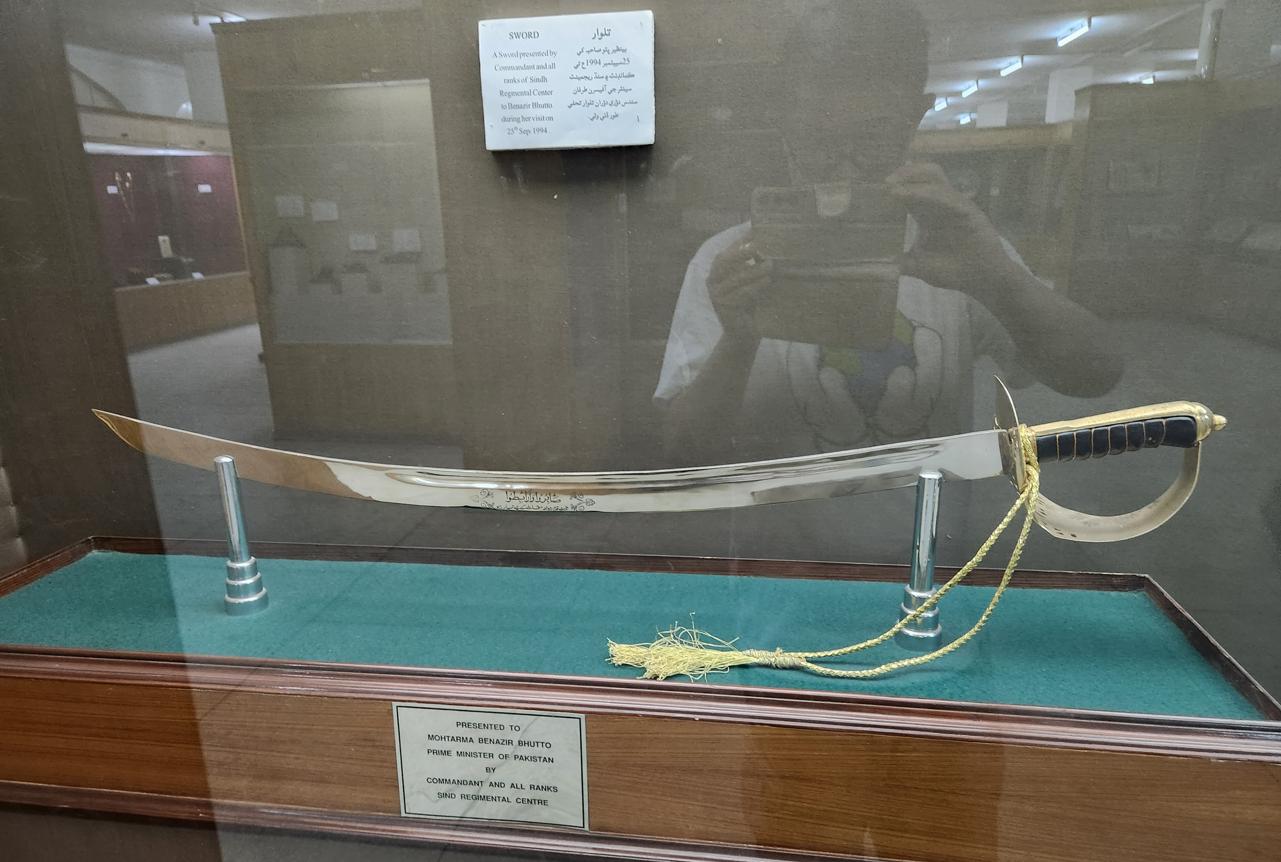
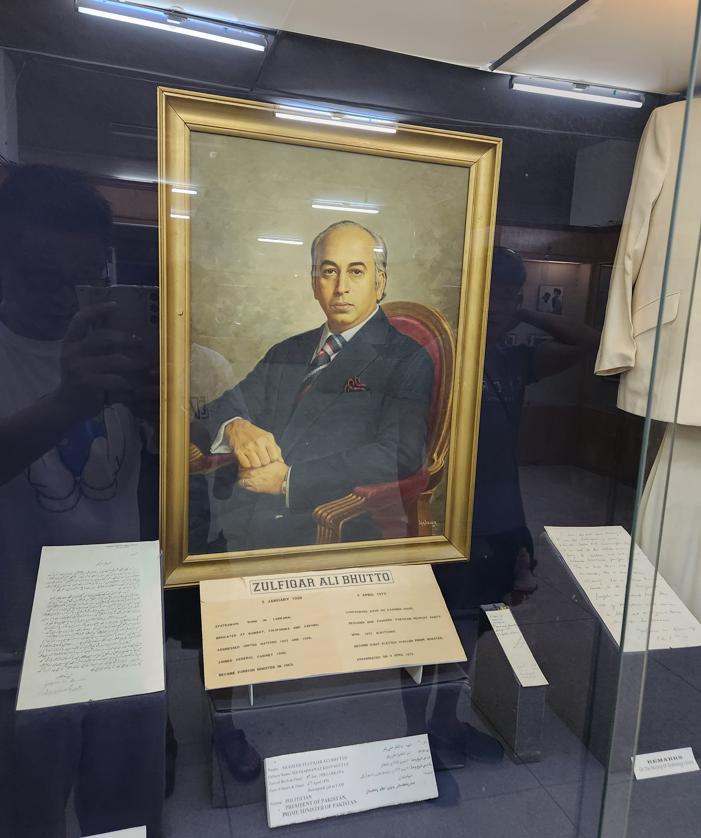
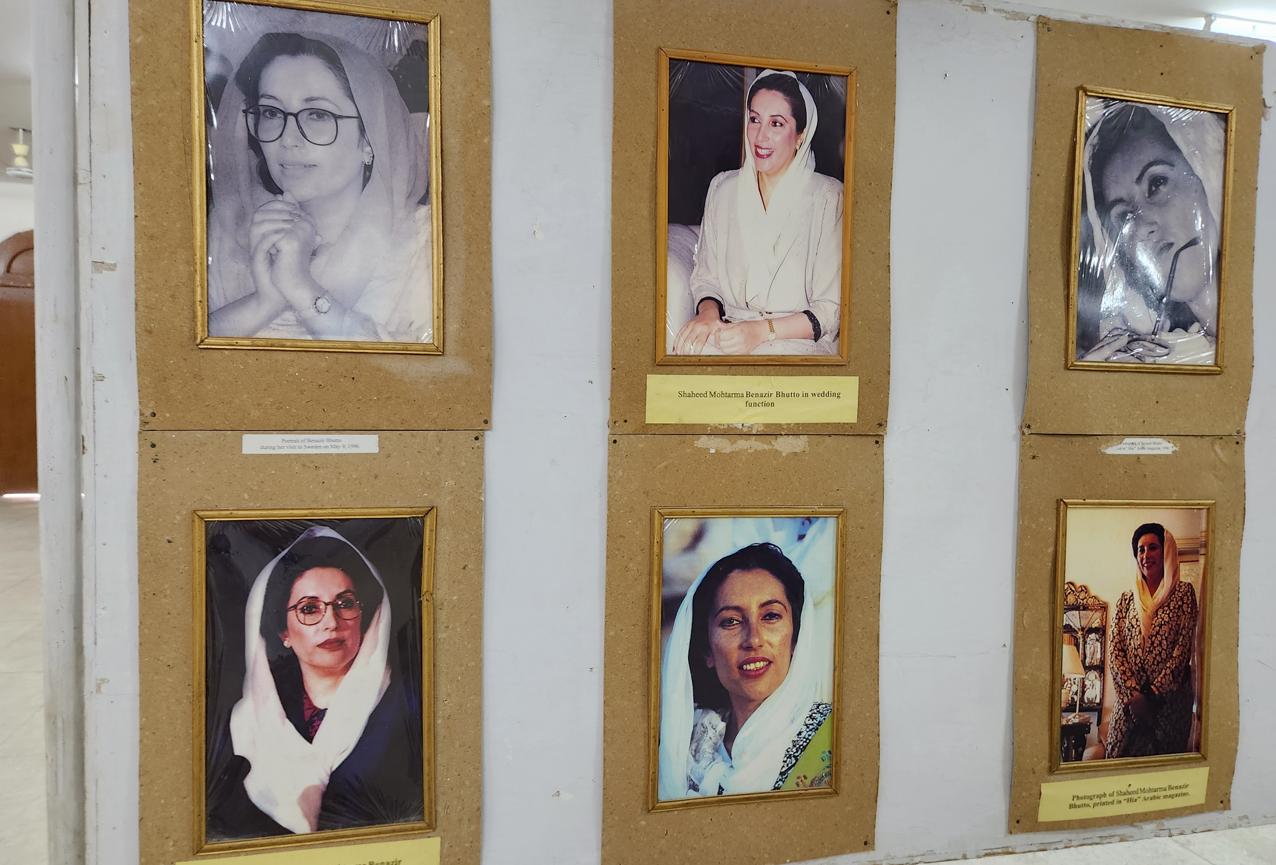
Zulfikar Ali Bhutto's own legacy carries at least one strand that looks, with hindsight, more troubling than triumphant: it was his government, in the mid-1970s, that began formally writing Islam into the machinery of the state — declaring the Ahmadi sect non-Muslim by constitutional amendment, banning alcohol, moving the official weekend to Friday — concessions made partly to outflank religious opposition that were then taken much further by his successor, General Zia-ul-Haq, who used the same instrument with far less restraint. Add to that the family's long and well-documented reputation for corruption in office, on Zulfikar's watch and especially his daughter's, and it becomes difficult to discuss the Bhuttos as simply democracy's martyrs without also asking whether dynastic, frequently graft-ridden politics — practised as comfortably by the Bhuttos as by their rivals — is itself part of why Pakistan's governments have rotated so violently between civilian mismanagement and military rule, and why an economy with this much underlying potential keeps finding its way back to the IMF.
The Royal Taj Restaurant, to which Jamal directed us with the confidence of a man who has steered many a hungry traveller to salvation, was serving a fish curry that was made, apparently, from fish caught that morning from the nearby Indus, cooked in a sauce of tomato and fenugreek and dried mango powder, and accompanied by a rice that had been cooked with enough ghee to constitute a health warning and enough flavour to render the warning irrelevant.
We ate in near-silence. Outside, the city continued its evening: motorcycles, vendors of paan and sugarcane juice, children doing homework in the yellow light of fluorescent tubes. The Indus was somewhere beyond the buildings, dark and enormous, carrying the water of Tibet toward the Arabian Sea.
Next Chapter
Chapter Three: Mohenjo-Daro — Mound of the Dead MenA Note on Process
The travelogue on this site are based on my own journeys, photographs, Facebook posts, and field notes. I work with Claude (Anthropic's AI assistant) as a drafting and editorial partner — giving it my raw material and working iteratively to shape it into finished prose. The AI helps me draft quickly, maintain a consistent voice across long narratives, and edit at the document level. The website's HTML and coding are built with the assistance of Gemini (Google). Audio versions of the essays are produced using NotebookLM (Google). Every observation, opinion, and conclusion in the written work is mine. The AI tools are the instruments; I am the author.