The City of Saints
and the City the Railway Ate
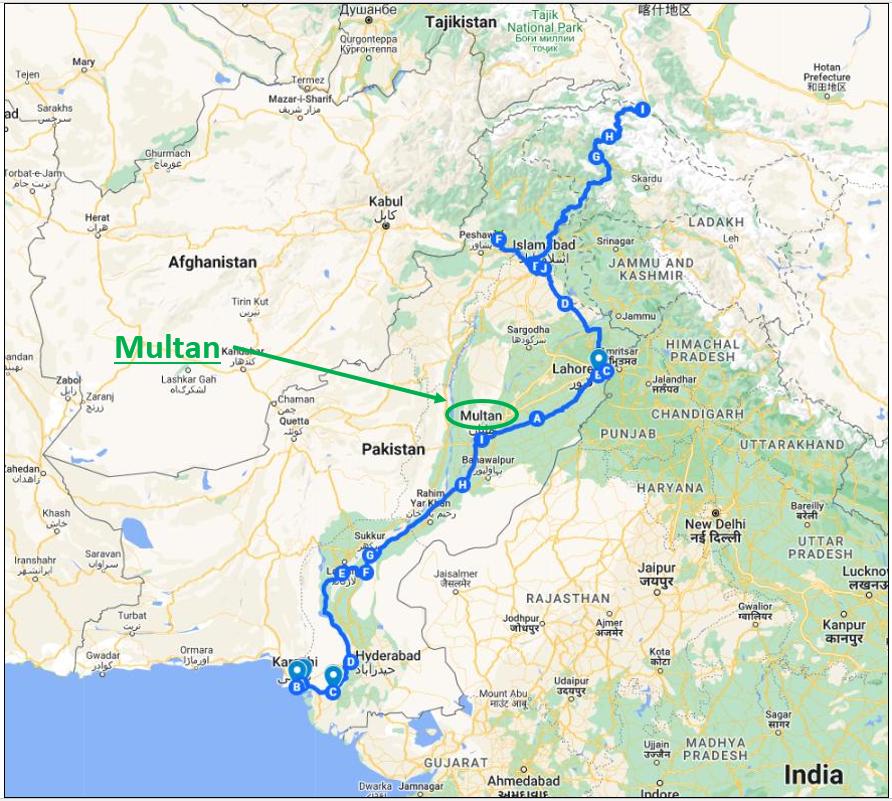
"Multan is the capital of the country of Sindh... It is a large and beautiful city, well fortified and very fertile."
— Ibn Battuta, Rihla (1335)First Impressions: Cleaner Streets, Better Mangoes
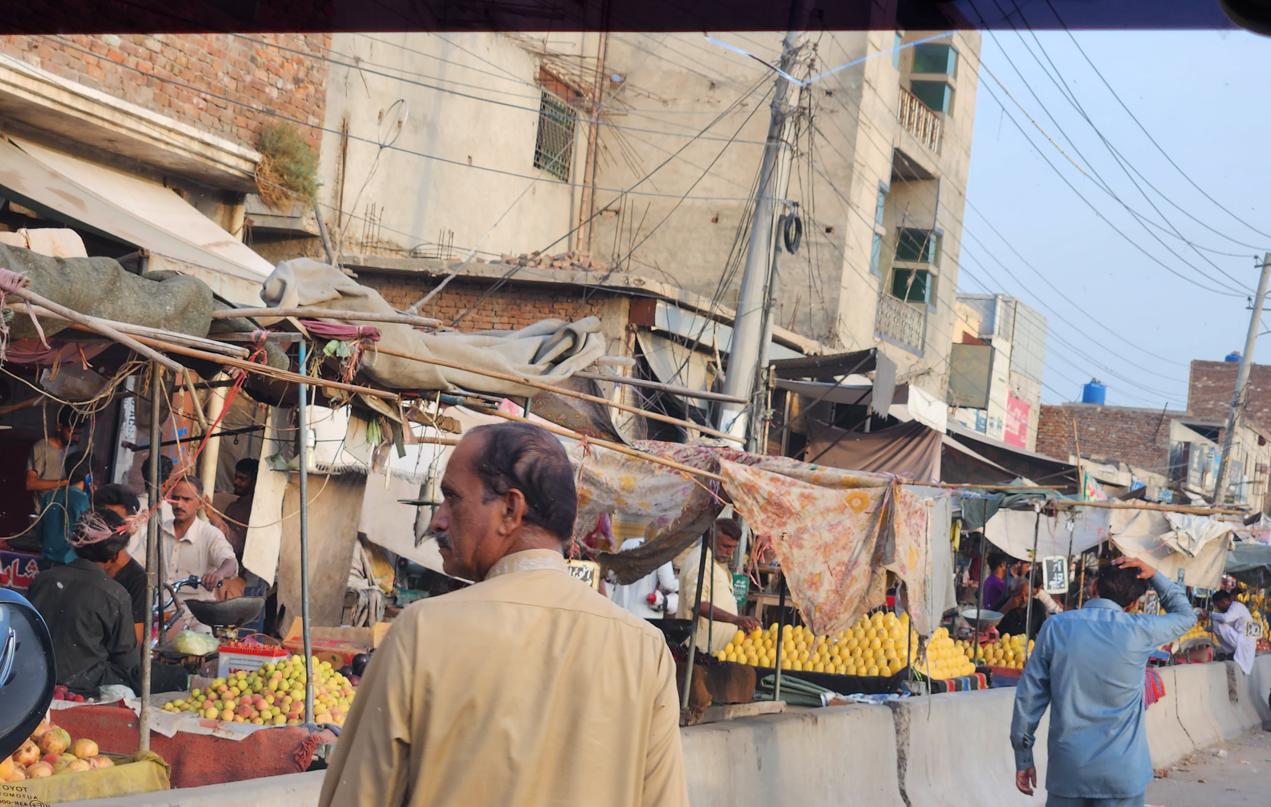
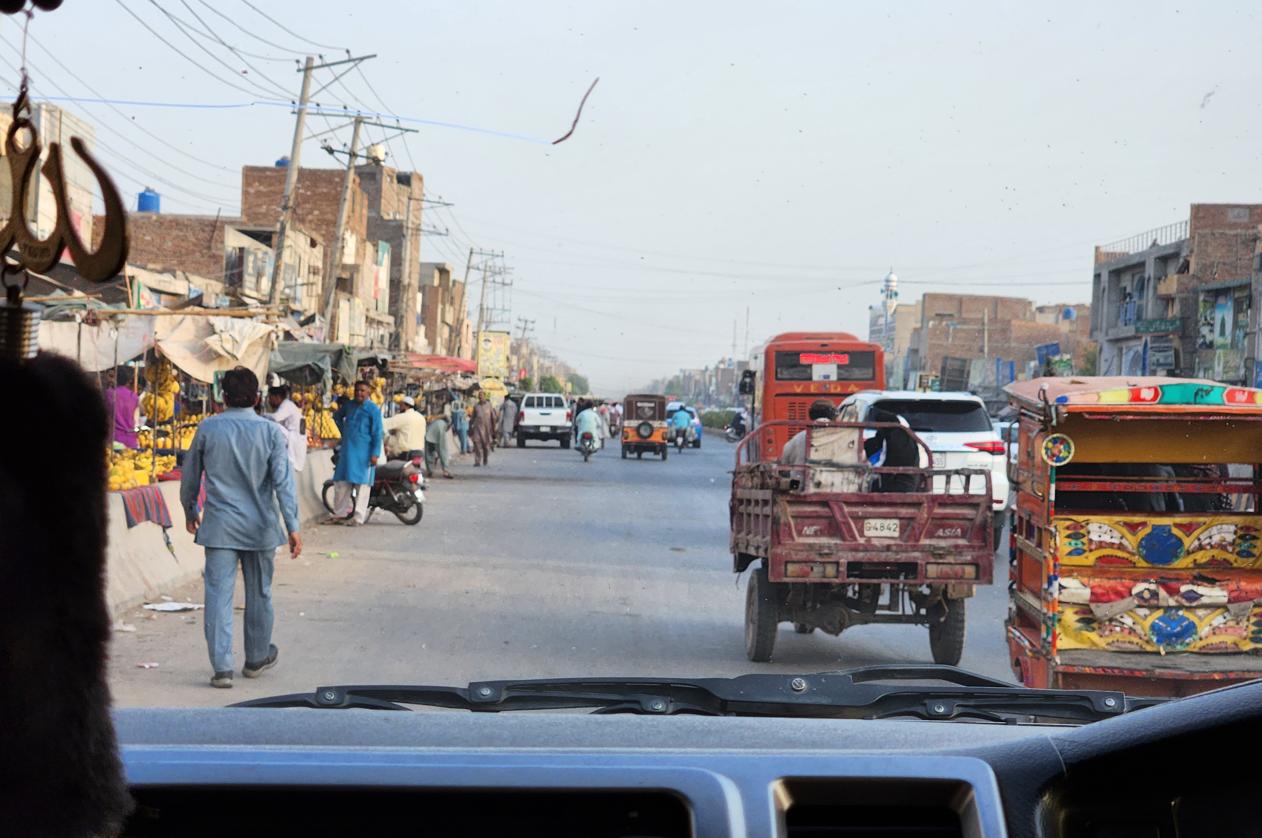
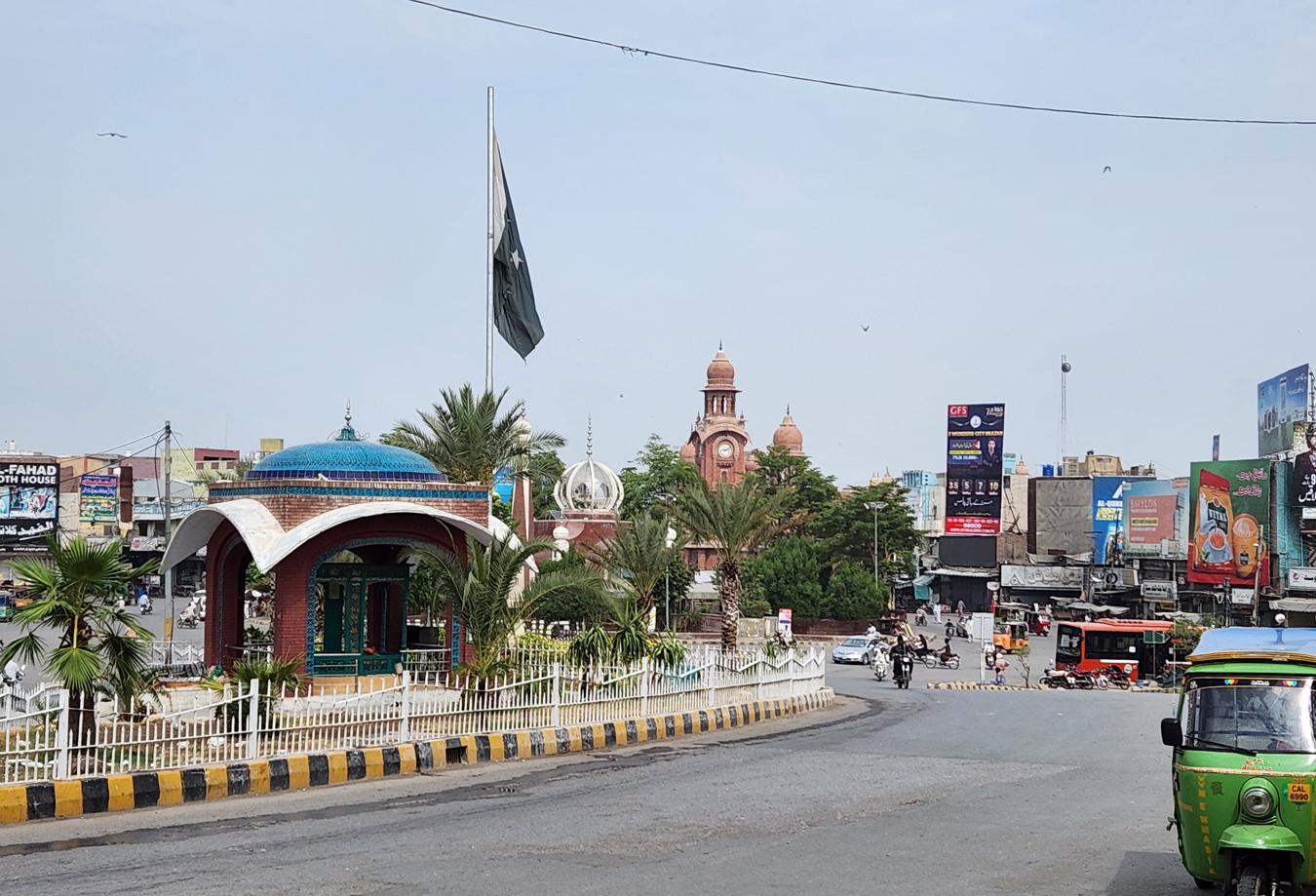
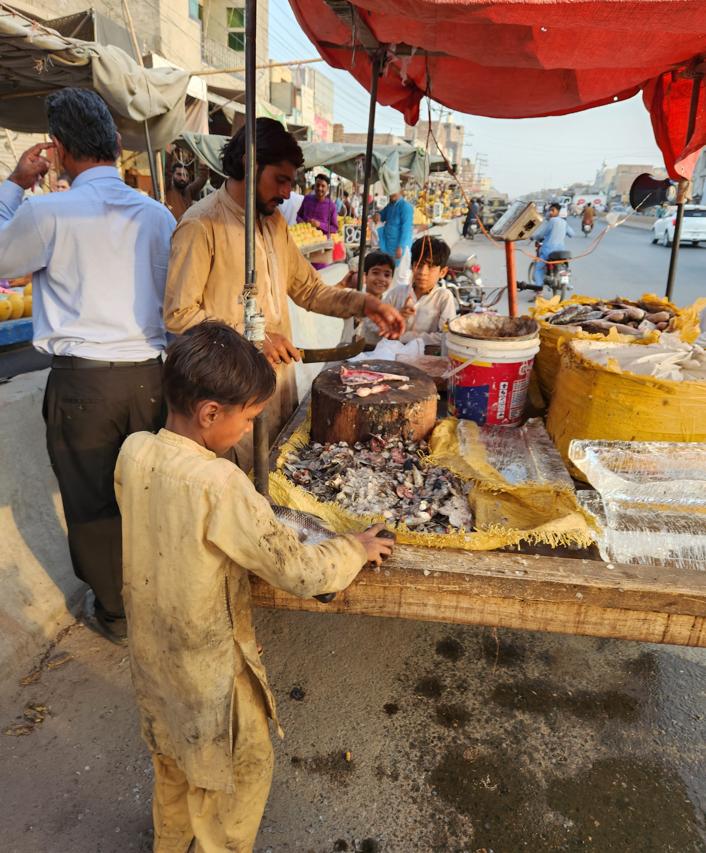
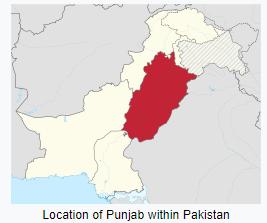
The transition from Sindh to Punjab is visible from the car window in a matter of minutes. The sandy desert margins of Sindh give way to an extraordinary green — the green of canals and irrigation channels and wheat fields and eucalyptus plantations — and the light, which in Sindh has a bleached, almost exhausted quality in the summer heat, takes on a warmer tone, as if reflected off living things.
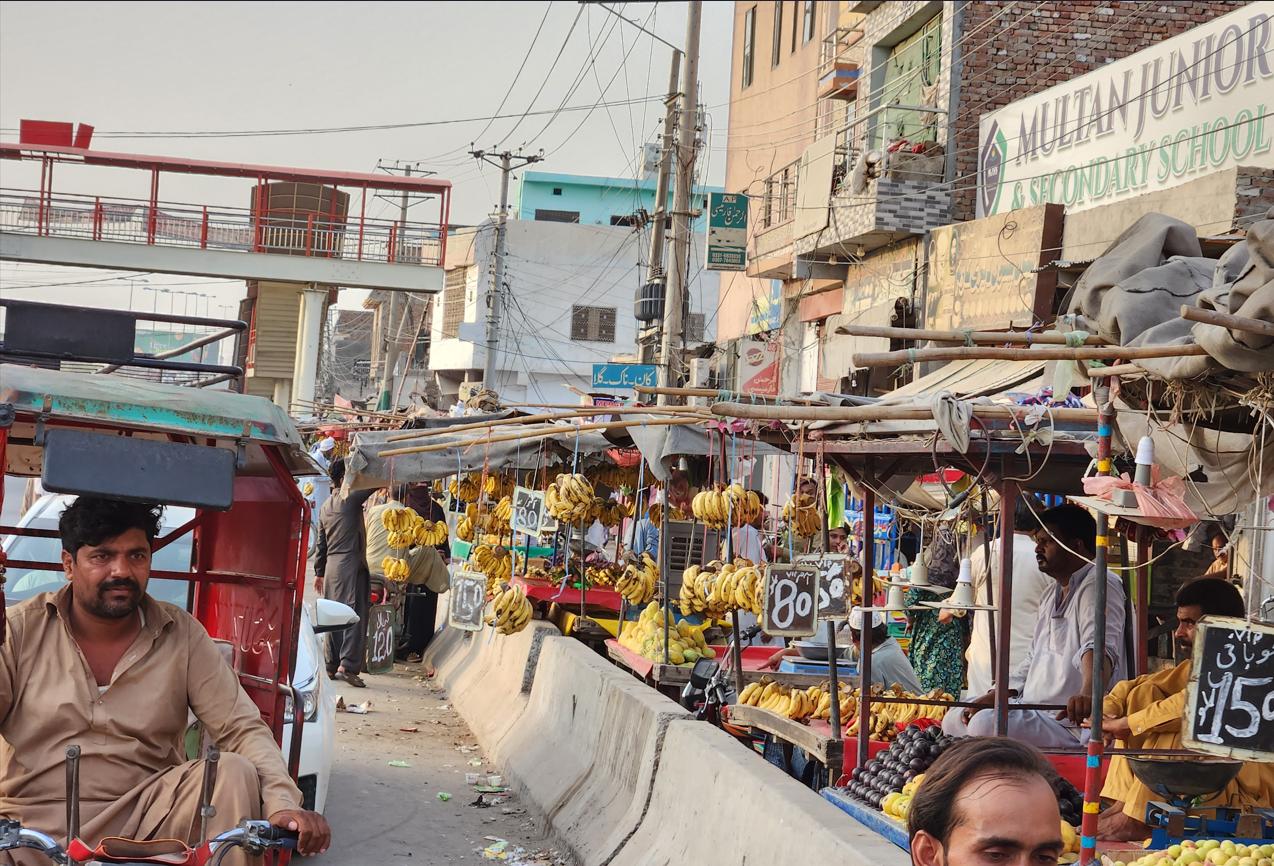
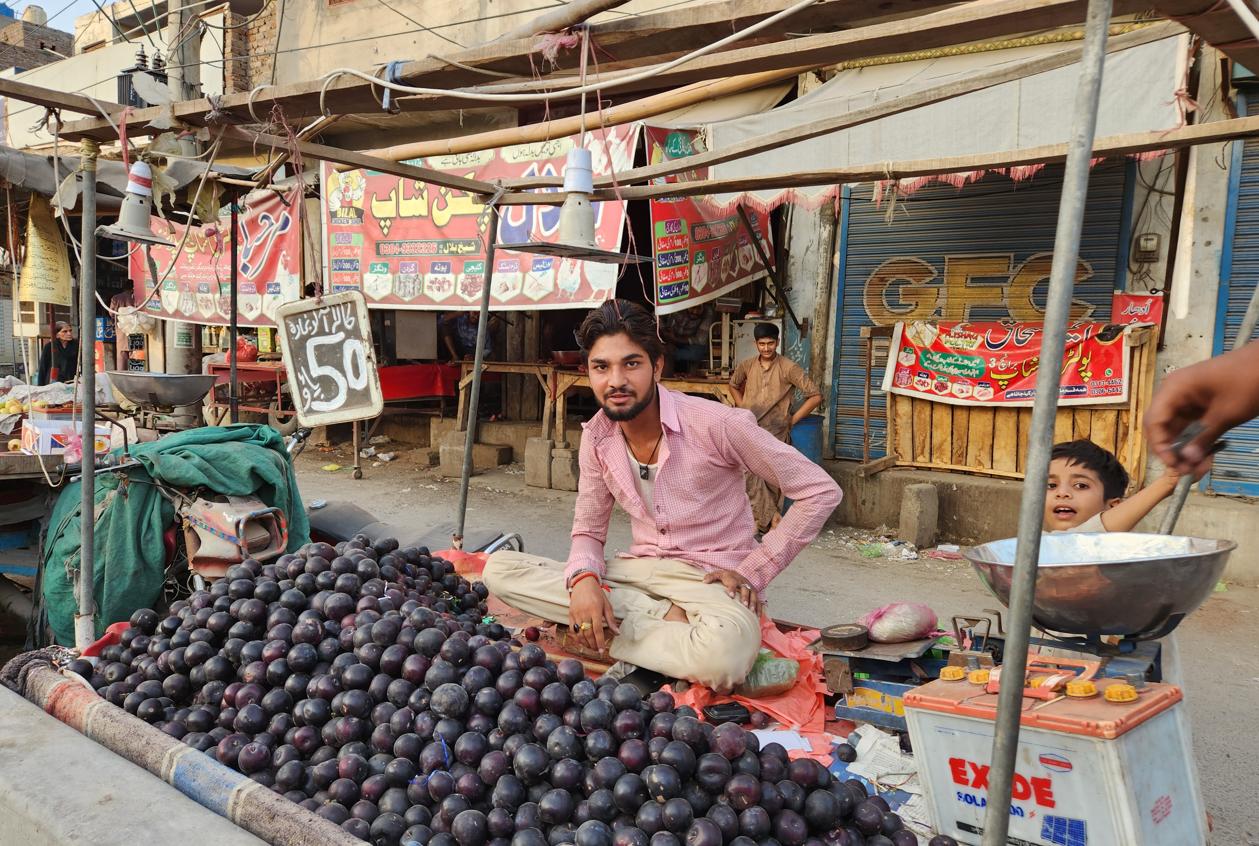
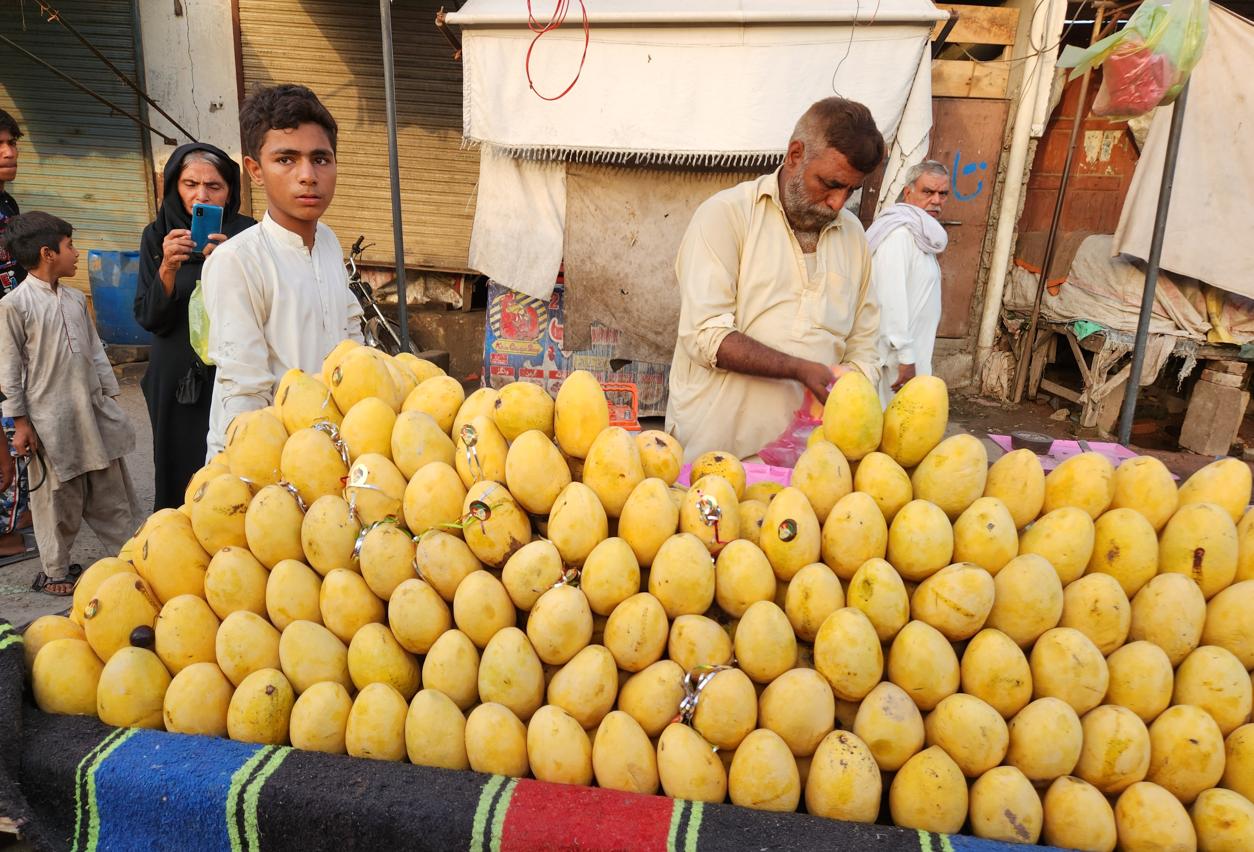
We arrived in Multan in the late afternoon, and the first thing I noticed was the fruit sellers: street stalls carrying mangoes of an improbable abundance, in varieties I had never encountered. Sindhri, Chaunsa, Langra, Anwar Ratol — each a different colour and texture and intensity of sweetness. Mangoes for two hundred rupees a kilogram, which at the July 2023 exchange rate was approximately one Singapore dollar. We bought three kilograms and ate them standing at the side of the road, the juice running down our arms, while Jamal watched us with the amused indulgence of a host who has seen this reaction before.
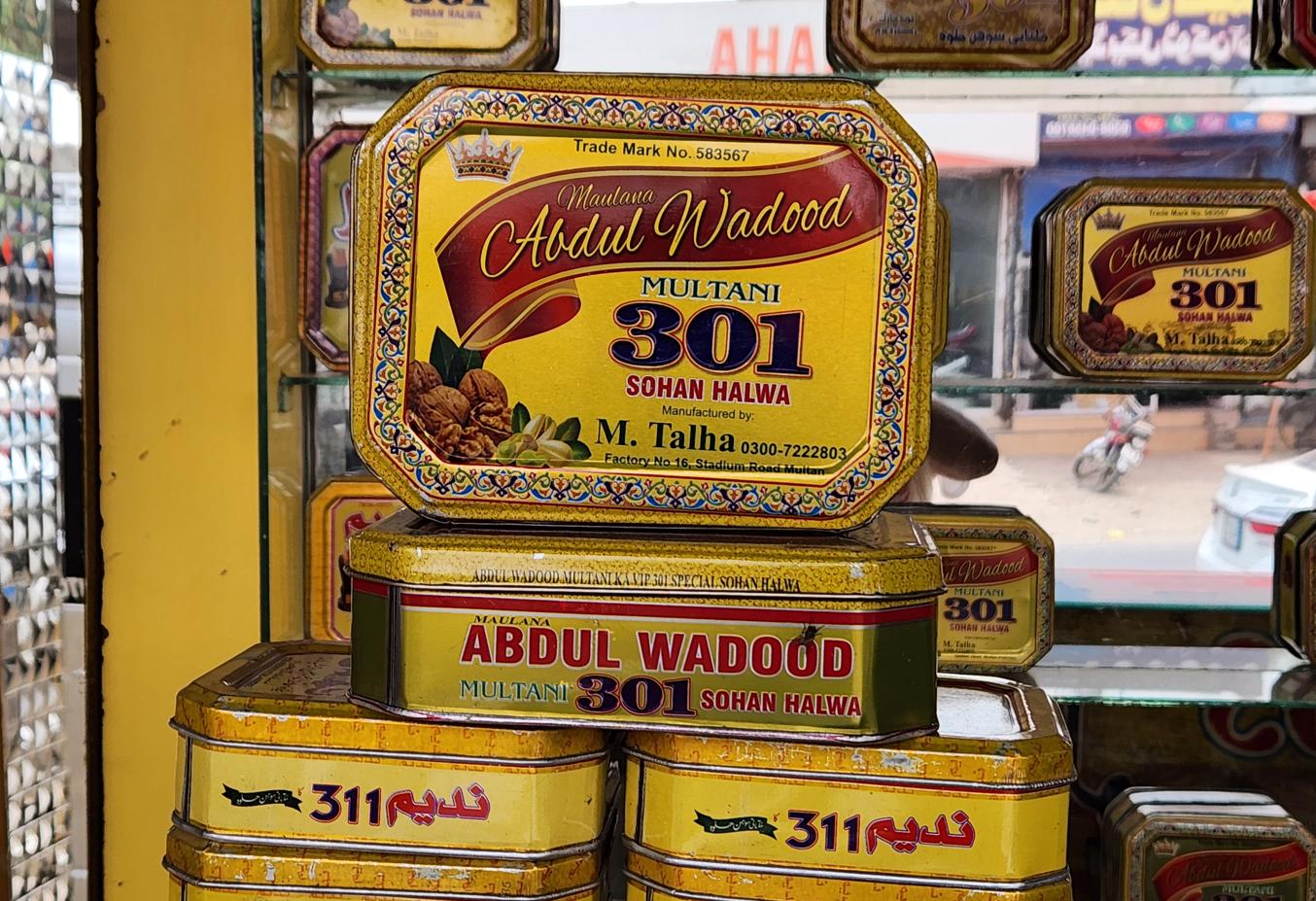
Multan's other great edible export followed shortly after: sohan halwa, a dense, ghee-dark disc of caramelised milk, flour, and sugar, studded with pistachio and almond, that the city has been sending to relatives across Pakistan and beyond for generations. We sought out Hafiz Molana Abdul Wadood's shop — the '301' on the tin apparently a registered mark against the many imitators trading on the family name — and came away with a box that was, by any reasonable standard, too much for two people. Legend attributes the halwa's invention to a Hindu confectioner named Sohan, who found himself with a batch of milk gone stale and, rather than discard it, thickened it with flour until it became something new; the story goes that it found its way to the court of Multan's nineteenth-century governor, Diwan Sawan Mal, and never left. It is genuinely delicious in the way that only things made almost entirely of ghee and sugar can be, and genuinely alarming in the same way: two pieces in, I understood exactly why the box came in modest, gift-sized portions rather than anything larger. Diabetes, I noted to Jamal, felt like a reasonable trade for the third piece. He did not disagree.
Alexander's misadventure
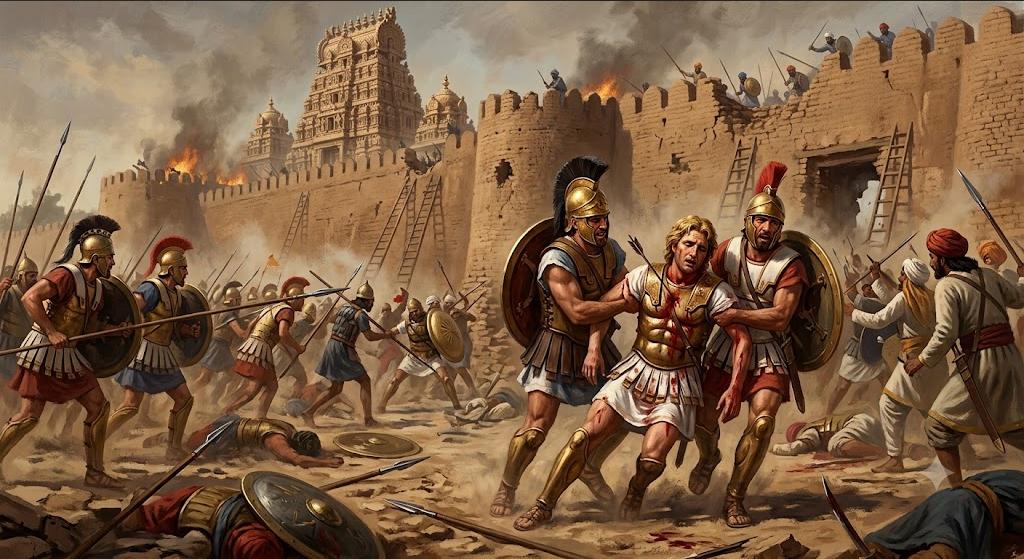
Multan has been continuously inhabited for at least four thousand years, and of all the invasions it has absorbed in that time, none is stranger or more consequential than the first. By the winter of 325 BCE, Alexander the Great had spent eight years fighting his way from Greece to the Punjab, had been turned back from the Ganges by his own exhausted army at the Hyphasis, and was working his way down the river system toward the sea when word reached him that two long-hostile tribal confederations of the region, the Malli and the Oxydracae, had set aside their quarrels to unite against him. Reports put their combined strength at tens of thousands of infantry, cavalry, and war chariots — enough that Alexander, unwilling to let the two forces join, decided to strike before they could organise. In the depth of the Punjabi winter, a season in which Greek armies conventionally stopped fighting altogether, he split his forces into several columns and set off to catch the tribes unprepared.
His own detachment took the hardest road: a forced march of some seventy kilometres across open desert in little more than a day, with a single half-day halt for water, arriving at a Malli stronghold so far ahead of expectation that many of its warriors were still caught outside the walls. The town fell in a rout. The column pressed on from settlement to settlement, battering down mud-brick defences with siege engines the Malli had never encountered and had certainly never imagined arriving in midwinter, from the wrong direction, faster than any warning could travel ahead of it. At one town not far from present-day Multan, several thousand Malli are said to have perished when their citadel was put to the torch rather than surrendered.
It was at the Malli capital itself — plausibly, though not certainly, the predecessor of Multan — that Alexander came closer than at any other point in his career to ending both his life and the history that followed from it. Frustrated by the slow progress of the siege, he grabbed a scaling ladder and went up the citadel wall ahead of his own soldiers. Only two or three men managed to follow him over the parapet before the ladder, overloaded by others scrambling up behind in a panic to protect their king, splintered and gave way, leaving Alexander cut off on the wrong side of the wall. Rather than wait to be rescued, he jumped down alone into the crowded citadel, cut down the Malli chieftain in the fighting that followed, and was still fighting when an arrow found the gap in his armour beneath the ribs and drove into his lung. For some minutes, believing their king already dead, his own men stormed the walls in a fury that had gone past the point of caution.
He was not dead, although for several days afterwards it was a close-run thing. The ancient accounts describe an anxious debate over who should even attempt to remove the arrowhead, and an operation performed, in the end, with more urgency than ceremony, leaving Alexander unconscious from loss of blood. He recovered so slowly that rumours of his death outran the truth entirely, reaching the main body of the army, camped days downriver, well before any correction could catch up with them. When he was finally strong enough to travel, Alexander had himself carried aboard a boat with the awning removed from the stern, so that the soldiers massed along the riverbank could see for themselves that their king still lived; some, the story goes, remained convinced they were watching a corpse being brought home until he lifted his own hand to the crowd. His companions afterwards pleaded with him never again to risk himself so carelessly. He did not entirely listen — but Multan, whatever else it has seen sacked within its walls across four thousand years, can claim the singular distinction of having very nearly ended the career of the most successful conqueror the ancient world produced.
Alexander survived Multan; the city itself went on to be sacked many times more — by Muhammad bin Qasim in 712 CE, and by the Mongols, and by Timur, and by the Mughals, and by the Sikhs, and by the British. Each new arrival contributed to the architectural palimpsest. The result is a city that, in its older quarters, has the compressed quality of somewhere that has been too important for too long.
Ibn Battuta, the fourteenth-century Moroccan traveller who covered more ground than any other pre-modern explorer, passed through Multan in 1335 and described it as 'a large and beautiful city, well fortified and very fertile.' Six hundred and eighty-eight years later, crossing it in an air-conditioned Toyota, the description still has something to recommend it.
The Tomb of Shah Rukn-e-Alam
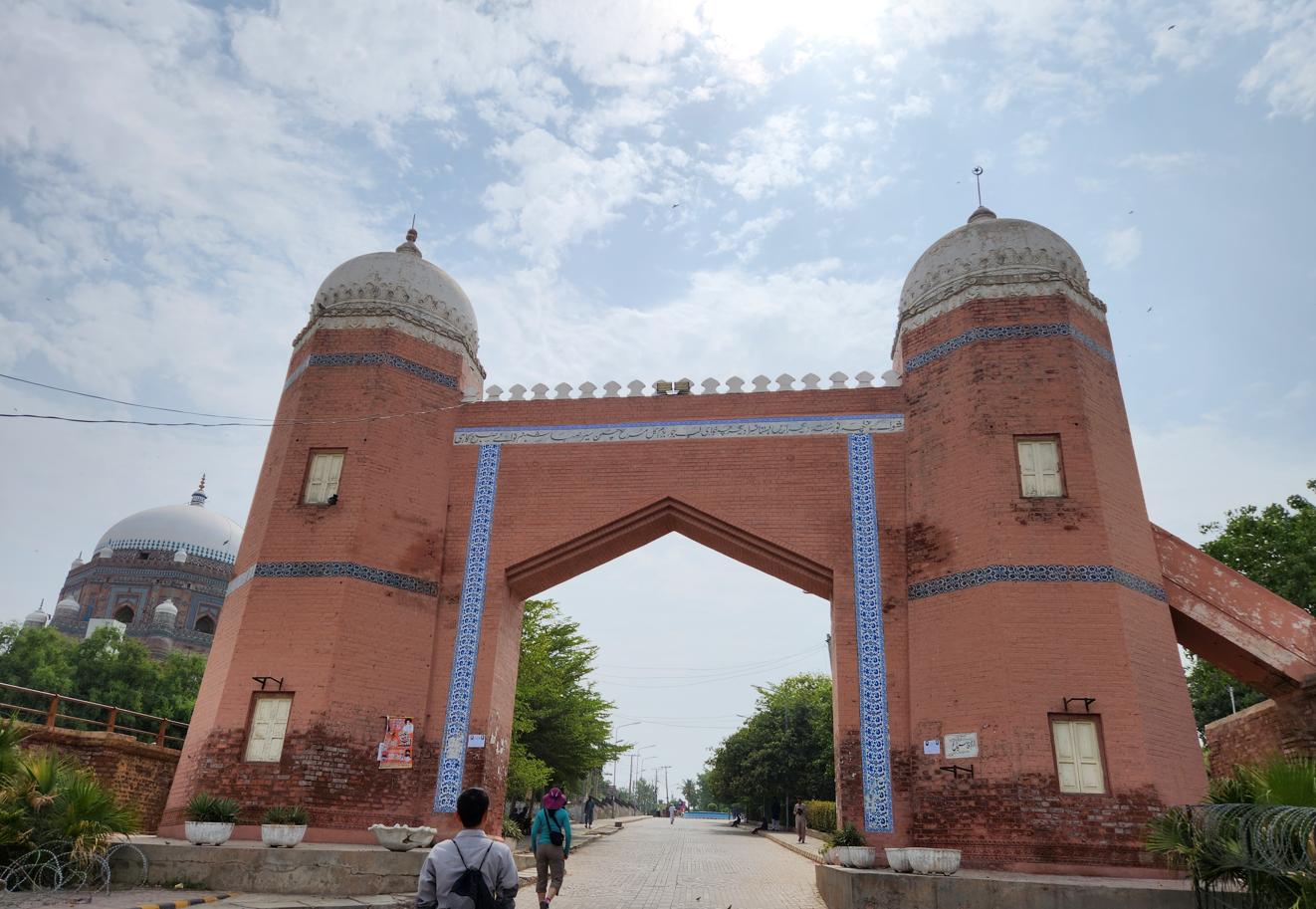
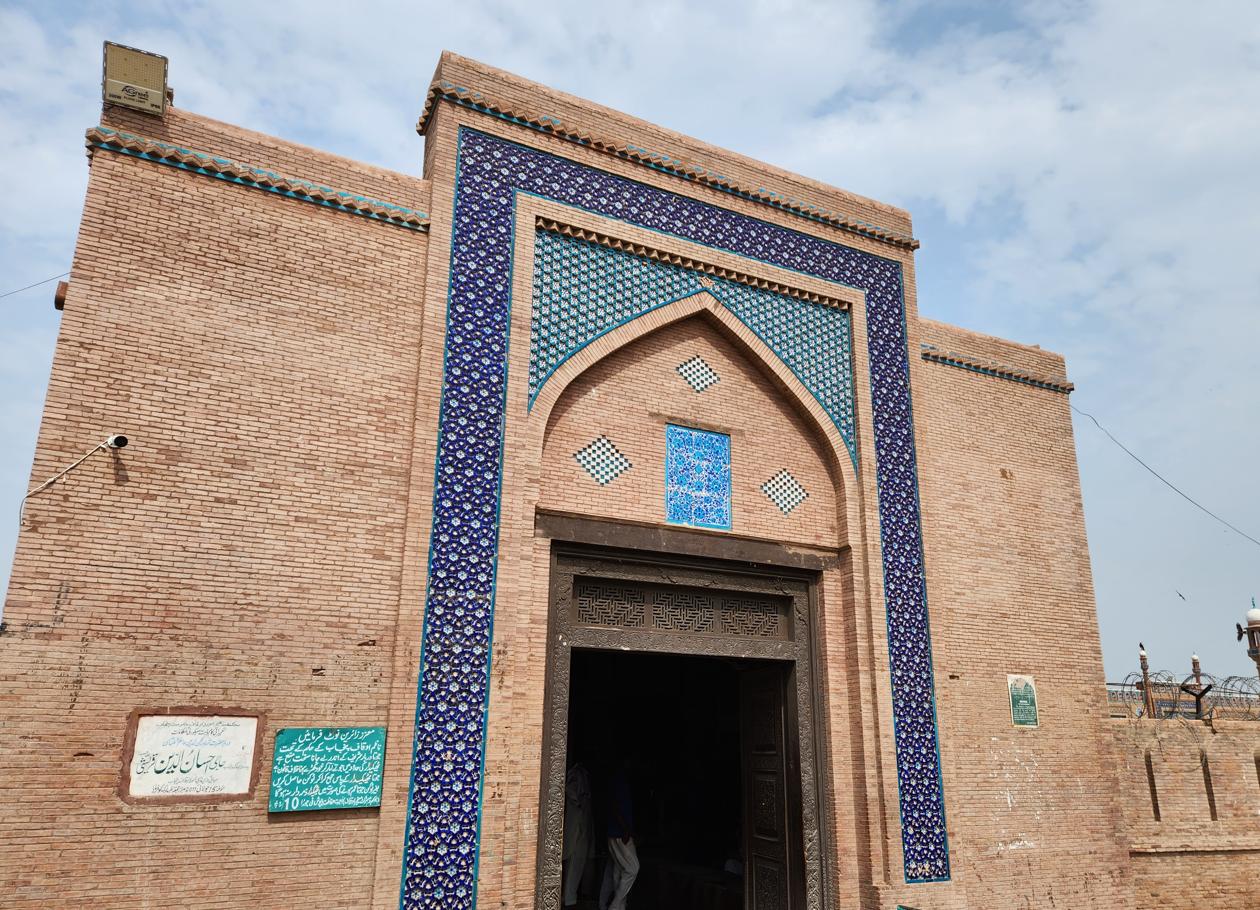
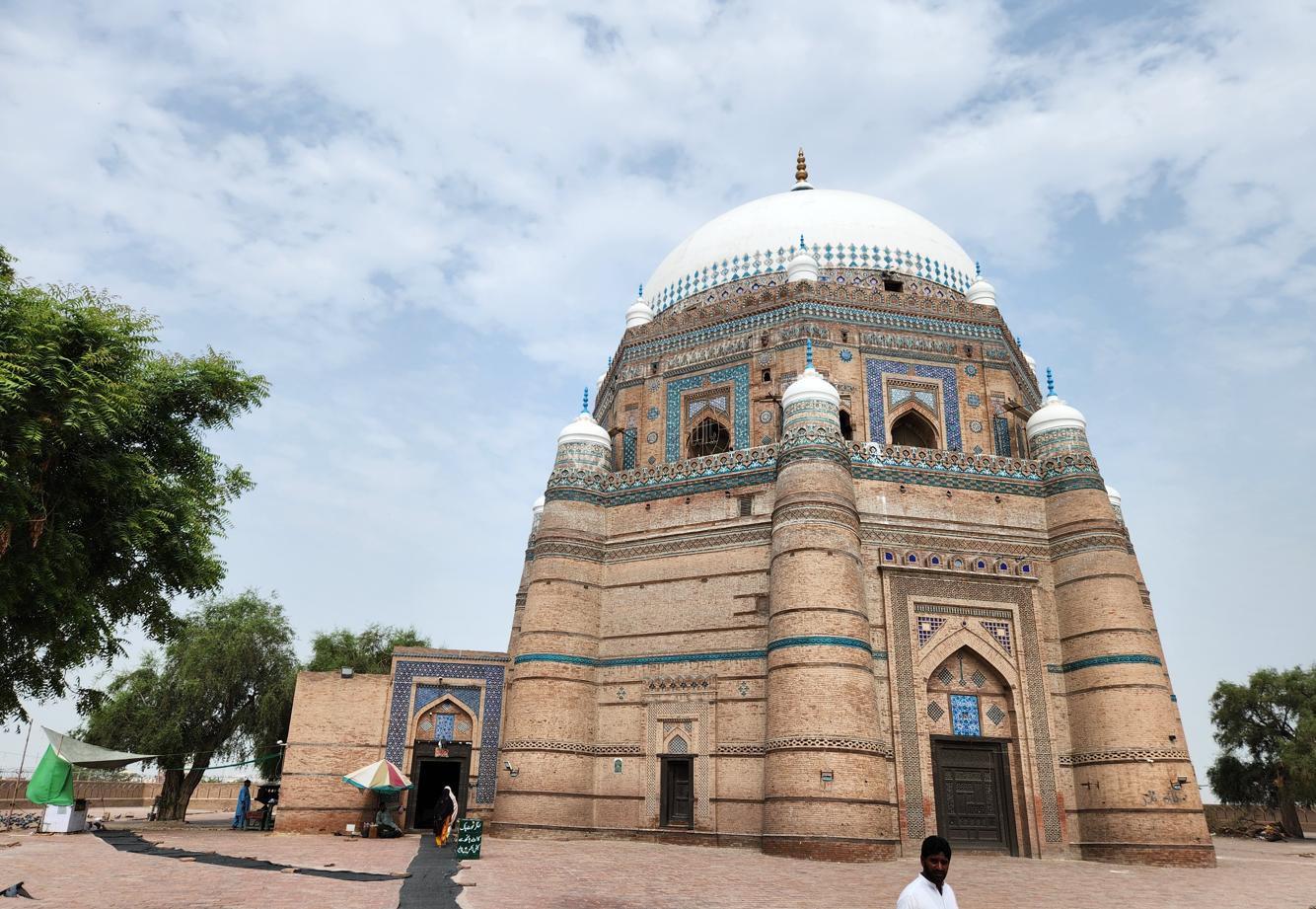
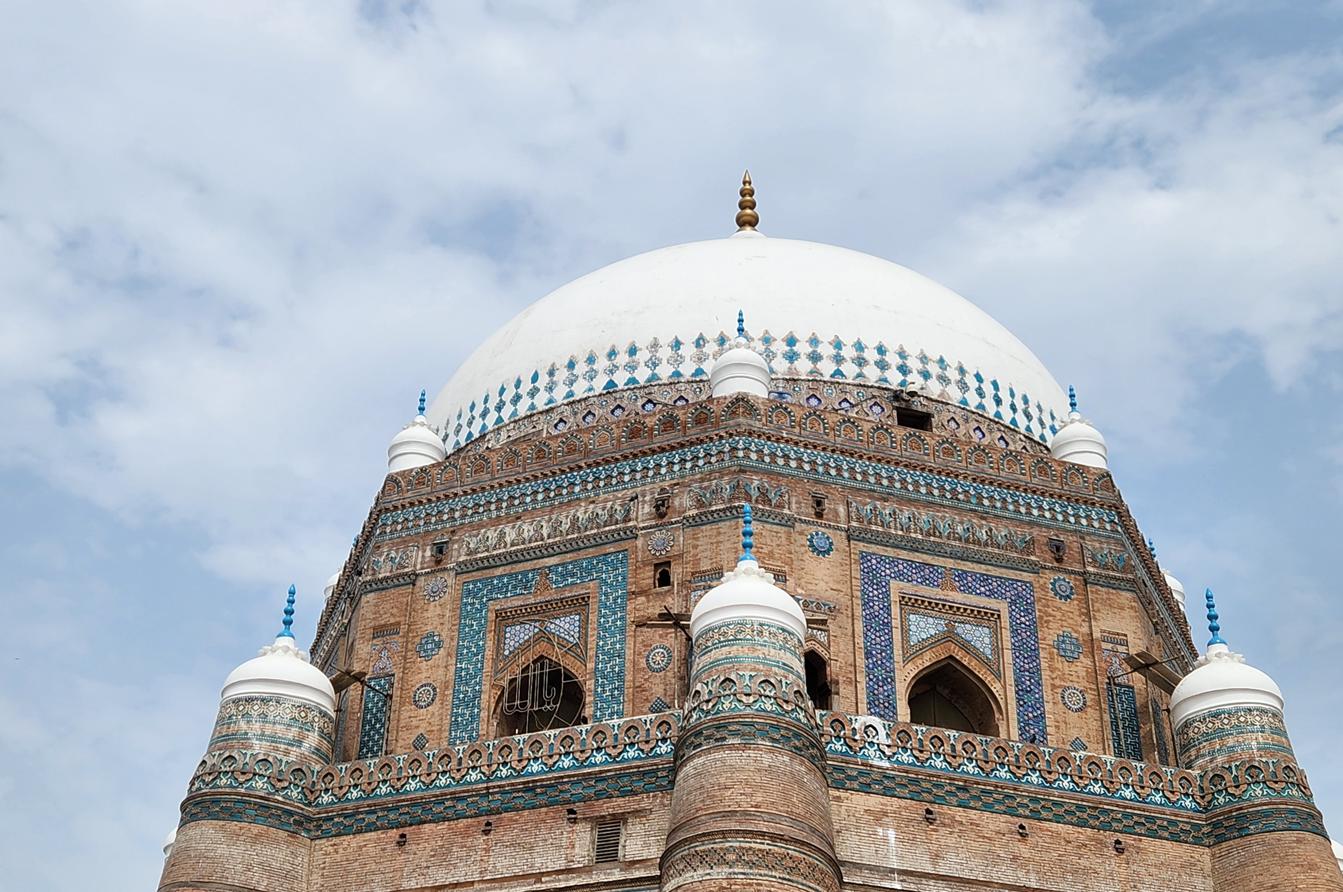
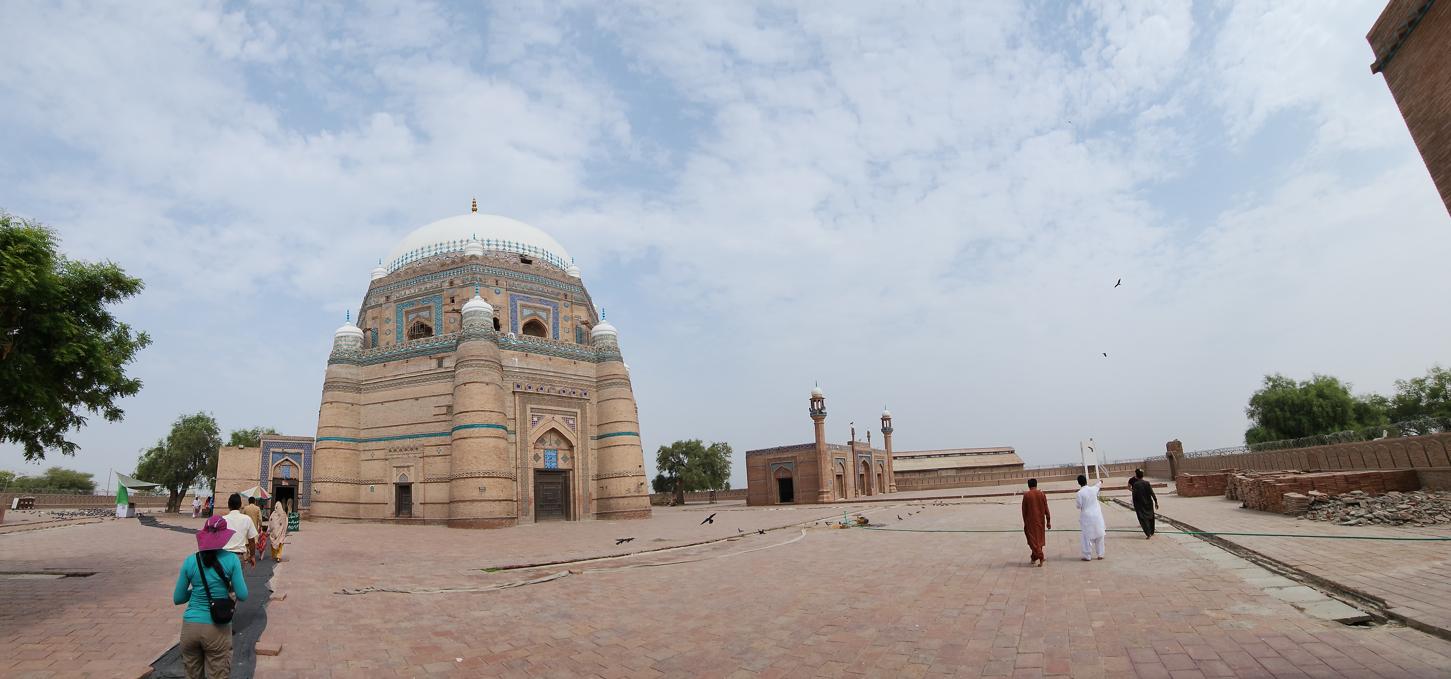
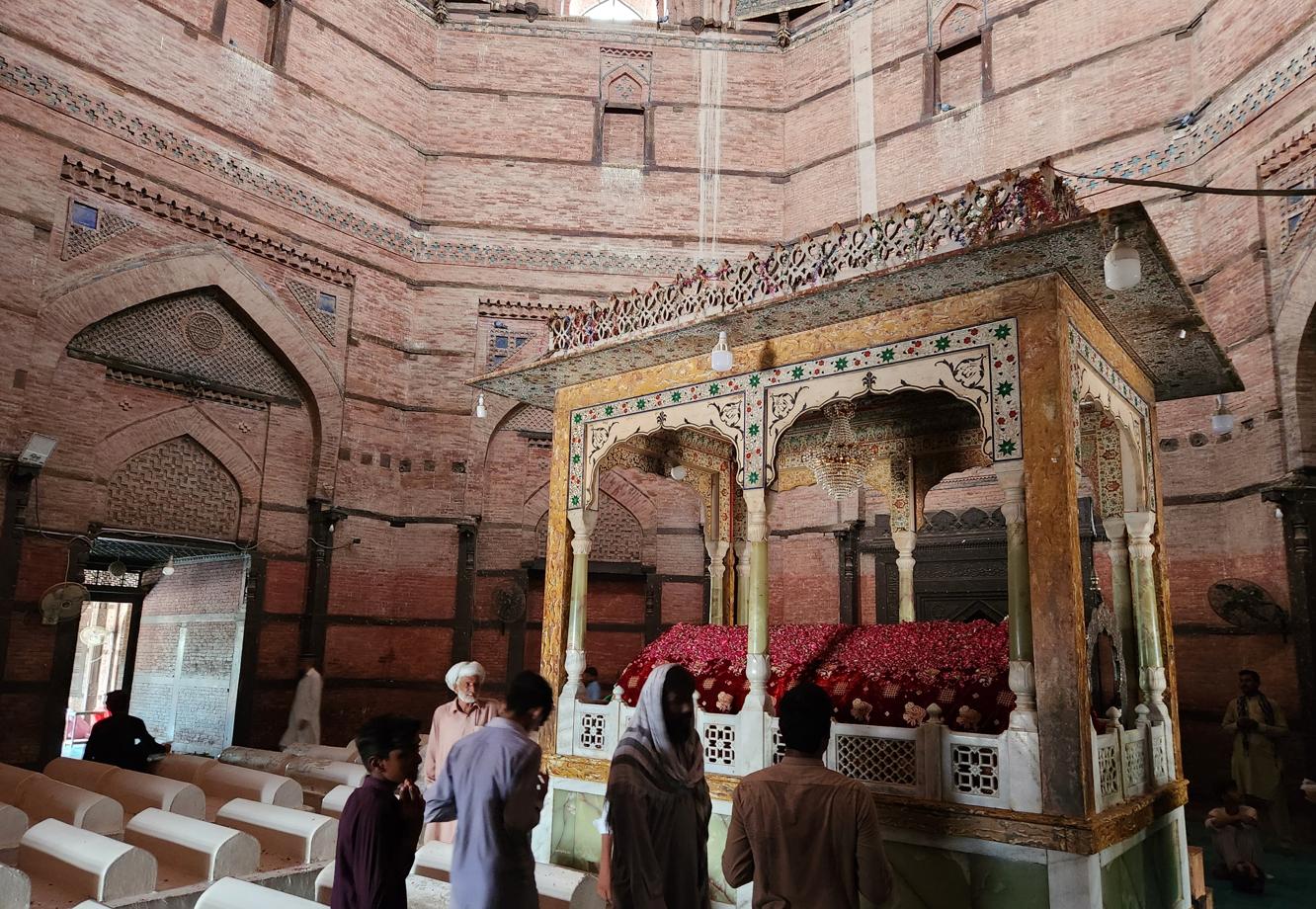
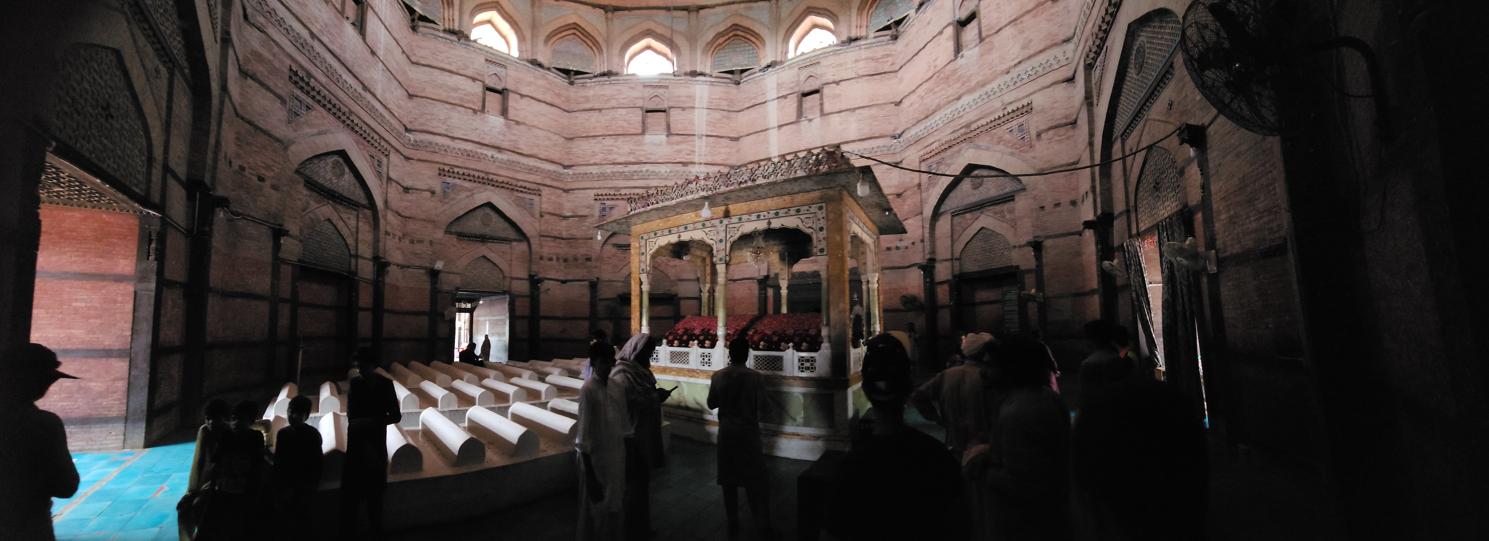
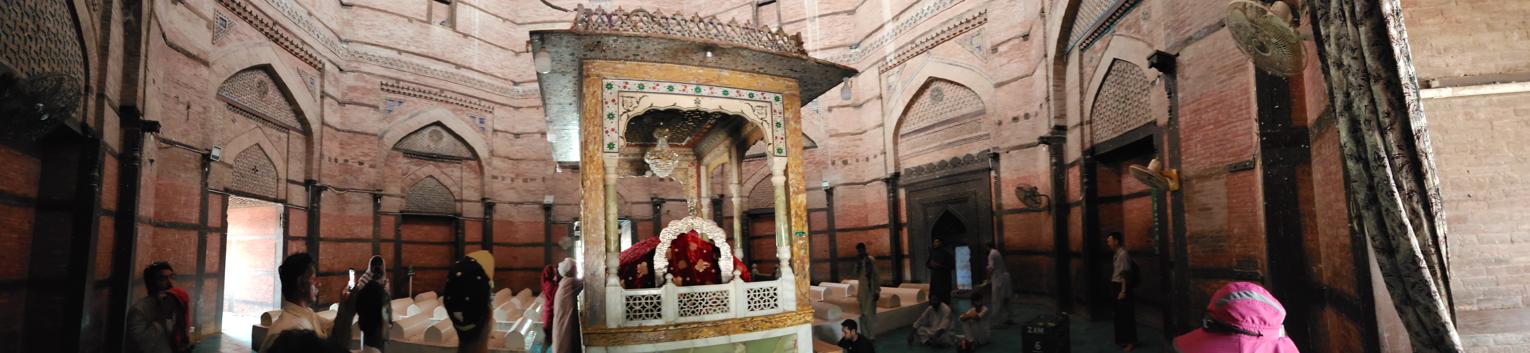
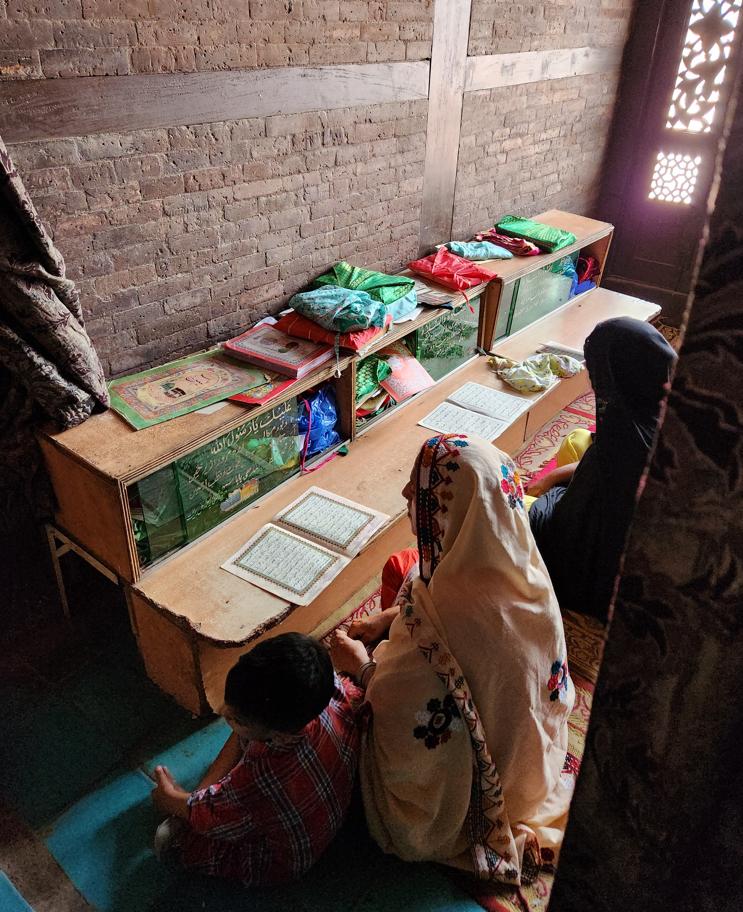
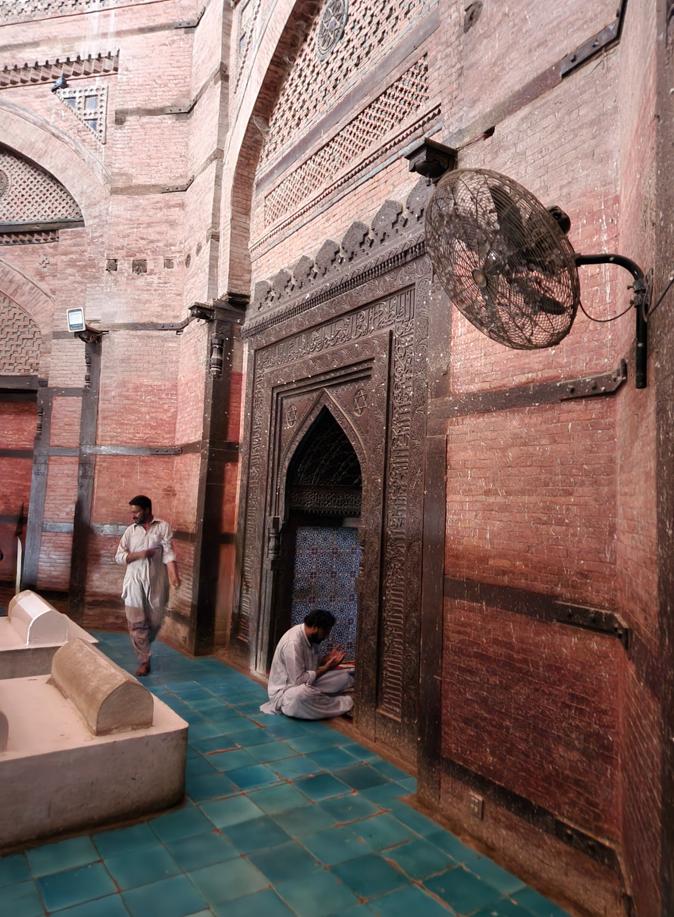
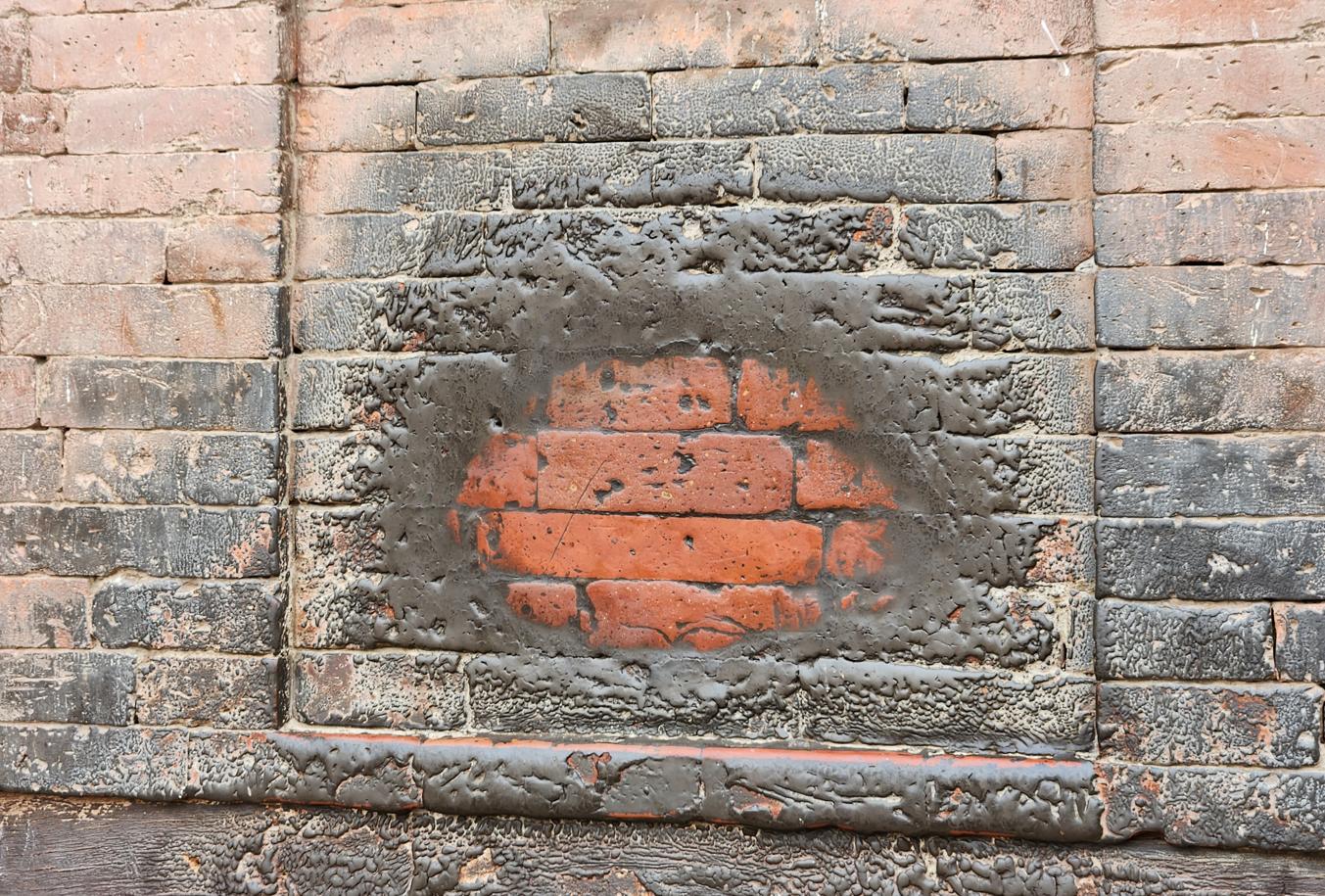
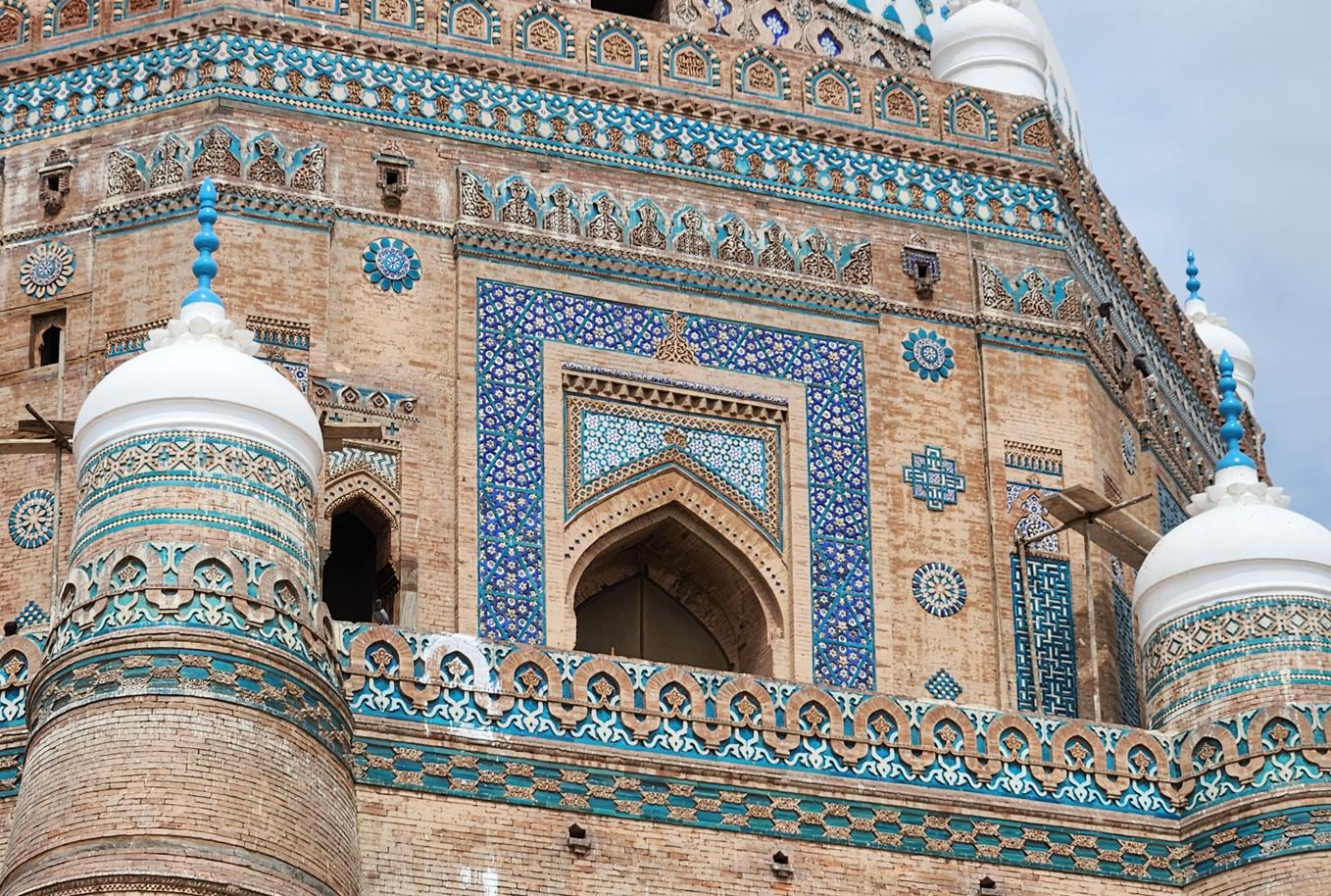
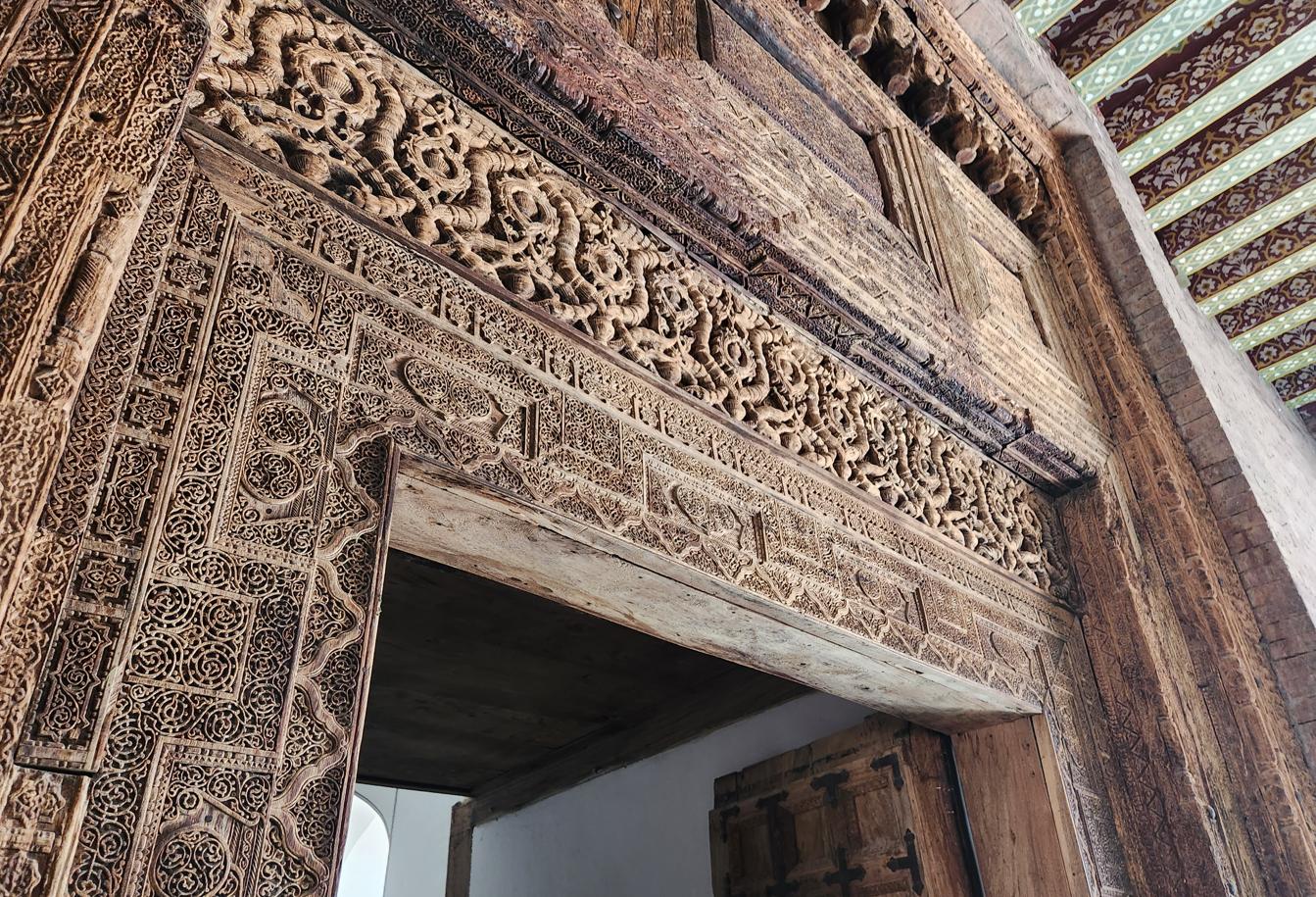
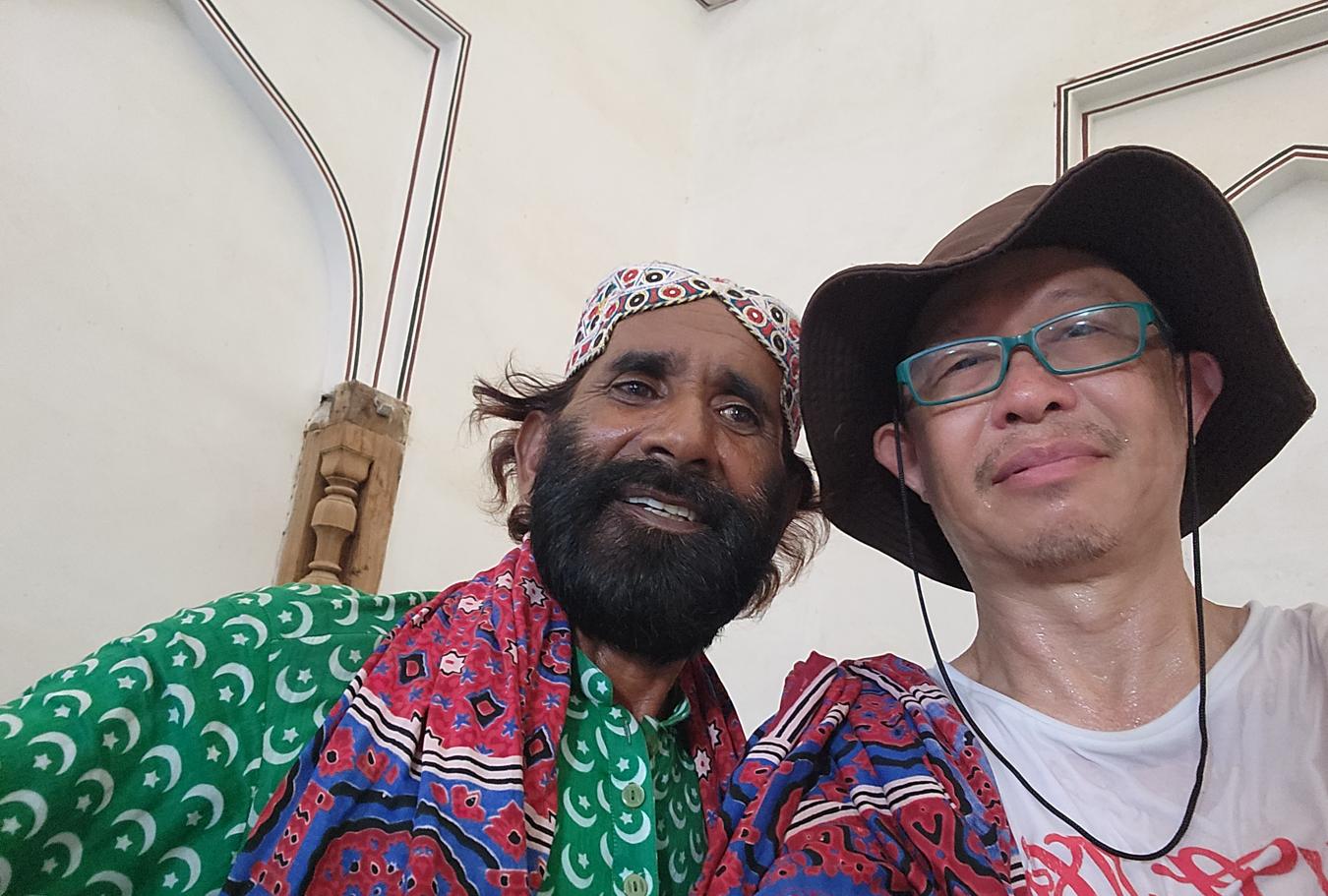
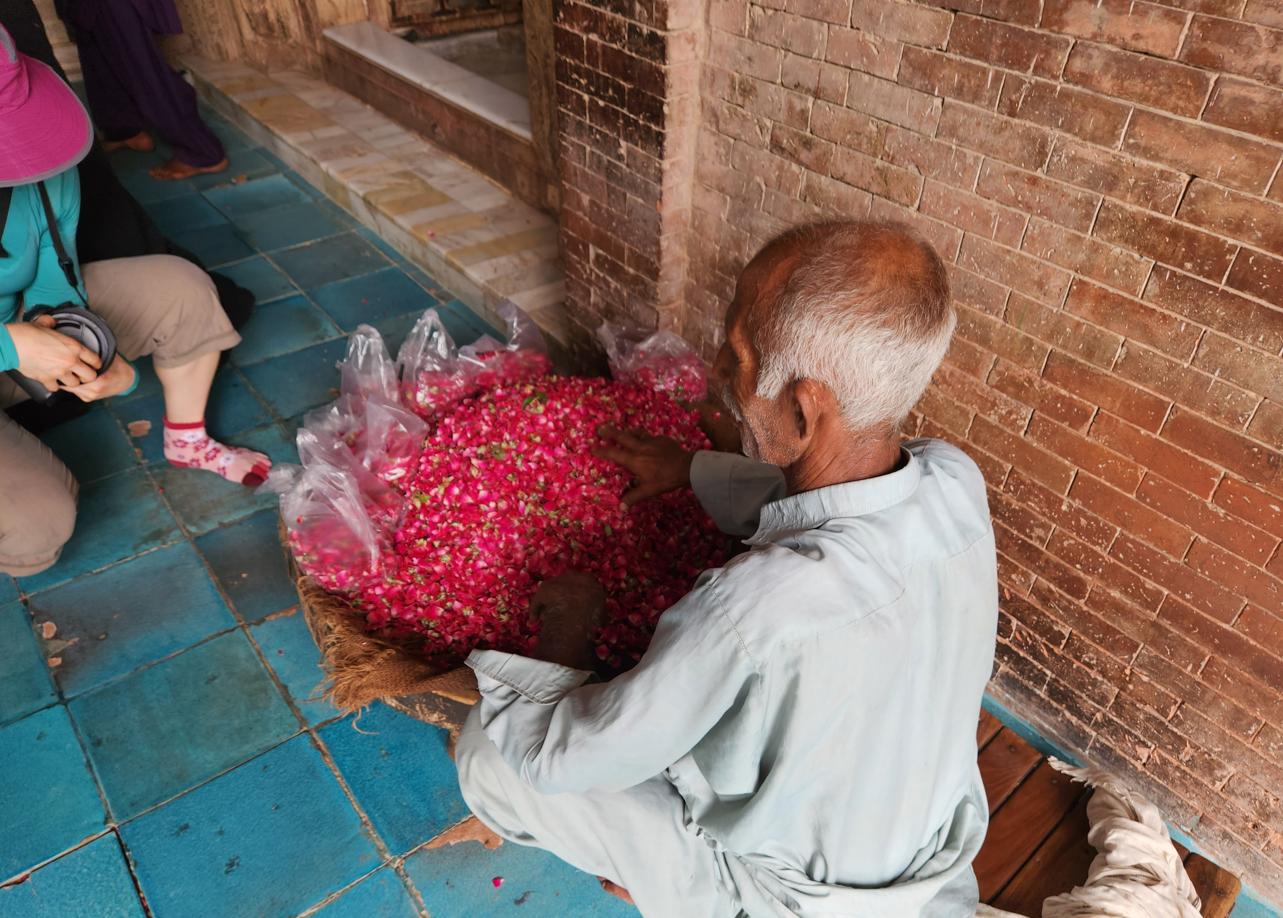
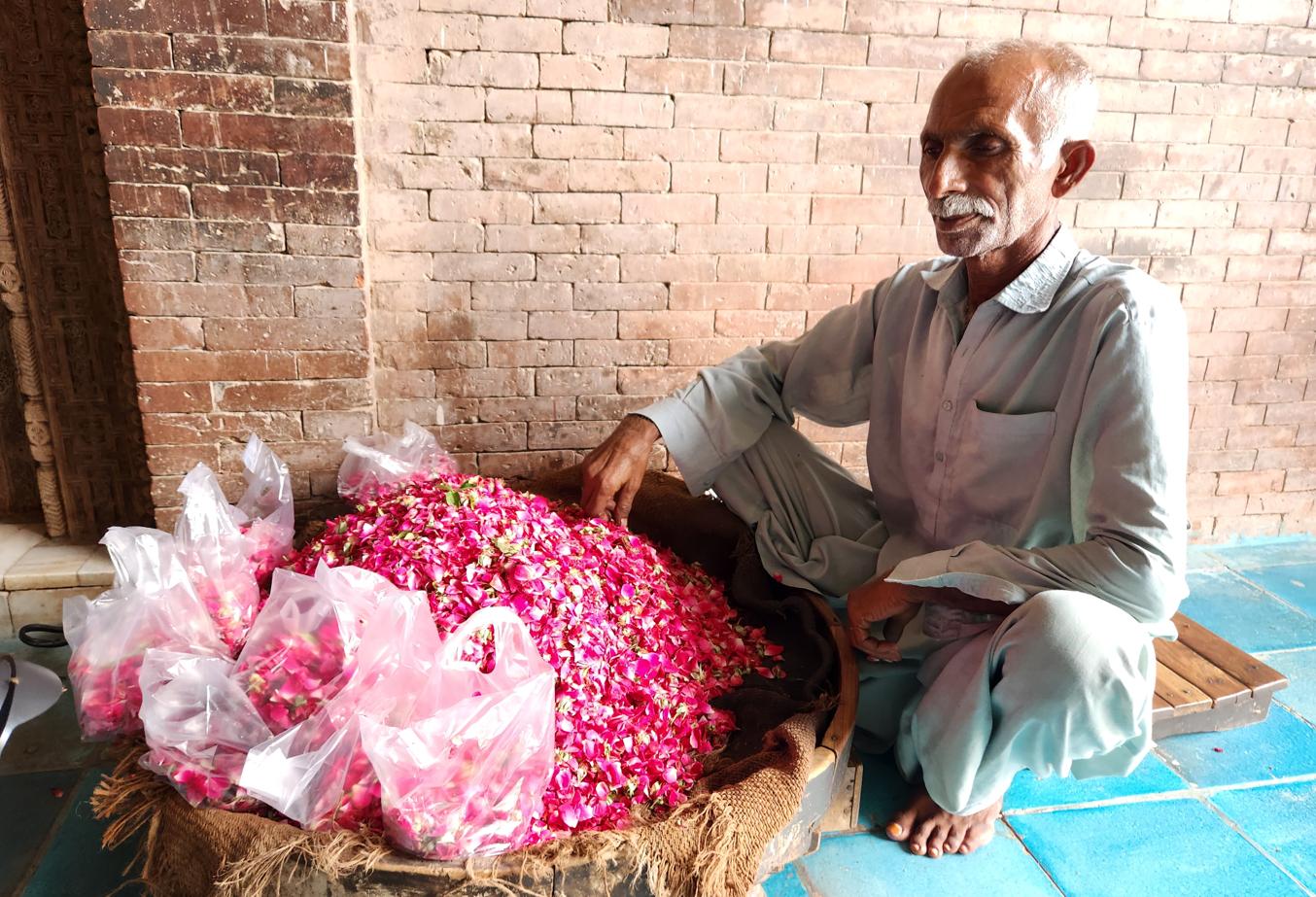
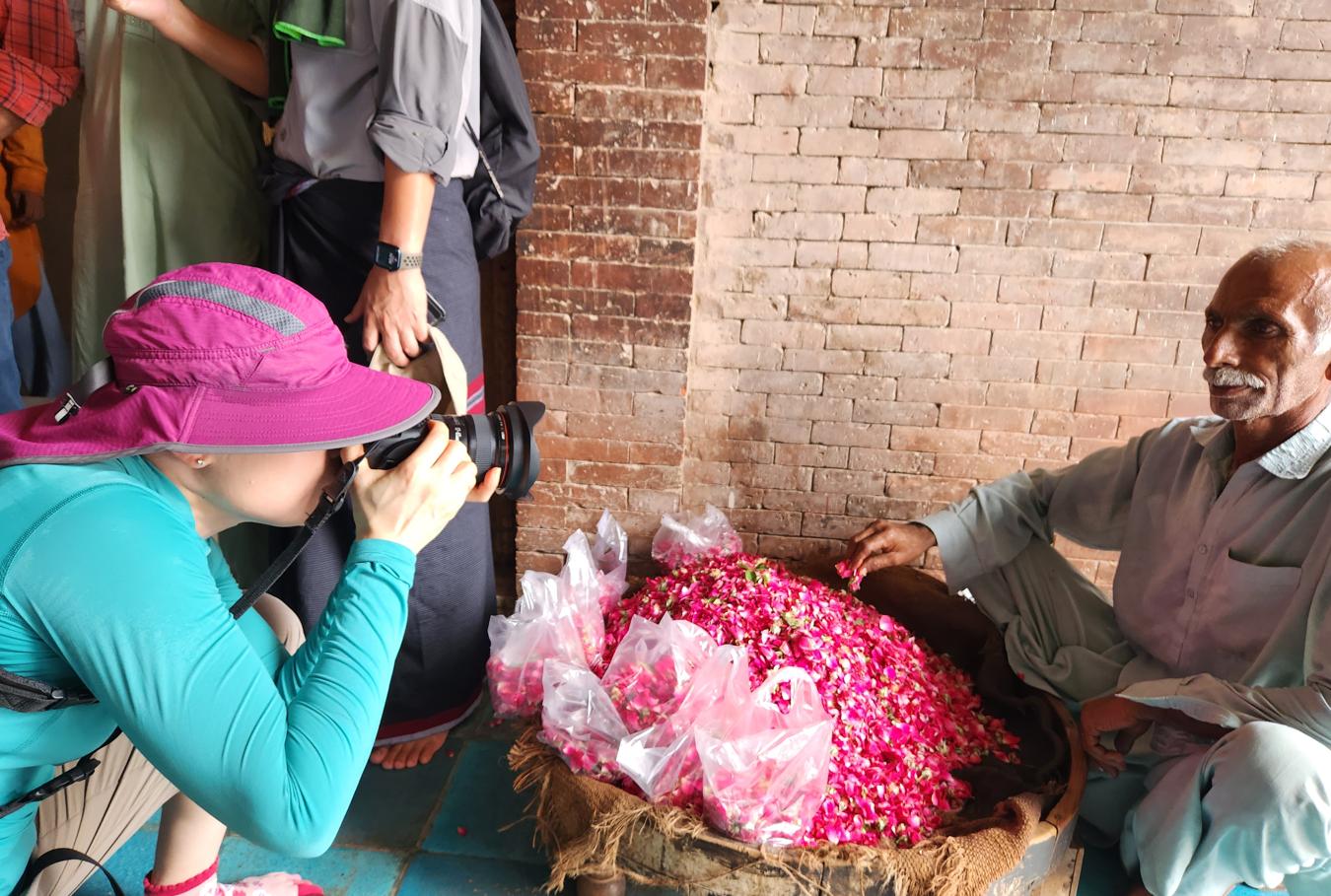
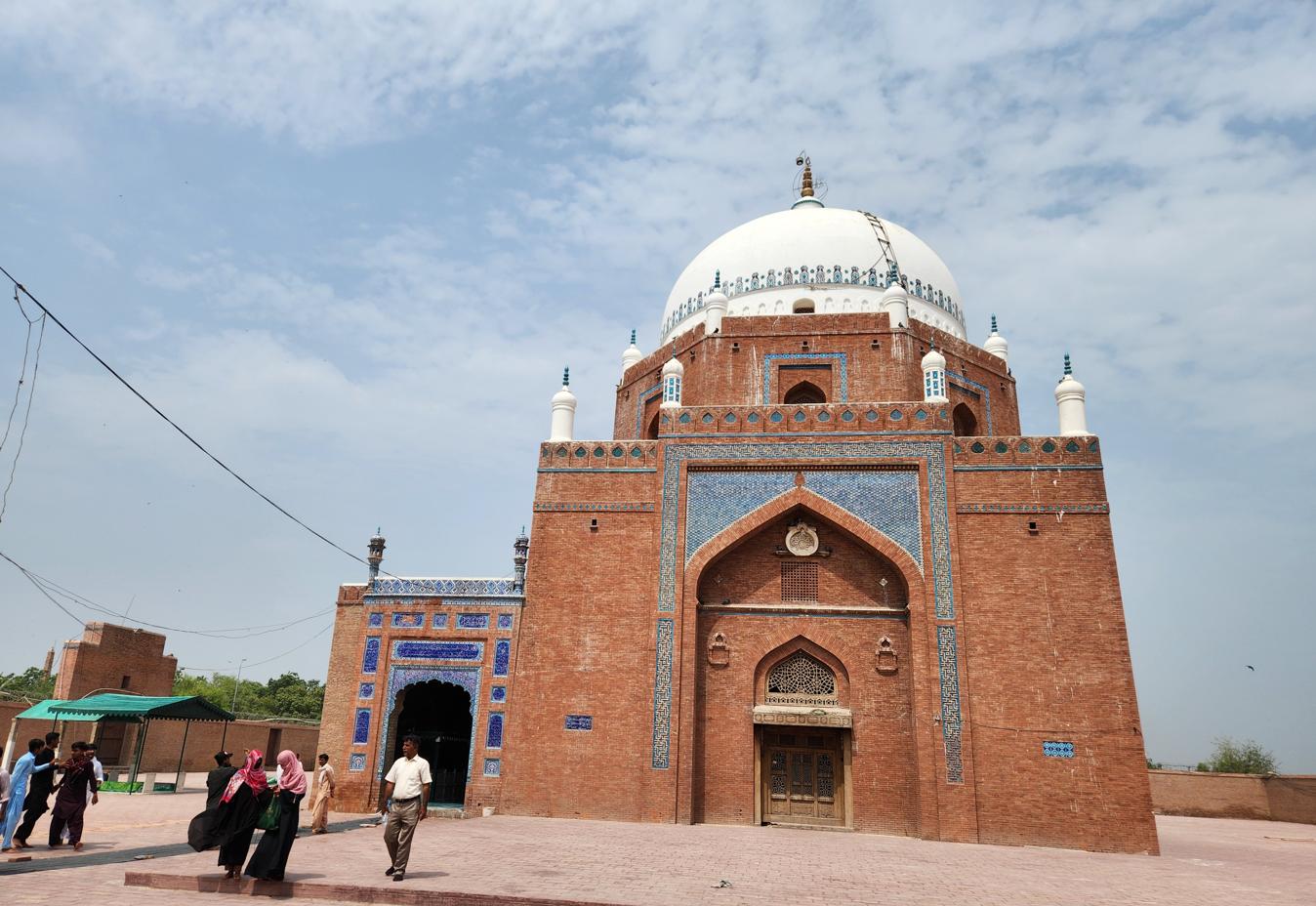
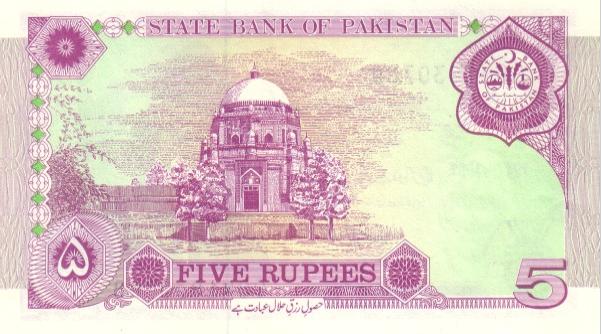
The Tomb of Shah Rukn-e-Alam is, by any measure, one of the great buildings of Asia. It was built between 1320 and 1324 by Ghiyath al-Din Tughluq — who was then governor of Dipalpur, before he became Sultan of Delhi — and it predates the more famous Tughluq monuments in Delhi by decades. Its form is octagonal, tapering as it rises, each face punctuated by round corner towers and decorated with bands of carved brick and glazed tile. The dome above is bulbous and confident, covered in white plaster that catches the light at different angles through the day.
It is the earliest example of Tughluq architecture anywhere. It is older than the Red Fort. It is older than the Tughlaqabad Fort in Delhi. It is, in the history of South Asian Islamic architecture, a beginning — the moment when a particular aesthetic of austere grandeur crystallised into the form that would produce, three centuries later, the Taj Mahal.
More than a hundred thousand pilgrims come here every year for the annual urs — the death anniversary ceremony — of Shah Rukn-e-Alam, the fourteenth-century Sufi saint whose remains rest here. On the day we visited, the courtyard held perhaps a hundred pilgrims, many of them Punjabi villagers who had come for reasons they could not have articulated in theological terms and did not need to: the saint was here, the blessing was available, and the journey had been made. An old woman in a green dupatta tied a length of red thread to the shrine's gate and pressed her forehead to the metal, murmuring something I could not hear.
Multan is called the City of Saints, and the saints are not metaphorical. They are buried everywhere: in elaborate tombs in the city centre, in small domed structures in the fields outside it, in every neighbourhood where someone sufficiently holy happened to die. The city's spiritual geography is as dense as its political one, and the two are intertwined: historically, the Sufi shrines were centres of political authority as well as spiritual guidance, their custodians wielding influence over local populations that no secular politician could safely ignore.
In the courtyard of the Bahauddin Zakariya shrine — the grandfather of Shah Rukn-e-Alam, and the founder of the Suhrawardiyya order of Sufism in Pakistan — a man was playing the rabab, a stringed instrument of Central Asian origin. The melody was modal, cyclical, deliberately repetitive: music designed not to tell a story but to induce a state. I sat on the stone steps for twenty minutes and let the heat and the music and the smell of rose water and incense do their work. Something shifted, very slightly. I am not equipped to describe it precisely. But it was real.
Harappa: The City the Railway Ate
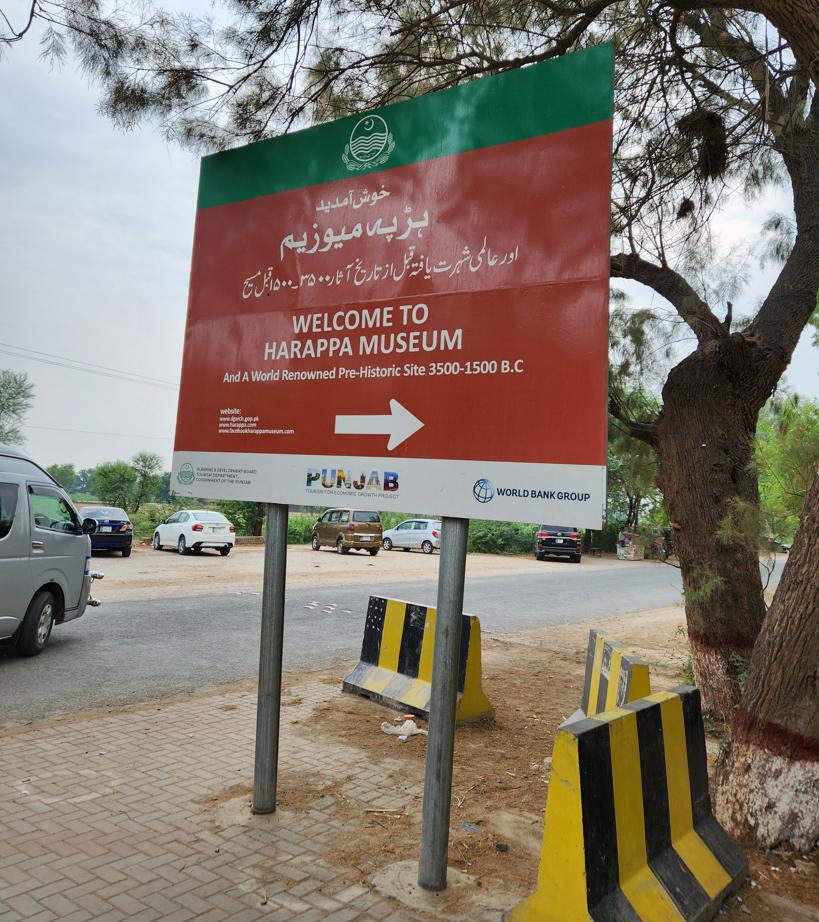
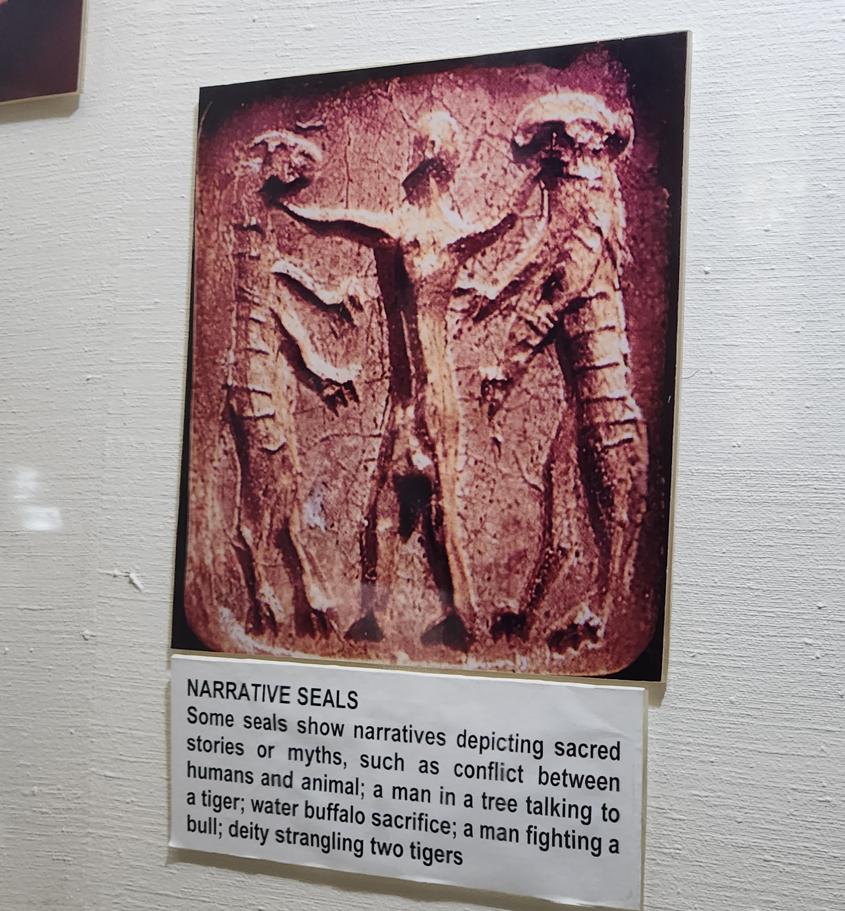
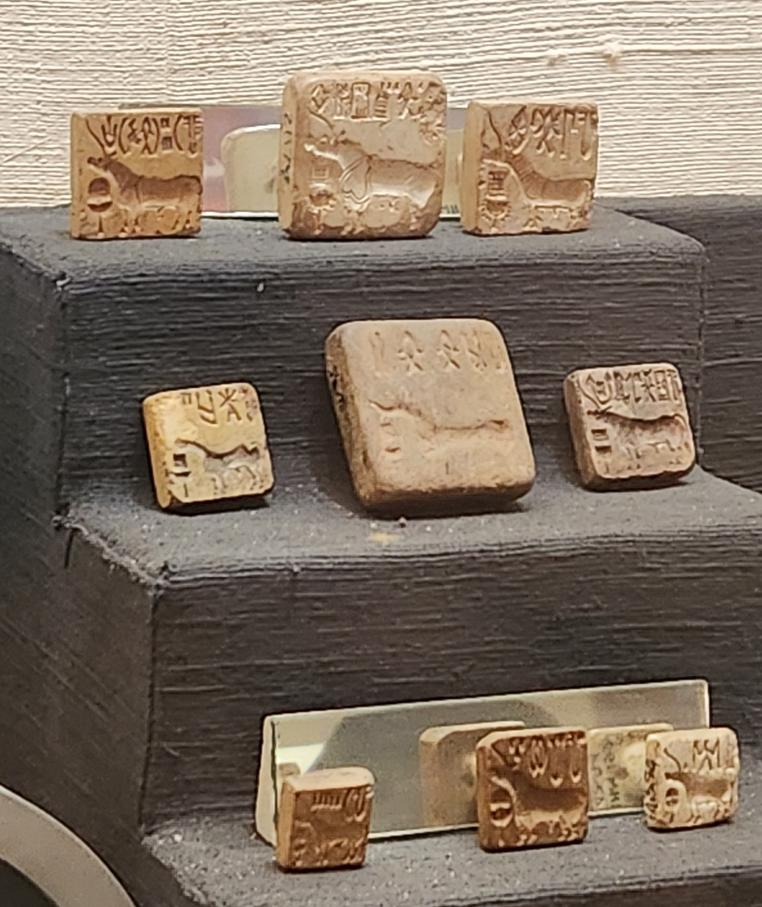
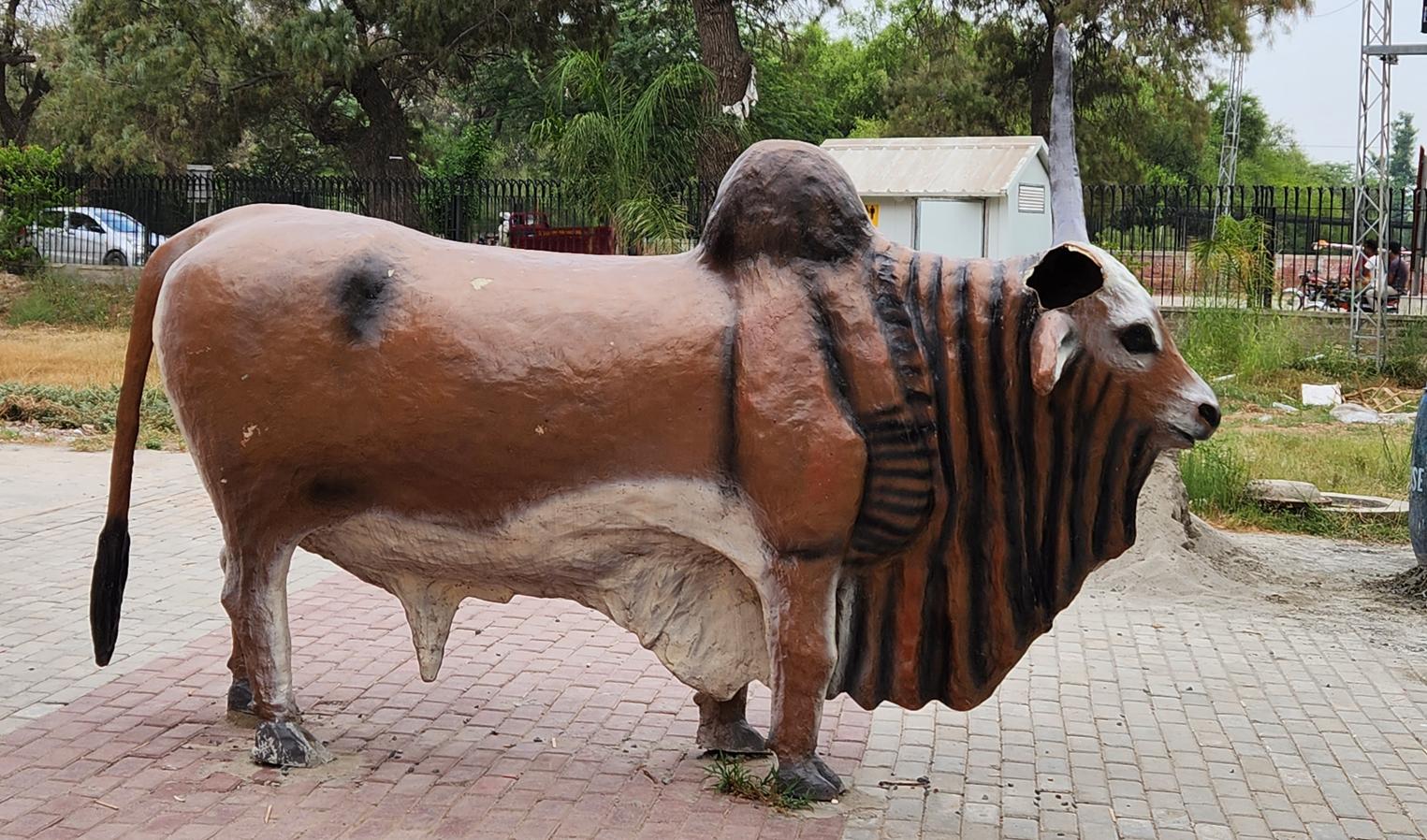
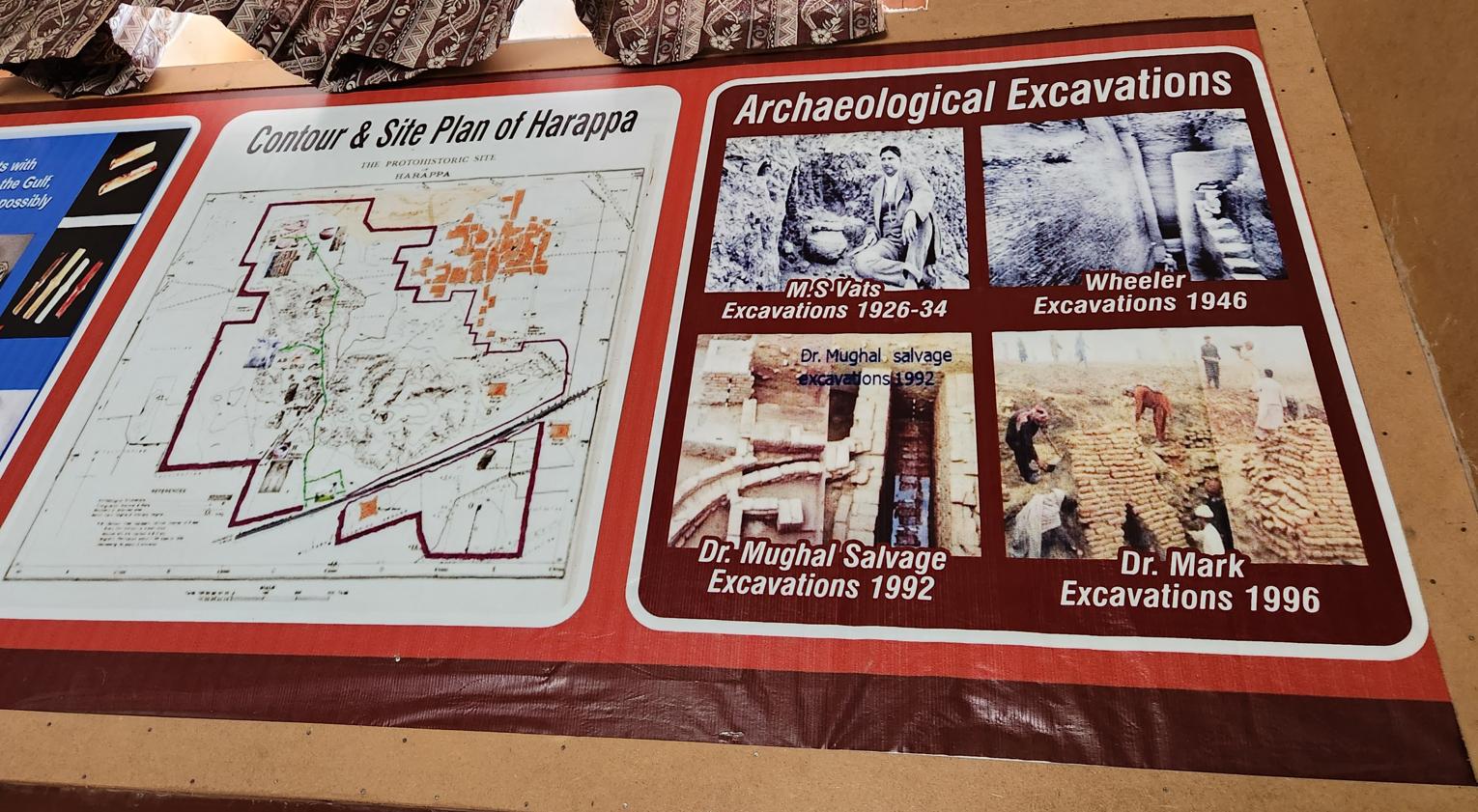
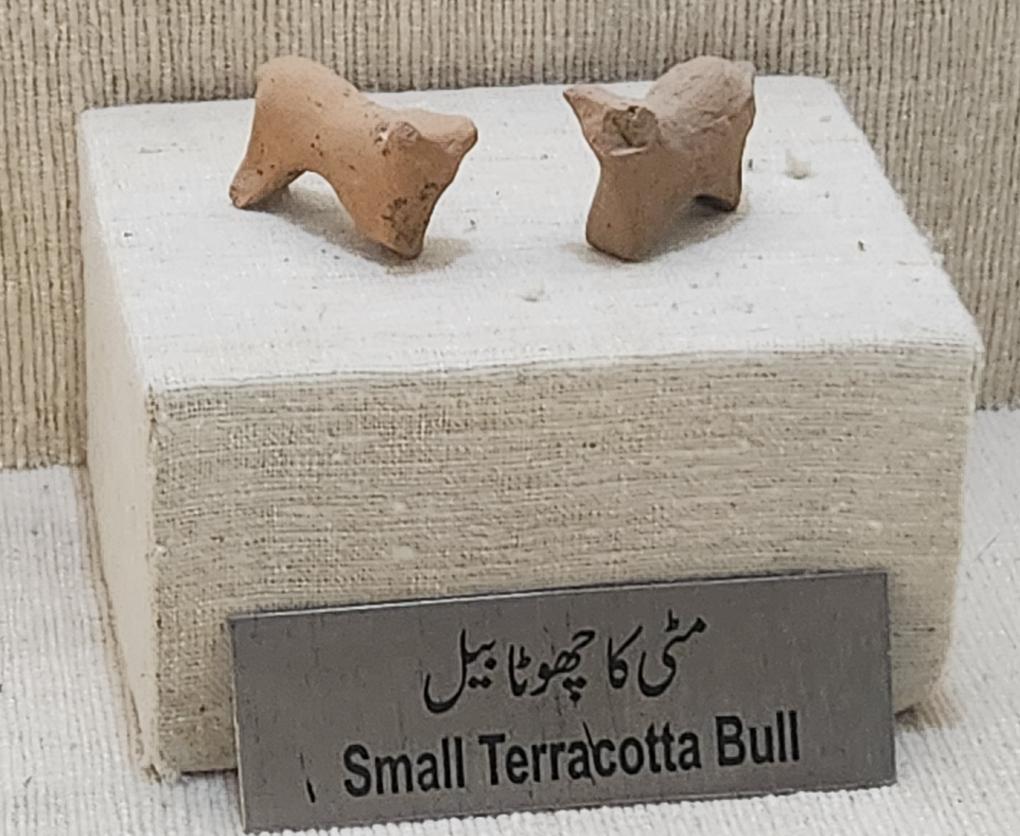
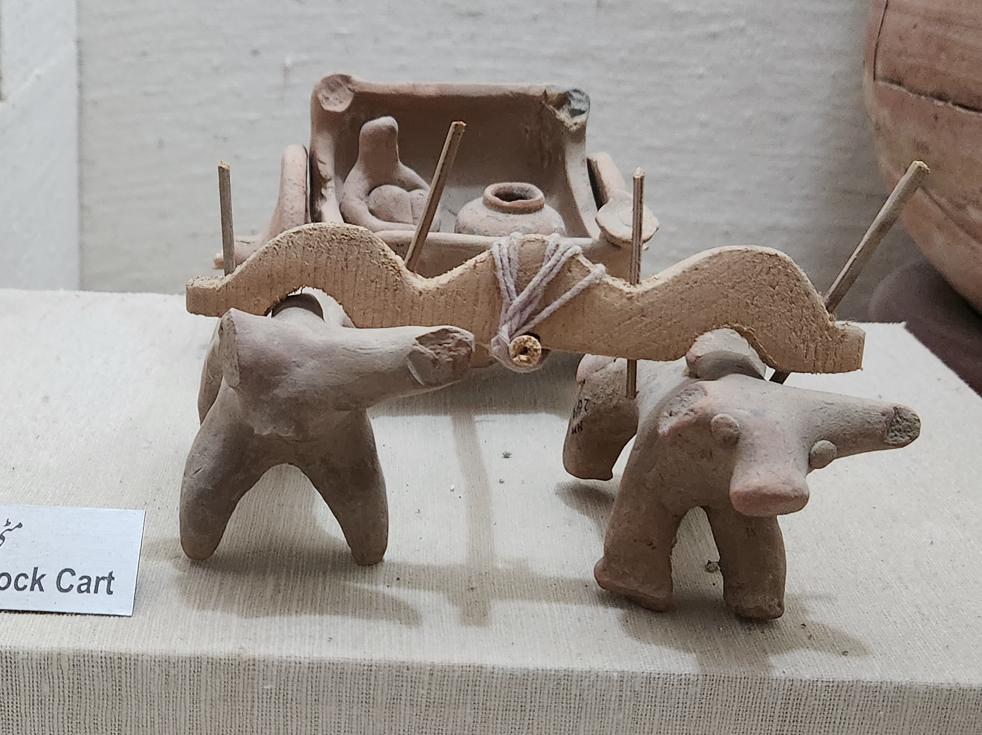
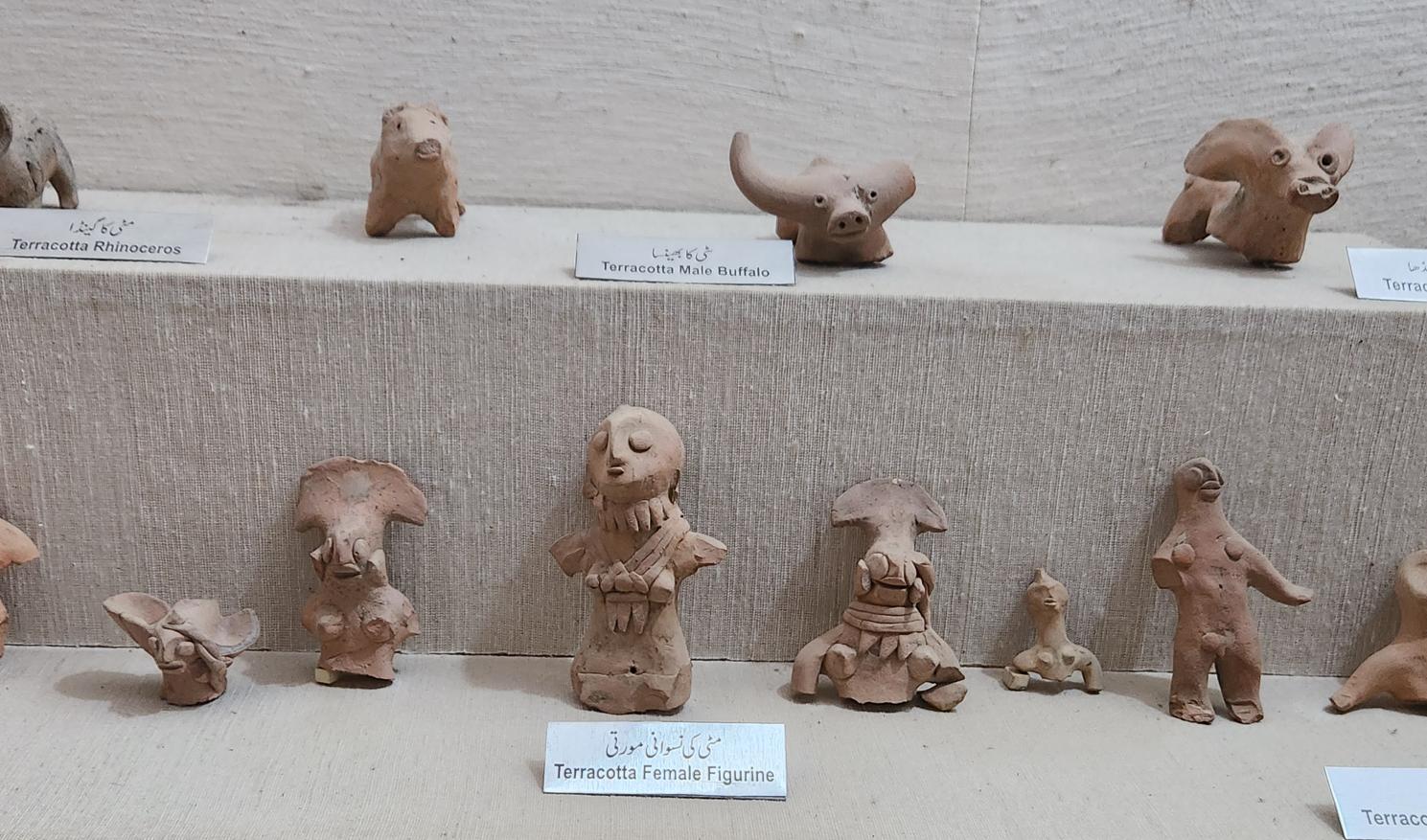
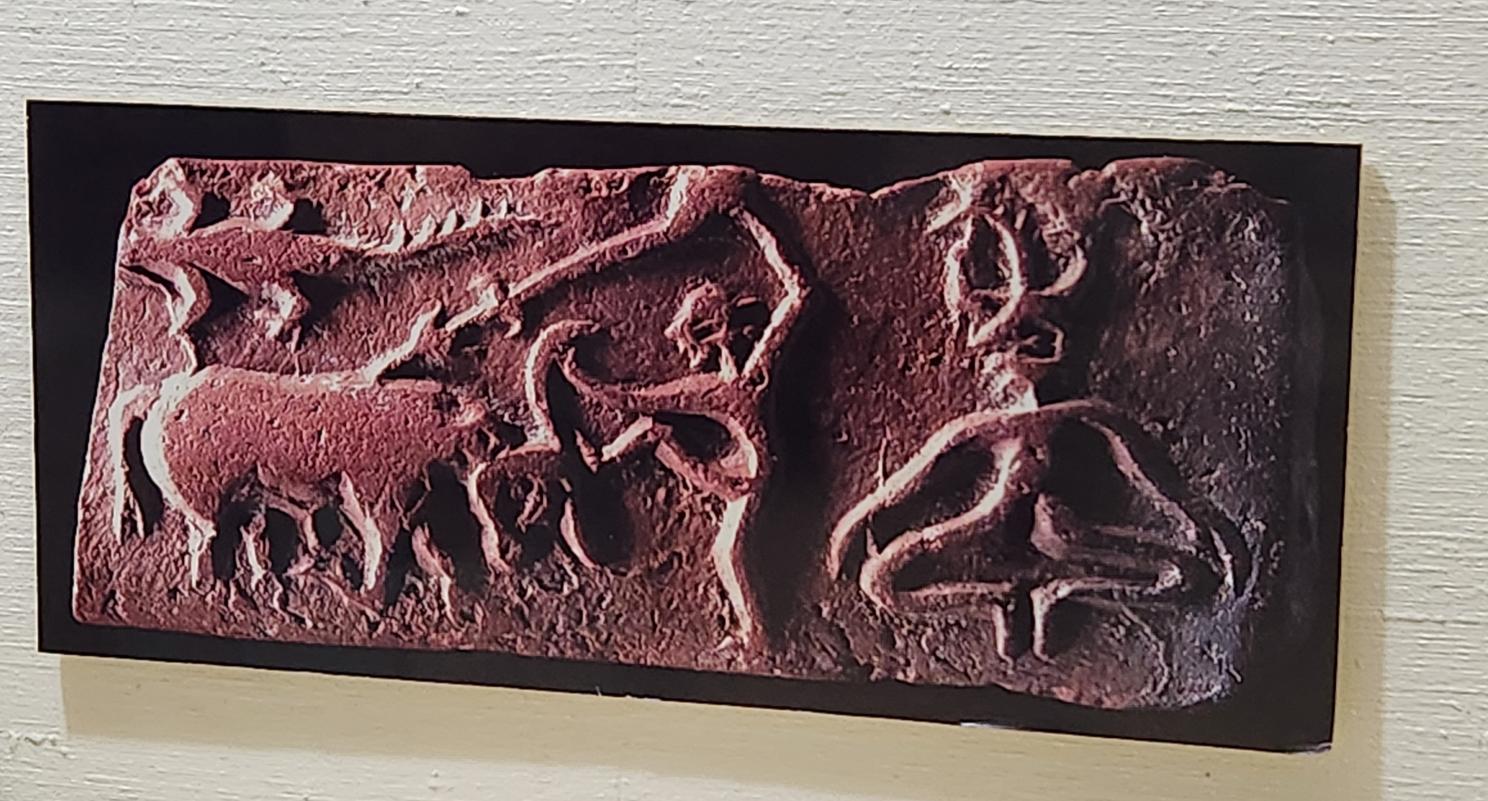
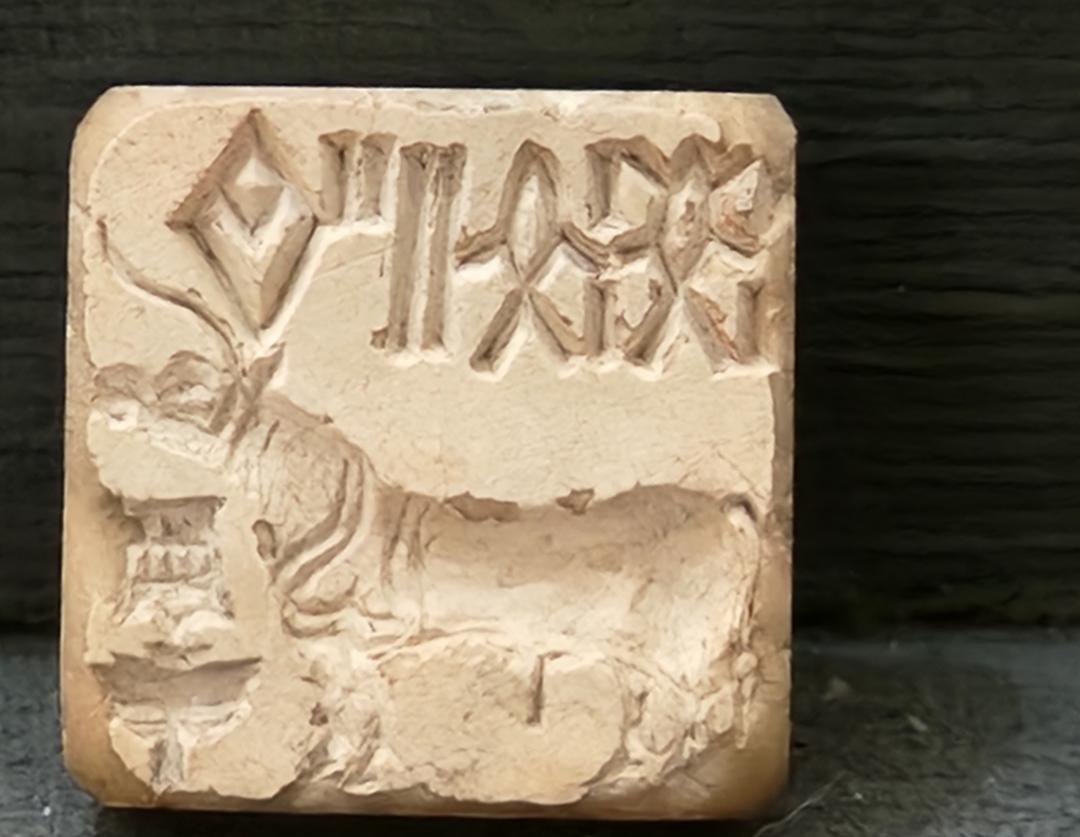
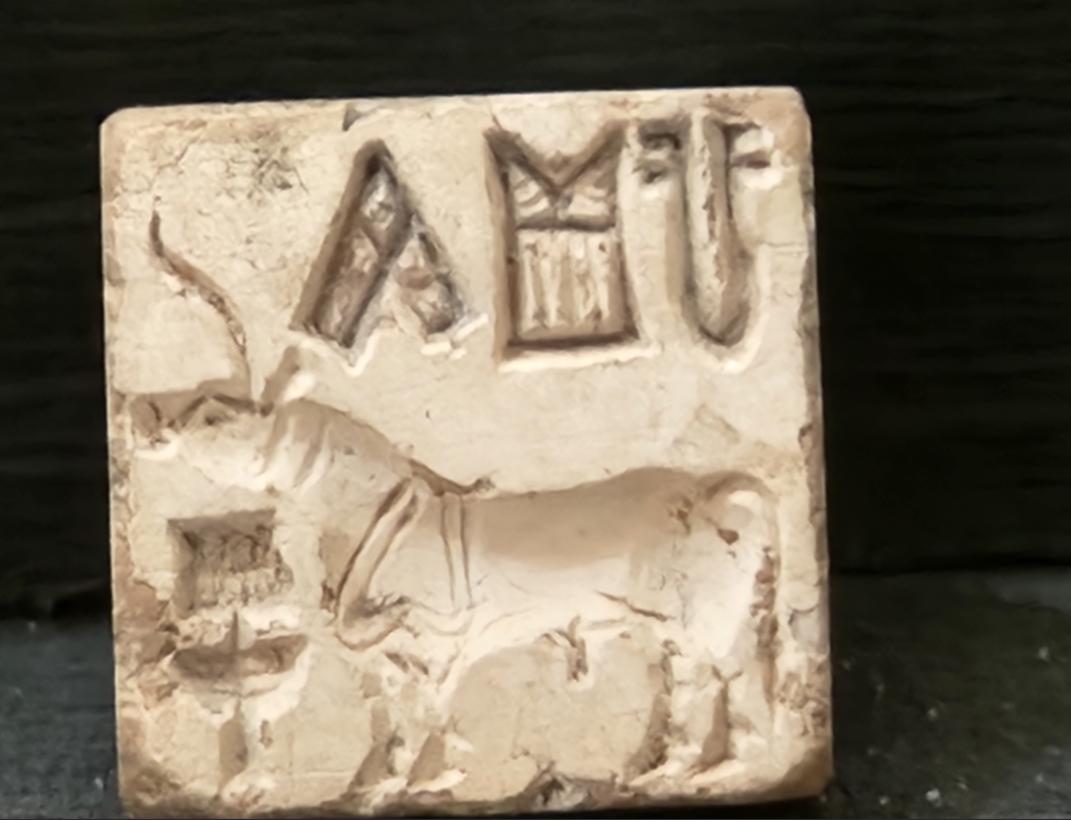
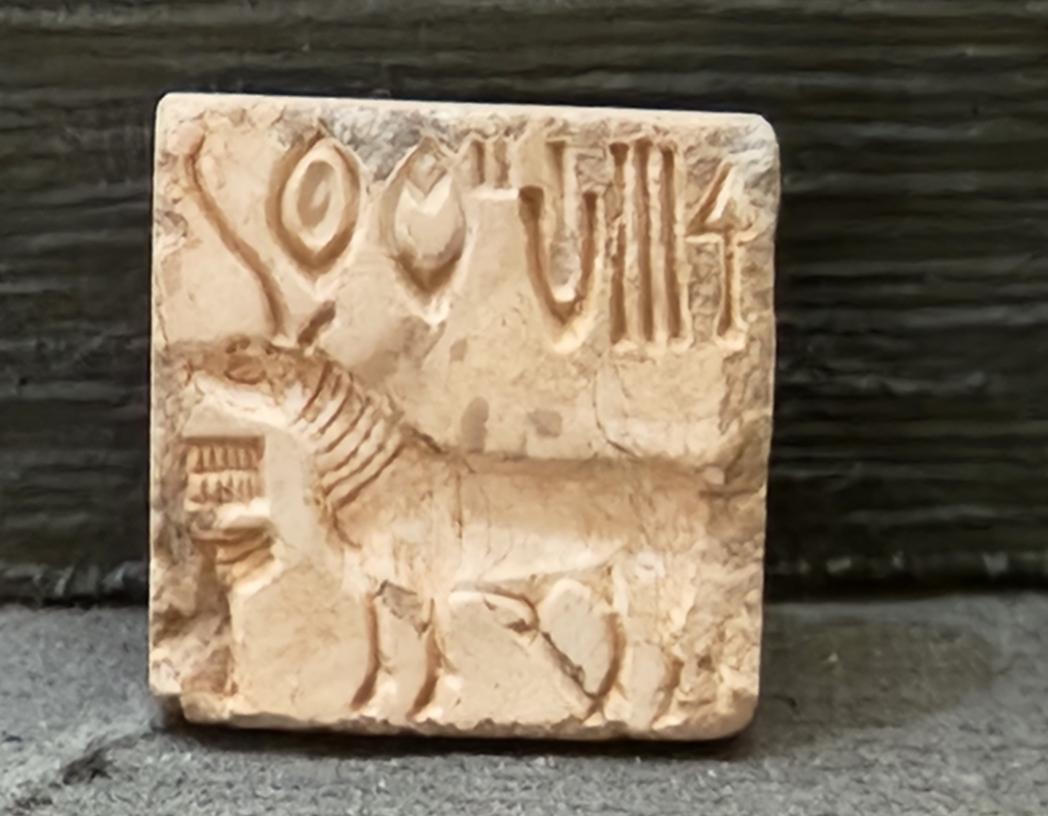
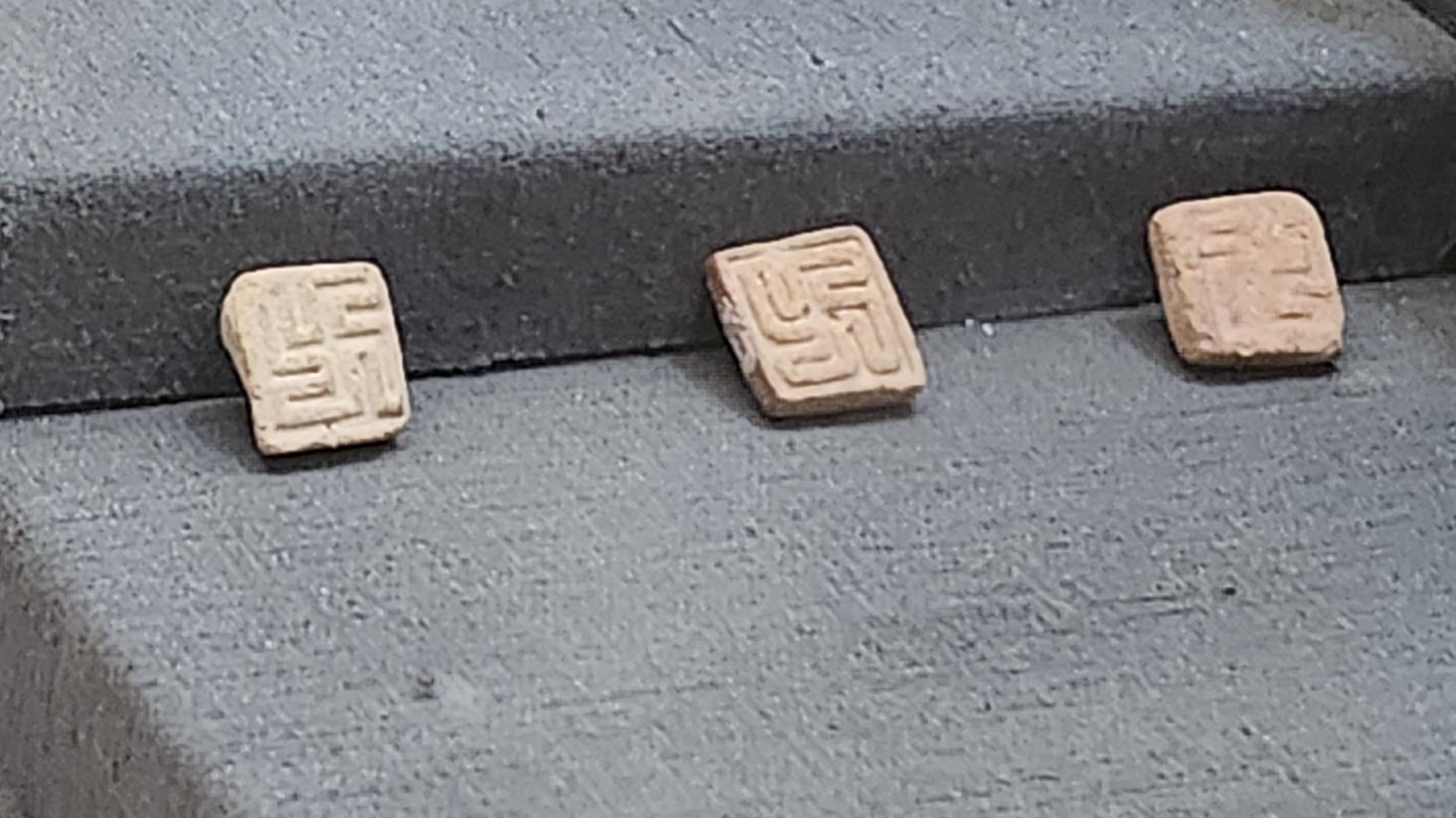
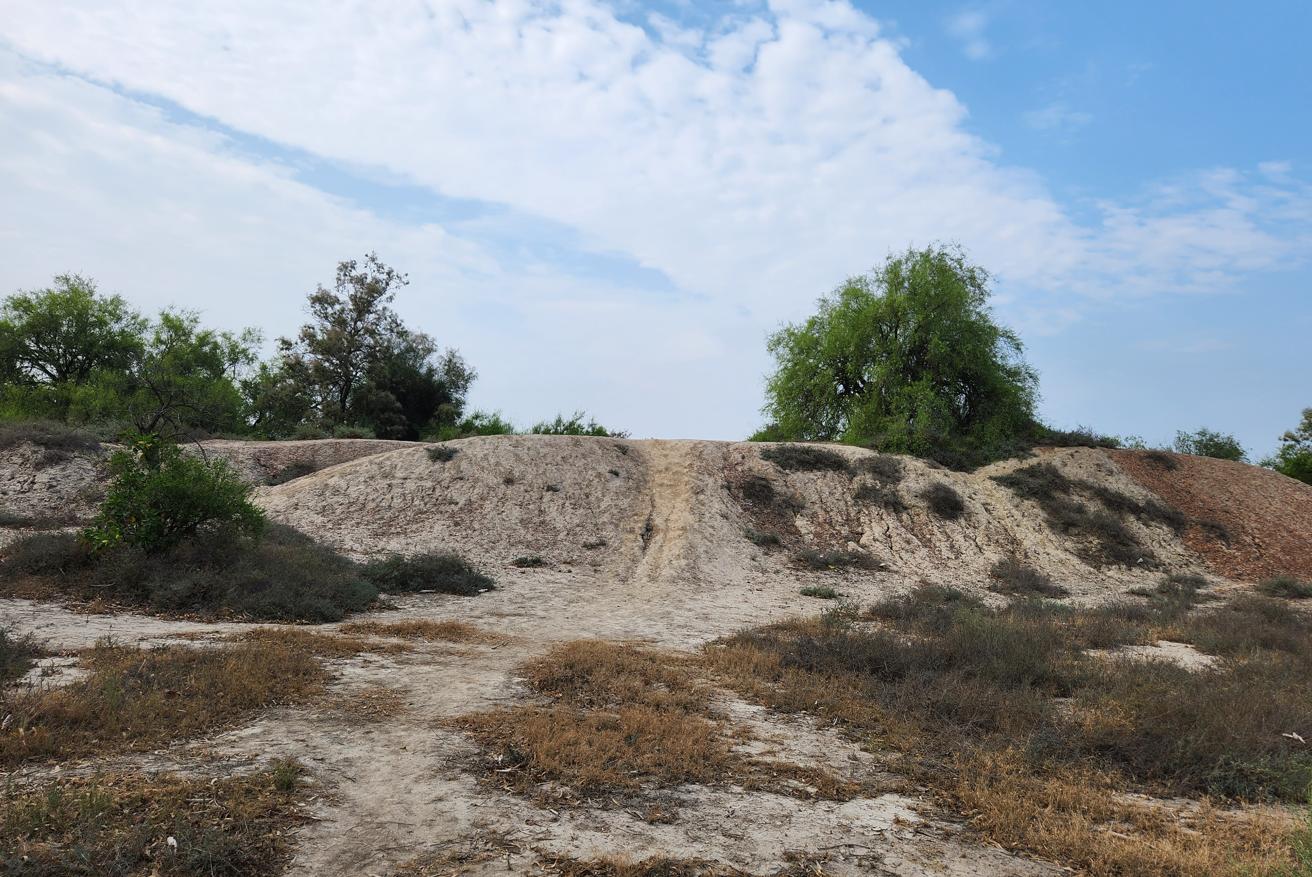
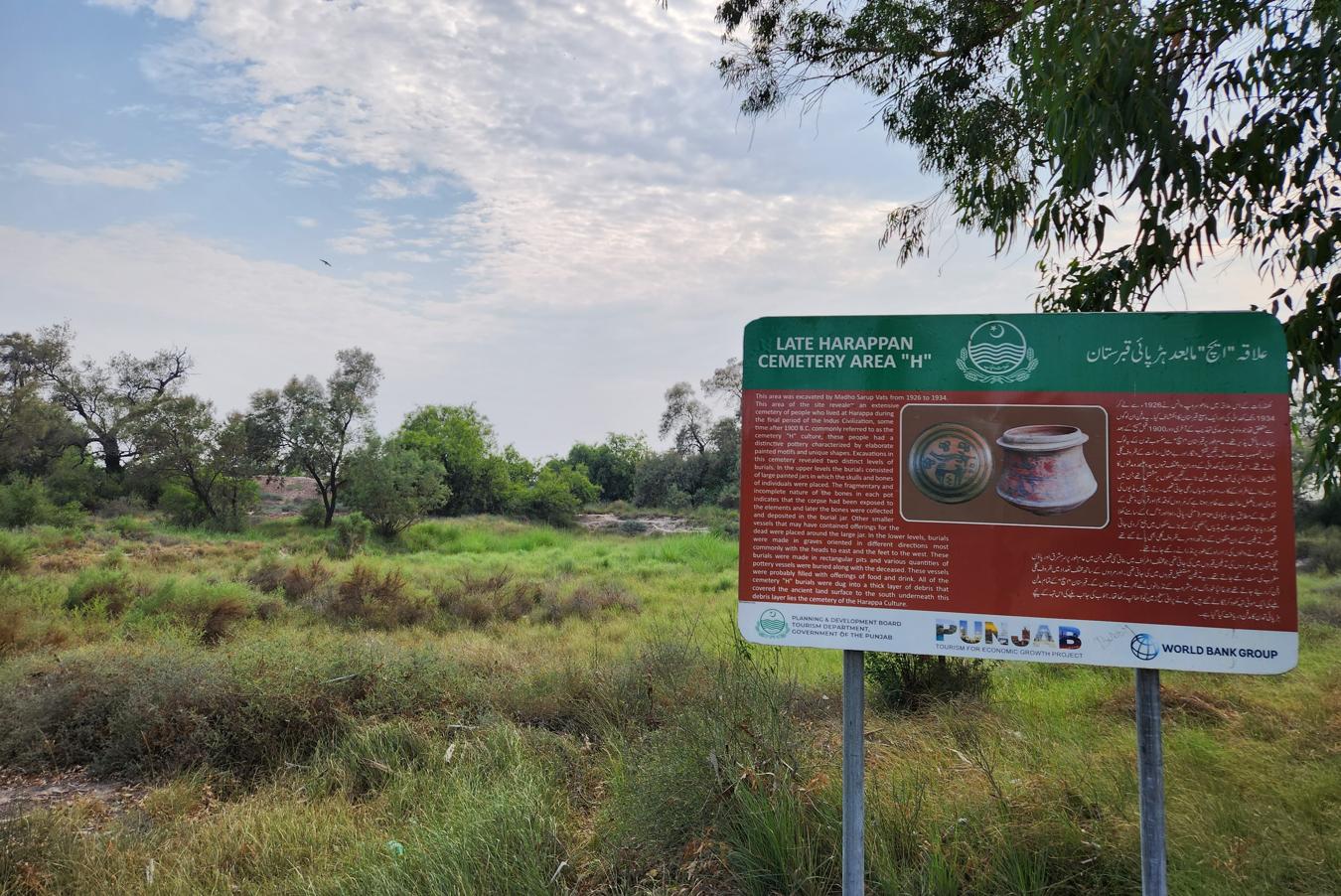
An hour or so northeast, on what was once the course of the Ravi River — the river has since shifted eight kilometres north, one more reminder that in the Indus plain not even the rivers stay where you left them — lies Harappa, the site that gave its name to an entire civilisation. Archaeological convention names a lost culture for wherever it was first properly identified, and it was here, not at Mohenjo-daro, that the existence of something older and stranger than the known historical record first became impossible to ignore.
At its height, during the Mature Harappan phase of roughly 2600 to 1900 BCE, the city held perhaps twenty-three thousand people across a hundred and fifty hectares of brick housing — a scale that made it, like Mohenjo-daro five hundred kilometres to the south, among the largest urban settlements anywhere on earth at the time.
Harappa's own history holds one of the better ironies in a country full of them: having survived four thousand years of monsoon, silt, and empire, the city was largely destroyed not by any of these but by the Victorian railway. In 1856, the British engineers John and William Brunton, laying track bed for the new Lahore-Multan line, discovered that the ruins outside the village of Harappa were an inexhaustible supply of hard-fired, ready-cut brick — exactly what a railway needed, and exactly what the surrounding countryside otherwise lacked. Some ninety miles of track were ballasted with the remains of the Bronze Age city; the railway station at Harappa itself was, with a black comedy Pakistan's history seems to specialise in, built out of the very bricks it had been laid down to bury. By the time archaeologists began taking the site seriously in the 1920s, something like half of it had already vanished into the permanent way of the North Western State Railway.
There is a kind of vertigo in doing the arithmetic: a city built to outlast its builders by four thousand years was reduced by roughly half in the space of a single decade of railway construction, and rescued from complete erasure only because the ballast being quarried out of the ground kept turning up seals inscribed with a script nobody could read — the same undeciphered writing that, at Mohenjo-daro, I would later find myself equally unable to interpret on the face of the Priest-King. Harappa's seals reached scholars first; the city that lent the entire civilisation its name is, in the final accounting, the one that paid the highest price for its own discovery.
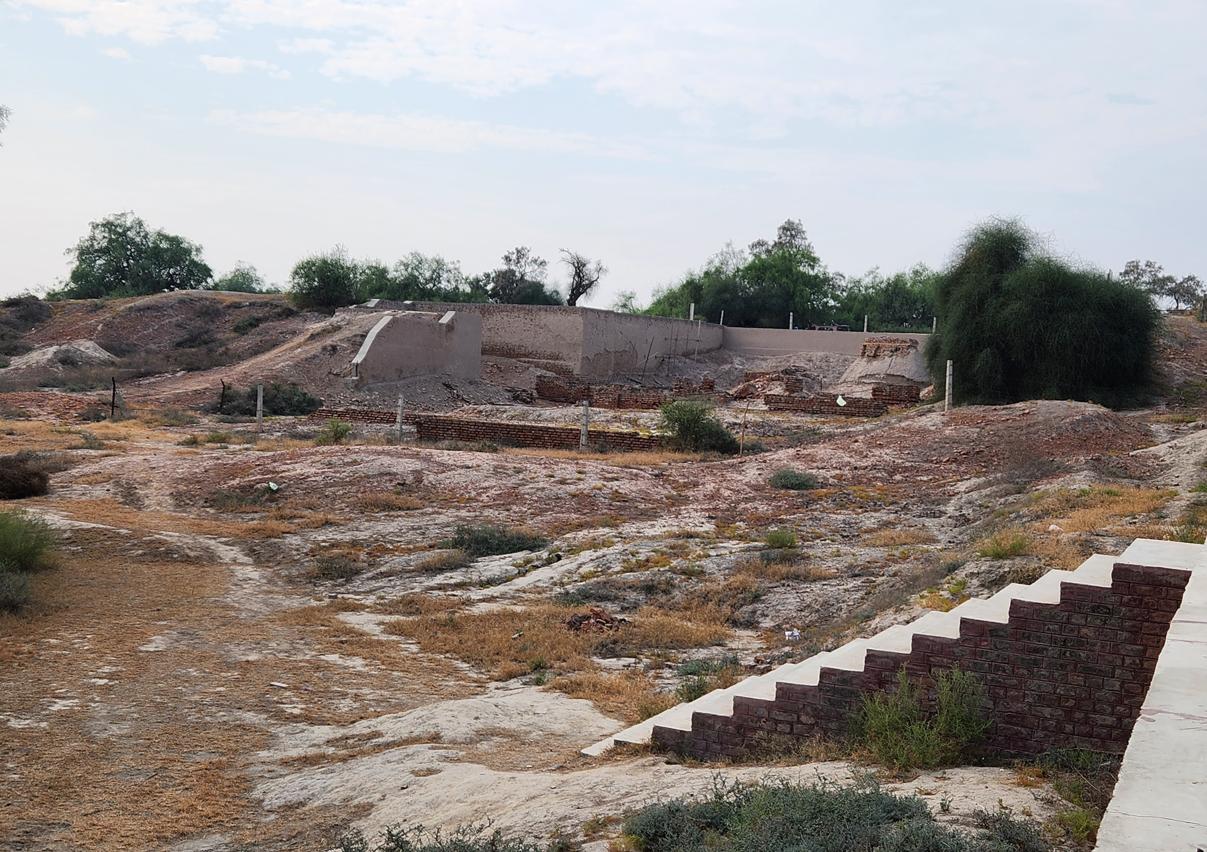
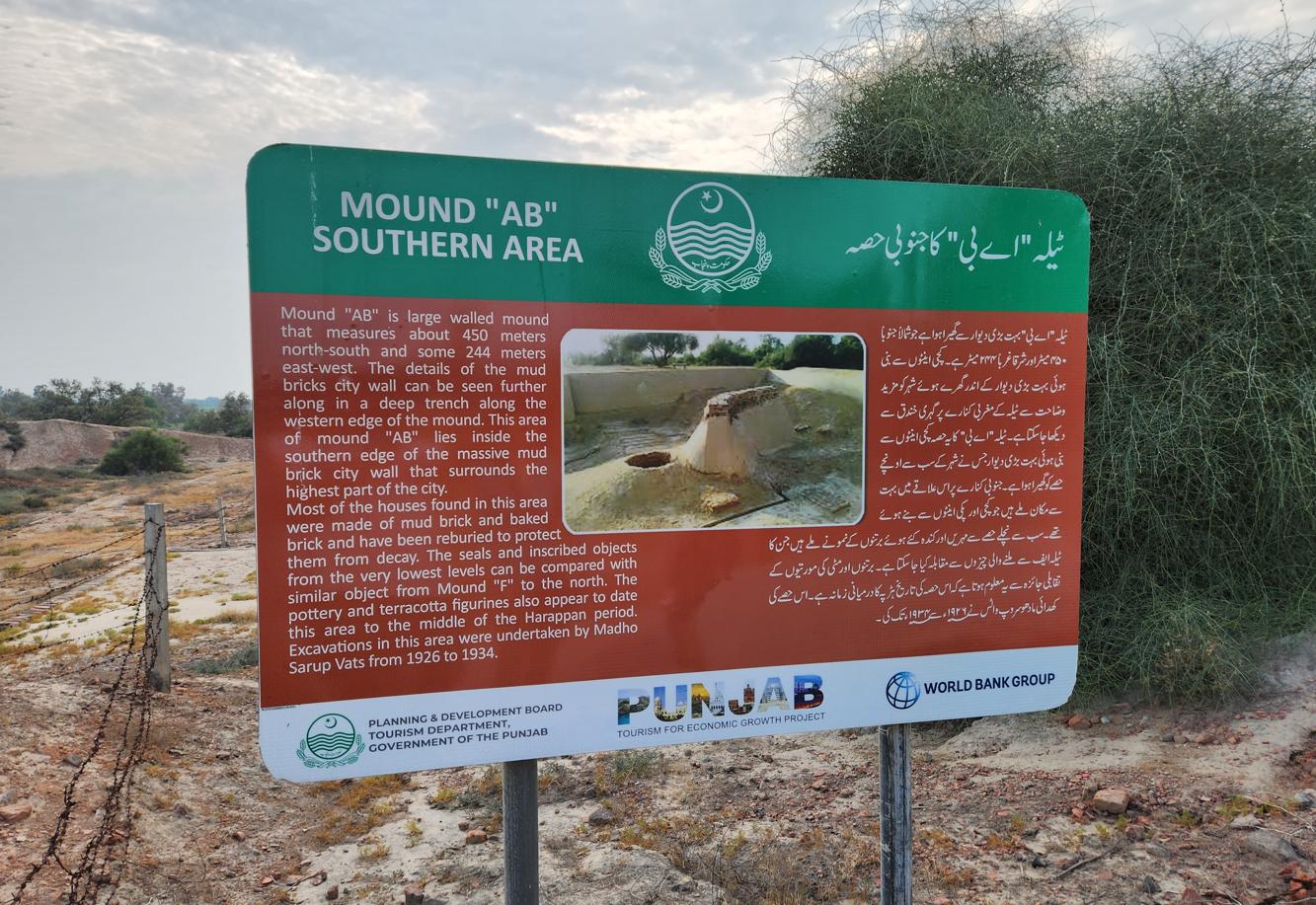
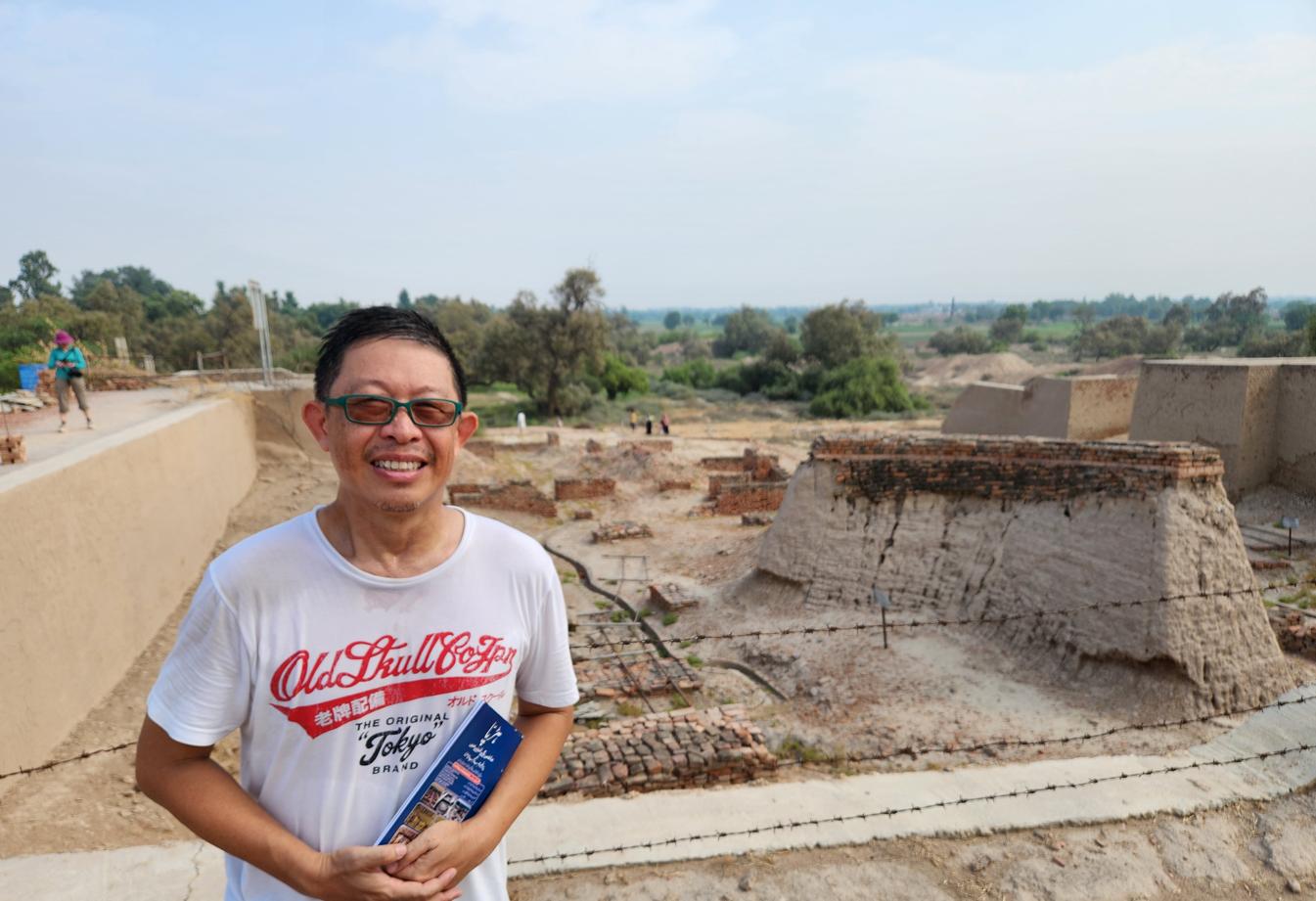
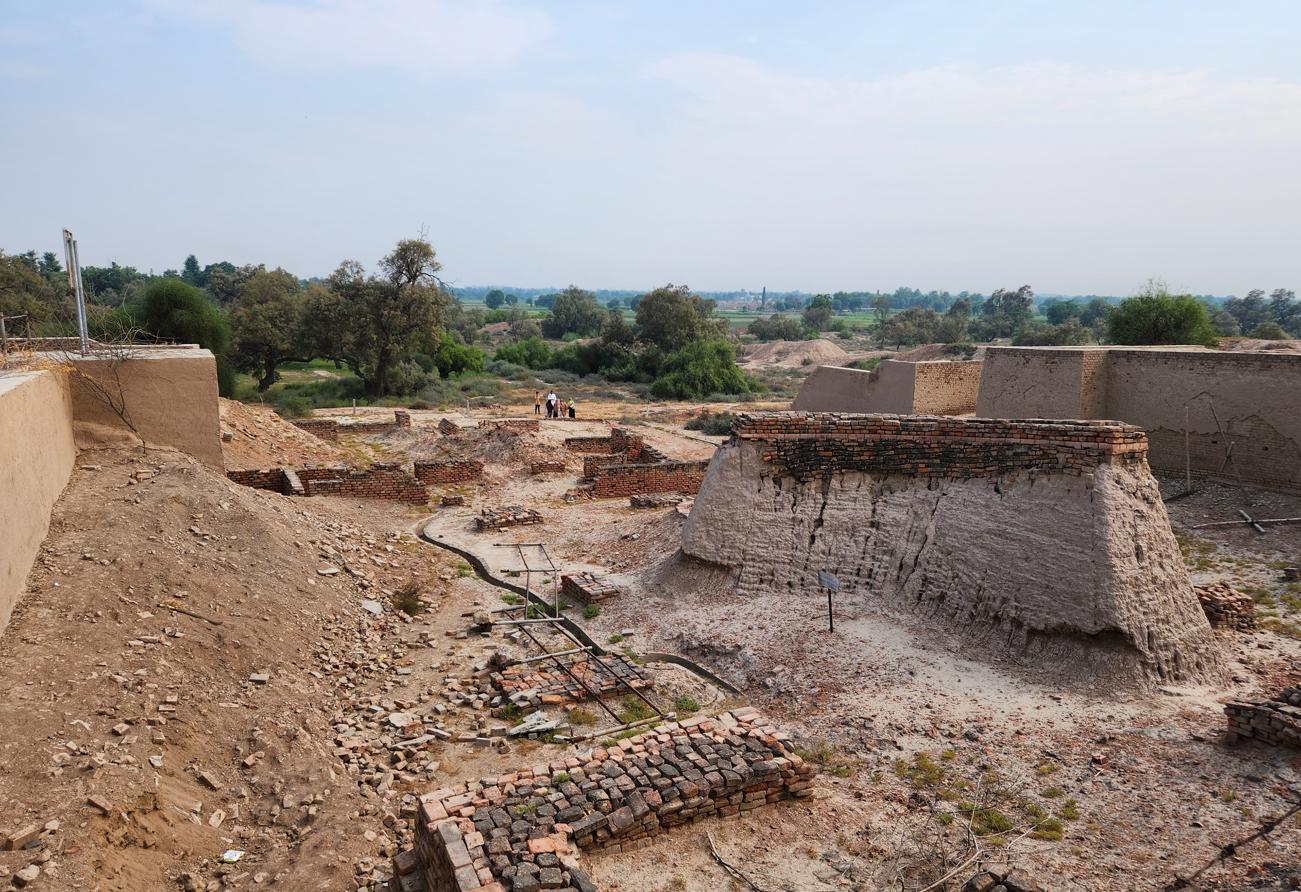
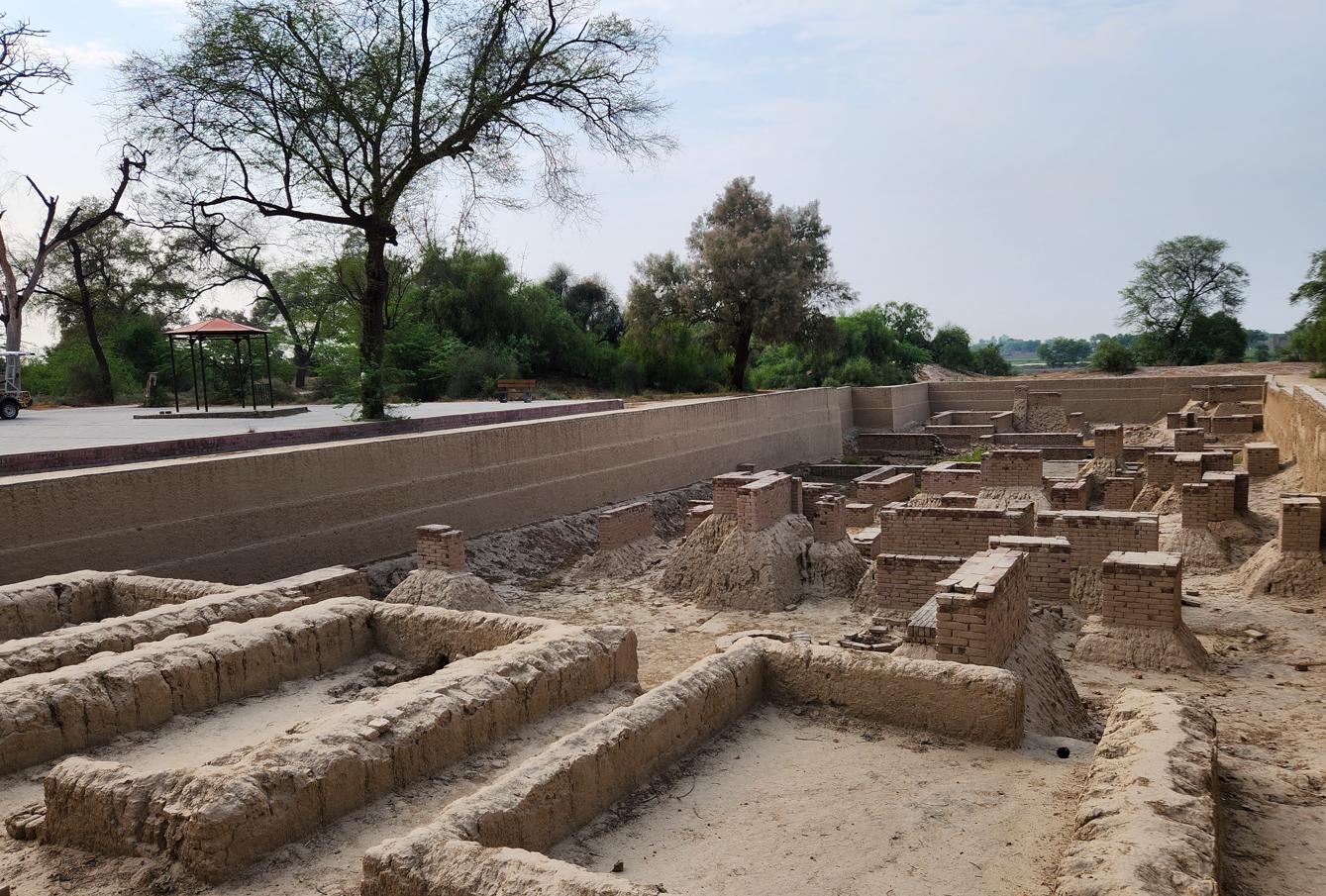
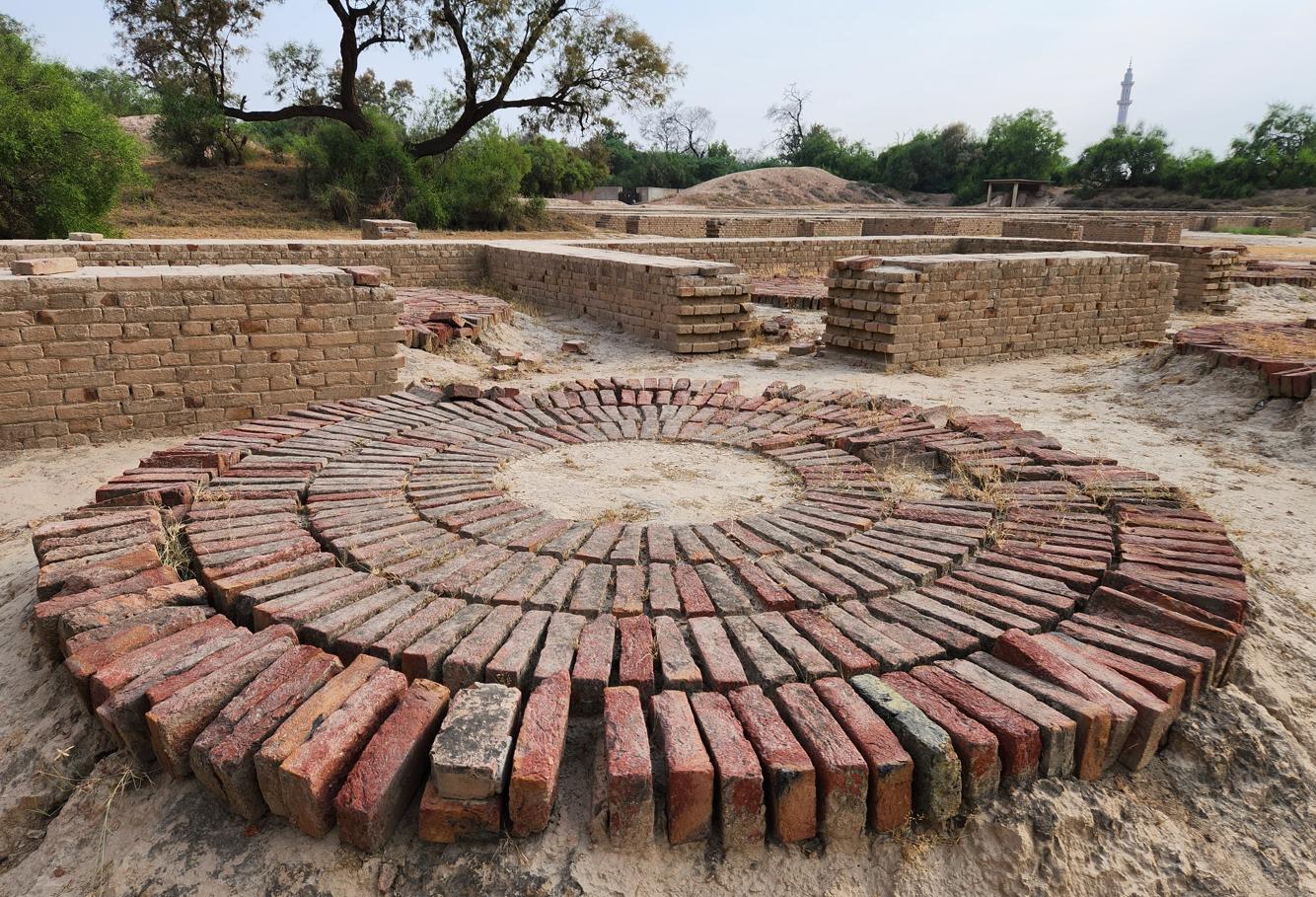
We reached the site in the exhausted stillness of mid-afternoon — a small brick-built museum, a scatter of low mounds, and considerably fewer visitors than the importance of the place would suggest. What survives is less continuous than Mohenjo-daro's exposed streets and granaries, spread instead across separate excavated zones — the walled residential core the archaeologists call Mound AB, the workshop suburb of Mound F, the outlying burial ground of Cemetery H — each contributing one more fragment to a picture that has never quite been completed. In the workshop quarter, laid out around 2450 BCE on a single planned scheme (a Bronze Age version of the tract housing that has been depressing urban planners ever since), one house is thought to have belonged to a goldsmith, on the strength of a hoard of gold and agate jewellery sealed inside it; nearby, circular brick platforms — rings of fired brick some five metres across — have never had their purpose settled, guessed at as grain-processing floors but keeping their secret with the same discretion as the undeciphered seals scattered around them.
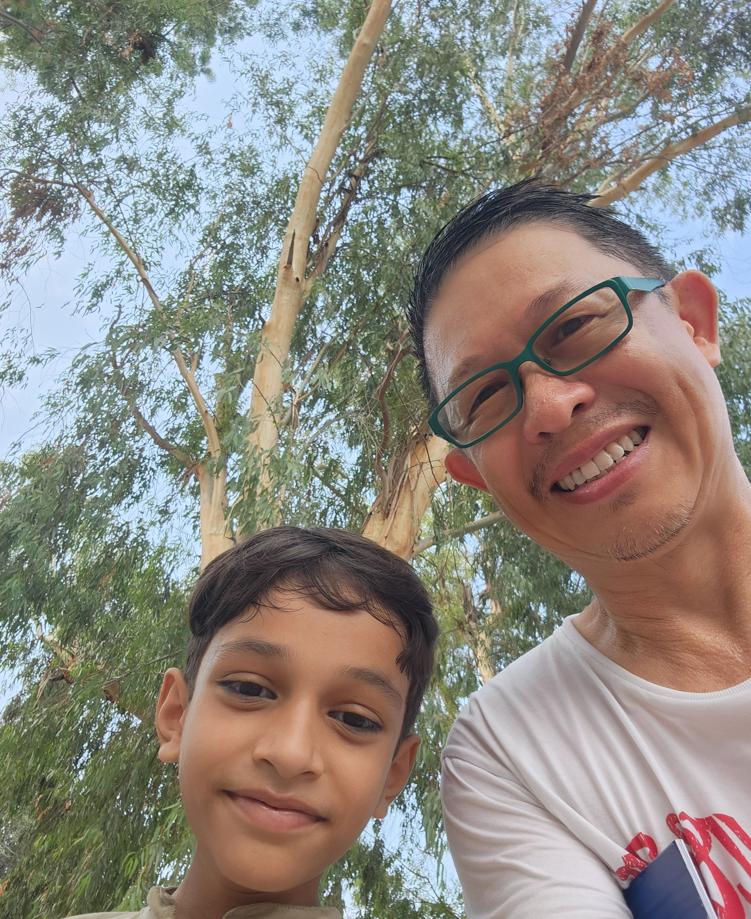
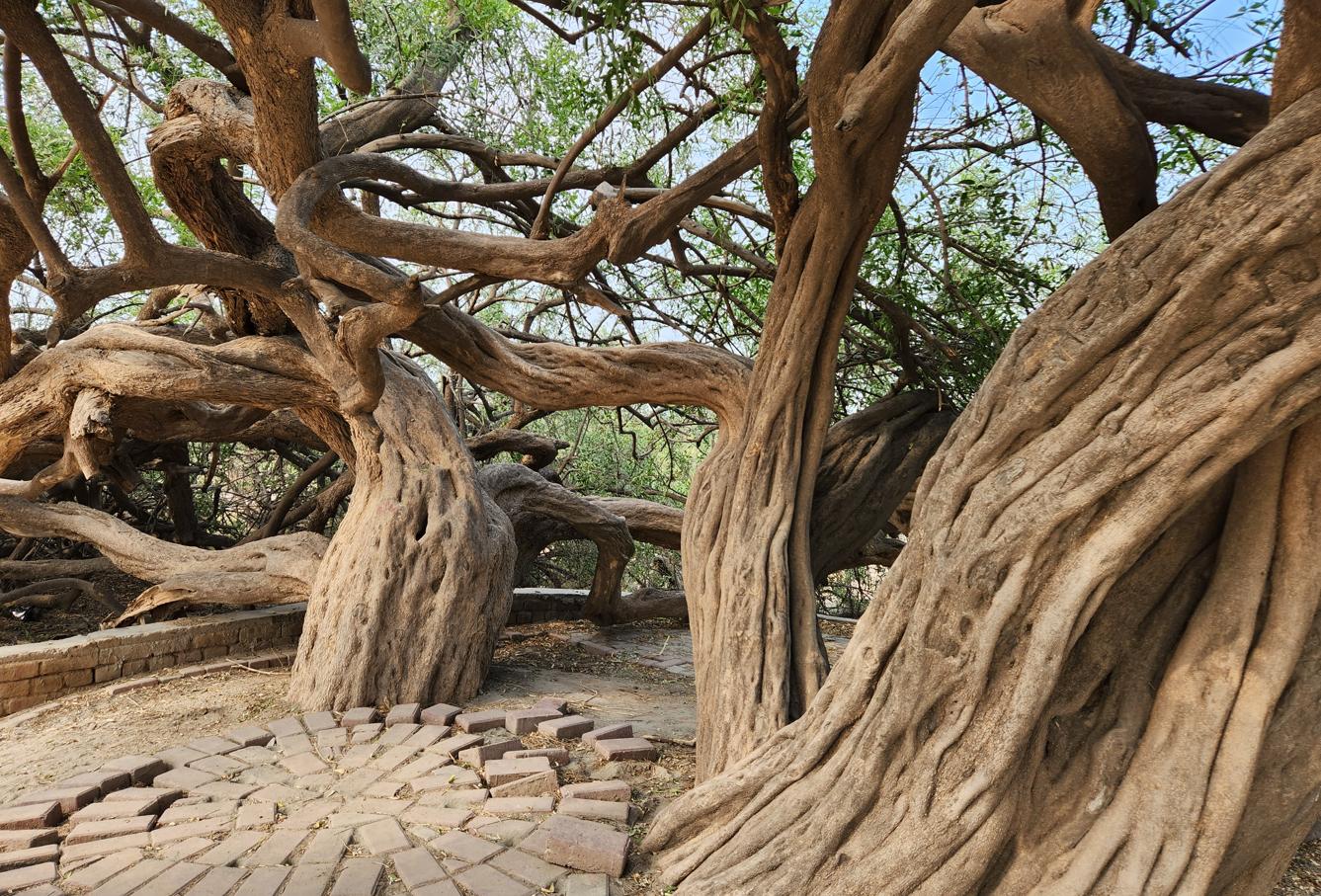
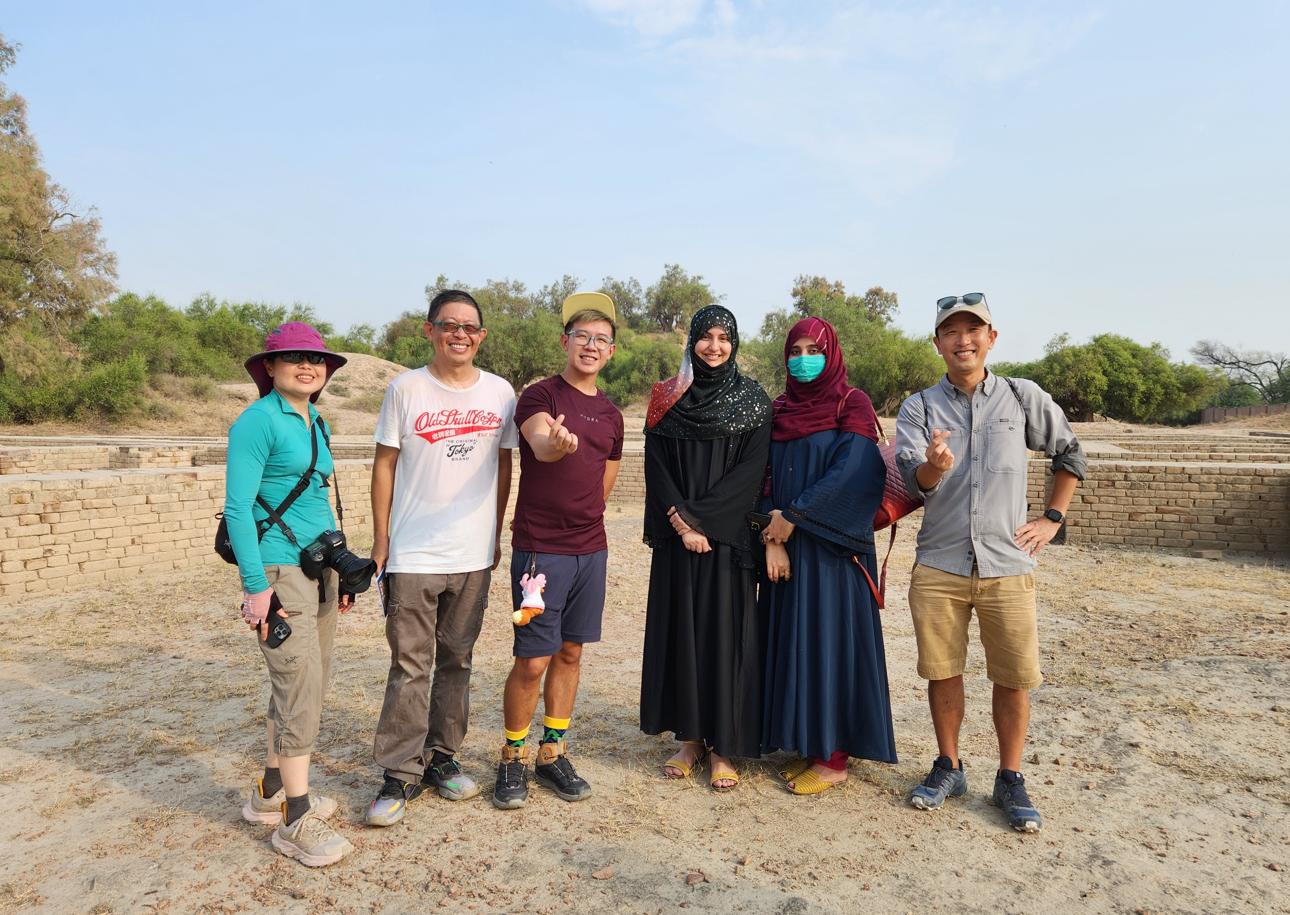
Cemetery H, in use after the city itself had already gone into decline, belonged to a later people with a distinct, elaborately painted pottery, and its upper burials are stranger still: bones gathered up and reburied inside large painted jars, the flesh already gone before the second, more formal interment. Between the excavated zones grows a single enormous tree, its trunk buttressed into something closer to sculpture than timber — one more layer, however briefly, added to a place that has never stopped accumulating them, us included, standing for photographs among the reburied walls with a minaret rising incongruously in the middle distance and, a few hundred metres off, the railway station built from the very bricks it was laid down to bury.
Next Chapter
Chapter Seven: Lahore — The City That History ChoseA Note on Process
The travelogue on this site are based on my own journeys, photographs, Facebook posts, and field notes. I work with Claude (Anthropic's AI assistant) as a drafting and editorial partner — giving it my raw material and working iteratively to shape it into finished prose. The AI helps me draft quickly, maintain a consistent voice across long narratives, and edit at the document level. The website's HTML and coding are built with the assistance of Gemini (Google). Audio versions of the essays are produced using NotebookLM (Google). Every observation, opinion, and conclusion in the written work is mine. The AI tools are the instruments; I am the author.