Chapter 5: Kano: The Centre of Commerce
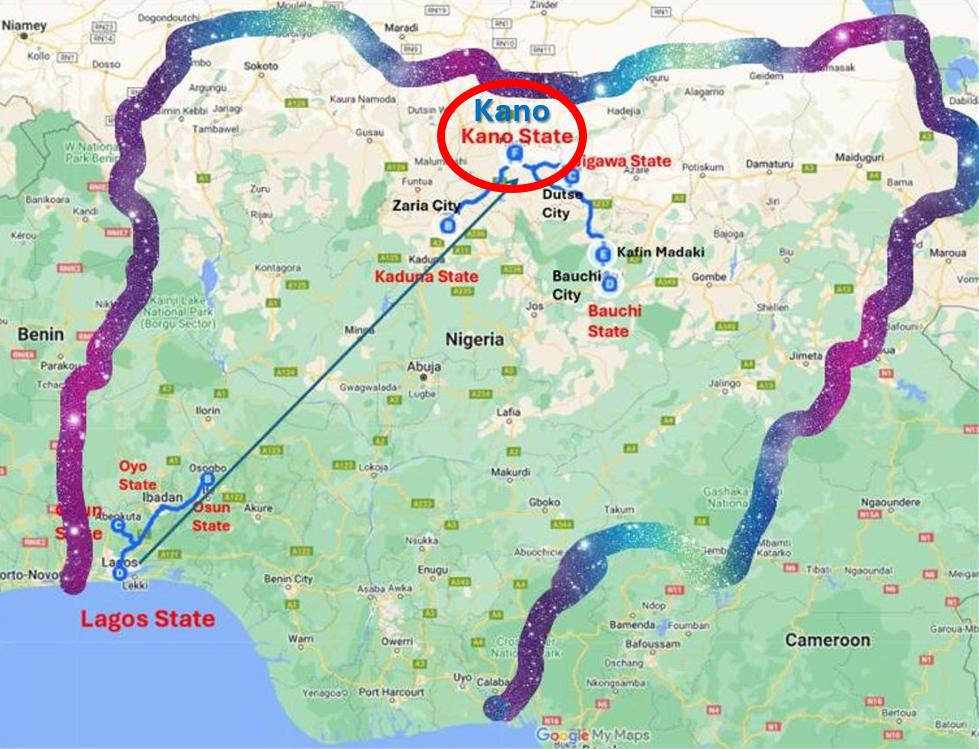
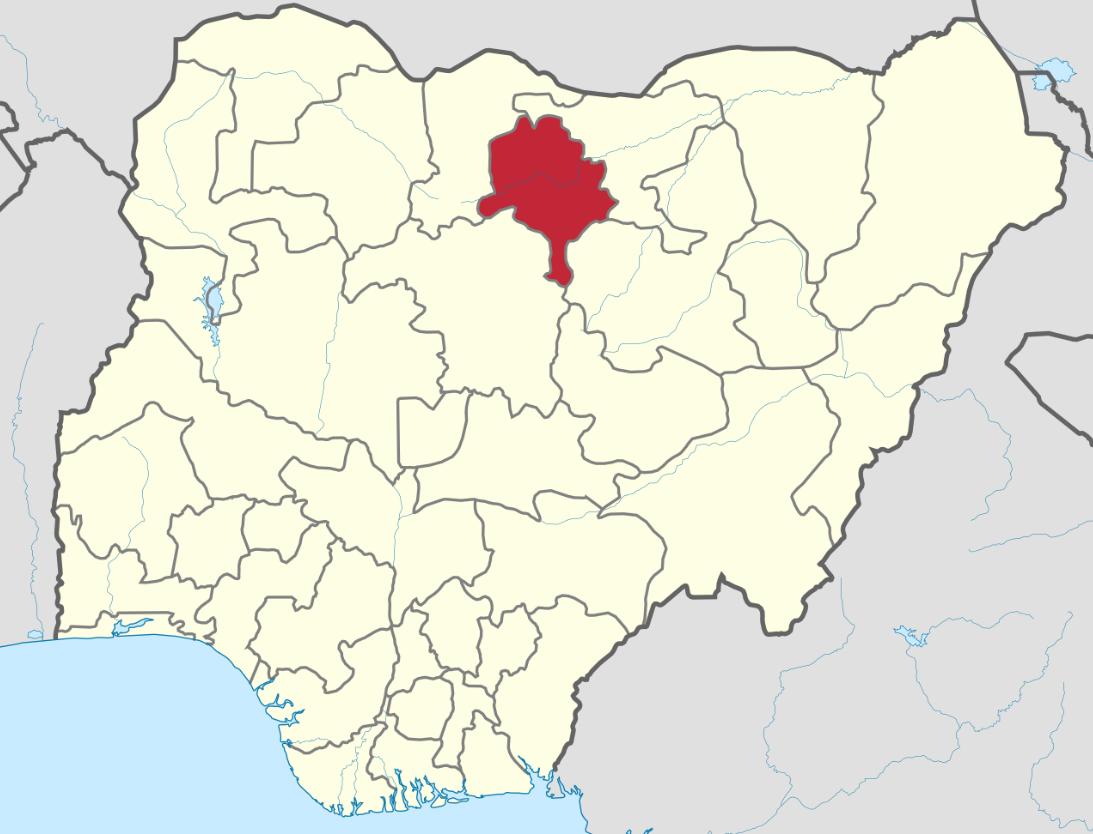

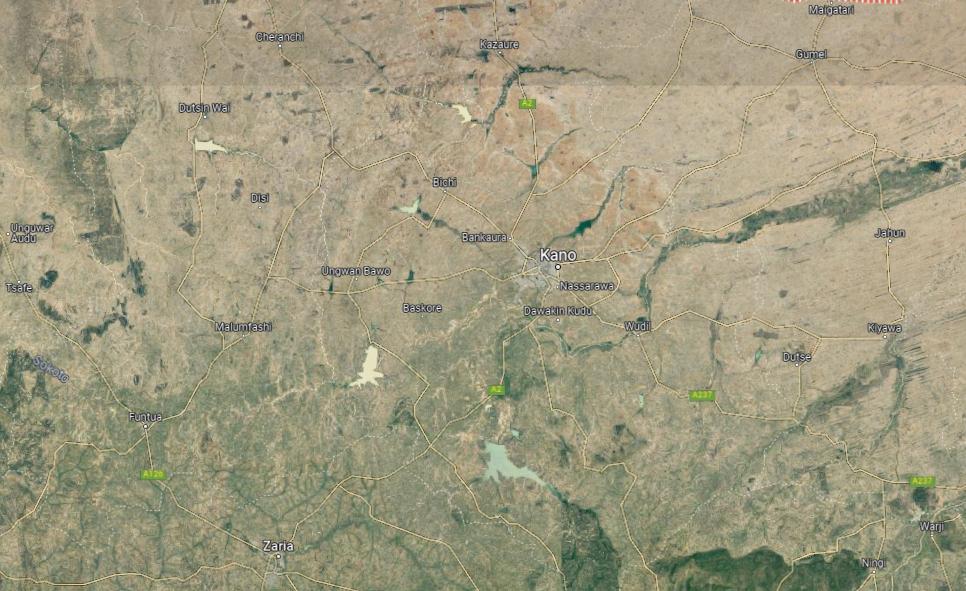
I had been thinking about Kano since my teenage years. Cities acquire a mythology before one visits them, assembled from books and maps and travellers’ accounts: Timbuktu, Samarkand, Aleppo, Marrakesh. Kano belonged in that company — one of the great caravan cities of the pre-modern world, a southern terminus of the trans-Saharan trade where camel caravans arrived from Tripoli bearing salt and departed carrying kola nuts, dyed cloth, and, in the darker centuries, enslaved people.
Flora Shaw, the Victorian journalist who gave Nigeria its name, described the Kano market as “the greatest commercial emporium of Central Africa.” She was writing in the 1890s. The Kurmi Market, founded in the fifteenth century and still trading today, is perhaps the most direct evidence that she was not wrong.
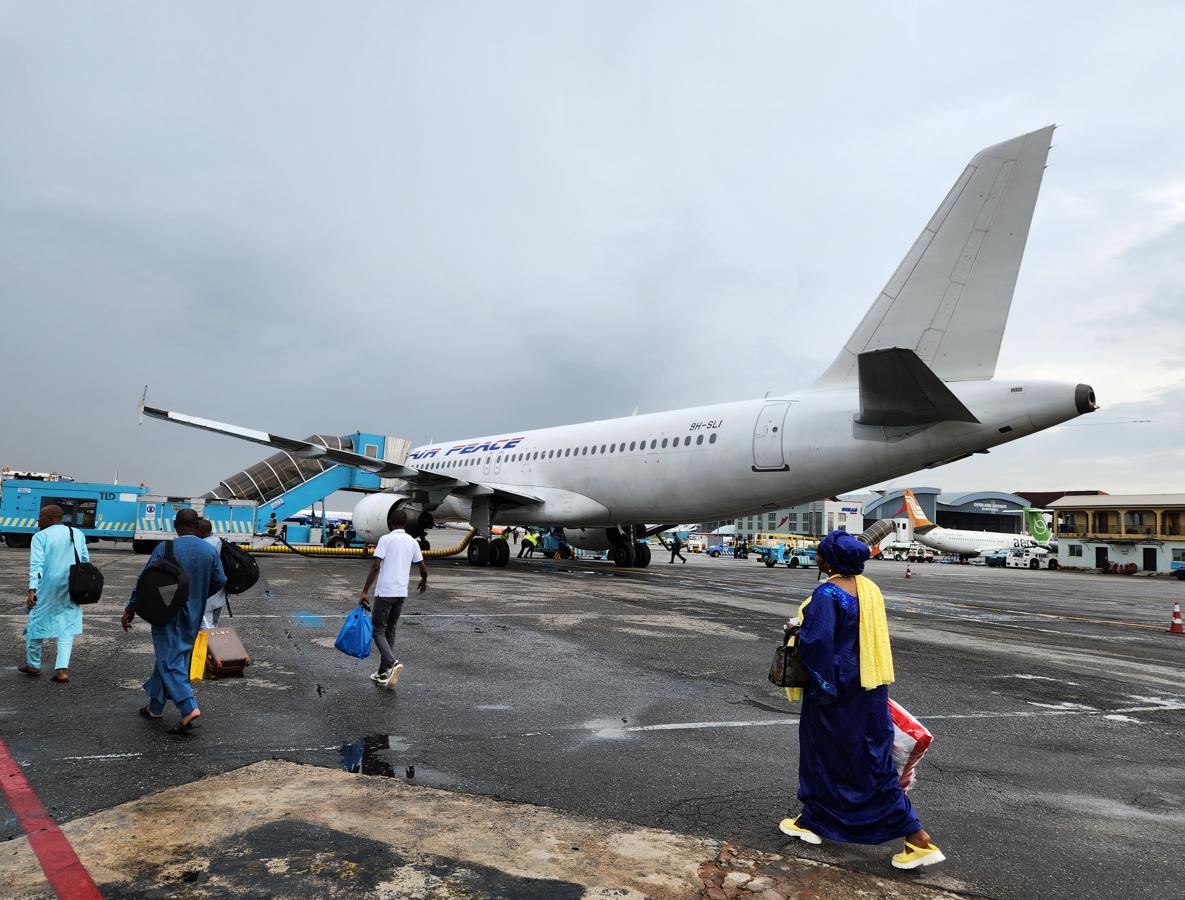
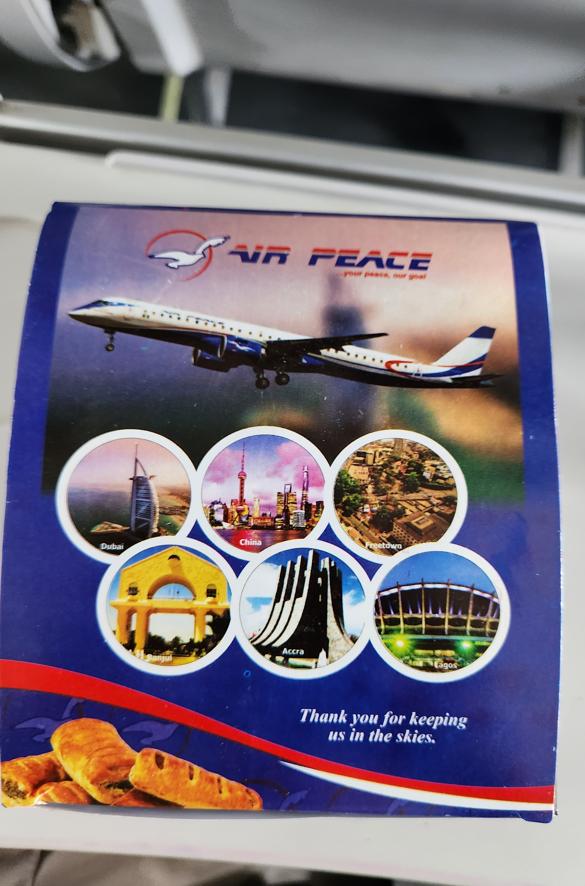
We flew Air Peace from Lagos. As we descended over the plateau, the landscape changed entirely: the wet green of the south gave way to brown savanna, the harmattan haze already thickening the horizon, the light flatter and more ancient-feeling, as if we had crossed not just a climatic boundary but a temporal one.
What happened at Kano airport deserves to be recorded without embellishment. As our group descended the aircraft steps, a Toyota Land Cruiser was waiting beside the plane on the runway. From it emerged a young man in flowing robes and a turban tied in the double-ribbon style reserved, in Hausa tradition, for royalty.
This was Zahraddeen Sanusi, introduced to us as “the Prince of Dutse”, being a member of the Royal Family of the Emirate of Dutse. He was also co-organiser of our tour, a joint venture with a Spanish and an Italian tour operator. He had already received the main group — some ten Europeans and Thais who had landed an hour earlier — and had now returned to the tarmac for Red and me. We were escorted past the terminal queues to the VIP lounge, where every official greeted the Prince with the deference owed to someone who occupies, simultaneously, the roles of hereditary nobleman, commercial operator, and man-with-a-vehicle-on-the-runway.
Kano announces itself differently from the Yoruba cities. The air is drier, the light harsher, the palette reduced from the greens and terracottas of the southwest to dust and sky. The harmattan had not fully arrived in October, but its advance scouts had: a thin haze that softened the horizon and gave the low mud-brick skyline of the old city a quality of something seen through gauze. Kano sits on the southern edge of the Sahel, where the savannah begins to give way to semi-aridity, and the landscape knows it. Everything is a little more provisional here, a little more exposed to the long dry seasons that shape the rhythms of the north.
Kano is one of the oldest continuously inhabited cities in sub-Saharan Africa, with a recorded history stretching back to at least the tenth century and a founding mythology that reaches further still. It grew to prominence as the southernmost terminus of the trans-Saharan trade routes, the point where caravans from North Africa and the Middle East converged with goods from the forest belt: kola nuts, leather, slaves, gold. By the fifteenth and sixteenth centuries, it was one of the great commercial cities of the known world, its Kurmi Market a destination for merchants from Egypt, Morocco, and the Maghreb. The Hausa Bakwai — the seven original Hausa states — had Kano at their centre. The Fulani jihad of Usman dan Fodio in the early nineteenth century brought the city into the Sokoto Caliphate; the Emirate of Kano, established in 1807, has been the governing institution of the city ever since, adapting first to British colonial rule and then to Nigerian federalism with a pragmatism that seems to be a defining characteristic of the institution. Kano’s motto, fittingly, is “the Centre of Commerce.”
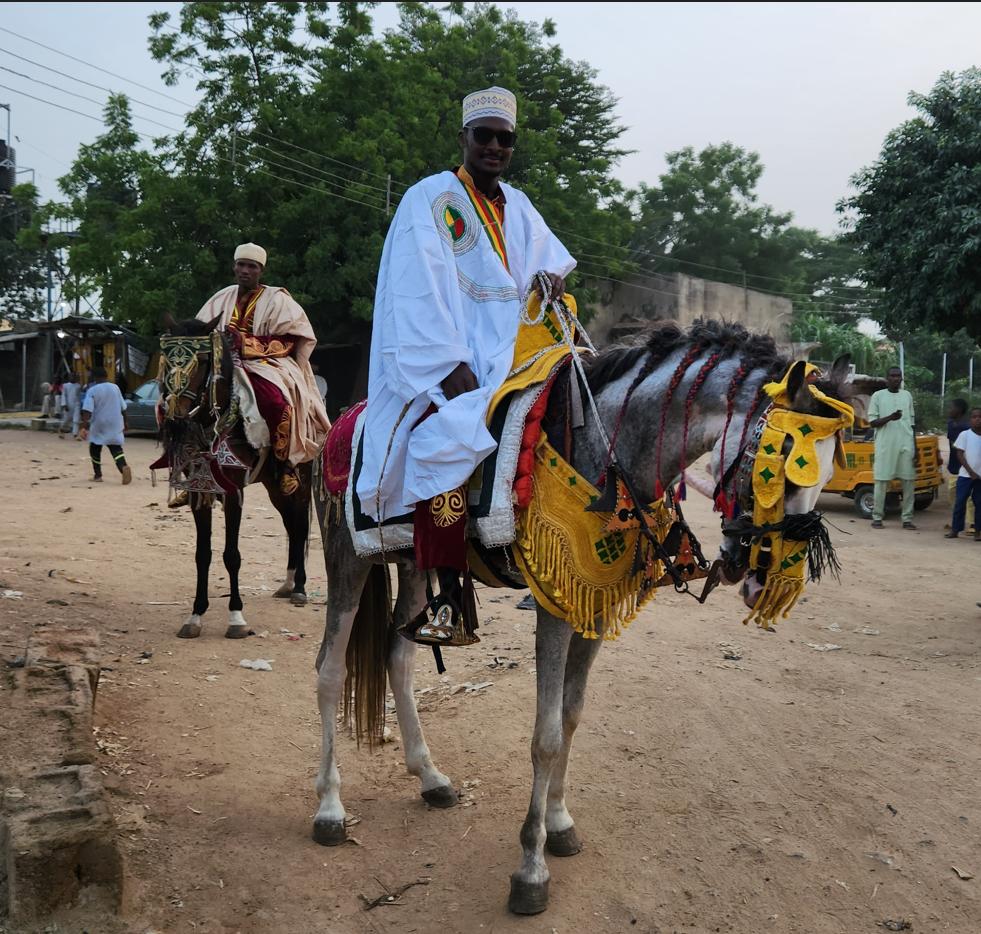
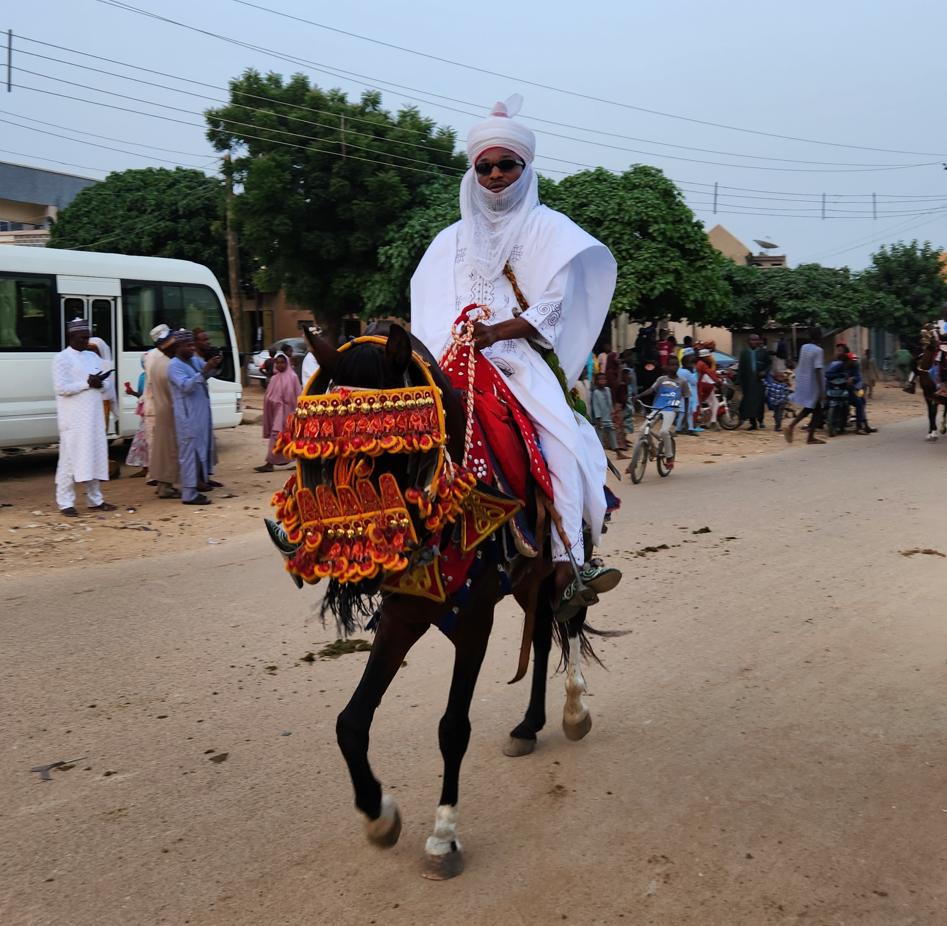
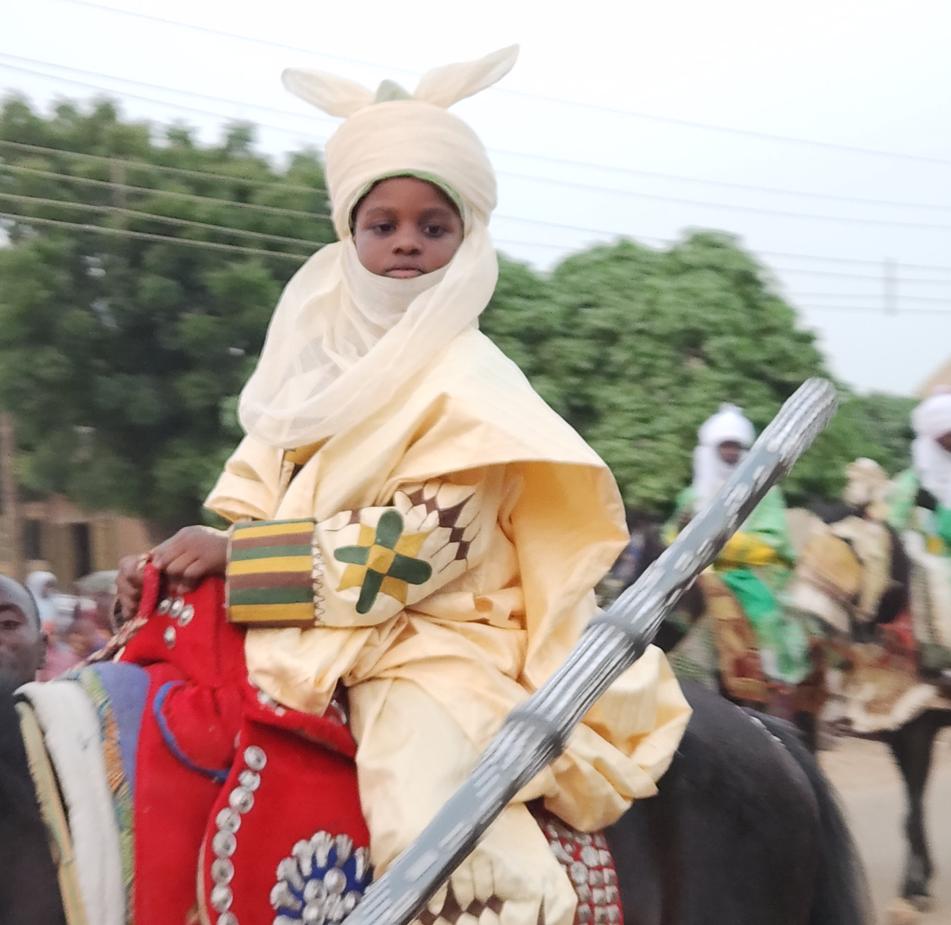
We had arrived at exactly the right moment. The rest of our tour group had reached Kano an hour earlier and been taken directly to a Durbar held in celebration of a royal wedding — a close relative of the Emir of Kano, who is also connected to the family of the Grand Councillor of Dutse. We drove to join them. The Durbar is the great equestrian ceremony of the northern emirates, held on the occasion of major celebrations — royal events, the two great Islamic festivals — when the Emir’s titleholders ride in procession through the city to pay homage at the palace. In Kano, it is the largest such event in Nigeria, a spectacle that has been performed in some form for several centuries and that draws tens of thousands of spectators to the streets of the old city.
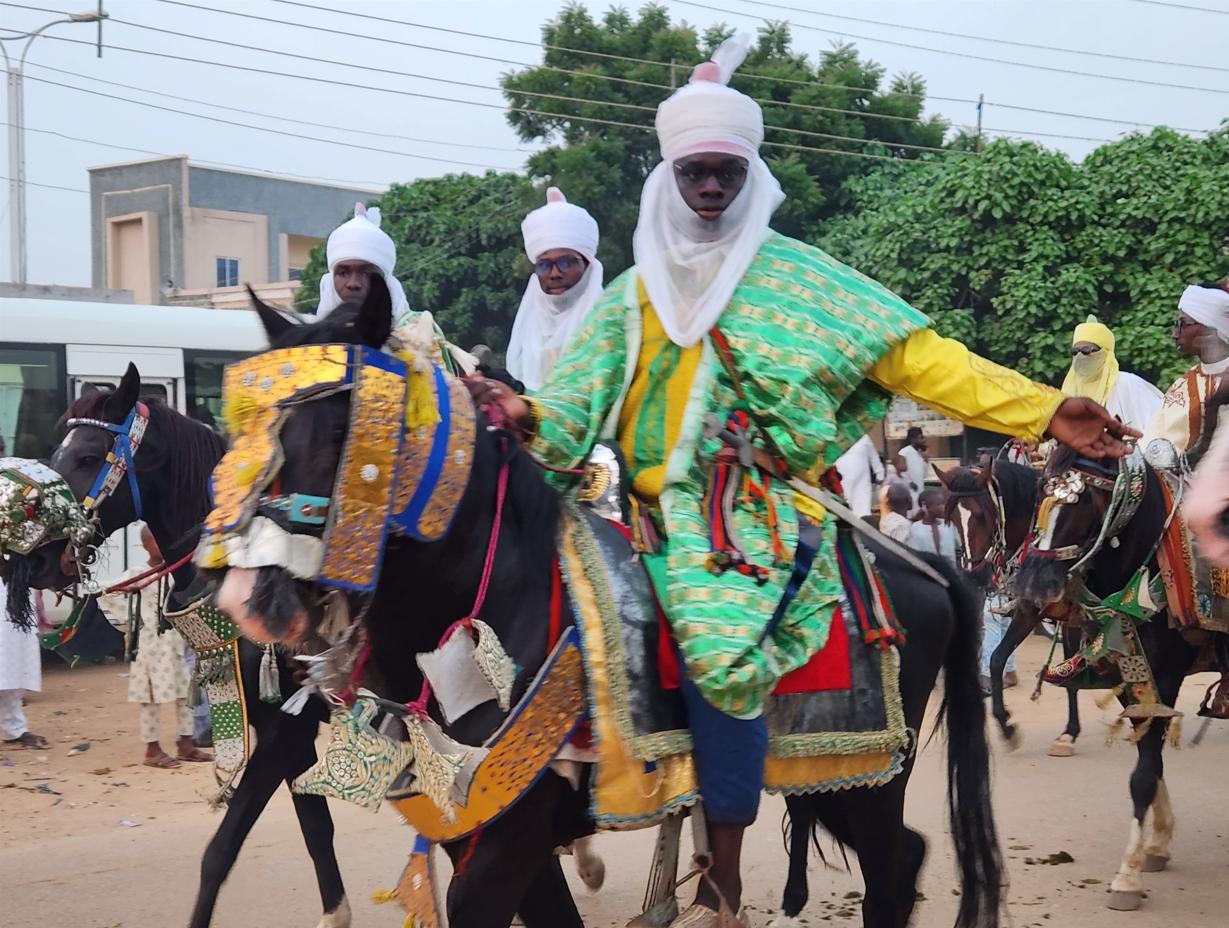
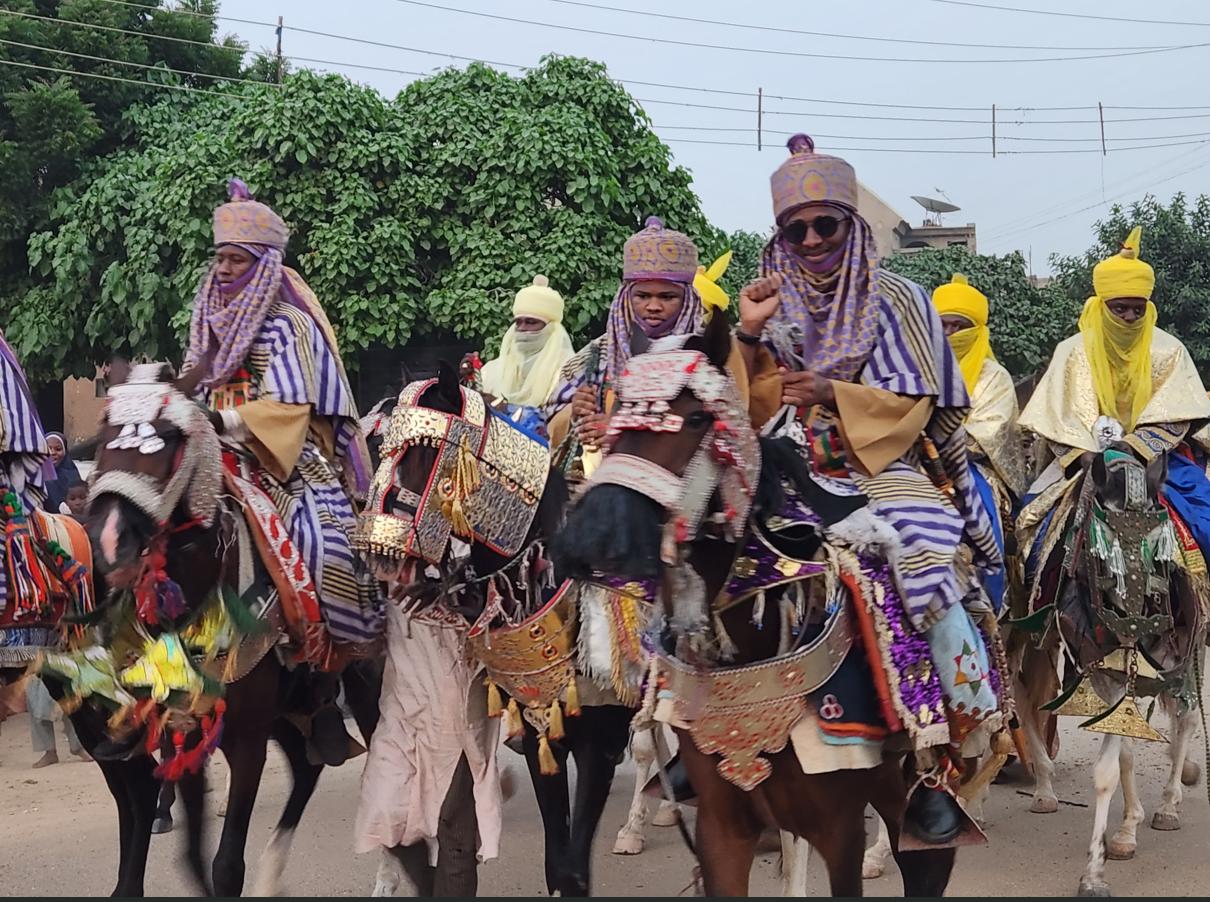
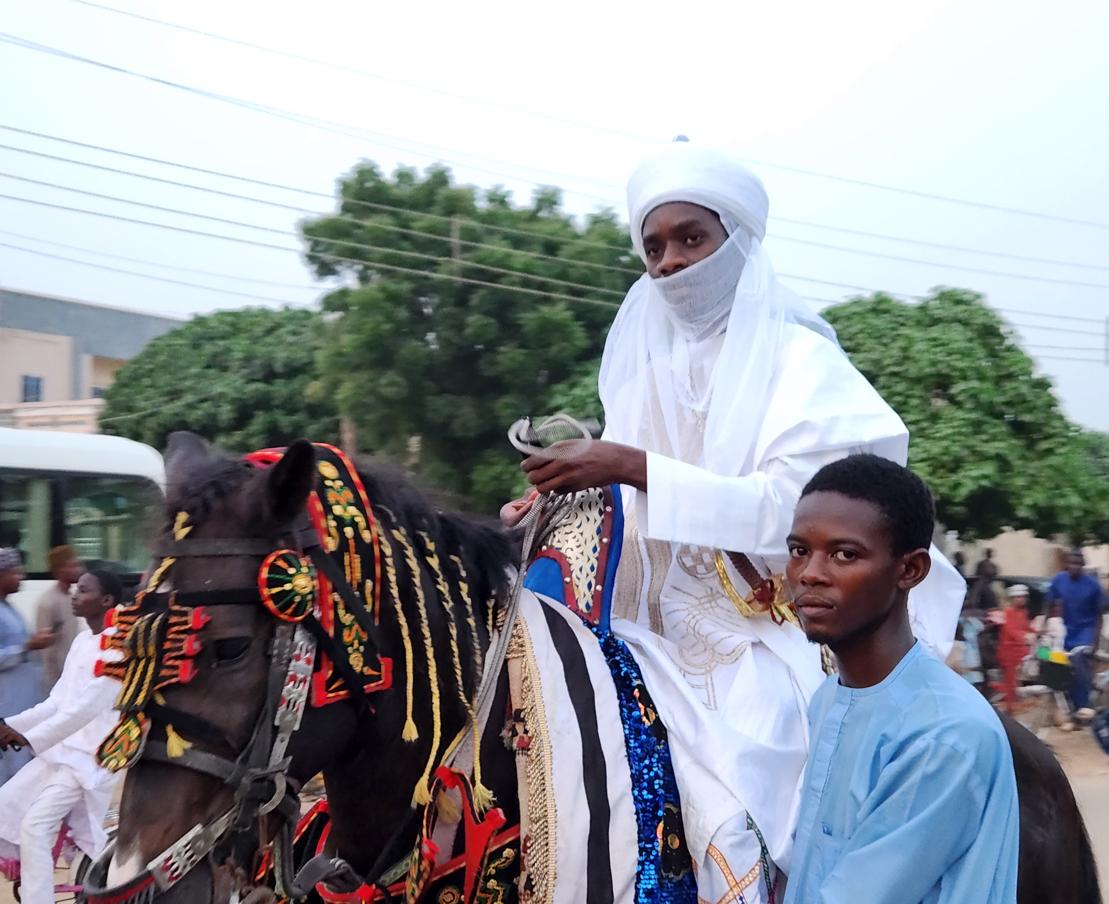
The riders came down the main road in successive waves, each contingent representing a different district chief or titleholder, each with its own colour scheme and livery. The horses were dressed as elaborately as their riders: embroidered caparisons in jewel colours — scarlet, cobalt, emerald, gold — hung to the fetlock, bridles encrusted with beadwork and tassels, chamfrons of tooled leather framing the animals’ faces in panels of geometric pattern. The riders wore robes of silk and damask, turbans of white cotton wound to architectural dimensions, some trailing a length of fabric across one shoulder in the manner of a toga. Among the formations rode attendants on foot — men in salmon-pink or gold robes keeping pace beside their lords — and ahead of each group, a drummer beat a rhythm on a small slung drum that set the pace of the horses’ walk. The whole thing moved at a deliberate, unhurried speed, as if time in this context operated by different rules.
The men riding are not actors in a pageant assembled for the occasion. They are the district heads — the Hakimai, the emir’s appointed territorial administrators, each responsible for a defined area of the emirate — and the holders of named court titles: Madaki, Waziri, Galadima, Makama, Sarkin Bai, and a hierarchy of lesser equivalents whose obligations to appear have never been formally rescinded. Participation is by summons expressed as invitation; no one rides who has not been called, and no one called can easily refuse. Each contingent in the procession represents a different titled household, its colour scheme and livery a visual declaration of which house this is and what it can still afford to put into the field. The attendants on foot keeping pace beside the mounted titleholders — one on the left, one on the right — have their own names and functions. The man on the nobleman’s left is his Sarkin Fada, his closest palace guard. The man on his right is the Shamaki: the one in charge of the horses, a position that exists year-round, not just on durbar days.
The durbar’s origins are military rather than ceremonial. From the fifteenth century onward, when horses were the decisive arm in warfare across the Sahel and the Hausa city-states, the emir’s nobility were obliged to maintain cavalry regiments at their own expense and to present them annually for review. The review was the point: the emir needed to know that his titleholders could actually field fighting men on trained horses when called upon. What has survived is the form of that review — the massed appearance before the sovereign, the display of readiness, the public affirmation of loyalty — long after the military function it served has passed. The jahi charge in which riders thunder toward the emir and pull up at the last instant carries the clearest memory of this: a demonstration, simultaneously, of the horse’s training and the rider’s nerve, and of the relationship between the nobility and the authority they are saluting. We could ride you down. We choose not to. We choose, instead, to stop. The fact that no one any longer expects the titleholders to ride to war makes the gesture not less charged but more so — it is pure statement, the military stripped to its meaning.
The cost of maintaining all of this falls entirely on the participating families, and it is not small. The horse itself — a quality animal of the Sudanese or Arabian strain, with the temperament and training for the charge — runs to several million naira, the equivalent of a few thousand dollars in a country where the median wage makes that a considerable sum. The decoration of a single horse for the Kano durbar can run to the equivalent of ten thousand dollars, with the finest embroidered caparisons and chamfrons sourced from Morocco or Egypt. The Babban Riga of the rider — the great flowing robe of silk or brocade whose excess of fabric signals rank — is another substantial expense, as are the robes of the retinue, the musicians, the praise singers who must be paid for their performance. A complete set of equestrian regalia is a family heirloom maintained across generations; its repair and eventual replacement is a cost that does not go away between durbars. A district head who fields fifteen riders presents himself as a man whose house can sustain this. A district head who appears on a poorly equipped horse with a thin retinue makes a different statement, one his community and his rivals will note. The competitive pressure to appear well-equipped is real and acknowledged, and it has not diminished as the occasions for such display have grown fewer. It has intensified.
Around this obligation, an entire artisan economy has grown and persists. The leatherworkers who tool the chamfrons, the embroiderers who work the caparisons, the tailors who cut the Babban Riga, the blacksmiths who produce the brass stirrups in the high-backed northern style — all of them depend on the continued willingness of noble families to meet the cost. The durbar is also, from this angle, a patronage system: the display of wealth that looks like expenditure is simultaneously the mechanism by which that wealth circulates into specialist crafts that have no other significant market. A Hausa proverb captures the expectation neatly: Doki mai kyau, shi ke nuna girman maigida — a fine horse reveals the greatness of its owner. The proverb predates the durbar in its current form, but the durbar is where it is most publicly tested, twice a year, before an audience that knows exactly what it is looking at.
I had not expected twelfth-century cavalry knights in twenty-first-century Nigeria. I was not complaining.
One contingent was arresting above the others: a company of riders in matching dark turbans wound tight and high, their robes in shifting combinations of blue and gold brocade, moving in a formation that had the quality of a military review. At the centre, a rider in white sat his horse with a stillness that distinguished him from the others — the stillness of someone accustomed to being watched without meeting every gaze. Ahead of him, a young boy in full ceremonial dress — crimson embroidered robe, white turban — walked with a staff, a serious expression entirely out of proportion to his age and entirely appropriate to the occasion. The Durbar is not, in the end, a performance for tourists. It is a constitutional act performed in public: the Emir’s titleholders publicly affirming their loyalty, the hierarchy of the emirate made visible and ambulatory.
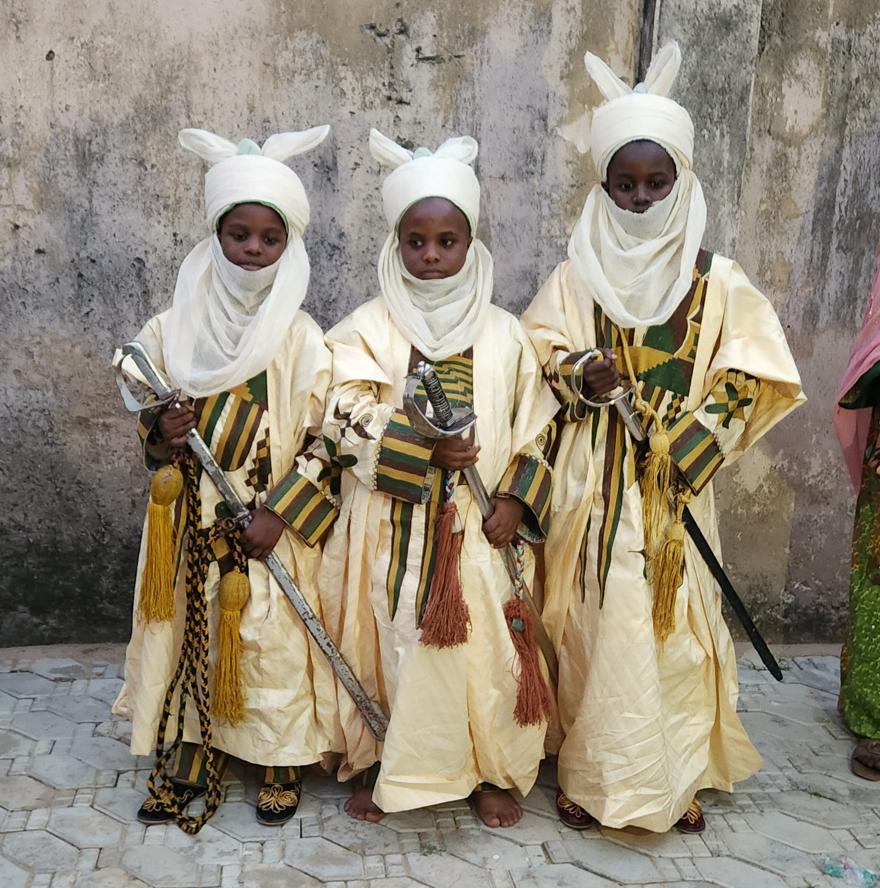
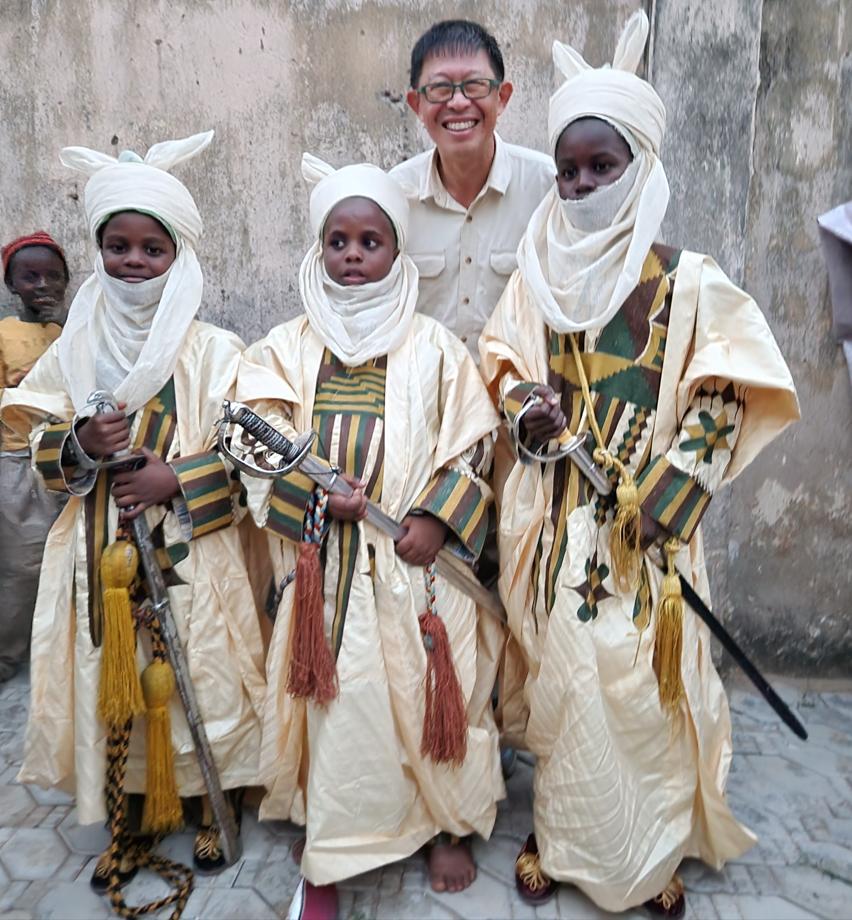
Three small boys stood against a wall near the palace compound, dressed in miniature versions of full emirate regalia: cream silk robes with green and gold trim, white turbans with the characteristic upswept point, and — incongruously, magnificently — small dress swords held at their sides, the hilts barely fitting their hands. They posed with complete seriousness for the photograph. The Durbar produces this: a situation in which the children of the court become, for a day, indistinguishable in gravity from their parents.
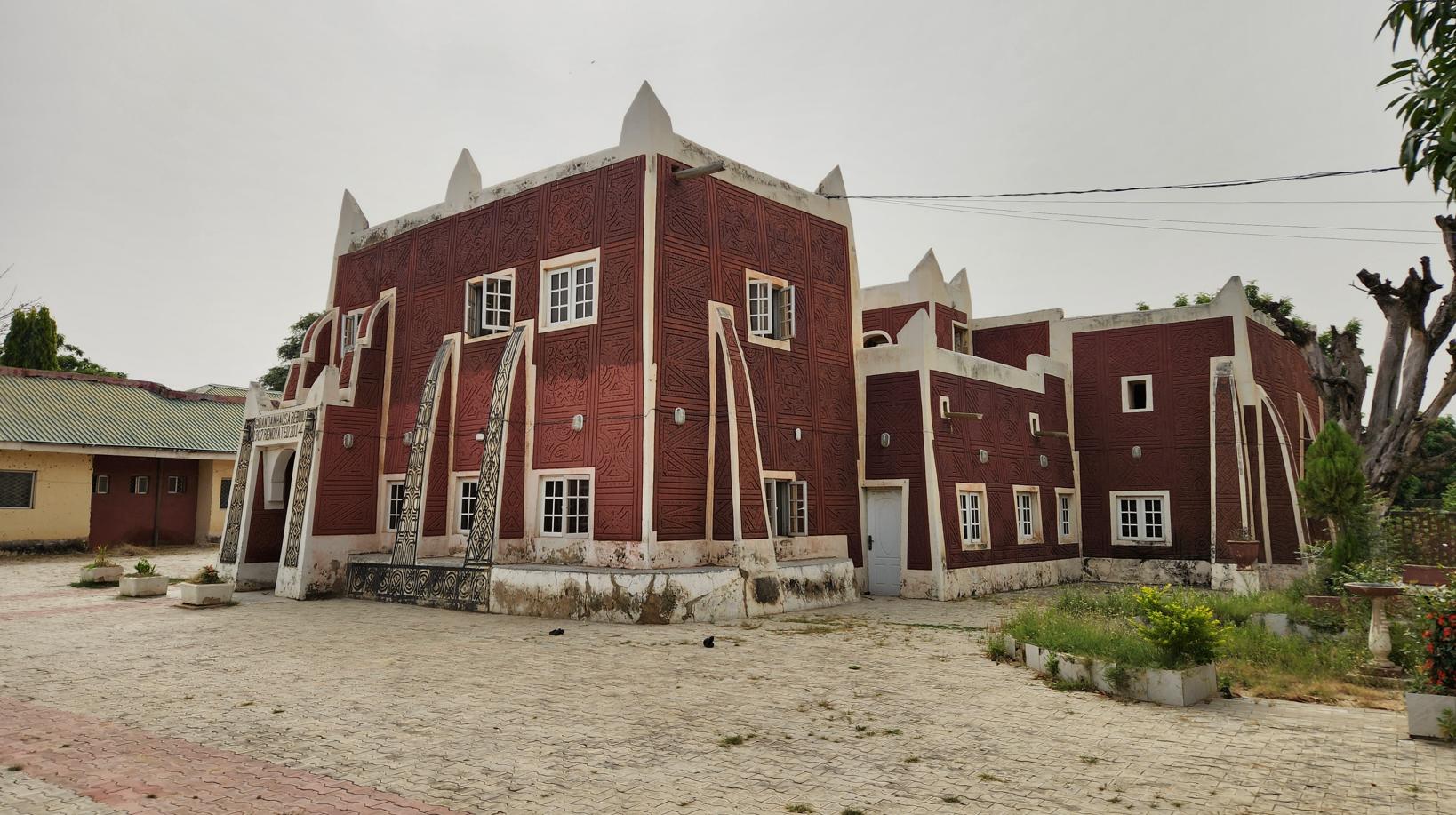
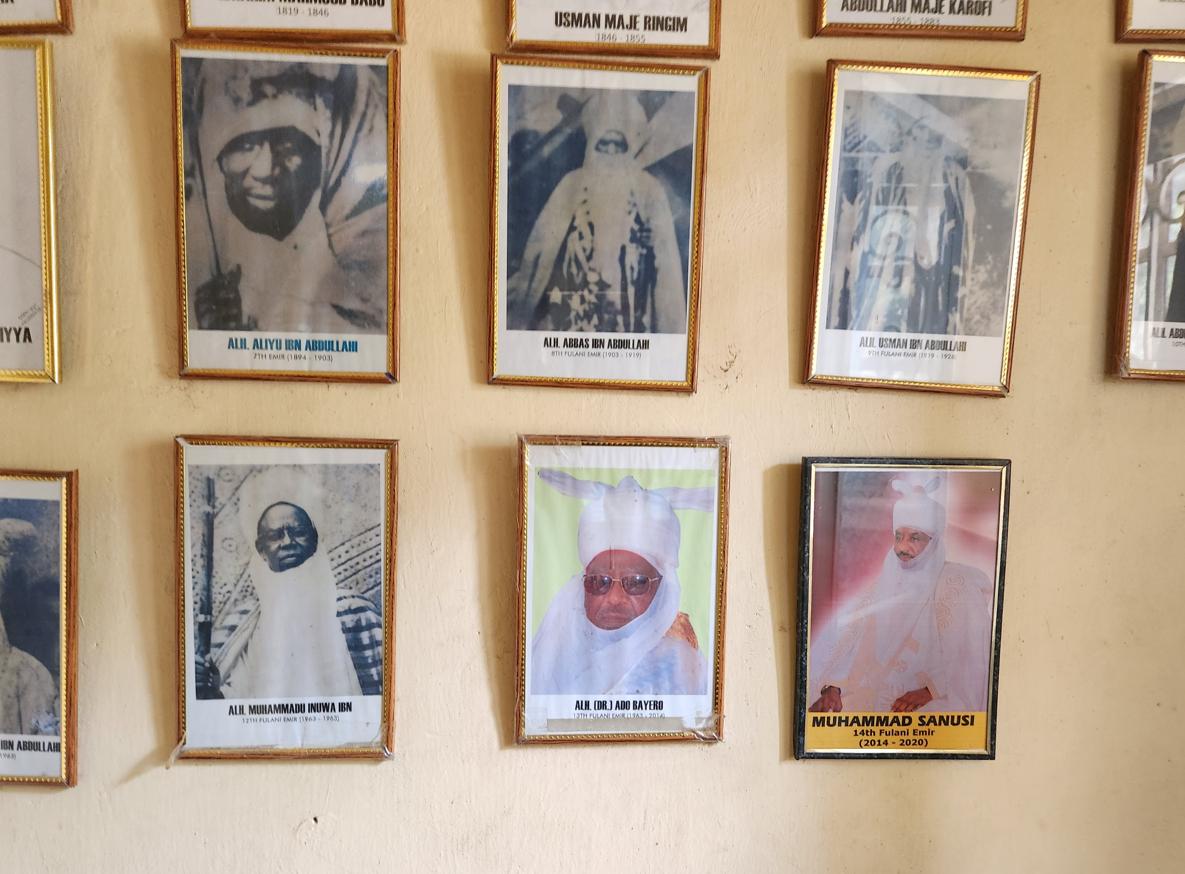
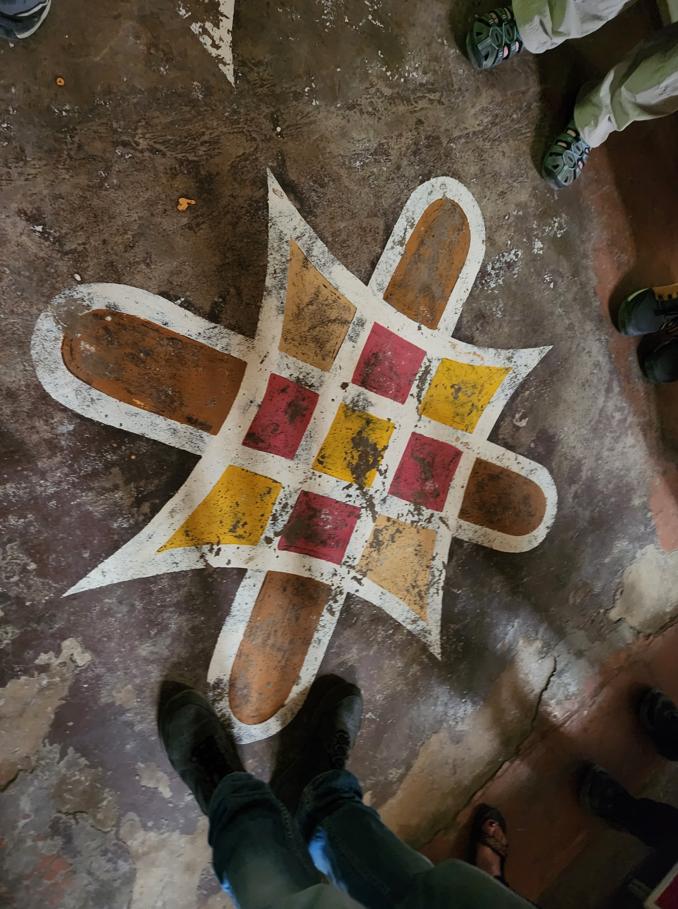
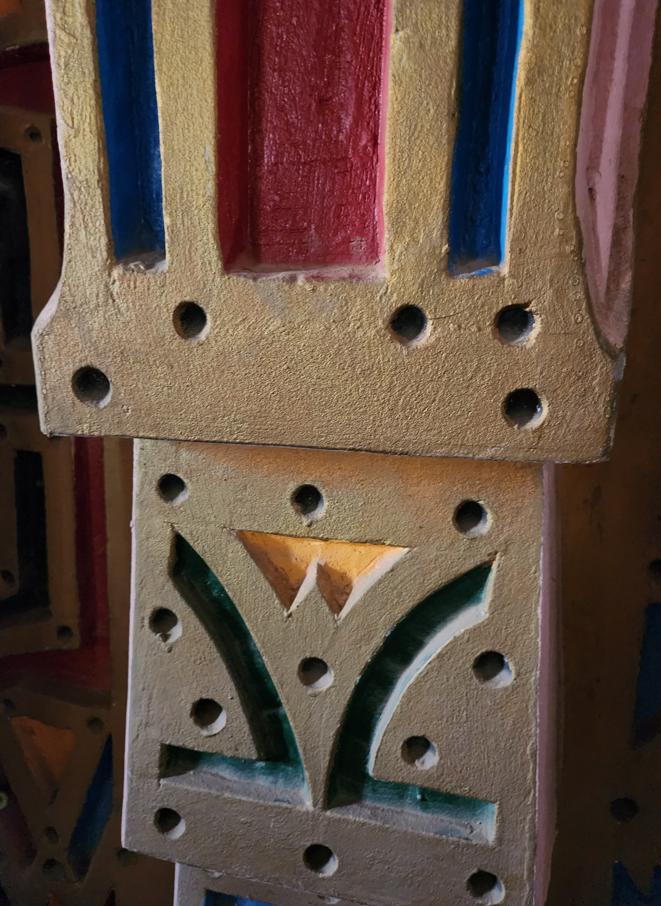
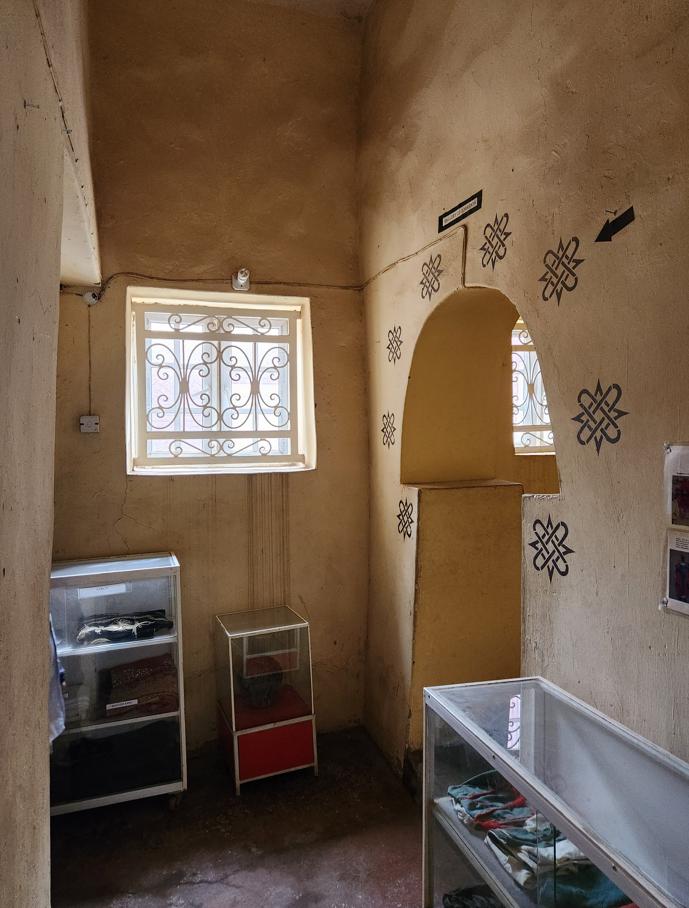
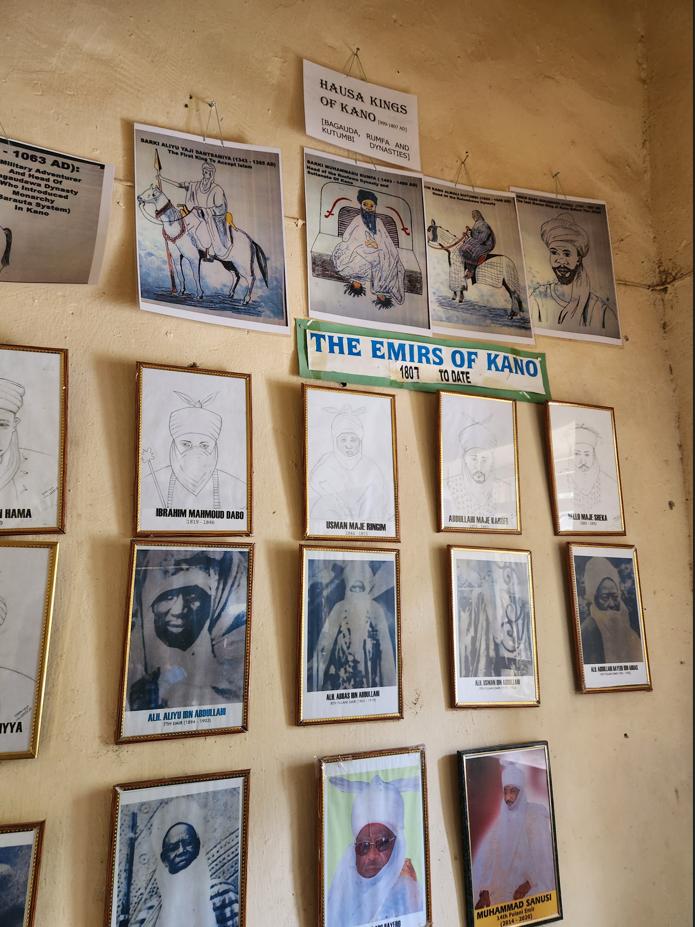
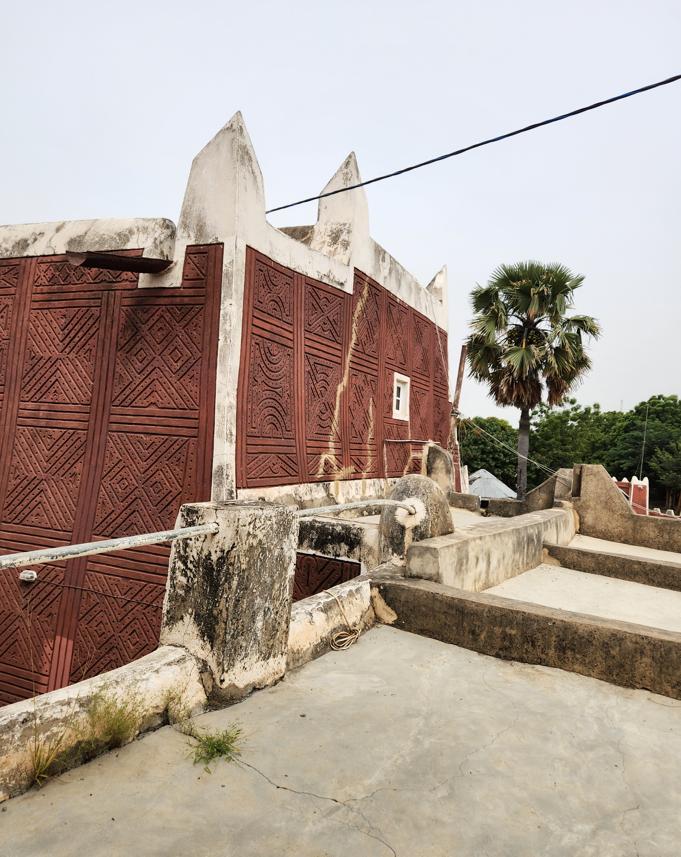
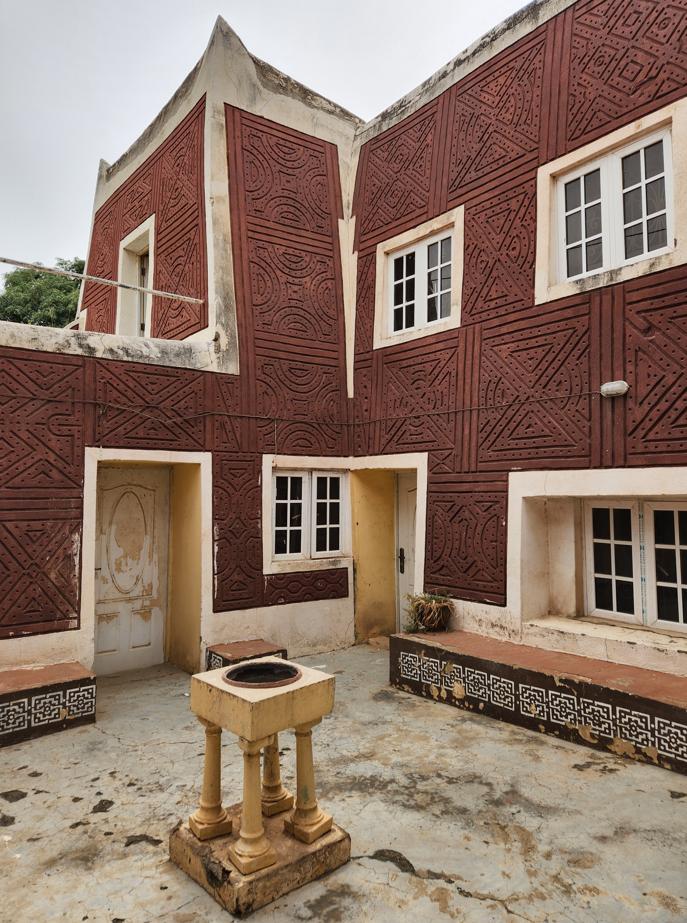
After the procession, we visited the Gidan Makama — the Old Palace Museum — a red mud-brick building of the traditional Hausa type, its exterior surface covered in an all-over relief of geometric carving: interlocking diamonds, lozenges, knot-patterns, and abstract forms pressed into the clay before it dried, the finished surface somewhere between textile and architecture. The building was renovated in 2014; the original structure dates to the fifteenth century, when it served as the palace of the Hausa kings of Kano before the Fulani emirate. Inside, the collections span both dynasties. The Hausa Kings of Kano are represented by sketched portraits running back to the pre-emirate period; the Emirs of Kano, from 1807 to the present, by a mixture of drawings and photographs as the centuries advance. The most recent Emirs — including the deposed Muhammad Sanusi II, whose photograph appeared without comment beside his successor — stare from their frames with the particular impassivity that official portraiture everywhere demands.
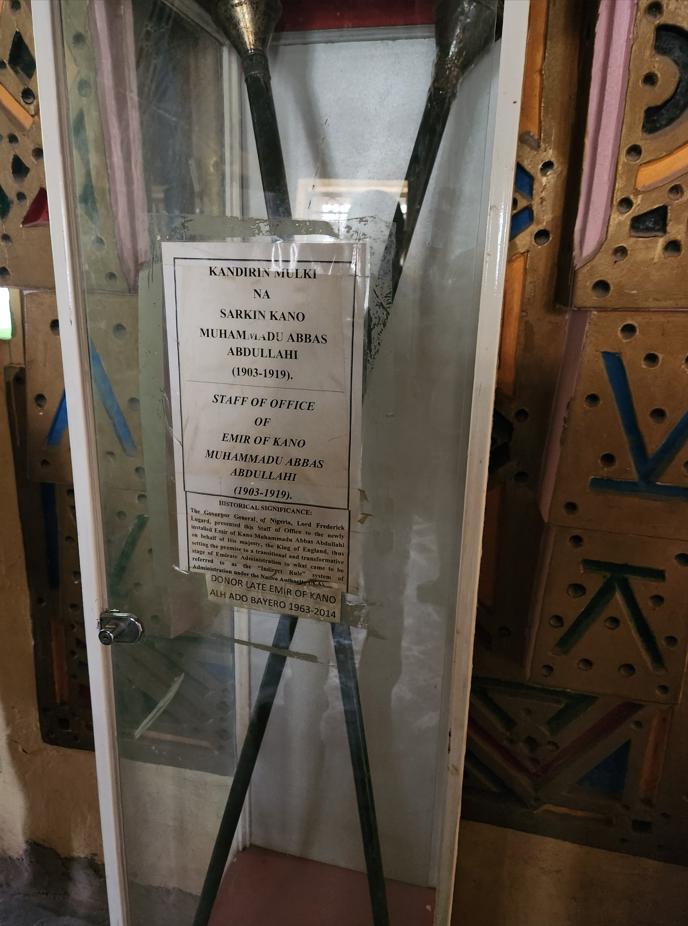
Among the objects in the collection, one stopped me: a display case containing the Kandirin Mulki — the Staff of Office — of Emir Muhammadu Abbas Abdullahi, who reigned from 1903 to 1919. The label explained the staff’s significance with matter-of-fact precision: it was presented to the newly appointed Emir by Lord Frederick Lugard, the first Governor-General of the Protectorate of Northern Nigeria, in 1903 — the year Lugard’s forces took Kano from the Sokoto Caliphate. The presentation of the staff was the formal mechanism by which Lugard invested the Emir with authority under British indirect rule, simultaneously recognising the emirate and subordinating it. The Emir received the staff that confirmed him in his office from the hand of the man who had just conquered his city. The object is small. The history it contains is not.
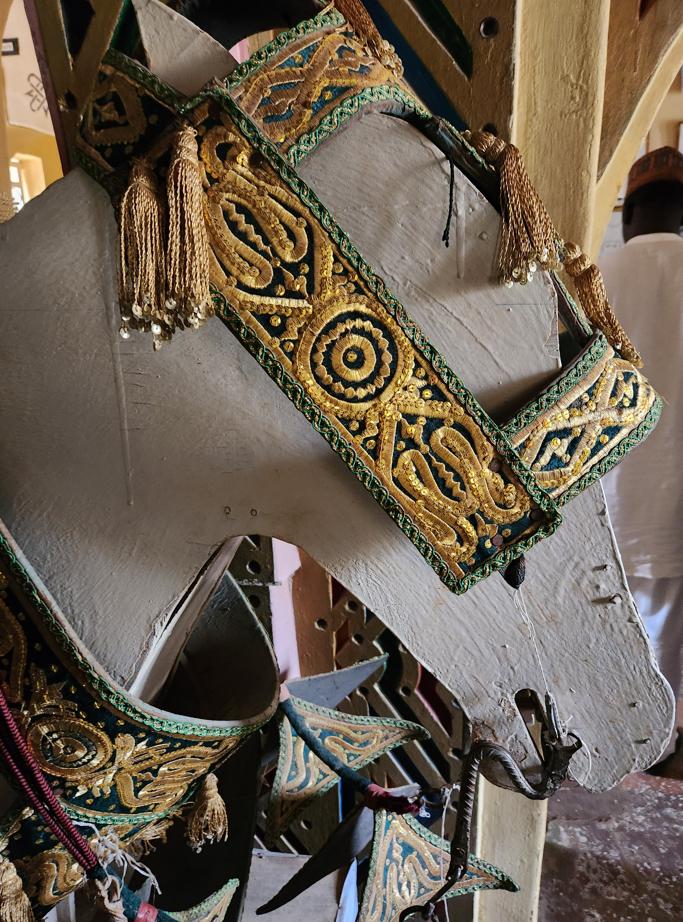
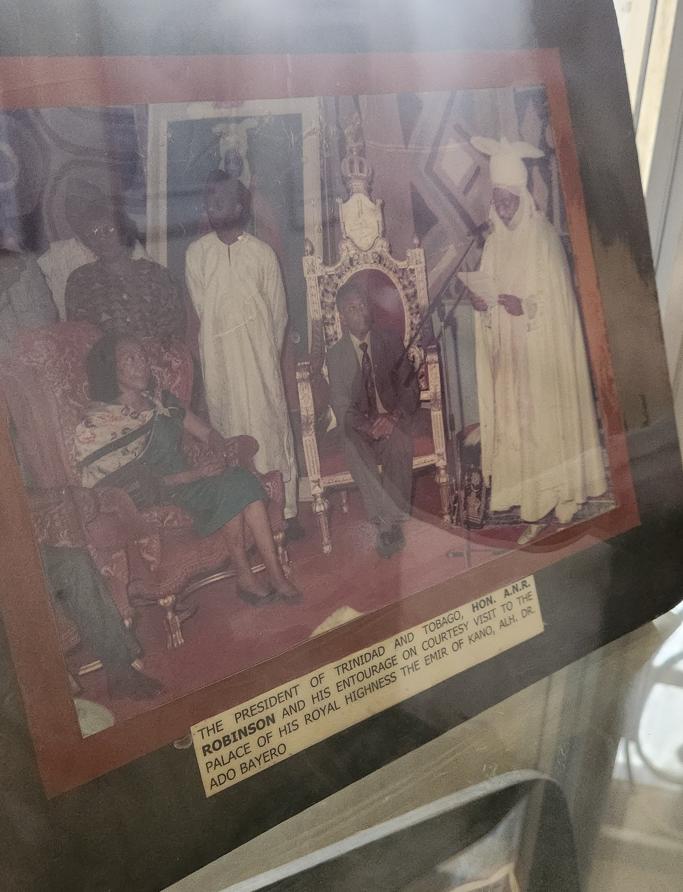
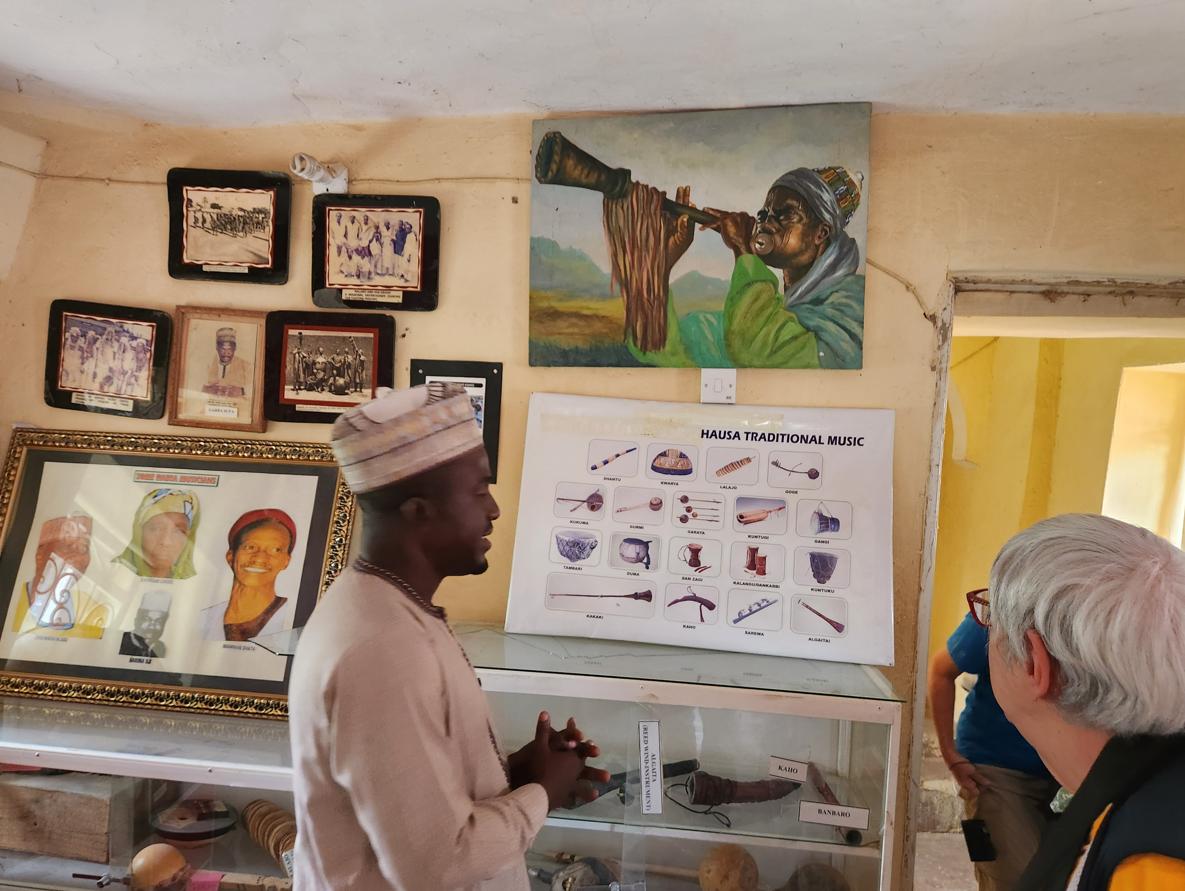
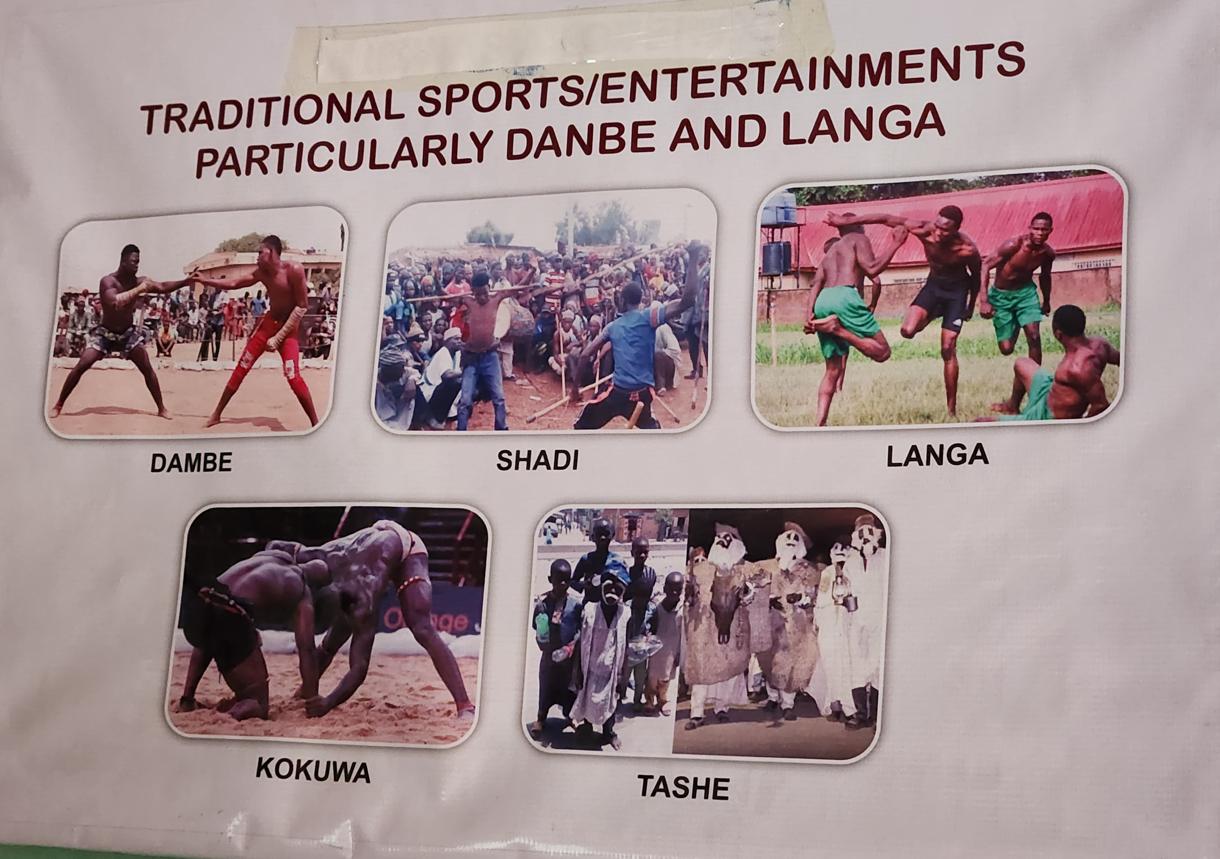
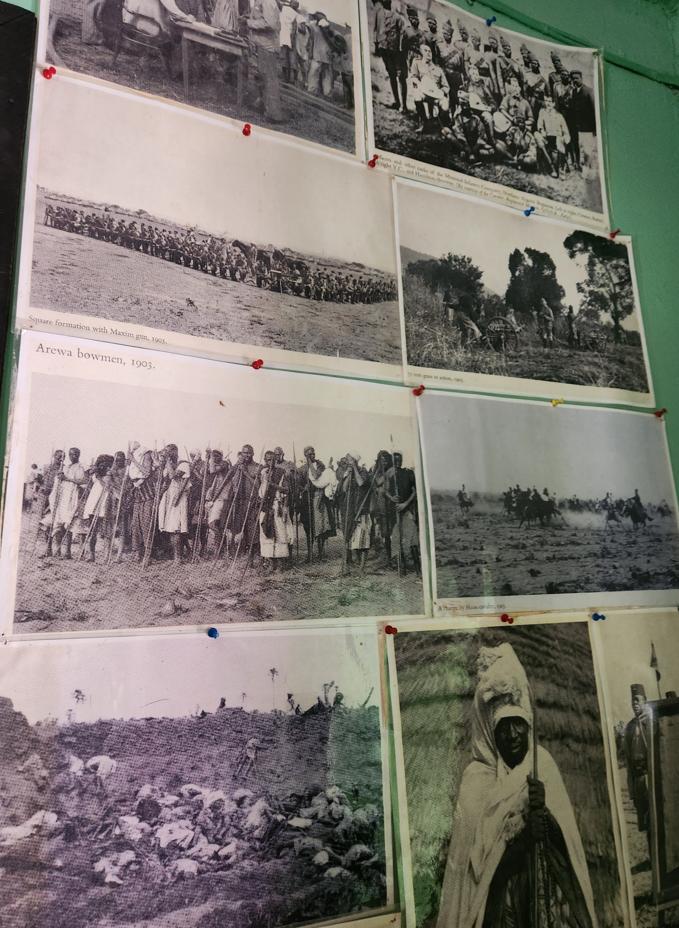
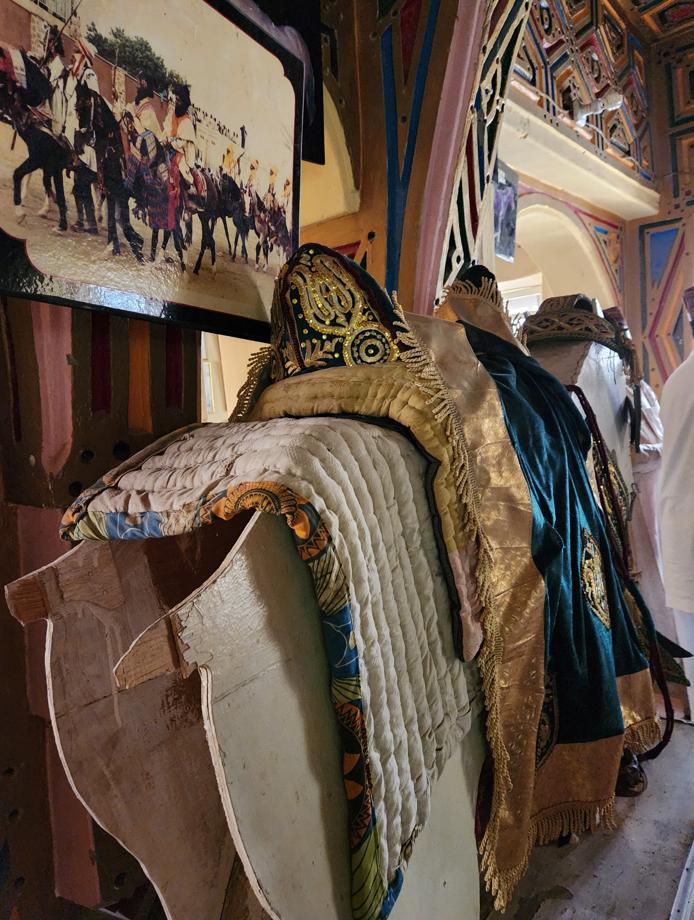
In another room, a wooden horse dummy wore the full caparison of the Durbar: a deep green saddle cloth embroidered in gold, beaded bridle, tasselled chest-piece. Behind it on the wall, a photograph showed Sudanese President Omar El-Bashir seated in audience at the Emir’s Palace, flanked by Nigeria’s military president Ibrahim Babangida and the Military Governor of Kano State. The caption named everyone. The Emir was not named; he was, implicitly, the host — the person in whose palace this meeting of heads of state had taken place, the permanent fixture around which the temporary powers of elected and unelected government arranged themselves. The museum makes this argument quietly, room by room.
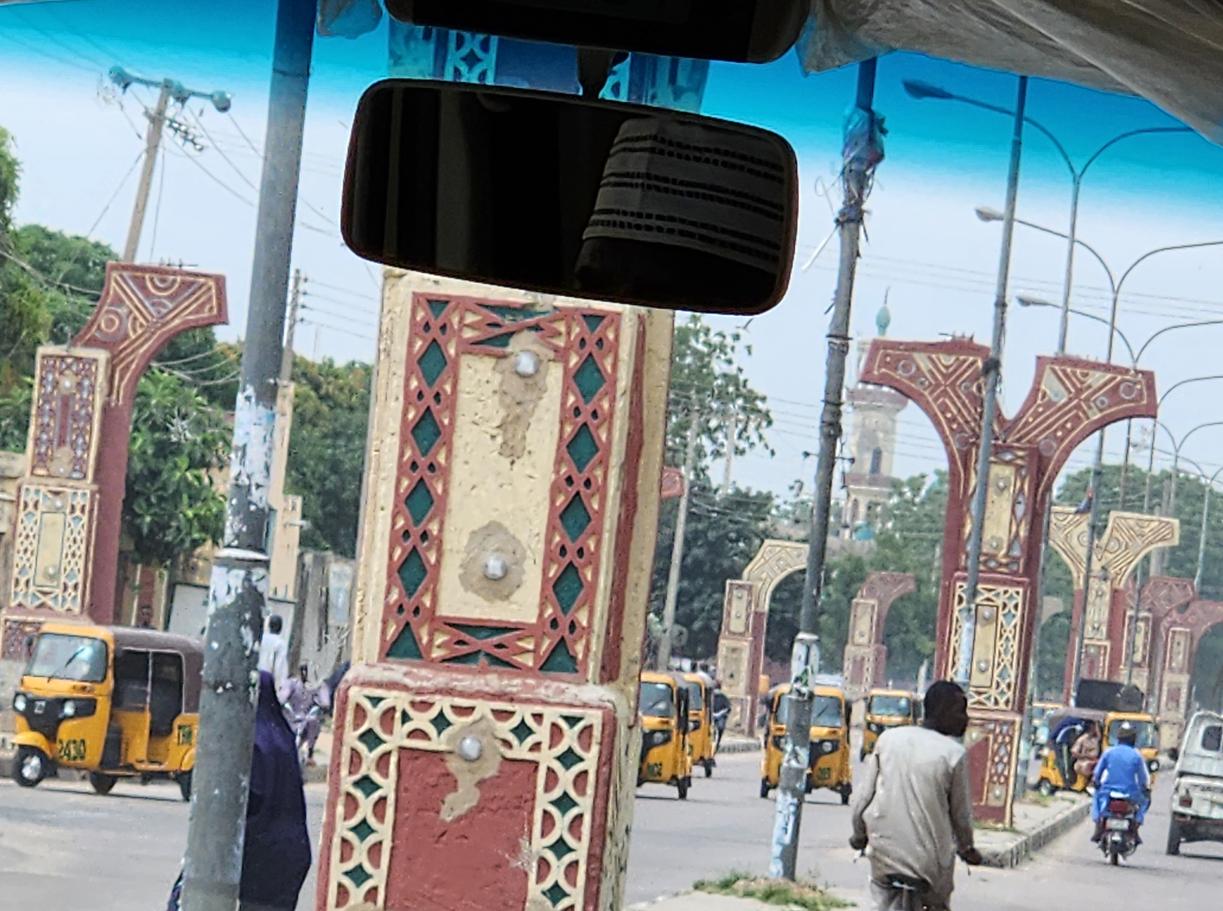
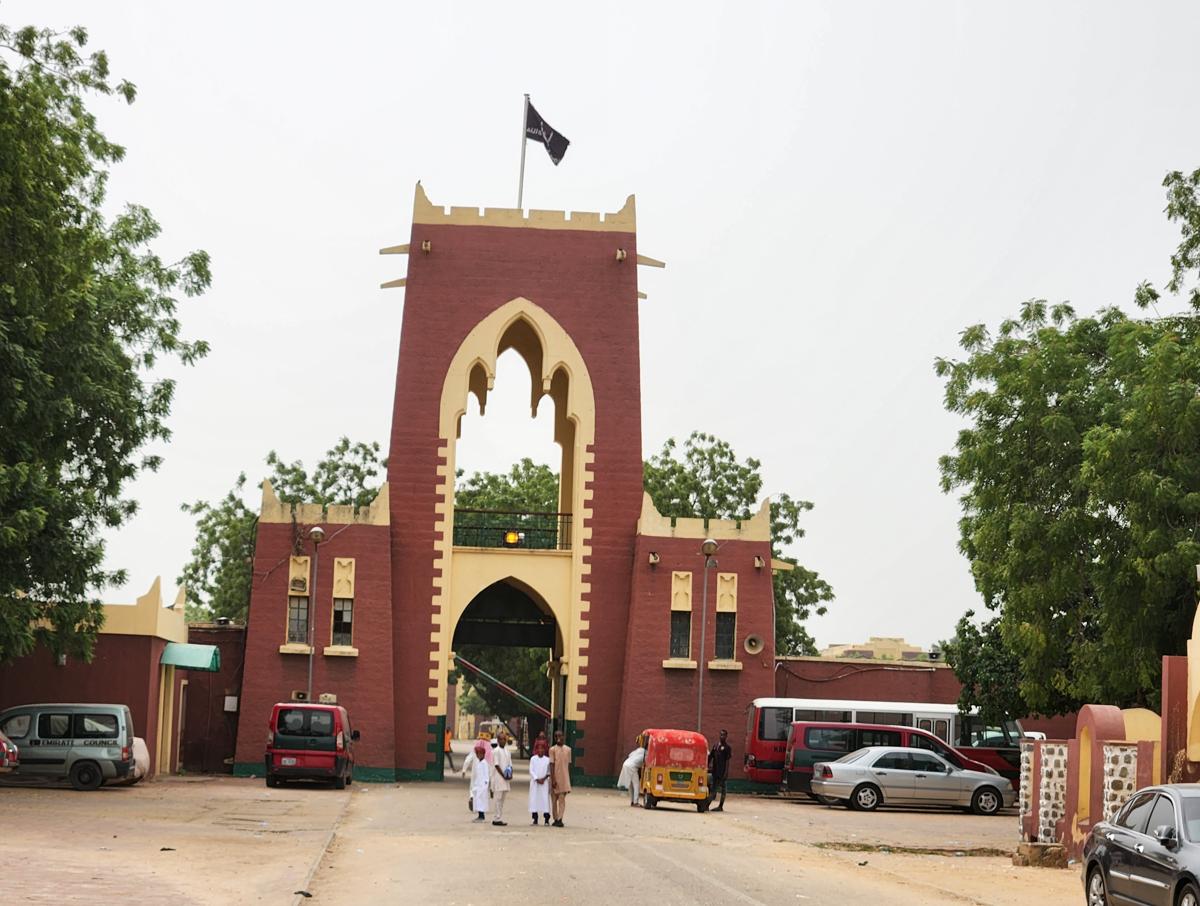
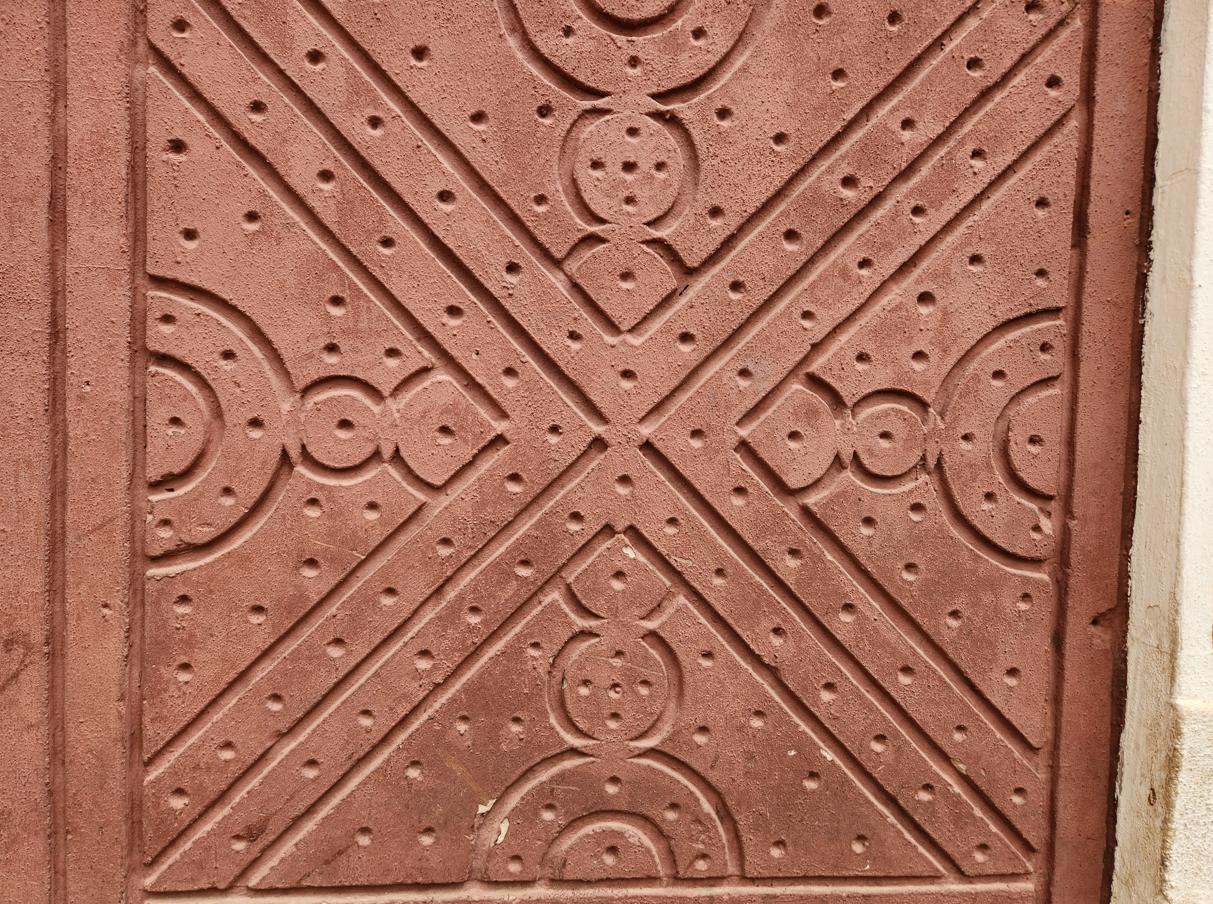
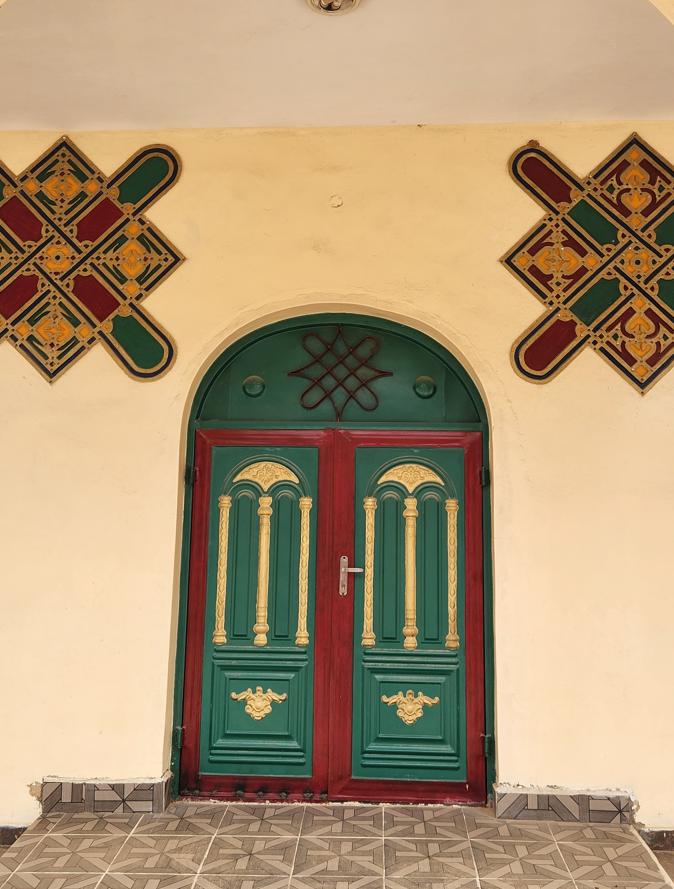
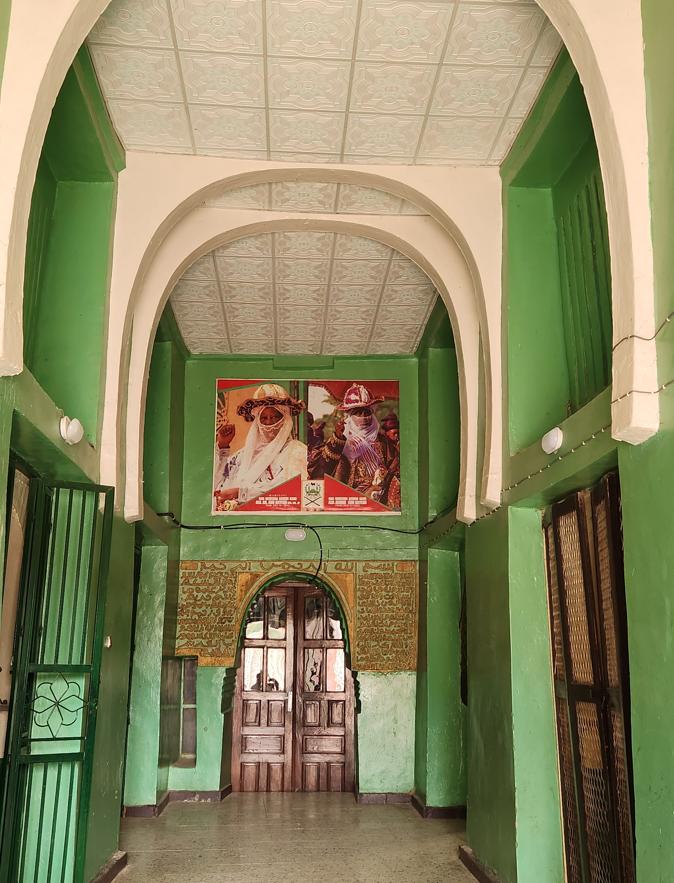
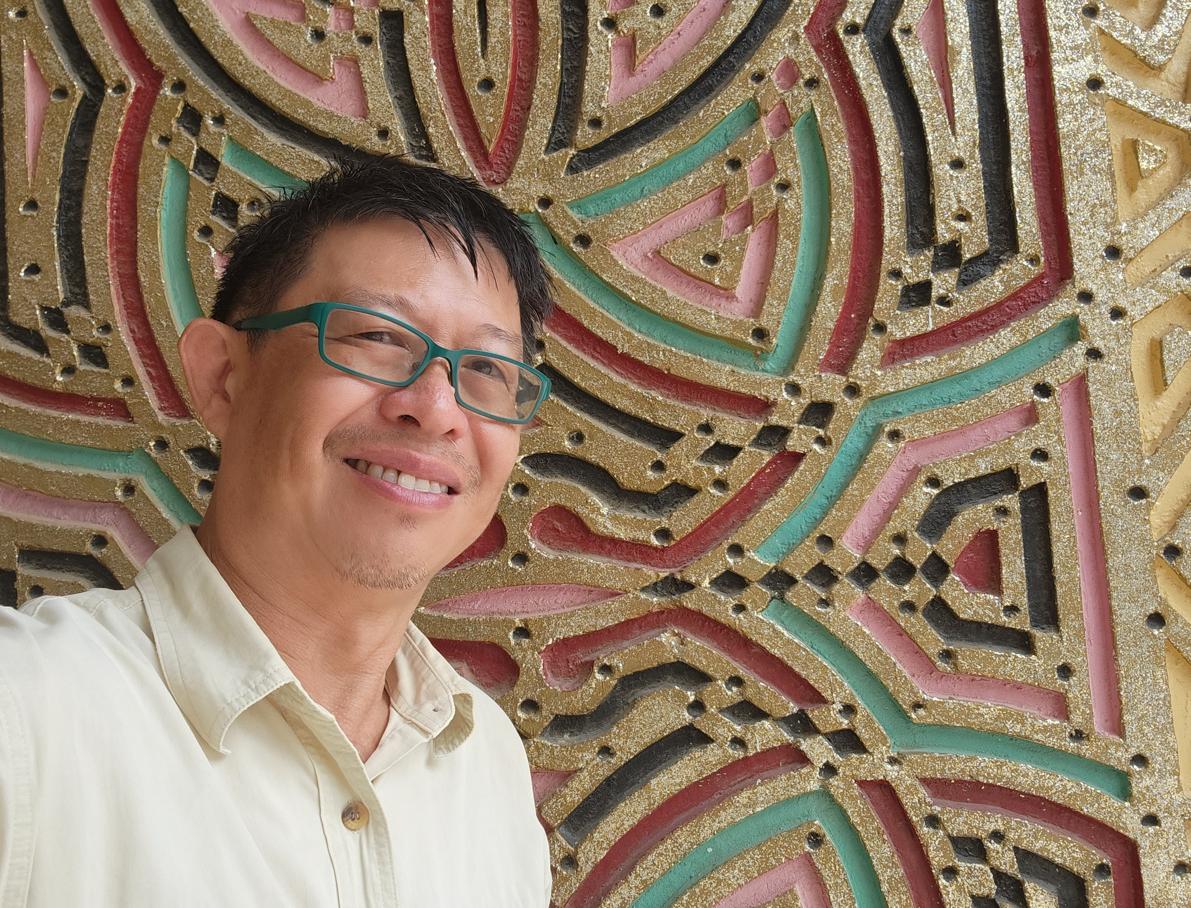
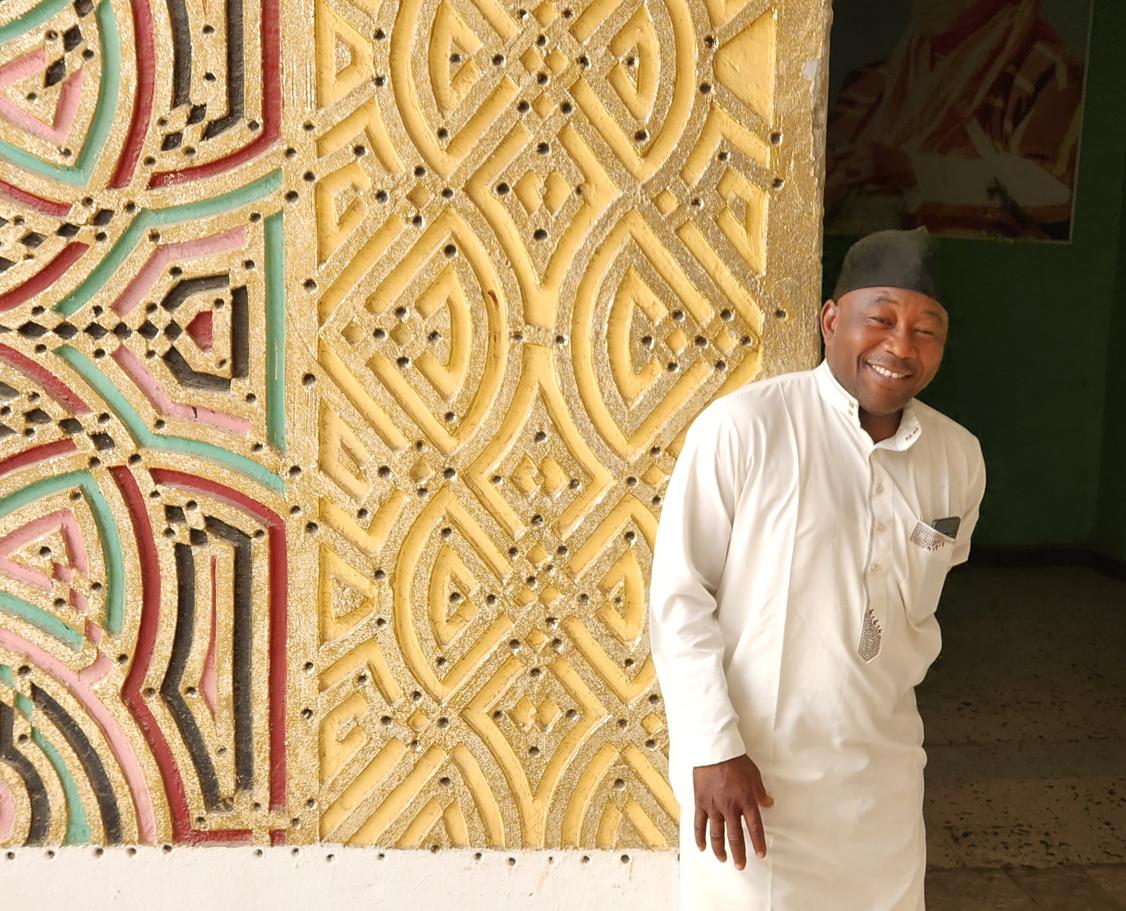
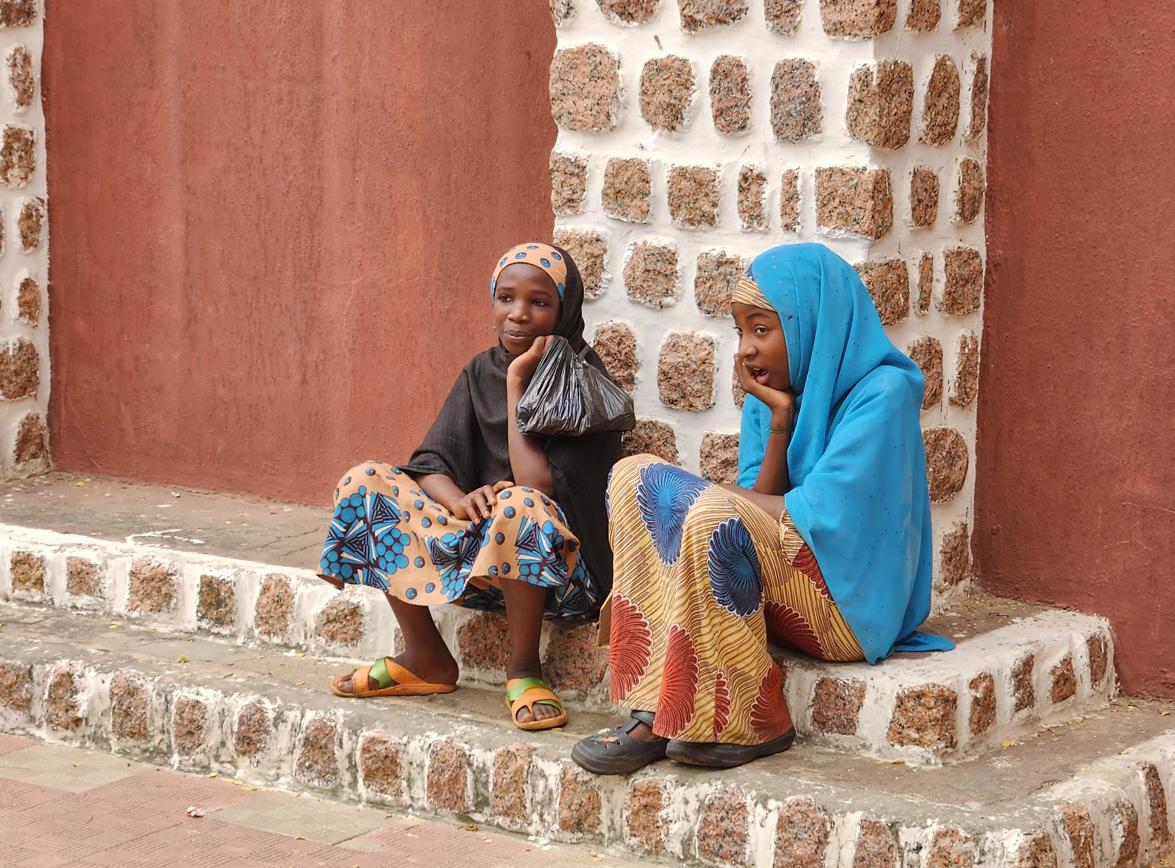
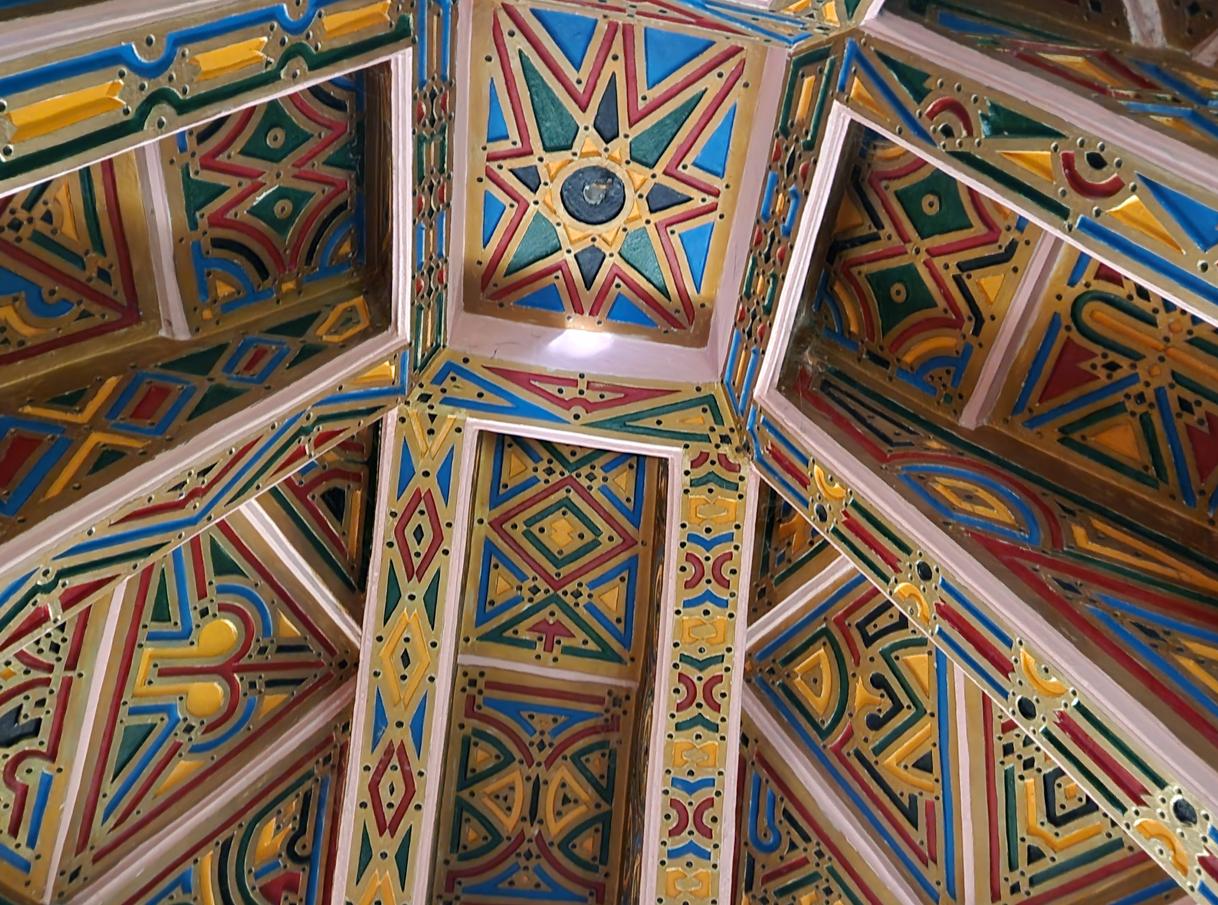
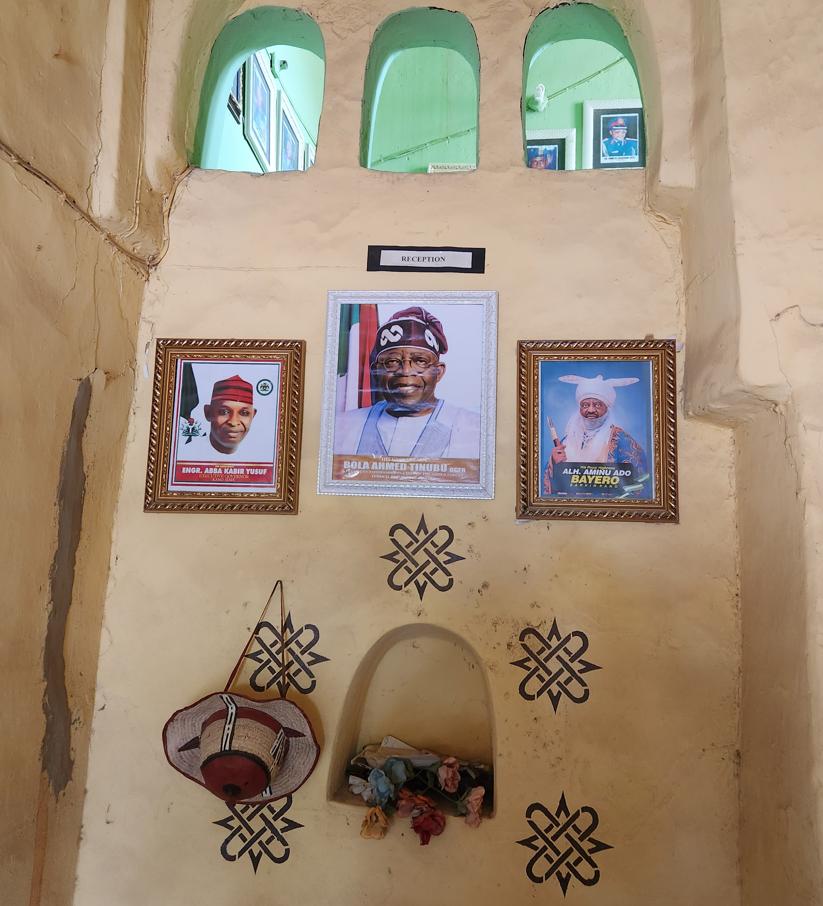
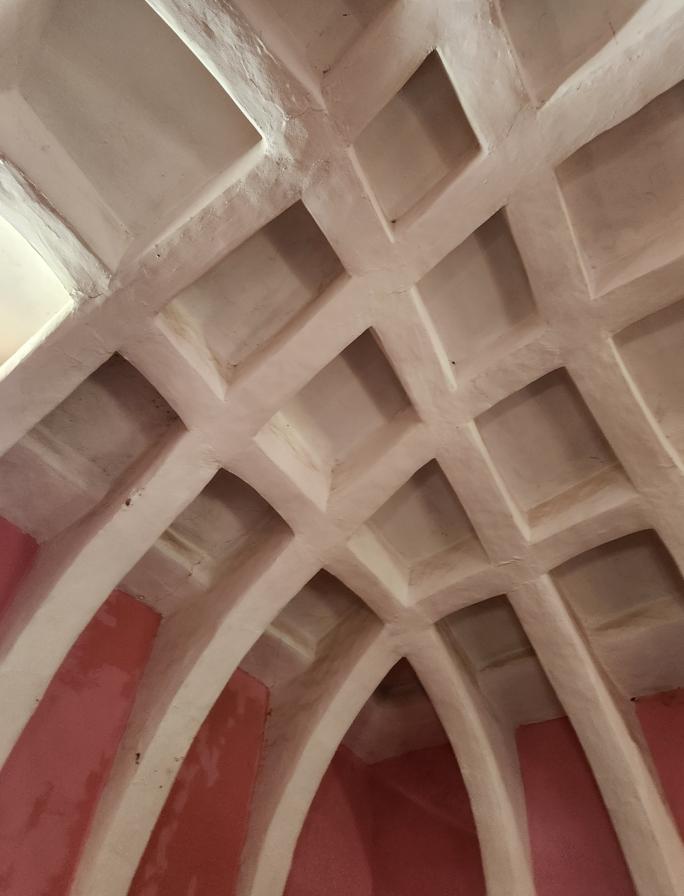
The Emir’s Palace — Gidan Rumfa, built in the late fifteenth century by Sarkin Kano Muhammad Rumfa — is the oldest continuously occupied royal palace in sub-Saharan Africa, or claims to be, and the claim is not obviously challengeable. Its main gate is a red-brick tower with a pointed Moorish arch and crenellated battlements, a black flag flying from the top. Inside, the reception chambers are covered in polychrome geometric relief that covers every surface — walls, ceilings, door frames — in dense interlocking patterns of gold, red, green, and white. The current Emir, Alhaji Aminu Ado Bayero, appointed in 2020 after the deposition of his predecessor Muhammad Sanusi II, looks out from framed photographs mounted throughout the complex, always in white robes and the distinctive spread-topped turban of the Sarkin Kano. In the reception hall, a barrel vault painted entirely in dense black-and-white geometric patterns — spirals, triangles, concentric forms — arches overhead with the authority of a cathedral ceiling applied to a visual language that owes nothing to Europe and everything to the trans-Saharan world of which Kano was, for centuries, the southern anchor. A man in white robes stood on the red carpet in the centre of the room. I did not ask who he was. Some presences are better left undisturbed.
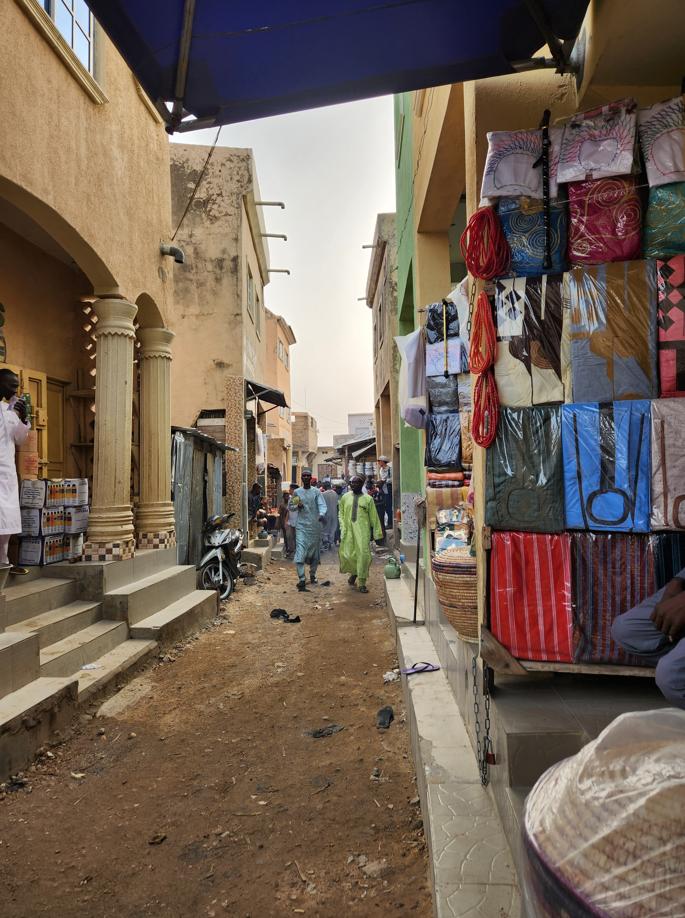
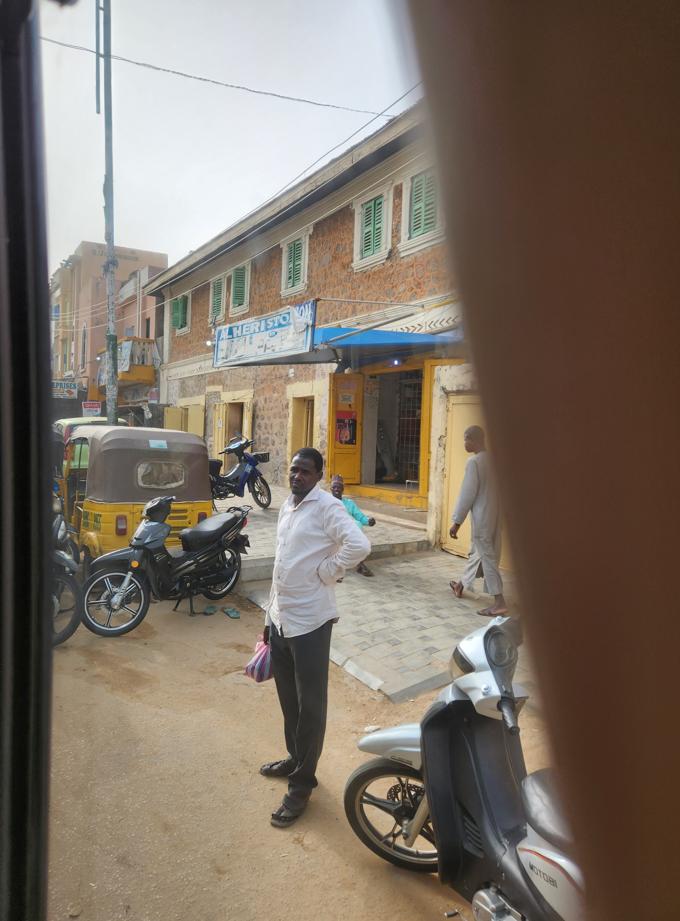
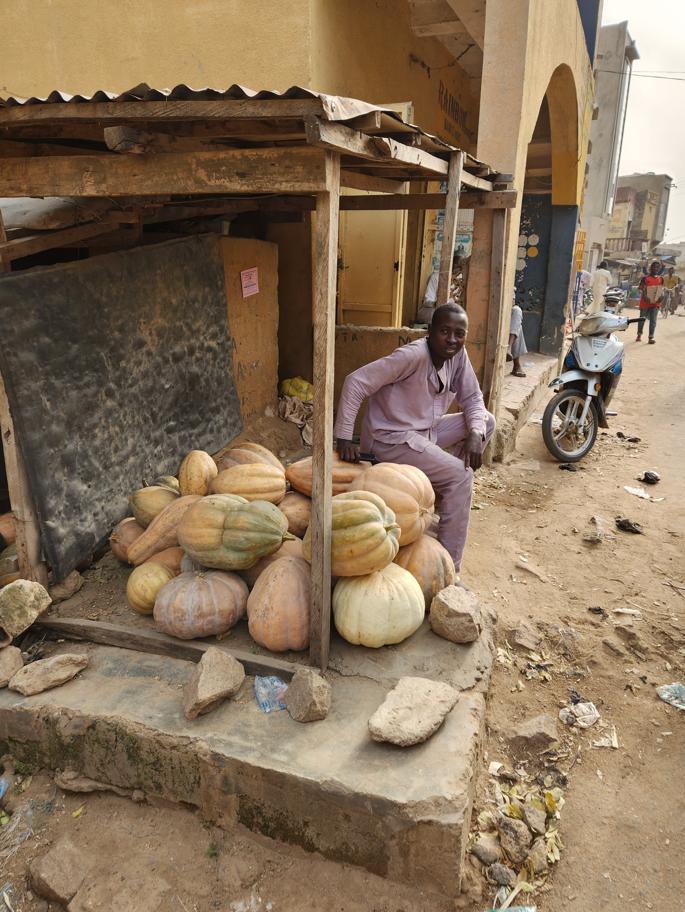
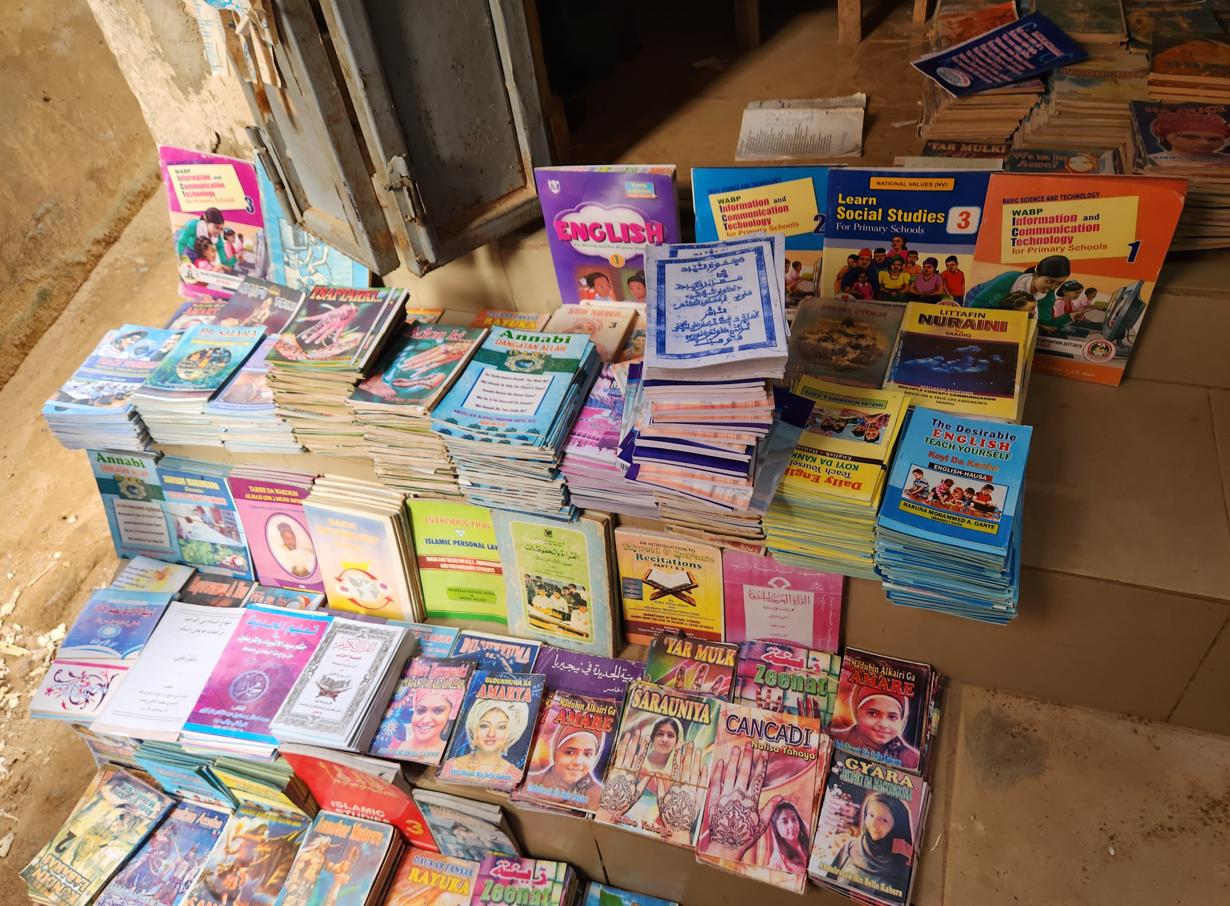
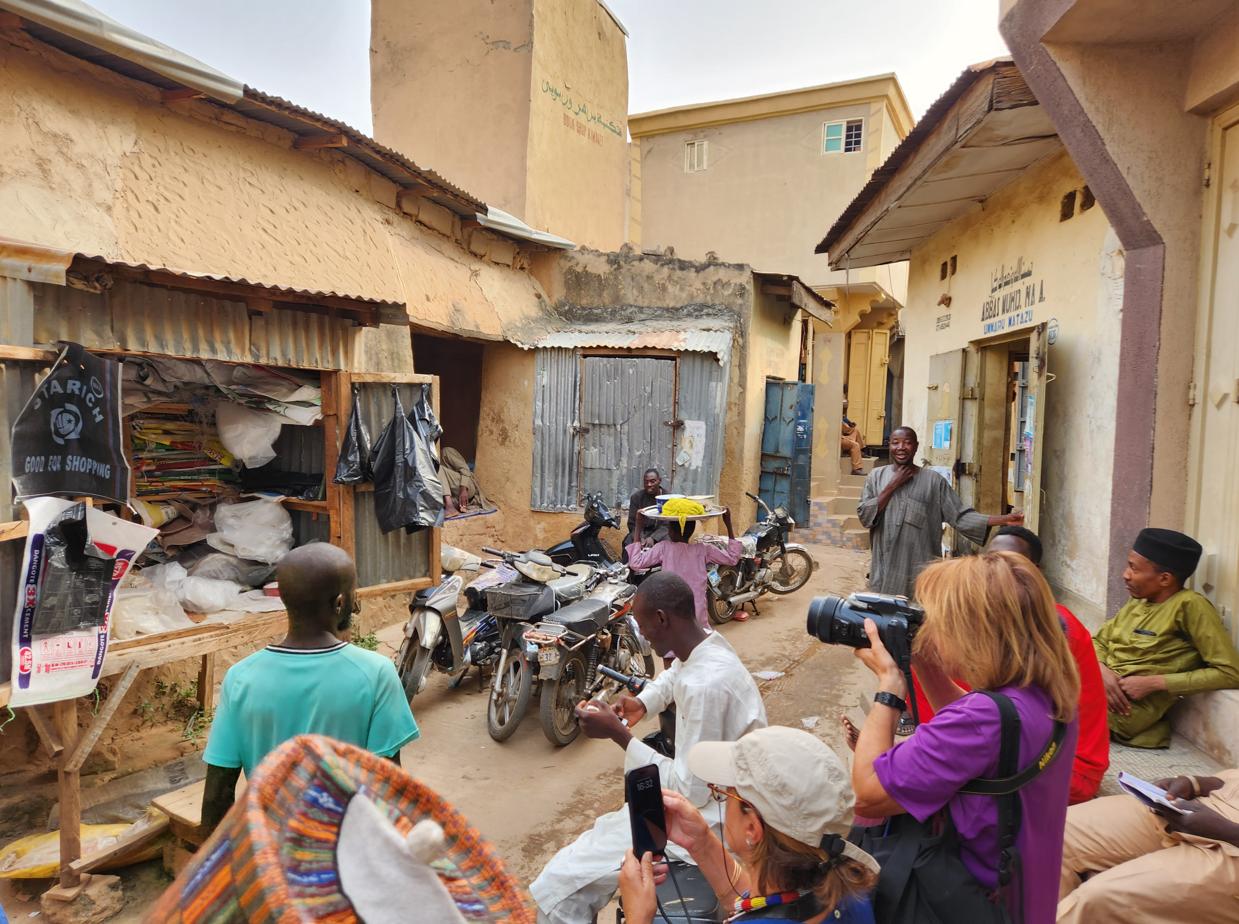
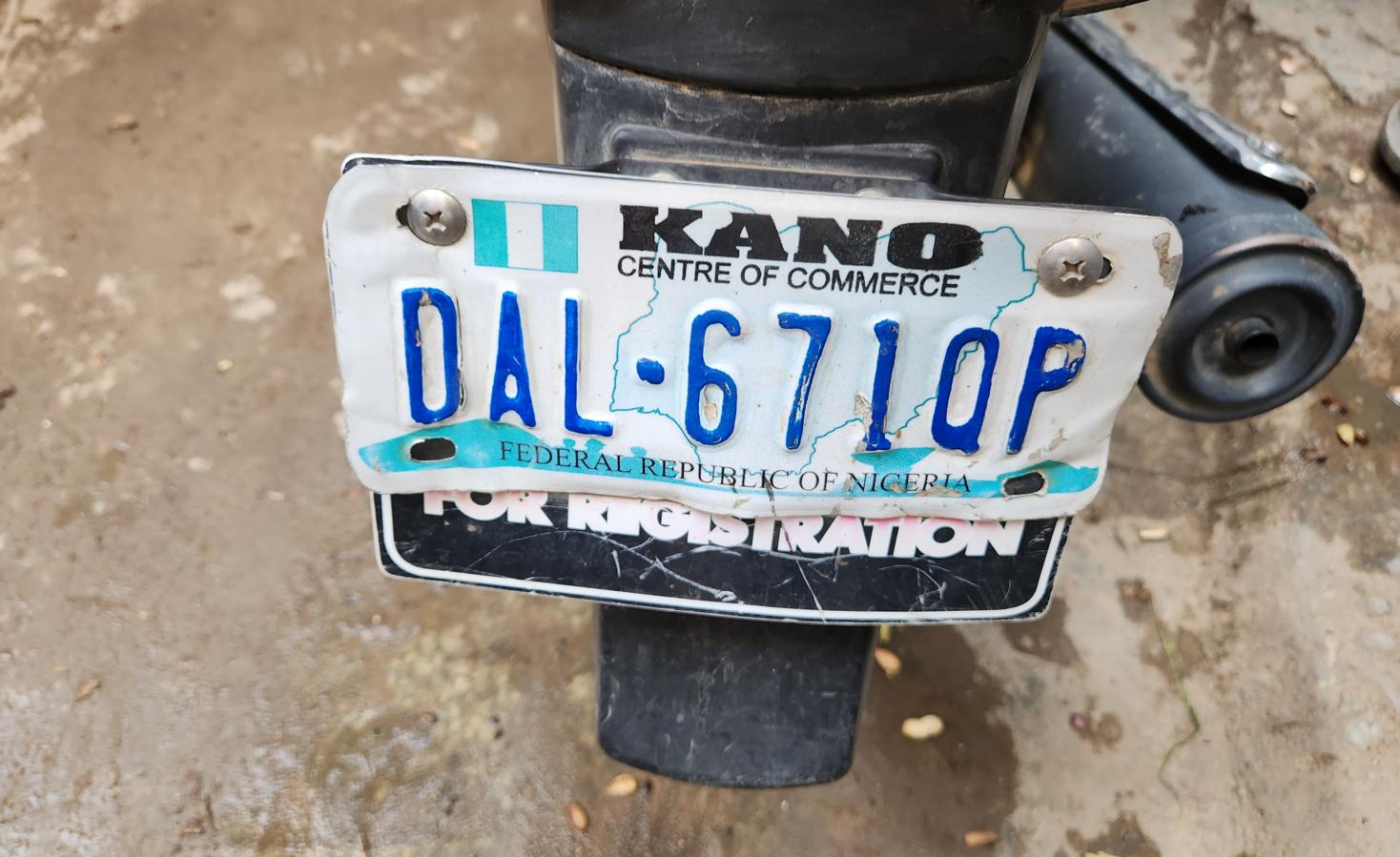
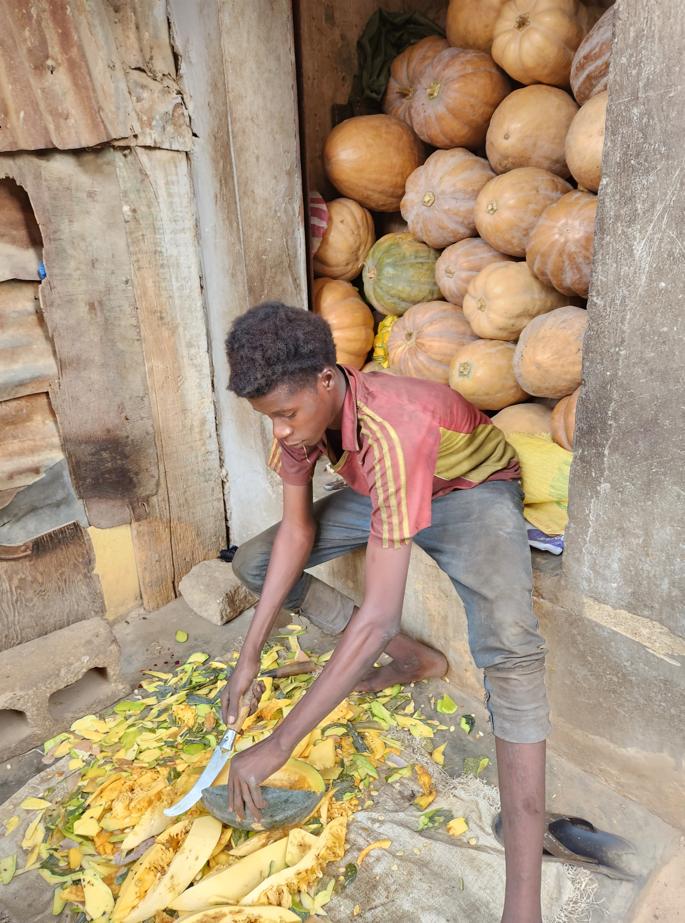
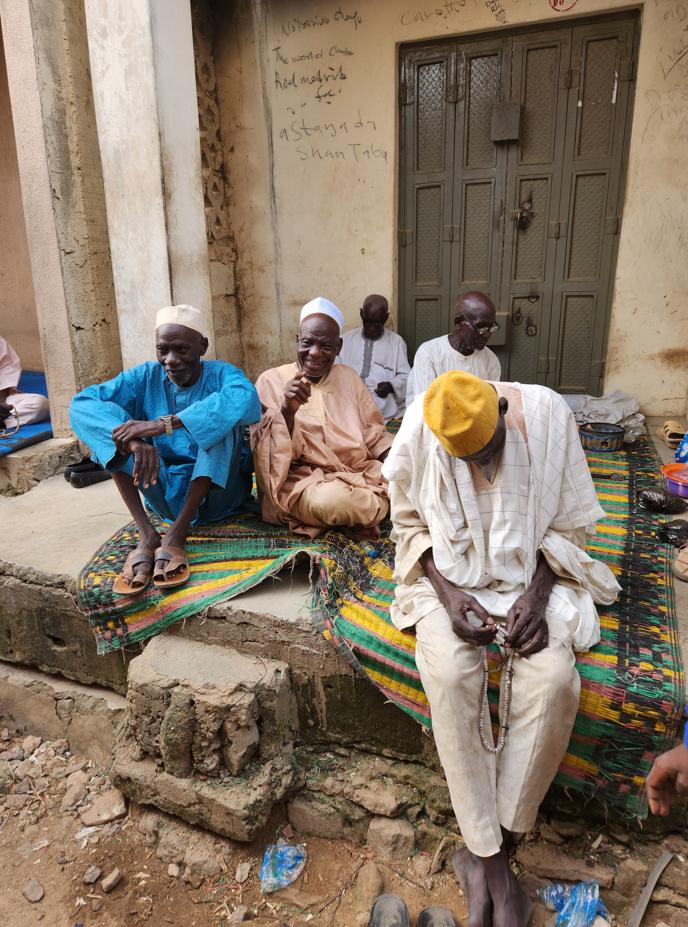
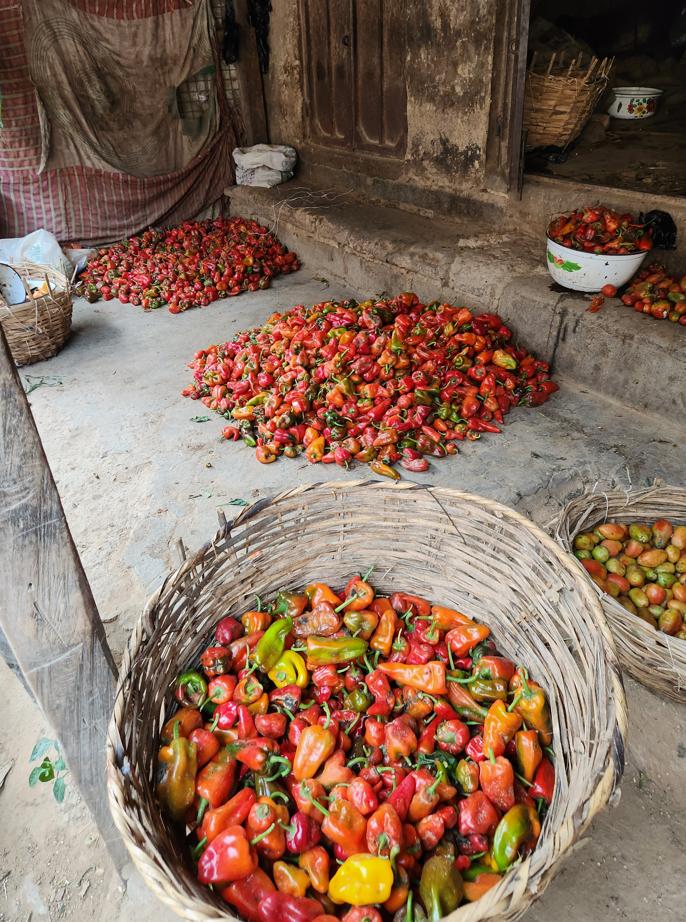
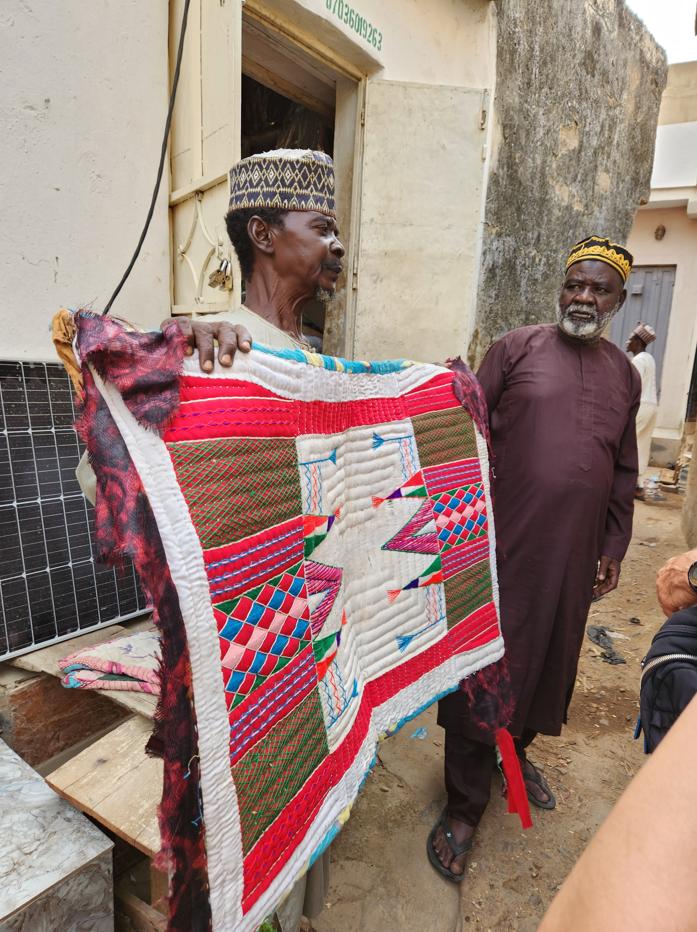
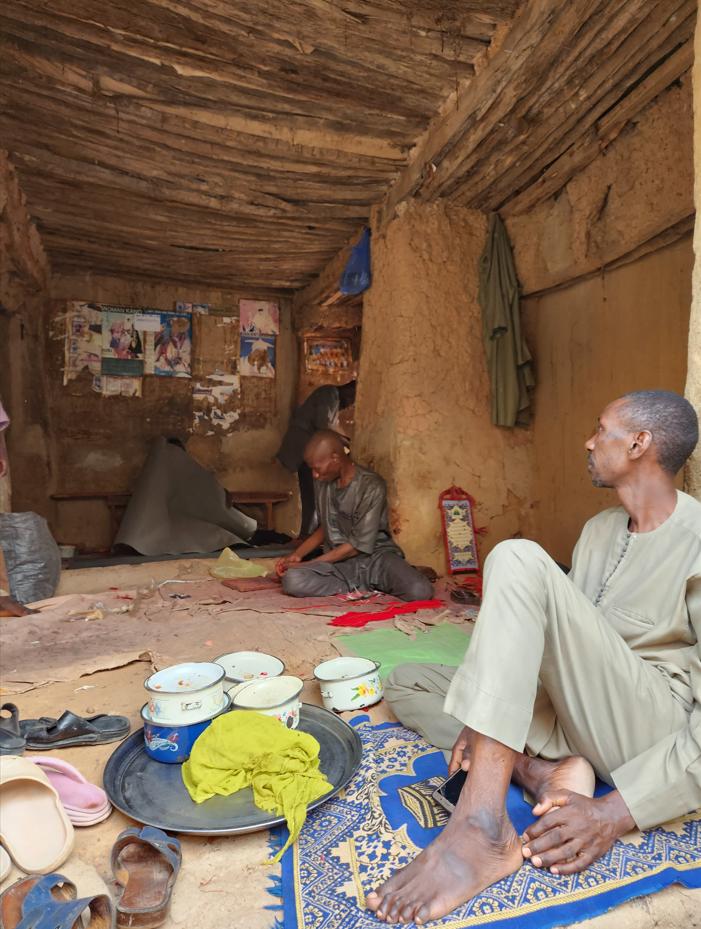
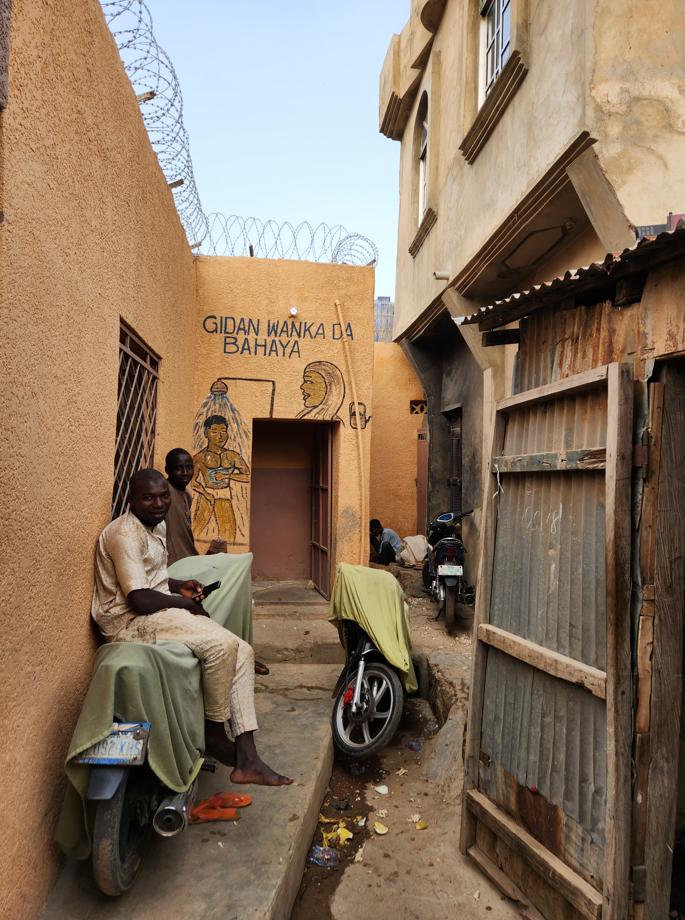
The Kurmi Market occupies the ground immediately outside the palace walls, as it has for five centuries. It is the oldest market in West Africa in continuous operation — a covered bazaar of some eight thousand stalls, its lanes barely wide enough for two people to pass, its goods ranging from the quotidian to the extraordinary. We passed through the spice section first: Scotch bonnets and small red chillies heaped in wicker baskets and piled in loose mounds on concrete platforms, their colours — orange, red, green — precise and saturated as a painting. The pepper of the south has its source here; every meal I had eaten in the preceding days traced its heat back to places like this. Further in, a bookstall: primary school textbooks in Hausa and English, Islamic primers, children’s readers, all stacked in towers on rough wooden shelves behind a woven grass wall, presided over by no one visible. A man in copper-brown robes sat in a doorway with a needle and thread, stitching an embroidered pouch with the unhurried concentration of someone for whom the market is not a destination but a place of work, as it is for everyone around him and has been for several hundred years.
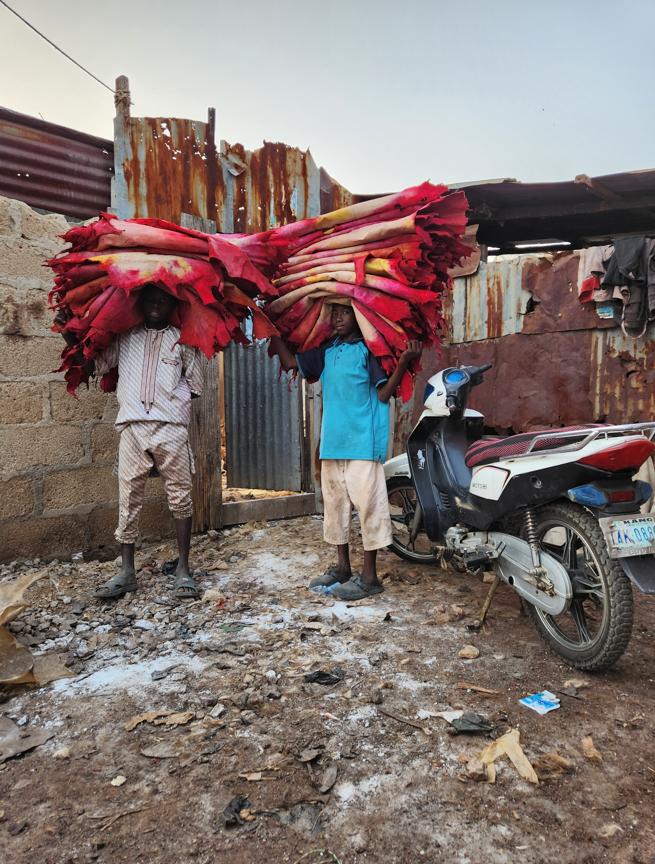
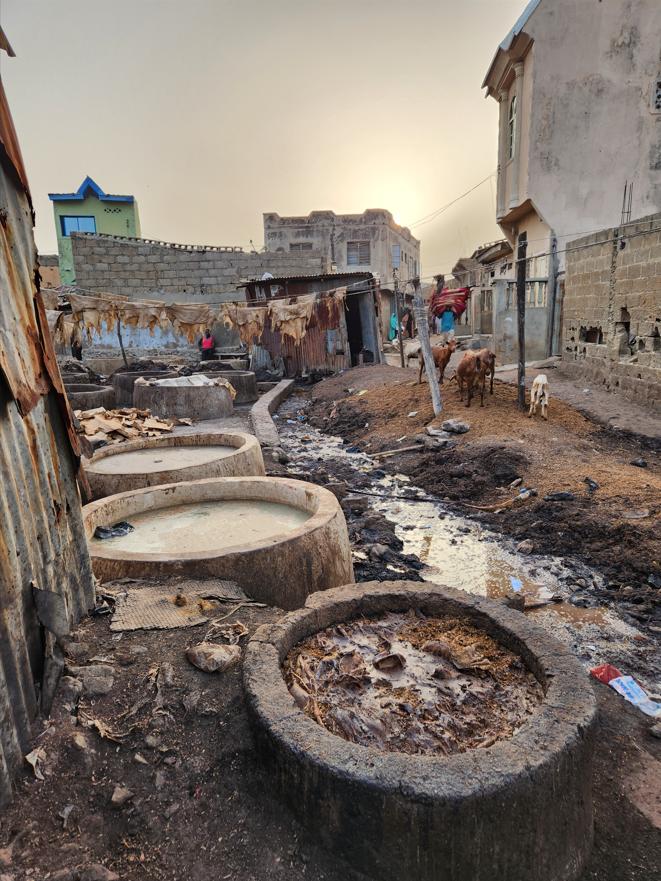
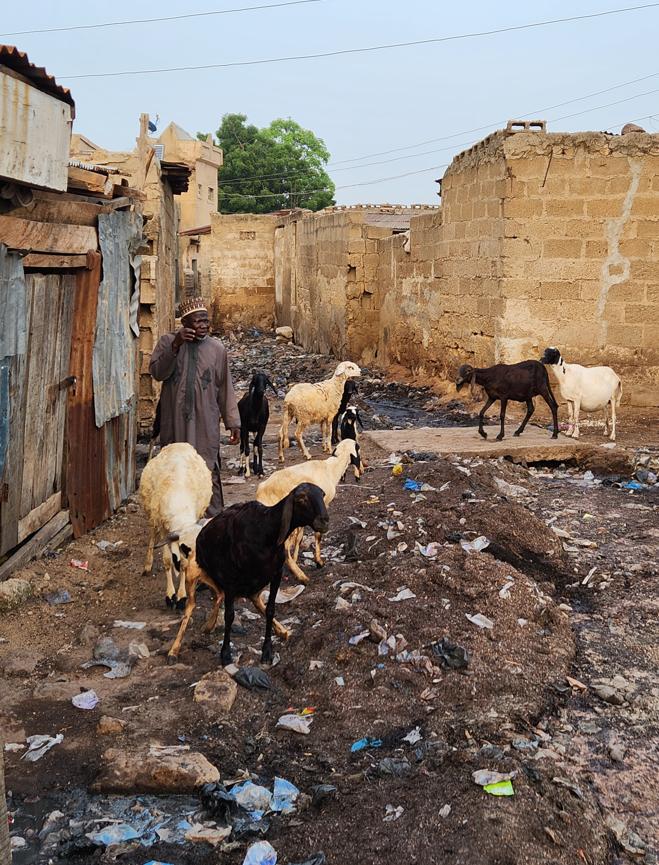
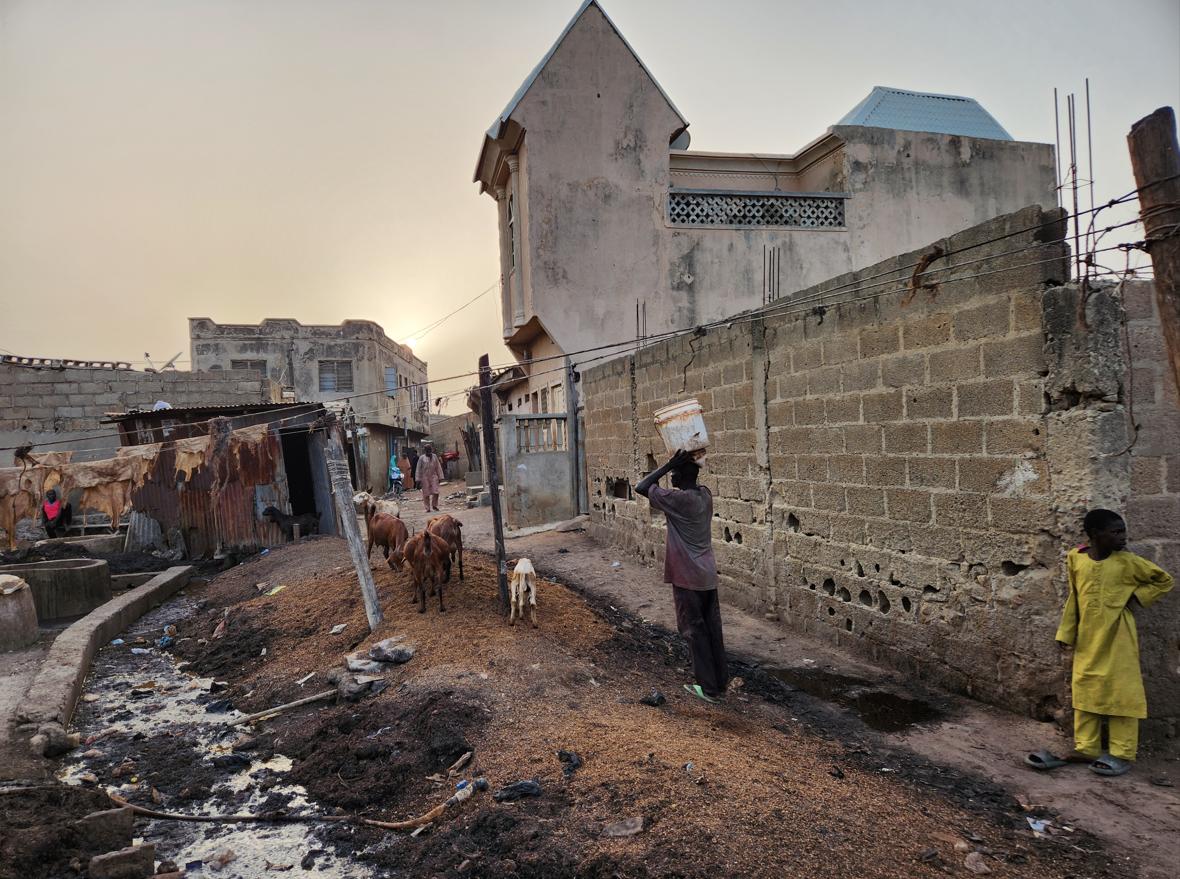
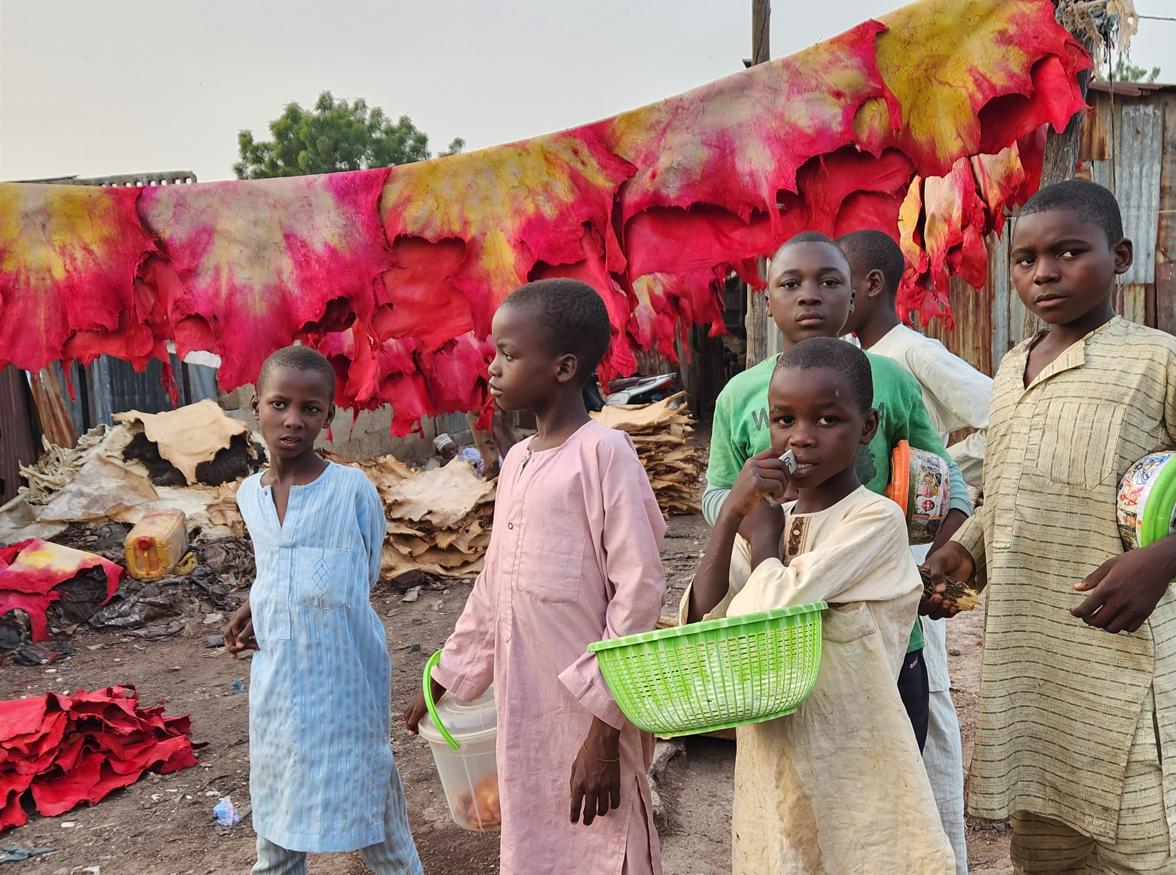
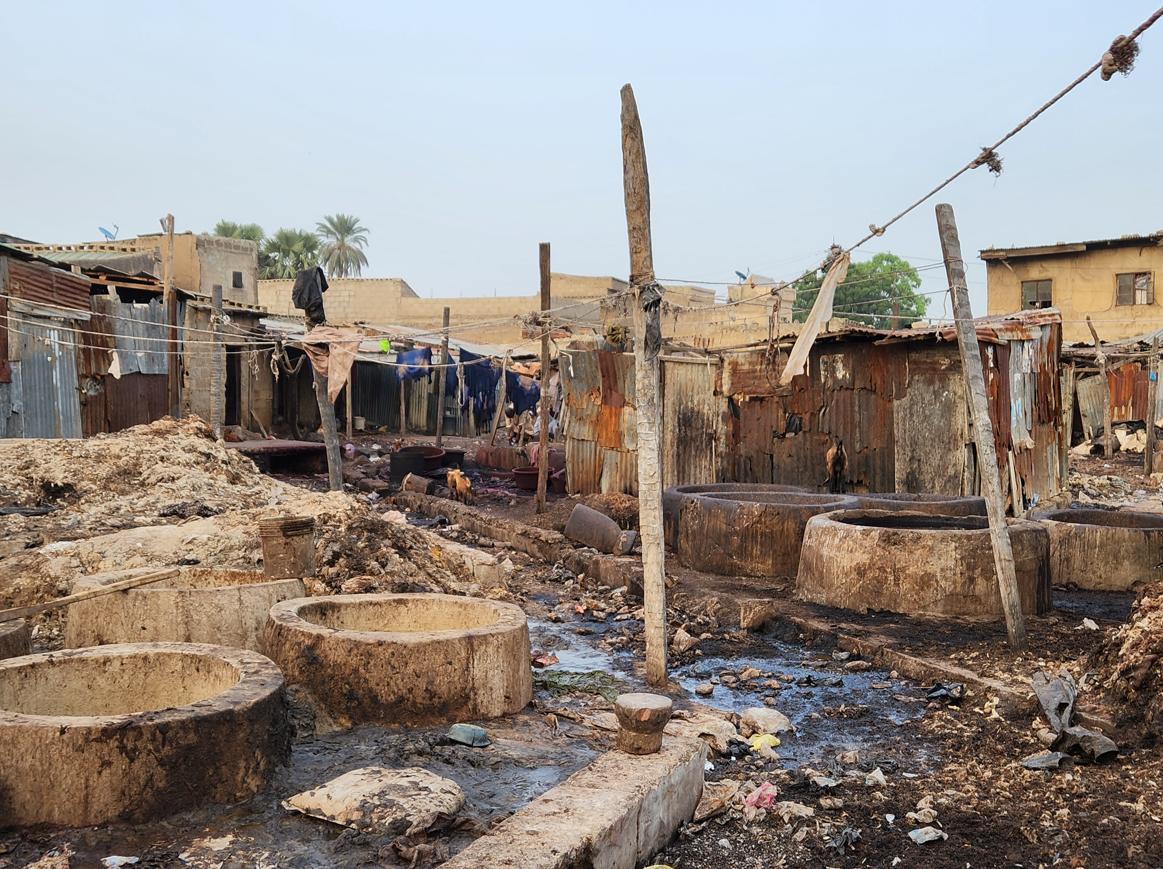
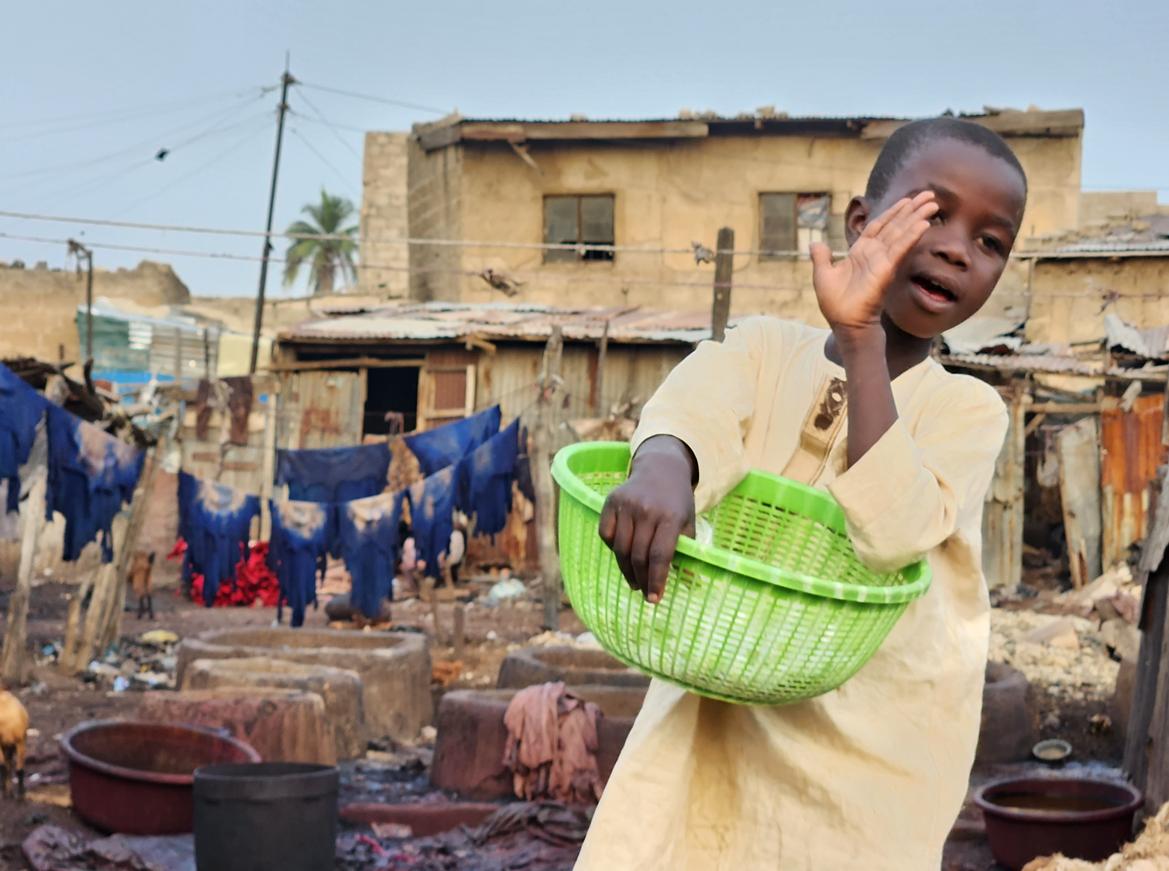
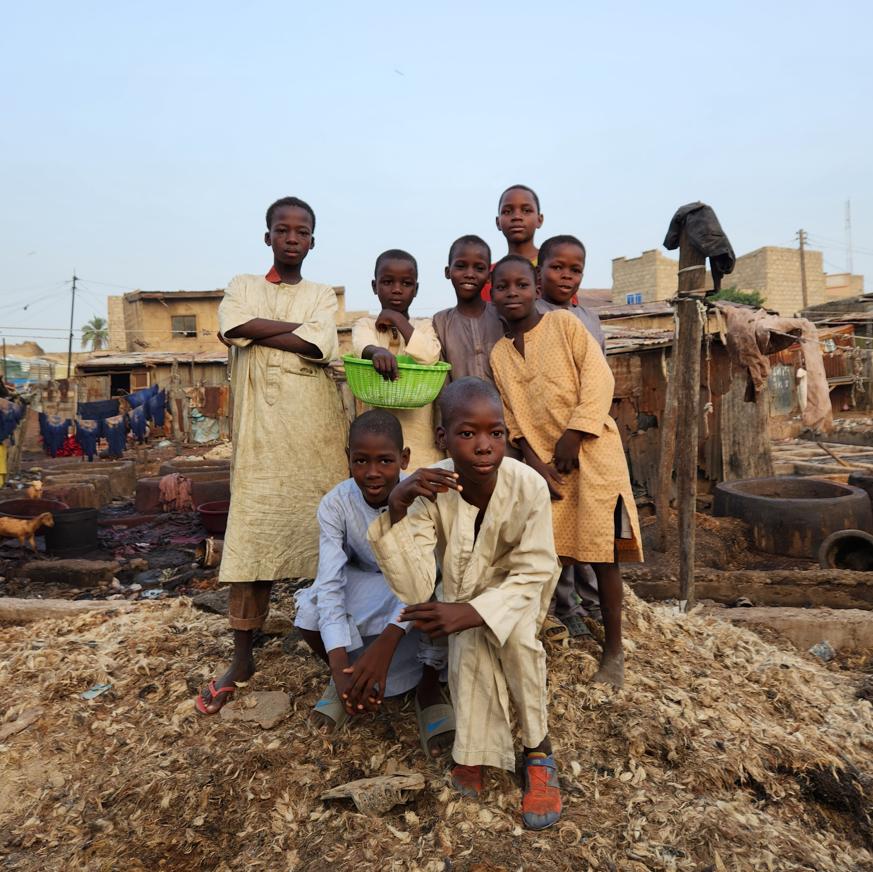
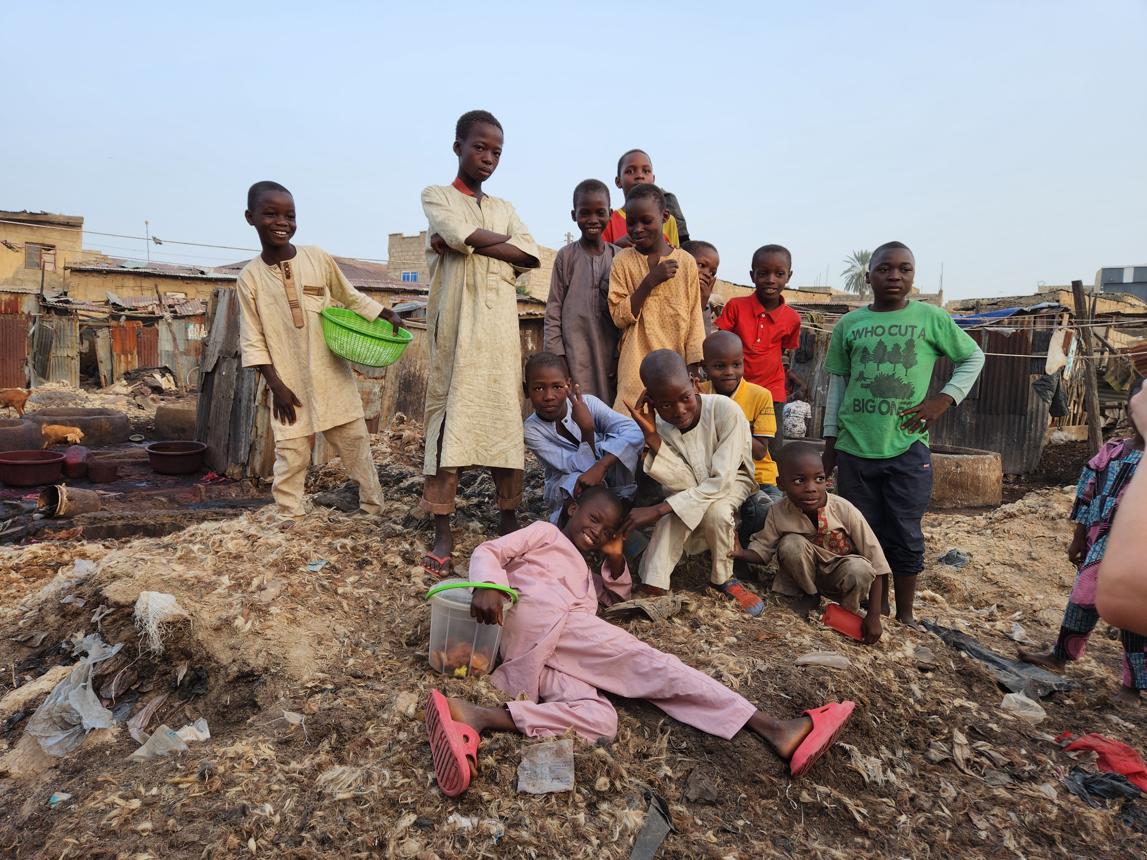
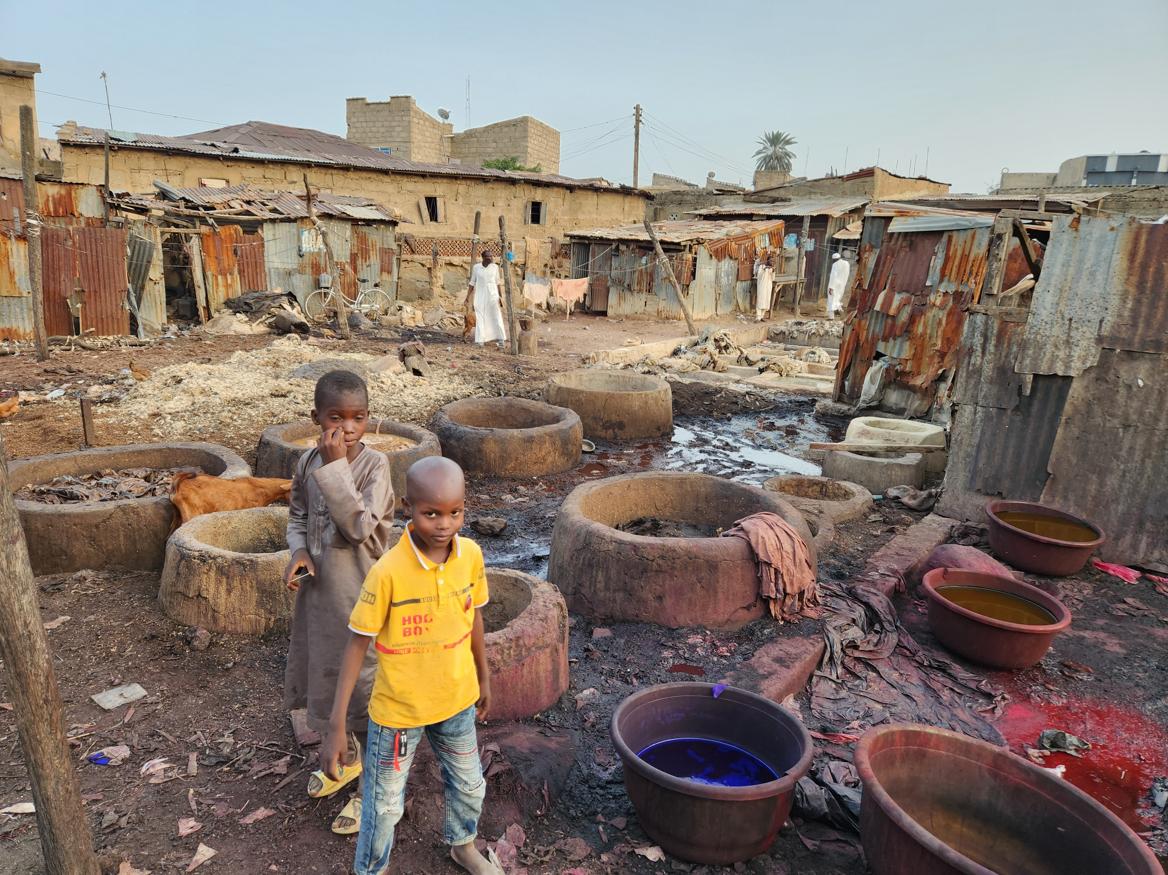
We went to the Kofar Mata dye pits at dusk, when the light was doing the most work it could with the available material. The pits are among the oldest working indigo dye works in Africa, in continuous use for over five hundred years. They are circular stone vats of varying sizes, some milky with fresh solution, others crusted and dark from decades of use, arranged in irregular clusters across a compound of beaten earth and effluent. Hides — cattle, sheep, and less identifiable animals — hung on wooden racks to dry, their surfaces coloured from bone-white through tobacco-yellow to a vivid magenta-pink that had no business looking as it did against the grey sky.
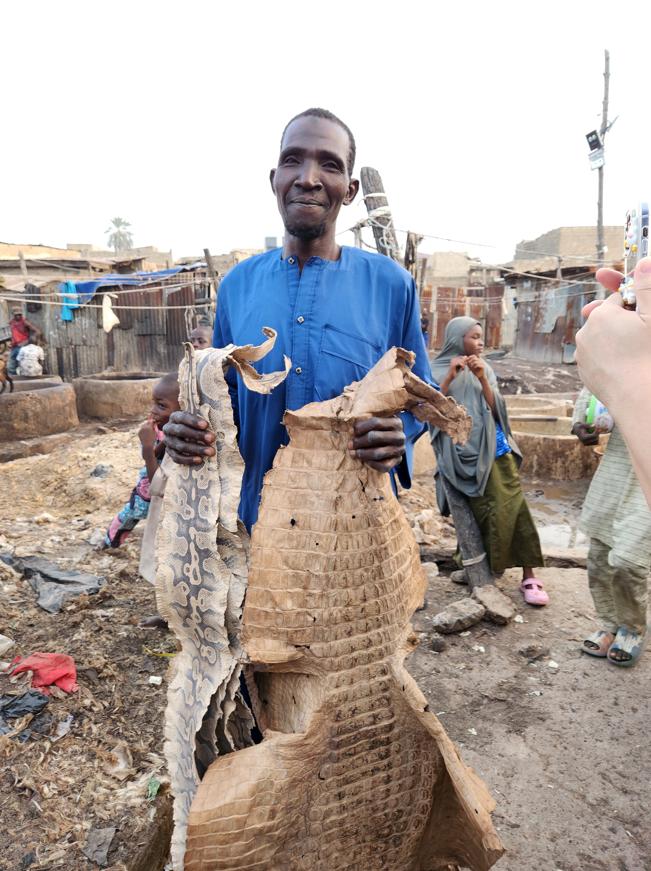
A man in blue held up two skins for sale: a large crocodile hide, its scales intact, and what appeared to be a python skin, patterned. Both the legality and the supply chain of these were questions I did not pursue. Around the pits, children moved through the late-afternoon light — one boy in cream robes carrying a green plastic basket, hand raised toward the camera, behind him the blue cloth hung to dry and the mud-brick ruins of the working quarter. He looked as if he had been born into this landscape, which he had. The smell of the indigo, fermented and alkaline and ancient, hung over everything.
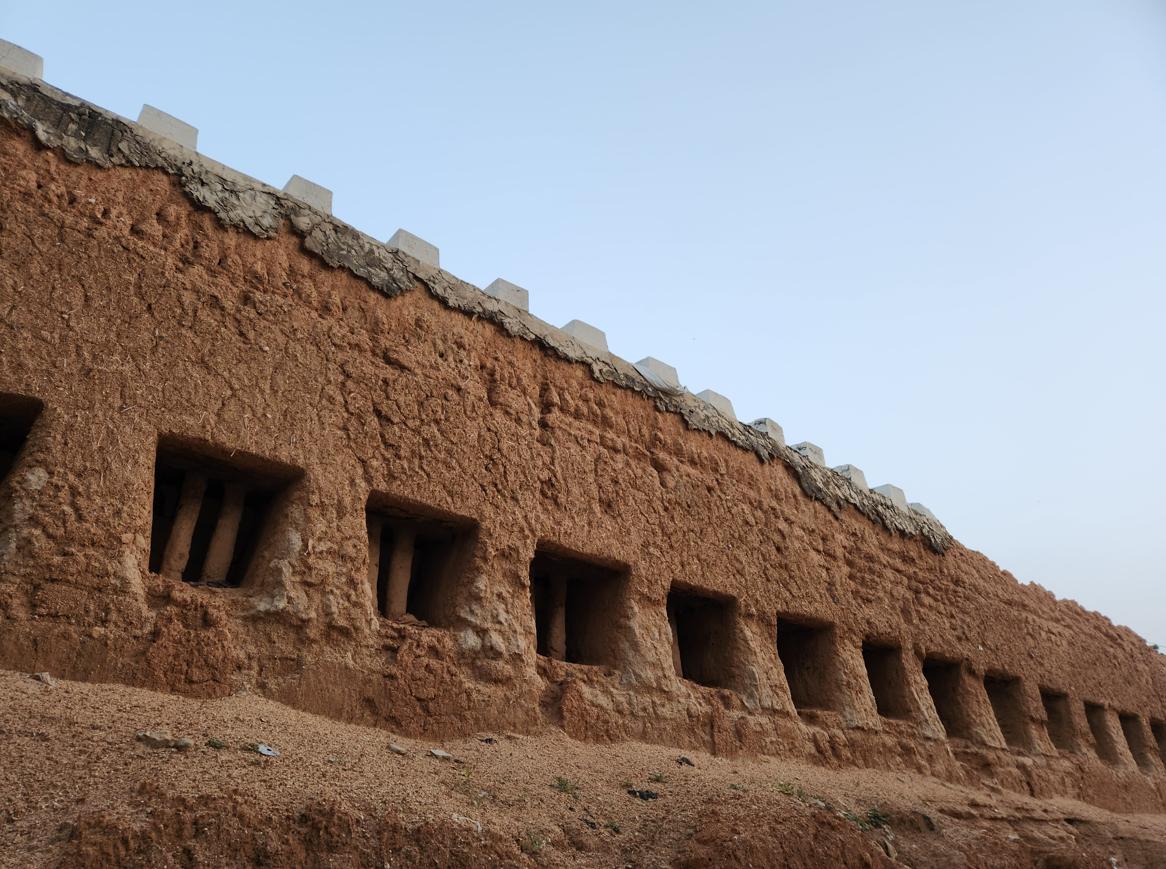
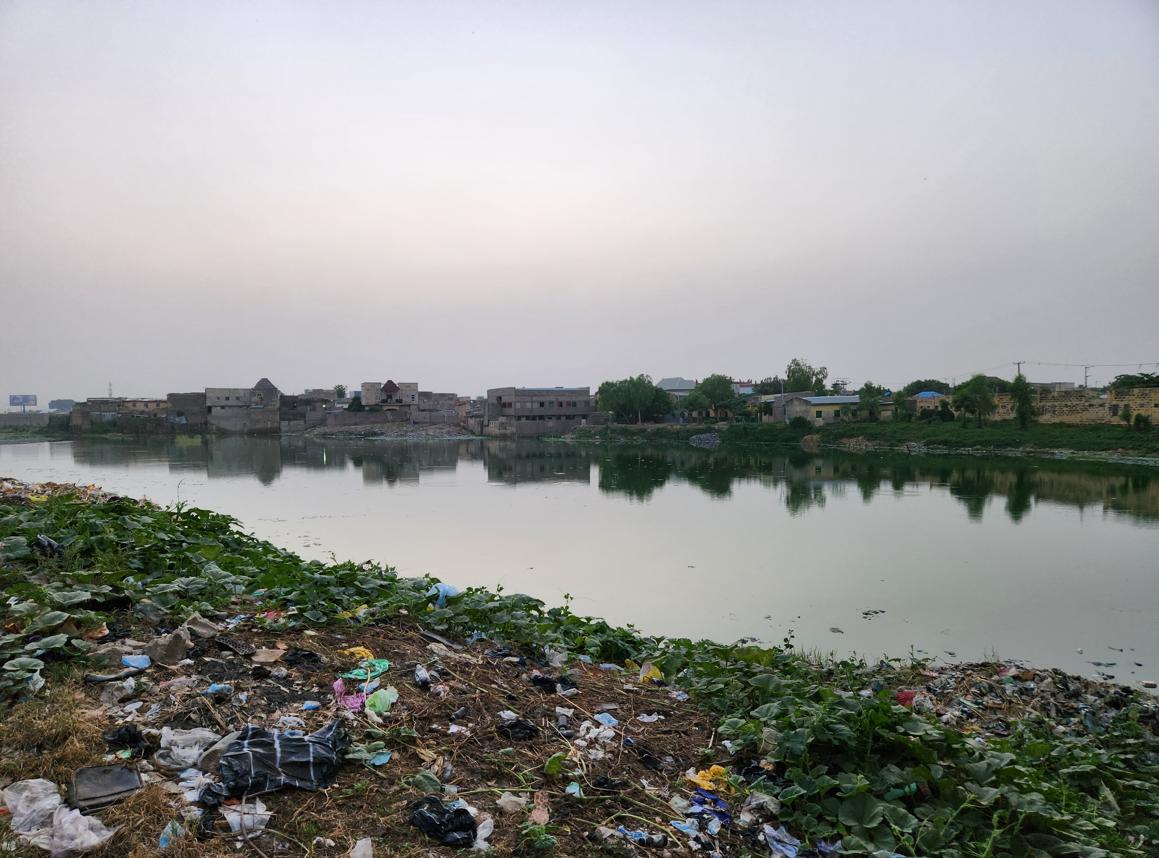
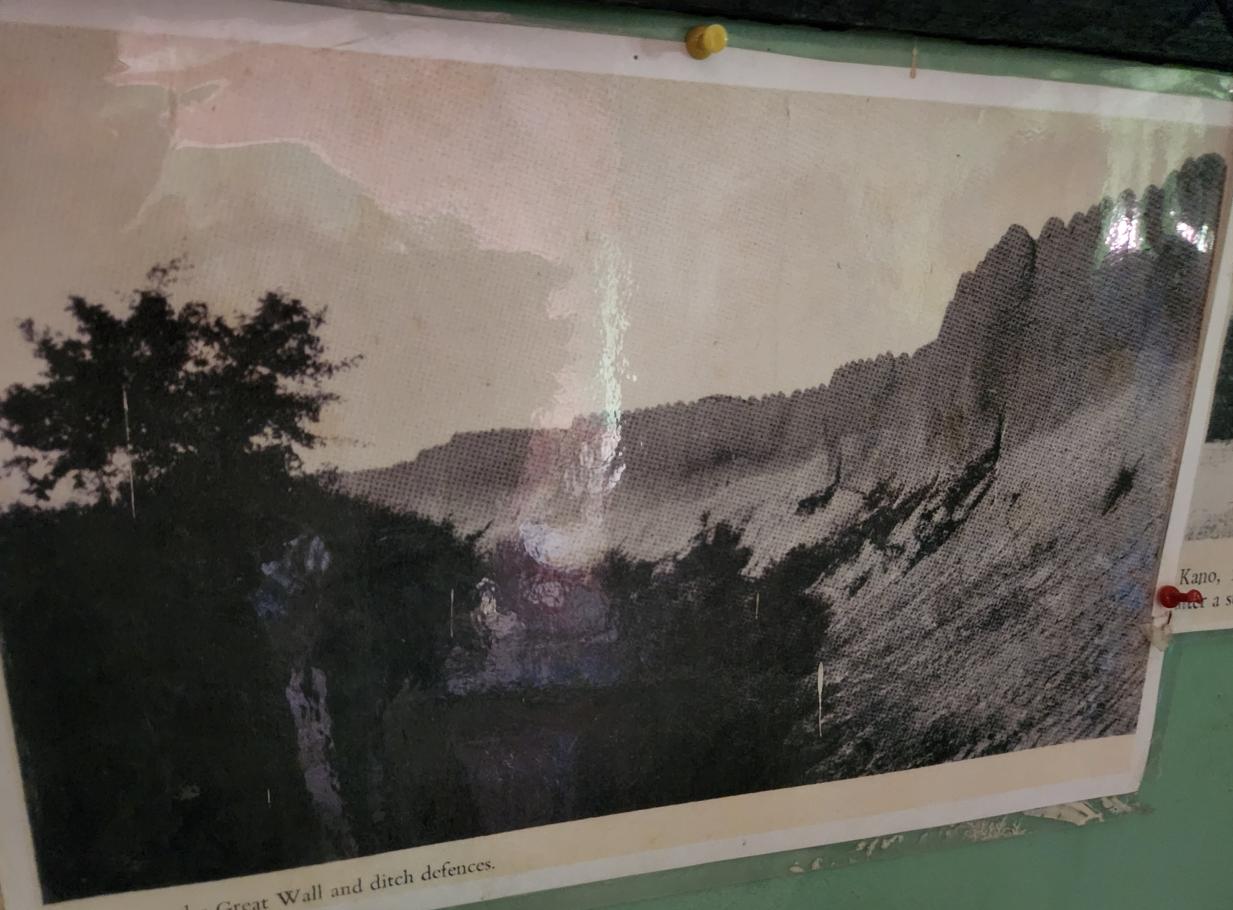
The ancient city walls of Kano enclose an area of roughly seventeen square kilometres and were built, in their original form, in the fourteenth century. They are among the most extensive earthwork fortifications in Africa — at their peak, the walls ran for some twenty-one kilometres around the city. Frederick Lugard, on entering Kano in 1903, reportedly described them as the most impressive monument he had seen on the African continent. They are a UNESCO Tentative World Heritage Site, a designation they have held for over two decades without advancing to full inscription, which perhaps says more about Nigeria’s institutional priorities than about the walls’ merit.
The section we visited — a long stretch of the original mud-brick rampart, its surface the texture of compacted earth and time — rose several metres from a sandy embankment that was itself eroding at its base. A row of rectangular archer’s niches punctuated the wall at regular intervals, their interiors dark. The crenellated parapet at the top had been partially capped in concrete, a pragmatic intervention that had done little to arrest the general decline. The wall looks like what it is: something that has been trying to stand for seven centuries, and is nearly out of effort.
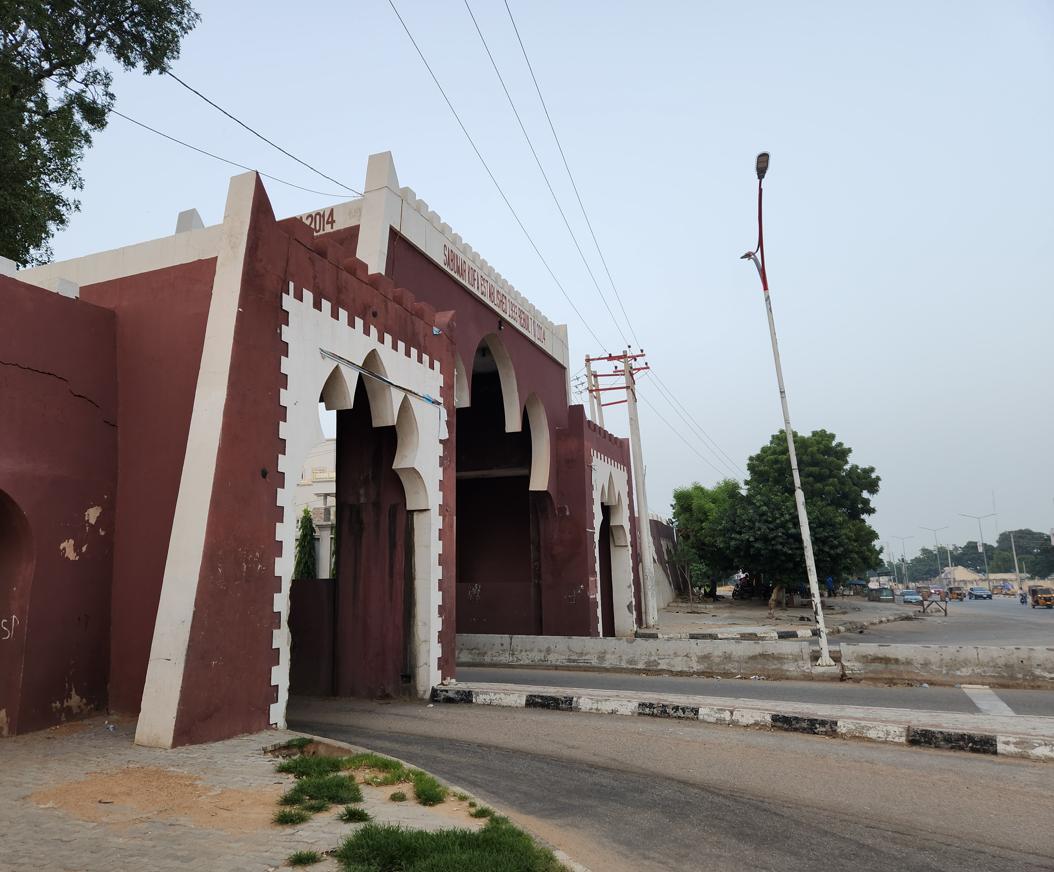
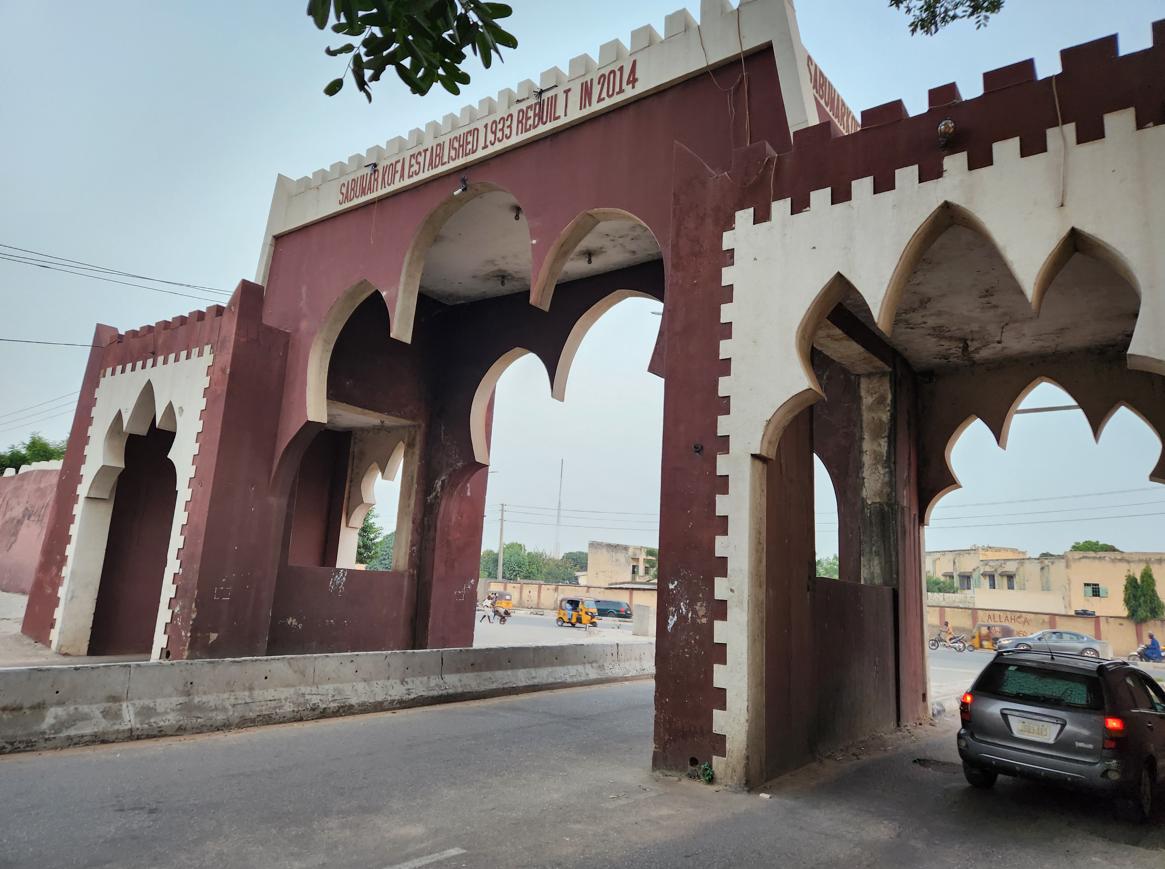
The original city gates — the Kofaye, of which thirteen survive in various states — punctuate the wall circuit. Sabuwar Kofa, the New Gate, established in 1933 and rebuilt in 2014, stands across a busy road junction: a triple-arched gateway in deep red with cream Moorish pointed arches and crenellated battlements, traffic passing through it with the casual indifference that Kano extends to most of its own history. It is entirely possible to drive through a five-hundred-year-old city gate in a keke napep without anyone involved considering this remarkable. Kano has been doing remarkable things without comment for a very long time.
That evening, Leonardo’s connections produced one of those occasions that no itinerary can formally plan for. We were received at the compound of the Princess of Dutse — a member of the northern nobility whose family’s hospitality would shape much of the remaining days of the trip — and a cultural troupe performed in the walled courtyard after dinner. The performers were dressed in purple and gold satin, their lower legs wrapped in raffia fringing that caught the light as they moved, ankles weighted with rattles that beat time against the concrete as they danced. The dance was vigorous and technically demanding, the movements grounded and precise, the drummers seated to one side with a large gourd drum setting a rhythm that accelerated in unpredictable surges and then pulled back. The performance climaxed with an act of acrobatics: one man mounting another’s shoulders and standing there, arms spread wide, while the troupe held position around them and the courtyard, briefly, went quiet. The white wall behind them was lit from below. The tree above them was invisible against the night sky. Whatever the formal name of what we had just watched, the effect was of something that had been performed on similar evenings in similar compounds for longer than anyone present could accurately remember, and that remained entirely alive.
The Emir of Kano, unfortunately, was unable to meet us. He sent gifts instead: posters, stickers, and a set of traditional Hausa robes, distributed among the group by his representatives. Our tour party held a lucky draw for the robes. I won a t-shirt bearing the Emir’s portrait. It is the most senior piece of branded merchandise I own.